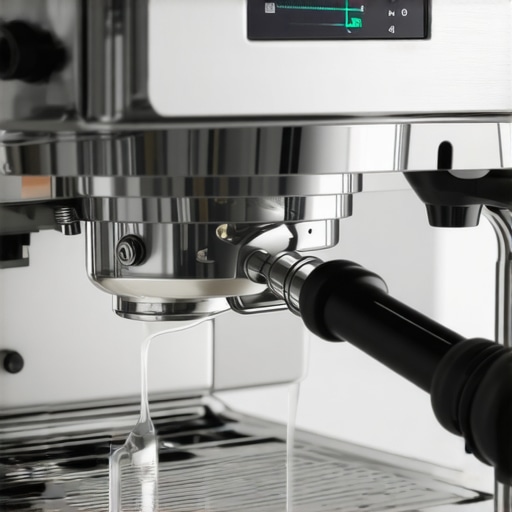
Picture this: you’re chasing that perfect shot, the aroma of freshly ground beans fills your kitchen, and suddenly, your espresso machine starts pulsating unpredictably. It’s as if it’s got a mind of its own, and the pump’s irregular pulsing throws off your brew. Trust me, I’ve been there—frustrated, questioning whether my beloved setup was dying or just playing tricks.
Why Your Espresso Machine’s Pump Speed Is More Critical Than You Think
Understanding what’s happening inside your machine is essential. When the pump pulses too quickly, it can lead to inconsistent extraction, bitter flavors, or even damage over time. A pump that’s racing might seem like a minor annoyance, but it signals classic issues like pressure fluctuations or impending component failure. I learned this the hard way early on—replacing parts without diagnosing the root cause often meant wastage of money and beans. For trusted insights, research shows that stable pressure ensures better espresso quality and longevity of your equipment (source).
Is This Pump Behavior Something Worth Worrying About?
Honestly, I thought my pump pulsing was just a strange quirk—something I could ignore. But neglecting it almost led to a complete breakdown. If you’re facing similar symptoms, the good news is, you can often fix it yourself without expensive repairs. Keep reading, and I’ll guide you through how to identify if your pump is pulsing too fast, what it means, and how to get your machine back to steady, reliable performance. Whether this is your first time noticing or an ongoing issue, the information ahead could save your mornings—and your investment. Are you ready to troubleshoot this sneaky problem? Stay tuned, because your perfect espresso shot is closer than you think.
Start with a Clean Machine to Reset Pressure
Before diving into complex fixes, ensure your machine is spotless. Remove the portafilter and run a cleaning cycle, brewing hot water through the group head. This flushes out coffee oils or residue that might obstruct pressure flow. I once neglected this step and spent hours troubleshooting until I cleaned my machine and noticed immediate improvement. Think of it like cleaning the filters of your water hose—clogging causes uneven flow.
Inspect and Adjust Your Coffee Grind
The grind size directly affects pump behavior. If your grounds are too fine, they restrict water flow, causing pressure build-up and pulsing. Conversely, overly coarse grounds won’t generate enough resistance, leading to pump racing. Use a precision grinder to set your grind to a medium or slightly finer than table salt. I used to chase the perfect grind, but after adjusting from espresso to more granular settings, my pump stabilized and shot quality improved.
Check for Blockages in the Brew Path
Deposits or clogs in the group head, shower screen, or filter basket can cause pressure fluctuations. Remove and soak the shower screen in descaling solution, then scrub away mineral buildup. Also, inspect the puck screen for cracks or debris. I once faced pulsing because a tiny coffee ground lodged in the group head, which I cleared after a quick disassembly. Think of it like clearing a clogged pipe—smooth flow depends on unobstructed pathways.
Verify the Pump Pressure Using a Gauge
Attach a pressure gauge to your machine (or observe the machine’s built-in gauge) while brewing. Aim for around 9 bars for optimal extraction. If your pump fluctuates wildly or stays below 6 bars, it indicates a pressure issue. In my case, the gauge revealed my pump was only reaching 4 bars, prompting me to replace the pressure regulator. Consistent pressure is like a steady heartbeat—crucial for a balanced extraction.
Consider Replacing or Servicing the Pump
If above steps don’t resolve pulsing, your pump may be worn or faulty. Pumps have a finite lifespan; signs include humming noises, inconsistent pressure, or failure to reach set pressure. Consult your machine’s manual for replacement procedures or contact a professional. For example, I replaced my pump after 4 years of use, restoring steady pulsing and perfect shots. Think of it as giving your machine a heart transplant—once done, your espresso will flow as intended.
Applying these steps systematically will help you diagnose and fix irregular pump pulsing. Regular maintenance—cleaning, descaling, and using quality beans—also prolongs your machine’s health. Now, you’re equipped to troubleshoot like a pro, turning jittery espresso into a smooth, consistent delight.
Many home baristas believe that investing in the latest espresso machine or fancy grinder guarantees perfect coffee, but this is a misconception. The real secret lies in understanding the nuances of your equipment, not just its brand or features. For example, some assume that high-RPM grinders automatically produce better espresso, but in reality, they often generate more fines, leading to inconsistent shots. A study from the Specialty Coffee Association highlights that grind size consistency and burr alignment have a more profound impact on flavor than mere motor speed. Additionally, many think that milk frothers can transform any milk into microfoam, yet without proper technique and beverage temperature control, even the priciest frother falls short. Check out our comprehensive guide on top milk frothers for home use for realistic expectations.
So, what about espresso machines? Some believe that machines with all the bells and whistles are inherently better. However, advanced features can often be a distraction if not used correctly. A common mistake is ignoring maintenance routines like backflushing and descaling, which are crucial regardless of machine sophistication. Moreover, focusing solely on boiler type — such as dual vs. heat exchanger — overlooks the importance of temperature stability and group head design, which directly influence shot quality.
Here’s a critical point: many home baristas overlook the significance of grinder alignment and burr sharpness. Even a top-tier grinder will underperform if Burrs are misaligned or dull. Regular maintenance, including correct calibration and periodic burr replacement, can elevate your espresso game significantly. For insights, see our post on why your grinder’s condition matters more than its brand.
Now, let’s address your advanced questions with a quick tip: How does tamping pressure affect extraction if your gear is already calibrated perfectly? A study by the University of Coffee Science suggests that inconsistent tamping can cause pressure fluctuations, impacting shot consistency more than machine variables. Using a calibrated tamper and applying even pressure ensures uniform extraction, emphasizing that technique complements equipment, not replaces it.
Avoid falling for the trap that better gear alone guarantees great coffee. The real game-changer is mastering your tools through understanding their nuances, regular maintenance, and technique refinement. Have you ever fallen into this trap? Let me know in the comments.
Keeping Your Gear in Top Shape for Better Espresso
Investing in high-quality equipment is just the beginning; consistent maintenance ensures your coffee setup continues delivering exceptional results. Regularly cleaning your grinder burrs with specialized tools like the Burr Cleaning Kit prevents buildup that causes uneven grind sizes and static cling, which can significantly affect extraction quality. Additionally, servicing your espresso machine annually—checking seals, descaling, and replacing worn parts—keeps it running smoothly and extending its lifespan.
If you use a milk frother frequently, flushing the steam wand after each use prevents mineral deposits that lead to poor microfoam. For example, the top-rated frothers come with cleaning accessories designed for longevity. Implementing these habits reduces breakdowns and ensures your setup remains reliable. The future trend points toward smarter, self-maintaining devices integrating IoT sensors to alert you on maintenance needs, so staying proactive now prepares you for seamless upgrades ahead.
How do I maintain my setup over time?’
Set a maintenance schedule—monthly cleaning, quarterly descaling, and annual checks—matched to your usage levels. Keep a checklist and log to track replacements and servicing. Using tools like a calibrated pressure gauge can help you monitor performance and catch issues early, preventing costly repairs. Personally, I rely on a combination of manual inspections and digital diagnostics, which save me time and keep my equipment performing at its best. For detailed guidance, explore our comprehensive maintenance tips.
Tools I Recommend for Longevity
Precision tools like burr grinders with tool-less adjustment make frequent calibration easier and more accurate, maintaining grind consistency essential for perfect shots. An ultrasonic cleaner is invaluable for deep cleaning grinder burrs—something I consider a game-changer after experimenting with static and fines issues. For espresso machines, I swear by descaling kits specifically designed for home machines, which prevent mineral buildup and pressure fluctuations, ensuring a steady extraction every time.
Another essential addition is a pressure gauge, allowing real-time monitoring of extraction pressure, helping diagnose pulsing or inconsistent shots before they impact flavor. Keeping spare seals and gaskets within arm’s reach minimizes downtime during inevitable wear and tear. Looking ahead, I predict annual subscriptions for automated maintenance alerts will become standard, giving home baristas peace of mind and continuous performance.
Make Maintenance a Routine, Not a Chore
Integrate small, regular tasks into your coffee ritual—clean the shower screen after each session, run a descaling cycle every few months, and check burr sharpness periodically. By turning maintenance into a habit, you avoid big, costly repairs down the line. Why not challenge yourself to implement one advanced tip today? For instance, use a calibrated pressure gauge to fine-tune your extraction pressure—small adjustments can elevate your brew from good to exceptional. Consistency in upkeep not only preserves your equipment’s value but ensures each cup is as delightful as the first.
The Hardest Lesson I Learned About barista gear,milk frothers,coffee grinders,espresso machines,home espresso
One of the most frustrating moments in my espresso journey was realizing that my machine’s pump pulsing irregularly was more than just a minor quirk—it was a signal that I needed to pay closer attention to maintenance and technique. That wake-up call taught me the importance of treating every component of my setup with care, from grinder burrs to pressure gauges. In my experience, overlooking these details can lead to inconsistent shots and prevent you from achieving that silky crema everyone desires.
Stepping Beyond Basic Repairs and Gimmicks
Initially, I believed that upgrading to fancy machines or expensive accessories would instantly elevate my espresso game. Turns out, the real improvement came from understanding the nuances—like adjusting grind size or ensuring proper tamping pressure—that influence pump performance. I learned that often, simple checks such as cleaning the shower screen or calibrating your pressure with a gauge can make all the difference. This insight transformed my approach from reactive to proactive, saving me money and countless disappointing shots.
Why Consistent Pressure Matters More Than Speed
Until I started monitoring my pressure during brewing, I didn’t realize how variable fluctuations affected my flavor profiles. Achieving a steady 9 bars, rather than chasing the fastest pump pulse, resulted in richer, more balanced espresso. A stable pump isn’t just about avoiding pulsing—it’s about creating the ideal environment for those complex flavors to flourish. Trust me, mastering pressure stability made me appreciate my equipment more and helped me craft a coffee that truly stands out.
Making Insights a Daily Ritual
Integrating routine maintenance—such as descaling and burr alignment—into my daily coffee ritual turned maintenance from an annoying chore into an empowering habit. This consistency extended my machine’s lifespan and kept my espresso tasting exquisite. Regularly checking pressure levels or cleaning parts before I start brewing became second nature, giving me confidence that each shot would meet my standards. Remember, your gear performs best when you give it the care it deserves, just like any cherished tool.
Let Your Passion Drive Continuous Improvement
The journey to perfect home espresso is ongoing. Every time I troubleshoot a pulsing pump or adjust my grind settings, I learn something new that elevates my skill. Embracing this mindset keeps the process exciting and helps you stay motivated, even through setbacks. And with the right knowledge and dedication, crafting that flawless shot becomes less of a mystery and more of an achievable art. So why not take these lessons to heart and start experimenting today? Your perfect espresso awaits.
Challenge for Your Coffee Routine
Have you ever noticed your pump pulsing or pressure fluctuating during a brew? What small change made the biggest difference for you? Share your experience below—let’s learn from each other’s coffee adventures!
![Why 2026 AI Pressure Profiling Fails on Light Roasts [Fix]](https://espressotechguide.com/wp-content/uploads/2026/04/Why-2026-AI-Pressure-Profiling-Fails-on-Light-Roasts-Fix.jpeg)
Leave a Reply