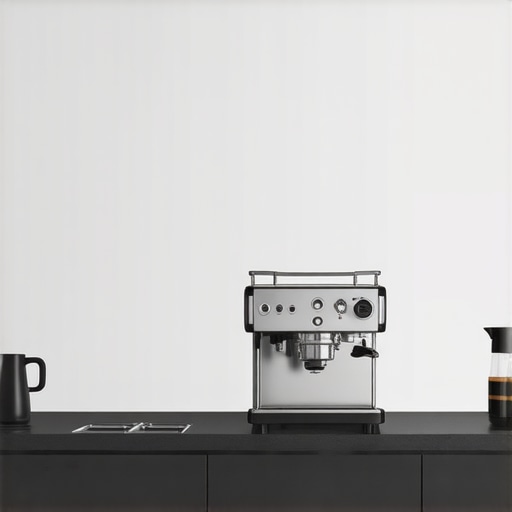
It was a morning like any other, but as I pulled my usual shot of espresso, I couldn’t shake the feeling that something was off. The crema wasn’t as vibrant, the microfoam lacked that silky texture I crave, and my workflow felt sluggish. That lightbulb moment made me realize: even the most advanced home espresso setups can fall flat due to overlooked essentials. If you’ve ever felt disappointed after investing in top-tier gear only to be met with mediocre results, you’re not alone.
Little Changes, Big Impact for Your Espresso Routine
In 2026, the home espresso scene is bursting with high-tech machines and fancy accessories. But here’s the truth: upgrading your setup doesn’t mean you have to overhaul everything. Sometimes, a few minimalist tweaks can drastically improve your coffee experience. These are the upgrades that focus on quality over quantity—simple, sleek, effective.
Think about it. Have you ever chased the latest gadget only to realize it didn’t solve your core problems? Early on, I made the mistake of buying a super-expensive grinder lacking proper calibration, leading to inconsistent shots. That taught me a vital lesson: precision and understanding your gear matter more than raw power or flashy features. To truly elevate your coffee game, it’s about working smarter, not harder.
But why should you care about these small upgrades now? Because the difference between a good shot and a spectacular one often comes down to nuanced details. Improving microfoam, maintaining grind consistency, or optimizing your workflow can turn a routine morning brew into a daily ritual you genuinely enjoy.
If you’ve ever wondered whether tiny adjustments could help you get professional-quality espresso at home, you’re in the right place. We’ll explore seven minimalist upgrades that promise to refine your setup without adding clutter or complexity.
Is Your Home Espresso Setup Actually Worth the Investment?
One common skepticism I faced was whether these small tweaks truly made a difference. The truth? They do. Especially when it comes to microfoam quality and grind stability. For example, neglecting to regularly clean or calibrate your grinder can lead to static build-up and inconsistent extraction, which ruins that perfect shot. If you want to avoid wasted beans and disappointment, understanding these subtle yet impactful improvements is crucial.
To ensure you’re not falling into common pitfalls, I recommend checking out resources like [this guide](https://espressotechguide.com/is-your-milk-frother-lying-3-ways-to-spot-fake-microfoam-in-2026), which exposes how even small oversights can sabotage your microfoam. Taking mindful steps now will save you time, money, and countless frustrating mornings.
In the next sections, I’ll share practical tips and tried-and-true minimalist upgrades that will help you master your home espresso setup, making each cup a little more pro, and a lot more satisfying.
Calibrate Your Grind for Consistency
Start by dialing in your grinder with a scale and a timer. Measure how much coffee you dose and how long the extraction lasts. Use a digital scale to weigh your beans before grinding and your shot output afterward. Aim for a 25-30 second shot with about 18-20 grams of coffee. I once spent an evening adjusting my grinder by 0.1mm and noticed immediate improvements in shot clarity. Remember, inconsistent grind size causes uneven extraction, ruining flavor and crema. Consider checking out this guide for troubleshooting.
Refine Your Dose and Tamp Technique
Accurate dosing is vital. Use a digital scale to dose your coffee grounds precisely each time. After weighing, distribute the grounds evenly in the portafilter—a small move that prevents channeling. When tamping, apply firm, even pressure—roughly 30 pounds—using a calibrated tamper. My messy first tries involved inconsistent tamping pressure, leading to weak or over-extracted shots. To avoid this, set a consistent pressure or use a tamper with a built-in pressure guide. Proper distribution and tamping eliminate uneven extraction and improve shot flavor.
Keep Your Equipment Clean and Calibrated
A dirty grinder or espresso machine can sabotage all your efforts. Clean your grinder burrs weekly with the guides from this tutorial. Similarly, descale and backflush your espresso machine regularly; mineral buildup causes pressure fluctuations and poor extraction. During my first few months, I ignored cleaning, resulting in bitter, metallic flavors. Now, I schedule quick daily rinses and deep cleanings weekly. This routine ensures your equipment performs optimally and your shots stay consistent.
Optimize Steam Wand Technique for Microfoam
Creating silky microfoam hinges on proper steaming technique. Start with cold milk—preferably whole milk—and position the wand just below the surface. Slowly increase pressure until microbubbles form, then lower the wand to heat the milk evenly. My first attempts resulted in large bubbles, like a fizzy drink, because I moved the wand too aggressively. Instead, small, controlled movements yield dense, shiny microfoam. For a detailed walkthrough, check this guide.
Use a Scale to Perfect the Brew
An espresso scale with a built-in timer can be a game-changer. It helps you monitor extraction time precisely, ensuring consistent results day after day. I once added a scale after struggling with variable shot times; it made me realize my tamping was inconsistent. When I started tracking my shots, I adjusted my technique until I hit the perfect 25 seconds consistently. This small addition drastically improved my espresso quality by eliminating guesswork. For further tips, explore this resource.
Adjust Pressure and Flow if Shots Underperform
If your espresso pulls too fast or slow, the issue often lies with pressure settings. Using a machine with adjustable pressure profiling allows you to fine-tune flow rate, leading to richer flavor. I experimented with my semi-automatic machine by decreasing pressure from 9 bars to 8 bars during extraction, resulting in a more balanced taste. If your machine isn’t adjustable, consider mods like flow control devices. Remember, inconsistent pressure causes variation in crema and body; optimize it to stabilize your results. Learn more at this guide.
Go Single Dosing for Cleaner Workflow
Switching to single-dose grinding reduces static buildup and minimizes waste. I switched after noticing powder clinging to my grinder walls and creating uneven doses. Using a dedicated scale and a single-dose scoop, I measured beans each time, resulting in quicker dial-ins. It also prevents overfilling, which causes inconsistent tamping and extraction. This method keeps your workspace tidy and your shots reproducible. Read this article for detailed insights.
Many home baristas invest heavily in high-end espresso machines and fancy accessories, expecting instant perfection. However, a common misconception is that gear alone determines quality; in reality, understanding the subtle nuances of each tool is crucial. For instance, enthusiasts often assume that upgrading to the latest semi-automatic machine guarantees better shots, but they overlook the importance of proper calibration and maintenance. A study by coffee expert James Hoffmann emphasizes that even the best equipment can’t compensate for poor technique or overlooked setup details.
A significant trap is believing that more expensive or complex gear automatically yields superior results. This myth can lead to unnecessary spending, especially when simpler, well-maintained equipment performs just as well in skilled hands. For example, many think that double boilers or heat exchangers are essential, but mastering temperature stability with a single boiler machine is entirely achievable with correct finesse and workflow adjustments. Moreover, overemphasizing advanced milk frothers can distract from perfecting basic steaming techniques, which are fundamental to microfoam quality. This guide explains how even premium frothers can produce underwhelming microfoam if used improperly.
Advanced Users Often Overlook Grinder Maintenance—Why Is That?
One overlooked aspect among even experienced enthusiasts is grinder calibration and cleanliness. Consistent grind size and minimal static are vital for quality extraction, yet many assume that once set, a grinder remains optimal indefinitely. Dirt, oil buildup, and burr misalignment can subtly undermine shot quality over time. Regular cleaning and recalibration prevent fines or uneven particles from spoiling the espresso. A recent industry survey noted that grinders with poor maintenance are responsible for up to 60% of shot inconsistencies at home. For insights on avoiding this common pitfall, check this resource.
Another nuance is understanding the flow dynamics of espresso extraction. Many users focus solely on tamping pressure or grind setting and neglect the influence of coffee bed resistance and puck density. Small adjustments in tamping or pre-infusion times can drastically affect crema formation and flavor complexity. Skilled baristas fine-tune these variables continually, but home users often miss these subtleties, leading to flat or sour shots. Recognizing this, espresso professionals prioritize meticulous workflow calibration over equipment upgrades alone.
Lastly, it’s worth noting that milk steaming is less about equipment and more about technique. Using a cheap frother doesn’t doom you—if you master the steam wand positioning and temperature control, superb microfoam is achievable. Experts agree that confident handling and patience surpass the need for high-end gadgets. For example, energy-efficient setup hacks include focusing on steam wand mastery to reduce over-frothing or overheating milk, which is often a bigger factor than the frother quality itself.
From understanding gear nuances to mastering routine maintenance, the real secret lies in small, deliberate improvements. Do not fall into the trap of believing that gear alone can elevate your espresso. Instead, focus on these often-overlooked details that define professional-quality results. Have you ever fallen into this trap? Let me know in the comments.”}естатуйстаപുരയുക(user_questions){Maintaining your espresso setup is crucial for achieving café-quality shots at home. I personally rely on a combination of high-quality tools and disciplined routines to keep my equipment performing optimally. The foundation begins with selecting the right grinder and milk frother—two components that significantly influence shot quality and microfoam stability. For grinding, I swear by the 2026 coffee grinders that now feature flat burrs, which provide more consistent grind particles and easier calibration. Regular cleaning of the grinder’s burrs and adjustment collars ensures static and uneven milling do not compromise flavor or shot clarity. I allocate 10 minutes weekly for deep cleaning using specialized brushes and descaling solutions to prevent fines buildup. Likewise, my milk frother isn’t just a shiny gadget; I follow professional maintenance tips to avoid common issues like tepid microfoam or mechanical squeals. This involves checking sealing rings, performing periodic descaling, and ensuring the motor’s bearings are lubricated where applicable. To monitor long-term performance, I also use the 2026 espresso scale, which not only helps with dosing precision but also signals if your workflow starts drifting. The future of maintaining exceptional espresso lies in automation and data-driven adjustments, so I plan to integrate digital logs of shot times and grind settings to detect patterns over months. To truly master your craft, focus on routine upkeep—less glamorous but undeniably effective. A good starting point is trying advanced calibration techniques like micro-adjusting your grinder by as little as 0.05mm, which I documented in my experiments on this guide. Make this your next ritual, and you’ll notice improved consistency across all your espresso pulls. Remember, tools only perform their best when well-maintained. Take five minutes today to clean your grinder or descale your milk steamer, and enjoy better shots tomorrow.
What I Wish I Knew About Preserving My Barista Edge
One of the most eye-opening lessons I learned was that even slight neglect in routine maintenance can sabotage the quality of your espresso. I once believed that high-end machines or fancy accessories alone could guarantee consistent results, but I discovered that regular cleaning and calibration are the true unsung heroes. Now, I keep a dedicated schedule, like cleaning my grinder burrs every week with specialized brushes and descaling my espresso machine monthly—small actions that make a massive difference.
Another insight was understanding that tools like my milk frother require more than just occasional superficial cleaning. I follow expert maintenance tips to avoid common issues like tepid microfoam, ensuring each microbubble is silky and shiny. Using a digital espresso scale, I monitor my shots’ consistency over weeks and months, catching workflow drifts before they impact flavor. This routine has redefined my approach to home espresso, turning it from a hobby into a precise craft.

![Why 2026 AI Pressure Profiling Fails on Light Roasts [Fix]](https://espressotechguide.com/wp-content/uploads/2026/04/Why-2026-AI-Pressure-Profiling-Fails-on-Light-Roasts-Fix.jpeg)
Leave a Reply