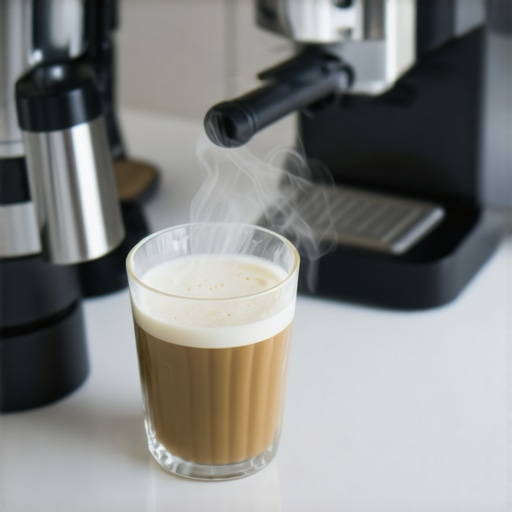
It was a typical morning, coffee brewing, I reached out to stir my latte, only to find it lukewarm and flat—disappointing after I had just spent 15 minutes trying to craft that perfect cup. That moment of frustration hit me hard. I realized that my home coffee setup was missing something crucial: reliable, high-quality equipment that could truly replicate the café experience. If you’ve ever faced the same struggle—trying to get that velvety milk froth or a rich espresso shot—you know exactly what I mean. The good news? The right tools can transform your mornings forever.
Why Upgrading Your Home Coffee Equipment Matters Now More Than Ever
With the rise of remote work and increased time spent at home, our kitchens have become the new coffee bars. According to a recent survey, over 60% of coffee drinkers now prefer brewing at home, citing freshness and cost savings as top reasons (Statista). But here’s the catch: not all coffee gadgets are created equal. Investing in the best milk frothers and espresso machines isn’t just about convenience—it’s about elevating your entire daily ritual. Imagine waking up to a perfectly frothed cappuccino or a shot of espresso that rivals your favorite café—without leaving your home.
Is It Really Worth the Hype?
Early in my journey, I bought a cheap espresso machine, thinking it would do the job. Spoiler: it didn’t. The shots were bitter, and the milk frother barely produced any foam. I wasted money on gadgets that promised a lot but delivered little. The key takeaway? Not all equipment is designed equally, and skimping on quality can set you back. For those serious about their coffee, investing in top-tier gear is essential. If you’re curious about how to choose the right machine, I recommend checking out this comprehensive guide that breaks down what to look for.
Now, I want to help you avoid my early mistakes and get the best tools for your home setup. Whether you’re after a sleek espresso machine or a versatile milk frother, I’ll share practical tips and product recommendations to make your coffee dreams a reality. Ready to take your home barista game to the next level? Let’s dive into what makes the best equipment for 2025.
Choose the Right Equipment
Start by selecting a high-quality espresso machine. Look for models with precise temperature control and consistent pressure, which are essential for extracting rich flavors. For instance, a semi-automatic machine with PID technology can make a noticeable difference. Pair it with a good burr grinder to ensure your coffee grounds are uniform, enhancing extraction. Check out the latest models tailored for home use.
Invest in a Versatile Milk Frother
Next, choose a milk frother that suits your style—manual, handheld, or automatic. For silky microfoam, an electric frother with adjustable temperature settings works best. I once spent an afternoon troubleshooting a cheap frother that only produced frothless milk—learning quickly that investing in a quality one saves time and frustration. Consider models from trusted brands listed in the top picks for 2025.
Optimize Your Coffee Grind
Grinding fresh beans is crucial. Use a burr grinder to adjust grind size precisely—coarse for French press, fine for espresso. I remember grinding coffee manually for a weekend, experimenting with various settings until I achieved a shot with balanced acidity and body. For quick access, check out the best grinders of 2025.
Perfect Your Brewing Technique
Consistency in tamping and extraction time matters. Use a tamper to press grounds evenly—about 30 pounds of pressure is optimal. For espresso, aim for a 25-30 second extraction. I once over-tightened my tamp, resulting in a bitter shot, but refining this step transformed my coffee. Practice makes perfect, and detailed tutorials can be found in the comprehensive guide.
Master Milk Frothing and Artistry
Use the milk frother to create microfoam—tiny, uniform bubbles that give your drinks a professional touch. Begin by steaming the milk just below boiling point, then swirl to eliminate large bubbles. I once attempted latte art with leftover cold milk, but warming it properly made a notable difference. For visual inspiration, see the top barista gear.
Maintain Your Equipment
Regular cleaning prevents buildup that can spoil flavor. Rinse the espresso machine’s group head daily and descale monthly, especially if you have hard water. Keep your grinder clean by brushing burrs after every few uses. My messy morning routine once involved trying to descale an overly clogged machine, which taught me the importance of routine maintenance—details are in the maintenance tips.
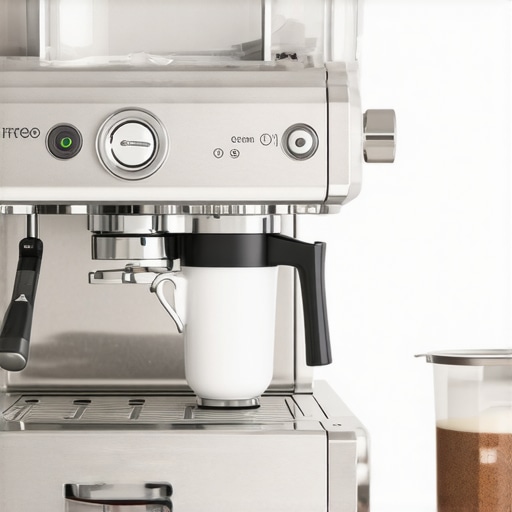
Many home baristas fall prey to common myths that can sabotage their coffee quality and overall experience. One of the biggest misconceptions is that simply owning high-end equipment guarantees perfect coffee. In reality, the way you use and maintain your gear is just as critical, if not more so, than the brand or price tag. For example, even the most expensive espresso machine won’t produce great shots if you don’t understand extraction principles or if it’s not properly cleaned and calibrated. This is where many enthusiasts make advanced mistakes—assuming that equipment alone will do all the work.
What Most People Get Wrong About Equipment Maintenance and Usage
Another widespread error is neglecting routine maintenance. Hard water, for instance, can cause scale buildup, leading to inconsistent temperature and pressure issues. This results in bitter or sour shots, which can be mistaken for poor quality beans rather than a maintenance problem. Regular descaling and cleaning are essential, and ignoring them is like running a finely tuned engine without oil. Experts recommend monthly descaling, especially in areas with hard water, to keep your machine performing at its best. Overlooking this step can dramatically reduce your equipment’s lifespan and coffee quality.
Furthermore, many home baristas underestimate the importance of grind consistency. Investing in a good burr grinder is only half the battle; understanding how to dial in the grind size for your specific machine and beans is crucial. A common mistake is using a preset grind setting without fine-tuning it based on the coffee’s extraction. This can lead to over-extraction (bitter) or under-extraction (sour). Advanced users often perform taste tests while adjusting grind size in small increments—this nuanced approach is what elevates home brewing from good to exceptional. For more on how to fine-tune grind settings, check out this latest guide.
Can You Over-Engineer Your Setup? A Common Pitfall
While it might seem counterintuitive, over-complicating your setup can sometimes hinder progress. For example, adding multiple gadgets like fancy tampers, thermometers, or temperature controllers without mastering the basics can create confusion and inconsistency. A focus on mastering fundamental skills—like proper tamping pressure and shot timing—often yields better results than constantly chasing new gear. Remember, even the best equipment won’t compensate for poor technique. If you’re interested in optimizing your workflow, explore this comprehensive guide.
Have you ever fallen into this trap? Let me know in the comments. The key to elevating your home coffee game is understanding these nuances and applying them consistently. Mastering maintenance, grind adjustment, and technique will make your investment in gear truly worthwhile, leading to richer, more balanced coffee every time.
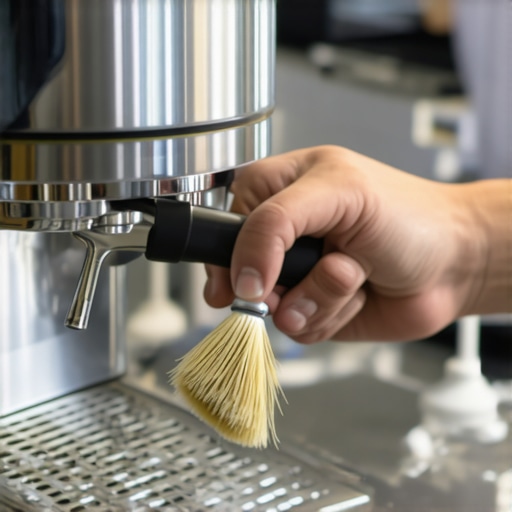
Keeping your high-quality coffee equipment in top shape is essential for consistently great brews. Regular maintenance not only extends the lifespan of your gear but also ensures that every cup tastes just as good as the first. One of my favorite practices is to establish a routine cleaning schedule. For example, descale your espresso machine monthly, especially if you have hard water, to prevent mineral buildup that can affect temperature stability and extraction quality. Additionally, brushing out your coffee grinder every few uses removes residual grounds and prevents cross-flavor contamination, which is critical for maintaining the purity of your coffee’s flavor profile.
Investing in the right tools makes maintenance easier and more effective. I recommend a high-quality cleaning brush designed specifically for burr grinders, such as those from Barista Hustle. These brushes can reach into tight spaces and remove grounds lodged between burrs without damaging the mechanism. For descaling, use a specialized solution like Urnex Dezcal, which safely dissolves mineral deposits without harming your machine. Regularly replacing water filters and gaskets also prevents leaks and maintains optimal pressure, ensuring your espresso shots remain consistently rich and balanced.
Looking ahead, I predict that automated maintenance systems will become more common in home espresso setups, integrating sensors that alert you when descaling or cleaning is needed. This technology will simplify upkeep even further, making it easier for enthusiasts to keep their machines in perfect condition without guesswork. Currently, I personally use a Breville Smart Grinder Pro with its timed dosing feature, which helps maintain grind consistency over time—a crucial factor for repeatable results. Pairing this with the latest grinder models ensures that my setup stays reliable and high-performing.
How do I maintain my coffee equipment over time?
The key is to develop a routine that includes daily, weekly, and monthly tasks. Daily, rinse your espresso basket and wipe down surfaces. Weekly, perform a thorough cleaning of your grinder burrs and steam wand, and check for any signs of wear or leaks. Monthly, descale your espresso machine and replace worn gaskets or seals. This systematic approach minimizes downtime and preserves the quality of your coffee. For detailed maintenance schedules tailored to your specific equipment, I recommend consulting the expert resources on my site.
Don’t underestimate the power of proper maintenance—try incorporating these advanced tips into your routine today and see how your coffee quality and machine longevity improve over time. Remember, the effort you put in now pays off with consistently exceptional brews for years to come.
The Hardest Lesson I Learned About Home Coffee Mastery
Early on, I thought owning premium equipment would automatically guarantee barista-quality coffee. It took a few bitter shots and wasted beans to realize that technique and maintenance are just as vital. That lightbulb moment taught me that patience and continuous learning are the true ingredients of great coffee.
3 Myths About Home Espresso Equipment That Held Me Back
One common misconception was that expensive gear was a shortcut to perfection. Another was that complex setups are always better. Finally, I believed routine cleaning was optional. Debunking these myths revealed that understanding your equipment and developing a consistent routine are what truly elevate your brewing skills.
What Experts Won’t Tell You About Brewing at Home
Many seasoned baristas emphasize that mastering basic skills—like proper tamping and grind adjustment—trumps fancy gadgets. They also stress the importance of regular maintenance to prevent flavor degradation. Embracing these insights transformed my coffee experience from hit-or-miss to consistently satisfying.
My Essential Toolkit for Elevating Your Home Coffee Experience
For top-tier results, I rely on a high-quality espresso machine with PID control, a precise burr grinder, and a versatile milk frother. Brands like these trusted tools have never let me down, ensuring my setup remains reliable and efficient. Additionally, cleaning supplies from reputable sources keep my equipment in tip-top shape.
Where to Go from Here
If you’re serious about elevating your home coffee game, explore detailed guides and reviews available at this resource hub. Don’t forget—consistent practice, routine maintenance, and a curious mindset are your best friends on this journey. Remember, every cup is an opportunity to learn and enjoy!
Your Turn to Brew with Confidence
Embark on your home barista adventure today by investing in quality equipment and honing your technique. The satisfaction of crafting your perfect cup is worth every effort. So, what’s the first step you’ll take towards coffee mastery? Share your plans below!


![Why 2026 AI Pressure Profiling Fails on Light Roasts [Fix]](https://espressotechguide.com/wp-content/uploads/2026/04/Why-2026-AI-Pressure-Profiling-Fails-on-Light-Roasts-Fix.jpeg)
Leave a Reply