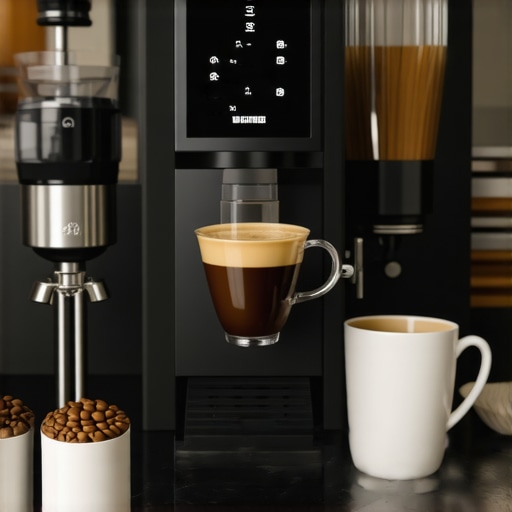
Ever had that frustrating morning where your carefully brewed espresso just doesn’t taste right? I remember the lightbulb moment when I realized my $200 espresso machine was half the battle—my technique, grinder, and accessories all mattered just as much. I spent months chasing the perfect shot, only to discover I was missing some crucial gear and knowledge. That frustration? It’s universal among home baristas. But here’s the good news: with a bit of guidance, you can skip the trial-and-error and set up a home espresso station that rivals your favorite coffee shop.
Why a Well-Designed Home Espresso Station Changes Everything
Building your own espresso setup isn’t just about saving money—it’s about transforming your mornings into a ritual you genuinely look forward to. The right equipment can turn a rushed caffeine fix into a moment of joy. Plus, the quality of your brew improves dramatically once you understand the basics of the best machines, grinders, and accessories. Did you know that according to the Specialty Coffee Association, consistent grind size and temperature control are the top factors influencing shot quality? Getting these right at home isn’t just possible; it’s a game-changer.
Is All Barista Gear Actually Worth the Hype
I used to think fancy gadgets were just a marketing ploy—until I bought a decent burr grinder. The difference in flavor and consistency was so stark that I immediately wished I’d invested earlier. Early on, I made the mistake of assuming that the most expensive gear was the best. Trust me, not every high-end machine or accessory is necessary for a beginner. Instead, focus on the essentials that match your needs and budget. If you’re curious about what equipment truly makes a difference, check out my recommended picks in the top home espresso machines and grinders for 2024.
Select the Right Equipment for Your Home Barista Journey
Start by choosing a reliable espresso machine that matches your budget and space. For beginners, top home espresso machines for 2024 offer excellent options. I still remember when I settled on my first machine, a compact model that fit perfectly on my countertop, making mornings smoother and more enjoyable.
Invest in a Quality Grinder to Unlock Flavor
Your grinder is the secret to consistent shots. Opt for a burr grinder rather than blade varieties to ensure uniform grind size. I once borrowed a friend’s grinder for a test run; the difference in shot clarity and crema was shocking. For detailed options, check out best coffee grinders for 2025. This step is crucial because a poor grind ruins even the best machine.
Master the Basics of Coffee Dose and Tamping
Measure your coffee dose precisely—typically around 18-20 grams for a double shot. Use a digital scale for accuracy. Tamping pressure matters; aim for about 30 pounds of force. I once experimented with different tamping pressures, and the balanced shot I achieved after consistent tamping was the best I’d ever made. Practice makes perfect, so don’t rush this step.
Perfect Your Extraction Technique
Pre-infuse your grounds with a small amount of hot water to evenly saturate the coffee. Then, extract your shot at a steady pressure of around 9 bars. Watch the shot flow; it should start dark and become golden in about 25-30 seconds. I once had a shot that dripped for over a minute—bad extraction. Adjust grind size and tamping to fix it. For advanced tips, visit comprehensive guides on extraction.
Get Your Milk Frothing Technique Down
Use a good milk frother and practice steaming milk to velvety microfoam. The secret is to introduce air at the beginning and then stretch the milk until it’s smooth and shiny. I used to get big bubbles and uneven foam until I followed tutorials in this milk frother guide. Mastery here elevates your espresso into a café-quality drink.
Keep Your Equipment Clean for Consistency
Regularly descale and clean your espresso machine and grinder. A messy machine leads to off-flavors and inconsistent shots. I set a weekly cleaning schedule, which drastically improved my brew quality. Use recommended cleaning products and follow manufacturer instructions to avoid damage. Cleanliness is the foundation of great coffee.
Experiment and Refine Your Technique
Once you have the basics down, tweak variables like grind size, tamping pressure, and extraction time. Keep a shot log to track changes and results. I once spent a weekend adjusting my grind and was rewarded with a shot that had perfect balance and crema. This iterative process is where you craft your signature brew.
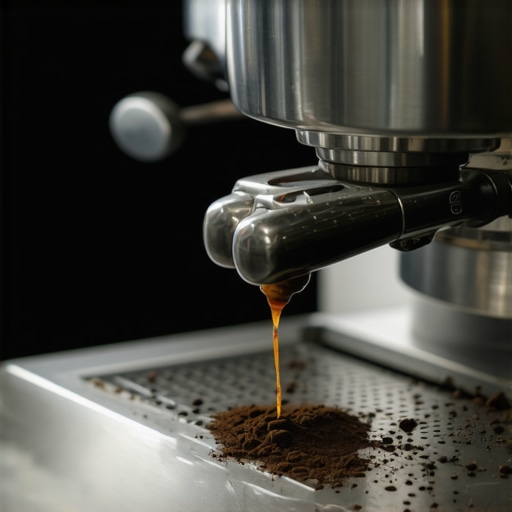
Practicing these steps will turn you into a home barista capable of making coffee shop-quality espresso every morning. Remember, consistency is key—don’t rush the process.
Many home baristas believe that owning the latest espresso machine or a high-end grinder guarantees perfect shots every time. However, what often trips people up are the nuanced mistakes that aren’t immediately obvious. Let’s dig deeper into some of these pitfalls and how to avoid them to elevate your home espresso game.
Why Cutting Corners on Technique Can Ruin Your Brew
One of the most pervasive myths is that equipment alone determines coffee quality. In reality, technique plays a crucial role. For example, inconsistent tamping pressure or neglecting to preheat your equipment can lead to uneven extraction, resulting in sour or bitter flavors. According to research by the Specialty Coffee Association, even minor inconsistencies in tamping force can alter extraction yield significantly. So, investing in a good digital scale and practicing uniform tamping is essential. Remember, even the best machine can’t compensate for poor technique.
The Hidden Trap of Overgrinding
A common mistake is overgrinding beans in pursuit of a finer grind for better extraction. While a finer grind can increase extraction, too fine a grind causes excessive pressure buildup, risking damage to your equipment and leading to channeling—where water finds the path of least resistance, resulting in weak or uneven shots. Instead, focus on dialing in your grind gradually and observe the shot flow. For more detailed guidance, check out my recommended grinders for home baristas.
Mastering Advanced Techniques: Is Your Machine Limiting You?
Many experienced home baristas ask whether their equipment is holding them back. The truth is, even the best machines require skilled operation and maintenance. For instance, inconsistent water temperature can sabotage your efforts, with fluctuations causing under- or over-extraction. Advanced users often use PID controllers to maintain stable brew temperatures, but this is a nuance many overlook. A study published in the Journal of Coffee Research highlights that temperature stability correlates directly with shot consistency. So, if you’re serious about brewing at home, consider investing in a machine with precise temperature controls or learn to fine-tune your existing setup effectively.
Have you ever fallen into this trap? Let me know in the comments. Improving your technique and understanding these nuances can make a world of difference in your daily coffee ritual. With patience and attention to detail, you’ll avoid common pitfalls and enjoy coffee that truly rivals your favorite café’s brew.
Maintaining your home espresso station is crucial for consistent quality and longevity of your equipment. I rely on specific tools that streamline maintenance and ensure my setup stays in top shape. One of my go-to items is a dedicated cleaning brush set that fits perfectly into my espresso machine’s group head and portafilter. This small investment saves me hours of troubleshooting down the line and keeps my shots tasting fresh. Regular descaling is another vital task, especially if you have hard water. I use a descaling solution recommended by my machine’s manufacturer, which I apply every 3-4 months. For added peace of mind, I also track my cleaning schedule using a simple calendar app, making sure I never forget essential tasks.
In addition to routine cleaning, inspecting seals and gaskets periodically prevents leaks and maintains pressure stability. I keep a set of replacement seals on hand, which I swap out during deep cleanings. This proactive approach extends the lifespan of my machine and preserves shot quality. For grinders, I use a specialized brush to remove coffee residues from burrs, preventing clogging and uneven grind sizes. This is especially important if you’re experimenting with different beans or roast levels. Check out this guide for recommended cleaning tools for grinders.
Looking ahead, I predict that automation and smarter maintenance tools will become more prevalent. Imagine a smart cleaning system integrated into your espresso machine that alerts you when descaling or part replacements are due. This future tech will make home barista life even easier and more reliable.
How do I maintain my espresso setup over time?
Consistent maintenance involves a routine schedule—cleaning after every use, descaling every 3-4 months, and inspecting parts regularly. Using the right tools, like brushes and replacement seals, is essential. Also, keeping a log of maintenance activities can help identify patterns or recurring issues early on, saving money and time. For detailed tips on equipment upkeep, see this comprehensive maintenance guide. Remember, a well-maintained machine not only brews better coffee but also lasts longer—making your investment worthwhile.
Don’t forget to regularly update your cleaning tools and replace worn parts before they cause problems. This proactive approach ensures your home espresso station continues to deliver café-quality drinks for years to come. Try scheduling weekly quick cleans and quarterly deep cleans, and your setup will stay in excellent condition with minimal effort.
Lessons That Changed My Coffee Game
One of the hardest lessons I learned was that consistent tamping pressure makes or breaks your shot. It’s tempting to rush this step, but a little extra attention to tamping force—about 30 pounds—transformed my espresso quality. Another revelation was that preheating your equipment isn’t just a luxury; it’s essential for even extraction and rich crema. Skipping this step led me to bitter and uneven brews until I finally took the time to warm up my machine properly. Lastly, I discovered that even the most advanced grinder can’t save a poorly dialed-in grind size. Fine-tuning the grind gradually and keeping a shot log helped me craft my ideal espresso—something I wish I’d started sooner.
Tools and Resources That Elevated My Home Barista Skills
My go-to machine is the best home espresso machine for 2024 because of its reliable temperature control and compact size. I trust the comprehensive grinder guide that helped me choose a burr grinder with consistent grind size. For perfect milk frothing, I relied on tutorials from this detailed frother guide. Lastly, regular maintenance tools like cleaning brushes and descaling solutions from trusted brands kept my setup in top shape—an investment that paid off in every shot I pulled.
Your Next Step to Coffee Confidence
Now that you know some insider wisdom and trusted tools, it’s your turn to elevate your home espresso game. With patience, practice, and the right gear, you can brew coffee that rivals your favorite café. Remember, every great barista started with a simple setup and plenty of learning—so don’t be afraid to experiment and enjoy the process. Your perfect cup is just a few tweaks away, and I can’t wait to hear about your progress!
![Why 2026 AI Pressure Profiling Fails on Light Roasts [Fix]](https://espressotechguide.com/wp-content/uploads/2026/04/Why-2026-AI-Pressure-Profiling-Fails-on-Light-Roasts-Fix.jpeg)
Leave a Reply