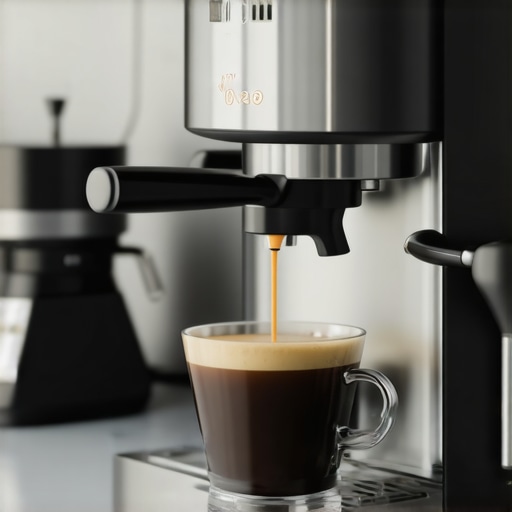
I remember the first time I tried to make a perfect espresso at home. My kitchen was a mess, my patience was thin, and the coffee was, frankly, disappointing. It was a frustrating experience that made me question if I’d ever get it right. Sound familiar? If you’ve ever felt that way, you’re not alone. The quest for that ideal shot can feel overwhelming—there are so many options, so many reviews, and honestly, so much conflicting advice. But here’s the truth: with the right tools and a little know-how, you can brew barista-quality espresso right in your own kitchen. Today, I’ll help you cut through the noise and find the perfect setup for 2025.
Why Upgrading Your Home Coffee Gear Matters More Than Ever
In recent years, the line between professional and home brewing has blurred. Thanks to technological advances, home espresso machines and grinders are now more capable—and more affordable—than ever. According to industry reports, the global market for home coffee equipment is expected to grow significantly in 2025, driven by enthusiasts eager to craft their favorite drinks without leaving home. But here’s the catch: not all gear is created equal. I’ve made my share of mistakes early on—buying a shiny machine that looked great but underperformed, or a grinder that was too finicky to use daily. These missteps cost time, money, and a lot of coffee beans.
If you’re tired of wasting your mornings and your budget on gear that doesn’t deliver, this guide is for you. We’ll explore the best machines and grinders for 2025, how to choose the right setup, and avoid the pitfalls I’ve encountered. Because a great cup starts with great equipment—and a little bit of insider knowledge.
Is All the Hype About High-End Machines Worth It?
Honestly, I once believed that splurging on the most expensive espresso machine was the only way to get authentic results. Turns out, that’s not always true. I made the mistake of assuming that a top-tier machine would automatically produce perfect coffee, but I overlooked how crucial the grinder and technique are. It’s a common misconception, supported by industry experts who say that even a modest machine paired with a good grinder can outperform expensive setups if used correctly. For more insights, check out this comprehensive guide that breaks down what really matters when choosing your equipment.
Now, I focus on making smart choices—investing in reliable, user-friendly gear that fits my budget and lifestyle. If you’ve faced similar doubts, don’t worry. We’ll cover all the essentials so you can make an informed decision and enjoy your perfect cup every morning.
Choose the Right Equipment for Your Kitchen
Start by selecting a reliable espresso machine that fits your budget and space. For beginners, I recommend models like the Breville Barista Express or the DeLonghi Dedica, which balance performance and affordability. These machines are user-friendly and produce consistently good espresso. Pair it with a burr grinder such as the Baratza Encore to ensure a uniform grind, which is crucial for a great shot. When I first set up, I chose the Breville machine and a basic burr grinder; initially, my shots were weak and inconsistent, but upgrading my grinder made a huge difference.
Understand Your Machine’s Features
Learn the ins and outs of your espresso machine. Read the manual thoroughly and practice each step—loading the portafilter, tamping, brewing, and steaming milk. I found that mastering tamp pressure and water temperature control significantly improved my results. Spend time dialing in your machine’s settings; patience here saves you from wasting coffee beans later.
Perfect Your Coffee Grounds and Dose
The grind size and coffee dose directly impact extraction. Aim for a medium-fine grind, similar to sugar. Use about 18-20 grams of coffee for a double shot. I experimented with different doses and found that slightly more coffee with a finer grind produced richer, more balanced espresso. A scale helps measure accurately, preventing inconsistent results. Remember, too fine a grind can clog your machine, so adjust gradually.
Timing and Tamping Technique Matter
Consistent tamping pressure—about 30 pounds—is key. I used a simple tamper and a scale to gauge pressure, which improved my shot quality. Aim for a smooth, even surface to ensure water flows uniformly through the coffee. Practice makes perfect; I spent a few mornings practicing until I could tamp with my eyes closed and get the same results every time.
Master the Brew and Milk Frothing
Pull your espresso shot for about 25-30 seconds, aiming for a rich, caramel coloration and a honey-like flow. If the shot is too quick or slow, adjust your grind or dose. For milk, use a good-quality frothing pitcher and steam wand. I found that stretching the milk first and then steaming it to 140°F yielded the best microfoam. Use the best milk frothers to enhance your drink. Practice makes perfect here too; I spent a morning practicing milk texturing, which transformed my cappuccinos.
Combine and Perfect Your Signature Drink
With your espresso and milk ready, pour the milk into your shot, aiming for a smooth latte art or a layered cappuccino. Adjust your pouring technique to control the crema and foam. Remember, each step—grind size, tamp, timing, milk texture—interacts to create the perfect cup. When I finally nailed my technique, I felt like a true barista, brewing café-quality drinks every morning.
For more detailed gear recommendations, check out this comprehensive gear guide. Mastering these steps turns your kitchen into your personal coffee shop, one delicious shot at a time.
In the world of home barista setups, many enthusiasts fall into traps that undermine their brewing potential. One widespread misconception is that investing in the most expensive espresso machine guarantees perfect results every time. While high-end machines like the latest models from La Marzocco or Rocket can offer advanced features, they are not foolproof. In my experience, the quality of your grinder and your technique often outweigh the machine’s price tag. An affordable machine paired with a good burr grinder, like the best coffee grinders for 2025, can produce consistently excellent espresso when dialed in properly.
Another common trap is the belief that bigger or more complex equipment automatically translates to better coffee. Many assume that a larger boiler and more features mean superior extraction, but this isn’t always true. The key lies in understanding how to operate your specific machine efficiently. For example, a machine with a smaller boiler can still produce excellent espresso if you master temperature stability and pressure profiling. This nuance often trips up beginners who think more bells and whistles mean better espresso. According to industry experts, mastering the basics and understanding your equipment’s capabilities are more crucial than raw specs.
Why Do Many Home Baristas Struggle with Milk Texturing And How to Fix It?
A hidden nuance that many overlook is the importance of milk temperature and microfoam consistency. A common mistake is steaming milk too hot or not achieving the right texture. Achieving silky microfoam requires precise control of the steam wand, and even small variations can ruin your drink. Using a quality milk frother can significantly improve your results, but mastering steaming technique is essential. Invest time practicing milk stretching and steaming at around 140°F—this is often overlooked but makes a noticeable difference in latte art and flavor.
Keeping your home espresso machine and accessories in top shape is crucial for consistently amazing coffee. Over time, even the best gear requires routine maintenance and the right tools to ensure longevity and optimal performance. I’ve tested various methods and equipment, and today I’ll share the specific tools I rely on, along with proven techniques to keep your setup running smoothly well into 2025 and beyond.
How do I maintain my espresso equipment over time?
The first step is establishing a regular cleaning schedule. This prevents buildup of coffee oils and mineral deposits that can clog your machine and affect flavor. For my espresso machine, I use a dedicated espresso machine cleaning brush to scrub the group head and portafilter. Additionally, descaling is vital—depending on your water hardness, I recommend a descaling solution like Urnex Dezcal. Follow the manufacturer’s instructions, but generally, running a descaling cycle every 1-2 months keeps your boiler and pipes clear of scale.
For grinders, a cleaning brush and occasional grinder cleaning tablets are essential. I prefer to disassemble my grinder’s burrs every few months, removing any residual coffee grounds and oils. This maintains consistency in grind size and prevents flavor contamination.
Tools I recommend for long-term care
One indispensable tool is a burr cleaner. For my Baratza grinder, I use the Burr Cleaning Brush Set to reach into tight spaces. It’s a small investment that extends the life of your burrs and keeps your coffee tasting fresh. Also, a thermometer is a game-changer for steaming milk perfectly. I use an accurate digital thermometer to monitor milk temperature, aiming for 140°F—ensuring microfoam that’s silky and stable.
Another underrated accessory is a water filter. Installing a high-quality water filter like the Brita Purity system reduces mineral buildup and improves taste. Change the filter regularly—every 2-3 months—to maintain water quality and prevent scale formation.
Preparing for future trends
As technology advances, automated cleaning cycles and smart water management systems are becoming more common. In 2025, I predict more espresso machines will integrate IoT features, allowing remote diagnostics and maintenance alerts. Staying ahead means investing in gear with these capabilities and using compatible apps for notifications.
To truly keep your setup running at its best, I recommend scheduling quarterly deep cleans and staying vigilant about component wear. For example, replacing worn gaskets and seals prevents leaks and maintains pressure stability—crucial for great espresso. Regularly inspecting parts ensures you catch issues early before they impact your brew quality.
Finally, don’t forget the importance of quality water and proper grinding. Using filtered water and a premium grinder makes a significant difference in both flavor and machine longevity. Combine these tools and practices, and you’ll enjoy barista-quality coffee at home for years to come.
Try integrating a routine descaling process or upgrading your grinder cleaning tools this month—you’ll notice an immediate improvement in your espresso’s consistency and flavor. Remember, a well-maintained machine isn’t just about great coffee; it’s about making your entire brewing experience more enjoyable and stress-free.
Lessons that Changed My Coffee Game
One of the biggest lessons I learned was that even a modest espresso machine can produce stunning results if paired with a good grinder and the right technique. I used to think only high-end gear could deliver quality, but I realized that understanding how to dial in my grinder and mastering tamp pressure made all the difference. This insight saved me hundreds of dollars and countless mornings of mediocre coffee.
Another revelation was how crucial routine maintenance is. Regular cleaning and descaling not only extend the life of my equipment but also keep every shot tasting fresh and vibrant. I used to neglect this step, but now I see it as the secret to consistency. Simple tools like a burr cleaner and a thermometer became my best friends in the quest for perfect espresso.
Lastly, I discovered that patience and practice are key. Perfecting milk texturing and shot timing took time, but each small improvement made my mornings more enjoyable. Brewing great espresso at home isn’t about having the fanciest machine; it’s about understanding your gear and consistently refining your technique.
My Favorite Tools for a Barista-Quality Setup
When I started, I relied heavily on trusted gear that offers both performance and reliability. The best home espresso machines like the Breville Barista Express became my go-to because of their ease of use and solid build. Pair that with the top coffee grinders like the Baratza Encore, which ensures a consistent grind every time. For milk frothing, I swear by the best milk frothers—they make microfoam creation straightforward and fun.
Investing in a good-quality thermometer and a burr cleaner has also been a game-changer. These tools help me maintain optimal milk temperature and keep my grinder in top shape, ensuring every cup is as good as the last. For comprehensive advice, check out the ultimate guide to barista gear.
Take Action and Make Your Coffee Dreams Come True
If you’re serious about elevating your home espresso game, start small—invest in a reliable machine and grinder, learn the basics, and don’t rush the process. Consistent practice will transform your mornings and turn your kitchen into a personal coffee shop. Remember, every expert was once a beginner, so embrace the journey of mastering home brewing in 2025. What’s the first upgrade you’re planning to make? Let me know below and share your coffee goals!


![Why 2026 AI Pressure Profiling Fails on Light Roasts [Fix]](https://espressotechguide.com/wp-content/uploads/2026/04/Why-2026-AI-Pressure-Profiling-Fails-on-Light-Roasts-Fix.jpeg)
Leave a Reply