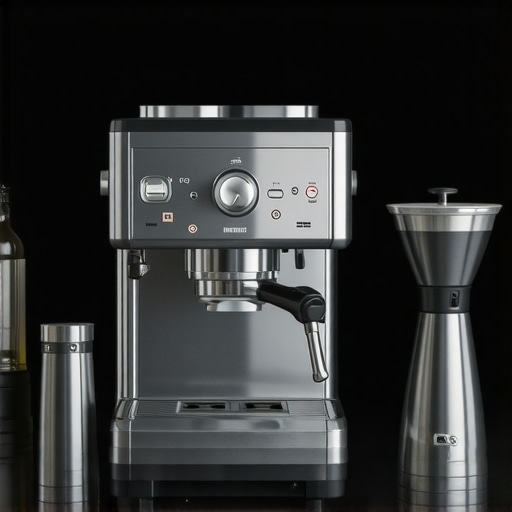
I remember the first time I tried making espresso at home. It was a mess—my machine sputtered, the coffee was bitter, and I ended up wasting more beans than I care to admit. That lightbulb moment hit hard: I needed better gear, but more importantly, I needed to understand what truly makes a good home espresso setup. Fast forward to today, I’ve learned that the right equipment isn’t just about fancy features; it’s about how well it fits into your daily routine and how much joy it brings you every morning.
Why Settling for Mediocre Coffee Just Isn’t Enough Anymore
In 2025, more coffee lovers than ever are realizing that crafting a quality espresso at home isn’t just a dream—it’s a realistic goal. The market has exploded with options, from sleek machines to precise grinders, promising barista-quality brews without the trip to a café. But with so many choices, it’s easy to get overwhelmed or, worse, settle for equipment that doesn’t match your expectations. That’s where I want to help. Together, we’ll cut through the noise and find the gear that elevates your coffee experience, whether you’re a casual sipper or an aspiring home barista.
Is the Hype About Home Espresso Machines Just Marketing Buzz?
I made the mistake early on of assuming all espresso machines were created equal. I bought a seemingly popular model based on reviews alone, only to find out it was complicated to operate and inconsistent. That’s a rookie mistake. The truth is, a good espresso machine should be user-friendly, reliable, and capable of delivering consistent results. To avoid falling into this trap, I recommend checking out expert buying guides like this detailed resource that breaks down what to look for. Trust me, investing a little time up front saves you frustration later.
Have you ever faced the disappointment of a failed brew right when you wanted that perfect cup? If so, you’re not alone. The good news is, with the right setup, you can turn your kitchen into a mini coffee shop. In the upcoming sections, I’ll share practical tips, product recommendations, and insider tricks to help you make smarter choices and enjoy barista-quality coffee at home every day.
Choose Your Perfect Espresso Machine
Start by selecting a machine that fits your skill level and space. For beginners, semi-automatic machines offer control without complexity, while pros might prefer fully automatic or manual models. Check out the top-rated options for 2024 to see what’s trending. Remember, a reliable espresso machine should be simple to operate and consistent in results, so invest time in reading reviews and tutorials.
Test Drive and Set Up
When you bring your machine home, don’t rush. Follow the manual carefully—this is crucial for optimal performance. I once hurried through initial setup, only to discover later that my tamping pressure was uneven, leading to bitter shots. Take a few practice pulls, adjust the grind size, and note how the machine responds. Proper calibration ensures your espresso is rich and balanced from the first sip.
Find the Right Coffee Grinder
Grinding fresh beans is the secret to a vibrant espresso flavor. Choose a burr grinder instead of a blade grinder; burrs produce more consistent particle size, which is essential for extraction. For 2025, the best grinders for home use feature digital controls and quick adjustments. I tested a few, and the difference in shot quality was dramatic—coarser grind caused under-extraction, while too fine led to over-extraction.
Dial in Your Grind and Dose
Start with a medium-fine grind, similar to sugar, and dose about 18-20 grams for a double shot. Use a scale to be precise—this consistency pays off. Pull test shots, then tweak the grind size incrementally. I once spent an entire morning adjusting my grinder, but once dialed in, I enjoyed perfect crema and balanced flavor. For detailed tips, check the comprehensive guide.
Master Your Extraction Technique
Proper tamping pressure (about 30 pounds of force) ensures even water flow. Use a tamper with a good grip, and press straight down—think of it as sealing the coffee evenly. Consistency here makes the difference between a flat, bitter shot and a lush, flavorful one. Practice until you can apply firm, even pressure every time. Remember, small adjustments make a big impact.
Monitor and Adjust
Watch the shot flow—aim for about 25-30 seconds for a double shot. If it’s too fast, your grind is too coarse; if too slow, it’s too fine. Tweak accordingly. I keep a shot log to track adjustments, which prevents me from overcorrecting. With patience, you’ll develop a feel for the optimal extraction, elevating your home barista skills.
Perfect Your Milk Frothing
If you enjoy lattes or cappuccinos, invest in a quality milk frother. For 2025, the top milk frothers are easy to use and produce silky microfoam. Practice steaming milk by submerging the wand just below the surface, creating a whirlpool effect. I once ruined a batch by heating the milk too quickly—then learned to control the steam for smooth texture and temperature.
Integrate with Your Setup
Combine your espresso machine with a good grinder and frother for a seamless experience. Using the comprehensive setup guide helps you coordinate gear and workflow. Once all pieces are aligned, you’ll enjoy barista-quality drinks without leaving your kitchen.
Many coffee enthusiasts believe they need the latest, most expensive espresso machine to craft a perfect shot at home. However, this is a misconception that can lead to unnecessary spending and frustration. In reality, understanding the nuances and common pitfalls can dramatically improve your brewing results. Let’s dig deeper into what most people get wrong about home espresso gear and how you can avoid these traps to elevate your coffee game.
Why Bigger Isn’t Always Better
One of the biggest myths is that larger, more feature-rich machines automatically produce better espresso. While high-end models with advanced features can be beneficial, they often come with a steep learning curve and maintenance headaches. Many seasoned baristas prefer semi-automatic machines that strike a balance between control and simplicity. For instance, a compact, well-made machine like those listed on this guide can deliver excellent results without overwhelming you. Remember, the key is how well the equipment fits into your routine, not just its size or price.
Don’t Fall Into the Automatic Trap
Automated espresso machines promise convenience but often sacrifice control. For serious home baristas, manual or semi-automatic machines offer the ability to fine-tune variables like grind size, tamping pressure, and extraction time. Relying solely on automation can lead to a generic taste, as you miss out on crucial nuances. The real secret lies in mastering these manual adjustments, which can be learned with patience and practice. Check out this resource to understand how manual control elevates your brewing skills.
” alt=”A barista adjusting manual espresso machine” title=”Mastering manual espresso brewing”/>
Beware of Over-Processing Your Coffee
Many newcomers think that grinding beans finer or tamping harder will produce a better shot. In truth, over-processing can cause over-extraction, resulting in bitter, harsh flavors. The secret is in the balance—finding the right grind size and tamping pressure. Advanced users often overlook that the grind size needs to be tailored to their specific machine and beans. Even minor adjustments can make a significant difference, so don’t get stuck in the trap of over-complicating your process. For detailed tips, consult this comprehensive guide.
Is Your Routine Sabotaging Your Coffee?
Consistency is crucial for great espresso, but many people overlook the importance of a standardized process. Variations in grind size, tamping pressure, and shot timing can lead to inconsistent results. Developing a routine—measuring dose, grinding, tamping, and timing—will help you dial in the perfect shot over time. This attention to detail separates amateur brews from professional-quality espresso. Remember, mastering your routine is as important as choosing the right equipment.
Have you ever fallen into this trap? Let me know in the comments. By understanding these hidden nuances, you can avoid costly mistakes and truly enjoy the art of home espresso brewing.
Keeping your home espresso setup in top shape requires more than just choosing the right equipment; it involves ongoing maintenance and the right tools to ensure consistent quality. Over time, even the best machines and grinders can suffer from wear and tear, clogging, or calibration drift. That’s why I prioritize specific maintenance routines and tools that have proven effective in my daily routine.
How do I maintain my espresso gear over time?
First and foremost, regular descaling is crucial, especially if you have hard water. I use a descaling solution recommended by the manufacturer—typically a vinegar-based cleaner or a commercial descaler—to prevent mineral buildup in the boiler and pipes. For my espresso machine, I run a descaling cycle every 1-2 months, depending on usage and water hardness. This ensures that the water flow remains smooth and the machine’s temperature stability is maintained, which directly impacts shot quality.
Cleaning my grinder is equally important. Coffee oils and fines can clog burrs, leading to inconsistent grind sizes. I use a specialized grinder brush and occasionally run grinder cleaning tablets through the burrs, following the manufacturer’s instructions. This routine keeps my grinder performing optimally, providing a consistent grind size that’s essential for perfect extraction.
Tools I swear by for home espresso maintenance
One tool I highly recommend is a burr grinder cleaning kit. It typically includes brushes and cleaning tablets designed to remove oils and fines from burrs without disassembling the entire grinder. This simple tool has saved me hours of troubleshooting and has extended the lifespan of my grinder.
Another essential is a calibration scale. Precise measurement of coffee dose and yield allows me to fine-tune my shots with confidence. I use a digital scale with a tare function, which ensures I always know exactly how much coffee I’m using and extracting.
For more advanced users, a tamp pressure gauge can be a game-changer. It helps develop consistent tamping force—around 30 pounds of pressure—leading to more uniform extraction. I’ve found that small adjustments in tamping force greatly influence shot quality, and this tool makes that adjustment precise and repeatable.
Looking ahead: the future of home espresso maintenance
As technology advances, we can expect more integrated maintenance solutions. Smart machines with self-cleaning cycles and remote diagnostics are already on the horizon, reducing the manual effort required. However, manual tools like brushes, scales, and descalers will remain essential for fine-tuning and personal care.
If you’re serious about elevating your home espresso craft, I encourage you to try incorporating a grinder cleaning tablet into your routine. It’s a small step that can significantly improve shot consistency and extend your gear’s lifespan. Regular maintenance isn’t just about avoiding breakdowns; it’s about unlocking the full potential of your equipment for years to come.
The Hardest Lesson I Learned About Home Espresso
One of my biggest surprises was realizing that consistency beats complexity. Early on, I chased every new gadget and feature, thinking more was better. But I discovered that mastering a simple routine—precise dosing, tamping, and timing—made a bigger difference in shot quality. This lightbulb moment taught me that focus and routine are the true secrets to great espresso at home.
3 Myths About Home Espresso That Held Me Back
I used to believe that only the most expensive machines could produce café-quality espresso. Turns out, a well-chosen semi-automatic machine paired with good technique can deliver amazing results without breaking the bank. The other myth was that grinding finer always meant better—overdoing it leads to bitterness. Learning to dial in the grind size and tamp pressure was a game-changer for my brewing skills.
What Experts Won’t Tell You About Home Brewing
Many top baristas emphasize routine and precision over flashy gear. They often recommend focusing on your technique—like consistent tamping and shot timing—more than obsessing over equipment. For example, using a digital scale to measure your coffee dose ensures repeatability and better flavor extraction. These small, mindful adjustments can elevate your home espresso from good to great.
My Essential Toolkit for Perfect Home Espresso
First, a reliable burr grinder is non-negotiable. I trust the top grinders for 2025 because they offer precise control and durability. Second, a calibrated tamper with a pressure gauge helps me apply consistent force, crucial for even extraction. Lastly, a good cleaning kit keeps my gear in top shape, ensuring every shot tastes fresh and balanced. These tools form the backbone of my home barista setup.
Where to Go from Here
If you’re ready to upgrade your home espresso experience, start by choosing equipment that matches your skill level and routine. Dive into detailed guides like this comprehensive buying guide to make informed decisions. Remember, the journey to perfect espresso is about patience, practice, and enjoying the process. You’re just a few steps away from brewing your best cup yet.
Your Turn to Try
Now that you know the insider lessons and essential tools, it’s time to put them into action. Don’t be discouraged by initial setbacks—every great barista started somewhere. With consistent practice and the right gear, you’ll soon be savoring espresso that rivals your favorite café. What’s the first step you’re excited to take? Share your plans below and join the home brewing community!
![Why 2026 AI Pressure Profiling Fails on Light Roasts [Fix]](https://espressotechguide.com/wp-content/uploads/2026/04/Why-2026-AI-Pressure-Profiling-Fails-on-Light-Roasts-Fix.jpeg)
Leave a Reply