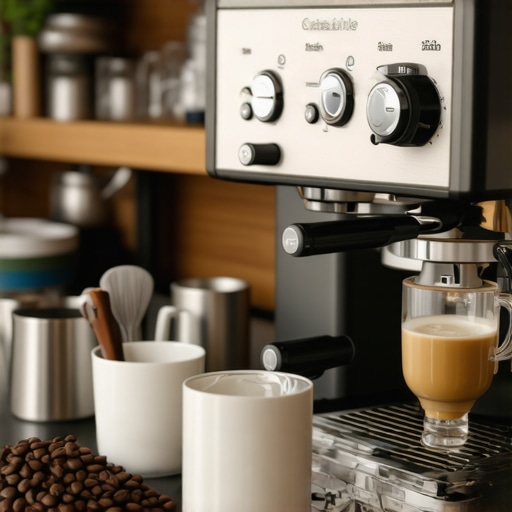
Ever had that frustrating morning where your attempt at a perfect latte ends up with burnt milk or a watery espresso? I used to think I was doing everything right, only to realize my coffee was missing that professional touch. It was a lightbulb moment—my gear was holding me back. I dove into the world of barista gear and milk frothers and discovered a whole new level of brewing excellence. Today, I want to share what I’ve learned so you can skip the costly mistakes and start brewing your perfect cup at home in 2025.
Why Your Coffee Setup Matters More Than Ever
In 2025, the line between professional barista-quality coffee and your home brew has never been thinner. With the right coffee gadgets, you can elevate your daily ritual from mediocre to magnificent. The secret? Investing in the right gear that matches your taste and lifestyle. But it’s not just about fancy equipment; it’s about understanding what makes a truly good coffee setup and how to avoid common pitfalls that can sabotage your efforts.
Over the years, I’ve made my share of mistakes—buying the wrong grinder, skimping on a quality milk frother, or rushing into a purchase without research. Trust me, I’ve learned the hard way that even small missteps can compromise your coffee quality. According to a 2024 report by the Specialty Coffee Association, the right equipment can significantly enhance flavor extraction and texture, making every cup a delight rather than a disappointment.
Have you ever felt overwhelmed by the sheer number of options and unsure if you’re wasting money on gear that doesn’t deliver?
If you nodded yes, you’re not alone. That’s exactly why I’m here—to help you navigate this maze and find the gear that truly makes a difference. Whether it’s choosing a powerful yet compact home espresso machine or a foolproof milk frother, I’ll guide you through the essentials that will turn your kitchen into a mini coffee shop.
So, are you ready to stop guessing and start brewing with confidence? Let’s explore the must-have tools and tips that will help you craft barista-quality coffee every single day. Trust me—your taste buds will thank you.
Select the Right Espresso Machine
Start by choosing an espresso machine that matches your skill level and budget. For beginners, a semi-automatic machine offers control without overwhelming complexity. If you’re more experienced or want convenience, consider investing in a fully automatic or super-automatic model. Research options like the best home espresso machines for coffee lovers in 2024 to compare features and reviews. 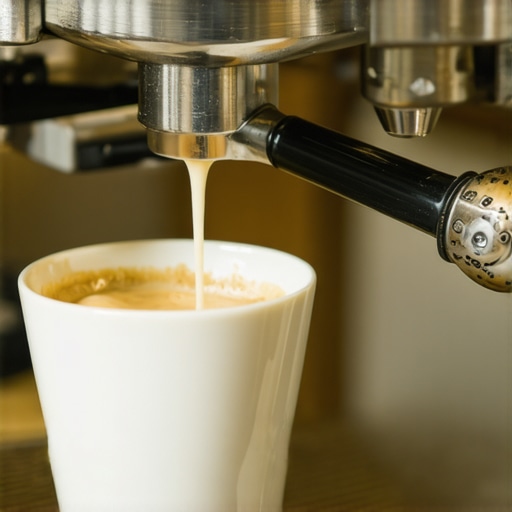
Prepare Your Coffee Grind Properly
Use a high-quality coffee grinder to achieve a consistent, fine grind that’s essential for a rich extraction. Avoid pre-ground coffee; fresh grind just before brewing. Set your grinder to the right setting—too fine can cause over-extraction, too coarse results in weak flavor. I once tried a cheap blade grinder; the uneven grind made my espresso taste flat. After switching to a burr grinder, my shots improved dramatically. For guidance, check out the best coffee grinders for espresso in 2025.
Master the Art of Milk Frothing
Investing in a good milk frother is crucial for creamy, velvety milk. Manual steam wands give you control, but they require practice. If you prefer ease, a high-quality electric frother or an automatic steam wand can do the job with less fuss. I learned to froth milk by watching tutorials and practicing patience—initially, my milk was either too hot or too frothy. Over time, I mastered the technique, resulting in café-quality microfoam. For top-rated options, see the best milk frothers for home baristas in 2025.
Perfect Your Technique
Consistency is key. Use a thermometer to keep milk between 140°F and 150°F—hot enough for a good texture, but not so hot that it burns. Position your steam wand just below the surface of the milk to create microfoam, then submerge deeper to heat evenly. I once rushed this step and ended up with scalded milk, ruining the flavor. Now, I focus on slow, steady movements, which consistently produce smooth, glossy milk. Practice makes perfect, and soon you’ll produce barista-quality milk every time.
Combine and Brew
With your espresso shot ready and milk perfectly frothed, pour the milk into the espresso with a gentle swirl to combine. Use a spoon to hold back the foam if you want a layered effect, or pour directly for a uniform crema. Remember, the order and technique matter—practice until your pour is smooth and consistent. I once tried to rush my pour, resulting in a messy look, but with patience, I achieved the perfect latte art. Keep experimenting and refining your process for the best results.
Many coffee enthusiasts believe that investing in high-end equipment guarantees perfect brewing results. However, the real challenge lies in understanding the nuances and avoiding common pitfalls that can derail even the most expensive setups. One of the most overlooked aspects is the importance of consistent technique, especially when it comes to timing and temperature control. For instance, even with a top-tier espresso machine, inconsistent tamping pressure or uneven grinding can lead to under-extraction or over-extraction, resulting in bitter or flat coffee. According to a 2024 study by the Specialty Coffee Association, precision in grind size and tamping pressure can improve extraction quality by up to 30%, emphasizing that technique trumps equipment in many cases. Moreover, many home baristas fall into the trap of relying solely on automatic machines without mastering manual control, which can limit the ability to fine-tune the flavor profile. It’s essential to understand that even with automatic gear, adjustments in grind size, dose, and tamping are crucial for achieving the desired taste.
Are You Making These Advanced Mistakes That Sabotage Your Coffee?
One common myth is that a higher coffee grind setting always leads to better extraction. In reality, a coarse grind can cause weak, sour shots because water flows too quickly through the coffee. Conversely, too fine a grind can clog the machine or cause bitterness. The key is to experiment and calibrate your grinder carefully—don’t assume that more expensive means better results without proper technique. Another mistake is neglecting the importance of water quality. Hard water or water with impurities can significantly affect flavor and even damage your equipment over time. Using filtered or bottled water can make a noticeable difference, as recommended by barista experts. Lastly, many home brewers underestimate the impact of preheating their equipment. A cold machine or cup can cool down your shot quickly, ruining the crema and flavor. Always preheat your espresso machine and cups for consistent results.
Have you ever fallen into this trap? Let me know in the comments.
Maintaining your coffee gear is just as crucial as choosing the right equipment in the first place. Over time, even the best machines and accessories require regular care to keep delivering that fresh, flavorful brew you love. From descaling your espresso machine to sharpening your grinder, consistent upkeep not only extends the lifespan of your tools but also ensures each cup is as good as the first. I personally schedule monthly cleaning routines, especially for my espresso machine and grinder, to prevent buildup of oils and minerals that can compromise flavor. This simple habit has saved me from costly repairs and flavor disappointments.
Investing in high-quality tools designed for long-term use can make maintenance easier. For example, a durable burr grinder with easily accessible parts allows for quick cleaning without disassembling the entire unit. Similarly, a good milk frother with removable components simplifies regular cleaning, which is key to preventing bacterial buildup and maintaining perfect microfoam. I recommend choosing gear that comes with clear cleaning instructions and readily available replacement parts — this makes routine maintenance less of a chore and more of a habit.
Looking ahead, I believe the trend in coffee tool maintenance will shift toward smarter, self-cleaning devices. Manufacturers are already integrating sensors that alert you when a machine needs descaling or parts replacement, reducing guesswork and ensuring optimal performance. This technological evolution will likely become standard, making home barista setups even more reliable in the future.
How do I keep my coffee equipment in top shape over time?
The key is creating a regular maintenance schedule tailored to each tool. For espresso machines, descaling every 3-6 months depending on water hardness is essential. Using filtered water not only improves flavor but also reduces mineral buildup, which prolongs the life of your machine. For grinders, periodic burr replacement and calibration ensure consistent grind size, directly impacting your shot quality. Refer to your equipment’s manual or trusted guides like the ultimate guide to home espresso gear for detailed maintenance tips.
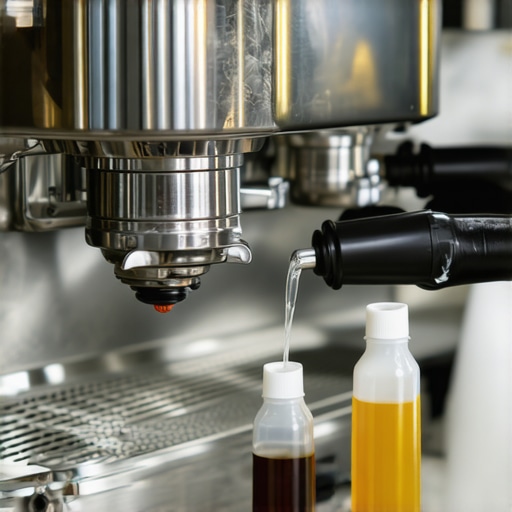
Tools I recommend for maintaining optimal performance include a high-quality cleaning brush for grinders, descaling solutions compatible with your machine, and a calibration kit for grinders. These small investments can significantly improve the longevity and consistency of your setup. Remember, a little proactive maintenance goes a long way in preserving your gear’s performance and your coffee’s quality. So, try scheduling a monthly cleaning and see how much more enjoyment you get from your brews — your taste buds will thank you for it!
What I Wish I Knew Before Diving into Home Barista Life
- Don’t underestimate the power of precision. Early on, I thought a good coffee machine was enough, but I learned that fine-tuning grind size and tamping pressure makes all the difference. Small adjustments can turn a bland shot into a flavorful masterpiece.
- Water quality is often overlooked. Using filtered water significantly improved my coffee’s taste and extended my equipment’s lifespan. It’s a simple step that pays off big time.
- Consistent maintenance saves money and flavor. Regular descaling and cleaning aren’t just chores—they’re investments in your brewing future. I found that a quick monthly routine prevents costly repairs and keeps my coffee tasting fresh.
- Invest in gear that matches your skill level. Starting with a semi-automatic espresso machine gave me control without overwhelm, and upgrading gradually kept my journey enjoyable instead of frustrating.
- Patience is key in mastering milk frothing. It took time to get silky microfoam, but once I did, the creamy texture elevated my drinks to café quality. Practice and proper technique are your best friends here.
My Toolbox for Coffee Success
- A high-quality coffee grinder—for consistent grind size, I trust burr grinders that are easy to calibrate.
- A reliable espresso machine—my choice is a semi-automatic that balances control and simplicity.
- A top-rated milk frother—for silky microfoam that makes your drinks Instagram-worthy.
- Cleaning supplies and descaling solutions—regular upkeep extends equipment life and preserves flavor.
- Additional accessories like a thermometer and tamping mat—small tools that improve consistency and quality.
Your Next Coffee Adventure Starts Now
Embracing the art of home barista setup in 2025 means more than just buying equipment—it’s about understanding the craft and enjoying the journey. Every perfect shot, every velvety milk foam, is a step toward elevating your daily ritual. Remember, even the best gear is only as good as the technique behind it. So, experiment, learn, and most importantly, savor each cup you craft. Your taste buds—and your inner barista—will thank you for taking this leap.
What’s the biggest challenge you’ve faced in setting up your home coffee station? Share your story below—I’d love to hear about your journey to perfect brew!
![Why 2026 AI Pressure Profiling Fails on Light Roasts [Fix]](https://espressotechguide.com/wp-content/uploads/2026/04/Why-2026-AI-Pressure-Profiling-Fails-on-Light-Roasts-Fix.jpeg)
Leave a Reply