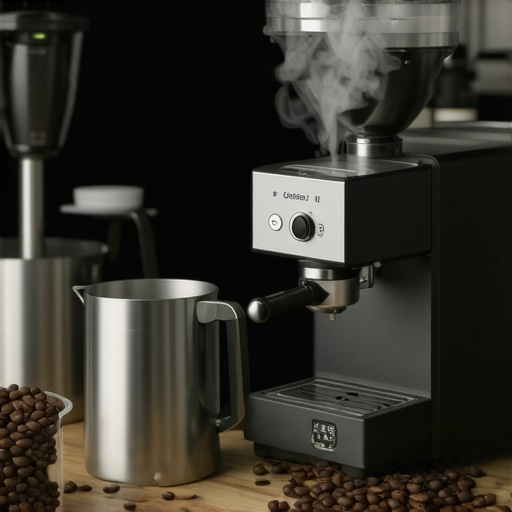
I remember the first morning I finally decided to upgrade my home coffee setup. I eagerly unpacked my new grinder and milk frother, only to be met with a frustrating swirl of inconsistent grinds and a milk foam that resembled whipped cream more than velvety microfoam. It was a classic lightbulb moment—realizing that the quality of my coffee depended heavily on the tools I chose, not just my beans or brewing technique.
Fast forward to today, and I can confidently say that investing in the right coffee grinder and milk frother has transformed my daily ritual into a true barista experience. No more disappointment, just rich espresso shots and luscious milk textures that rival your favorite café. If you’re tired of wasting money on mediocre coffee or feeling overwhelmed by the endless options, you’re in the right place. Today, I’ll guide you through selecting the best gear for 2025, so you can craft coffee that’s consistently perfect, right in your own kitchen.
Why Your Coffee Setup Might Be Holding You Back
It’s easy to fall into the trap of thinking that quality beans alone make great coffee. But I’ve learned that even the freshest beans can be wasted if your grinder is subpar or your milk frother isn’t up to the task. Early on, I made the mistake of buying a cheap grinder that couldn’t grind evenly, leading to inconsistent extraction and bitter shots. Trust me, that’s a mistake you don’t want to repeat.
Today’s market offers incredible options designed to bring professional quality into your home. From top coffee grinders for espresso lovers to milk frothers that create microfoam effortlessly, there’s a perfect setup waiting for every enthusiast. My goal with this guide is to help you cut through the noise, avoid costly mistakes, and make a purchase that elevates your morning routine.
Is All the hype around home barista gear really worth it?
Absolutely. I initially hesitated, thinking I could get by with less. But investing in quality equipment has paid off tenfold. According to a recent study, the consistency of grind size directly impacts espresso quality, making a high-quality grinder a must (source: National Coffee Association). If you’re serious about your coffee, this is one area where compromises just aren’t worth it.
With the right gear, you’ll see a noticeable difference in every cup. Ready to dive into the details? Let’s explore the best options for 2025 and how to choose the perfect tools tailored to your home setup.
Choose the Right Grinder for Consistent Results
Start by selecting a high-quality coffee grinder that can produce uniform grind sizes. I once tried to save money by buying a cheap grinder, but my espresso shots were bitter and inconsistent. Instead, I invested in a burr grinder, which offers precise control over grind settings. When I first tried to dial in my grind, I took a messy approach—adjusting the grind size, pulling a shot, and tasting. It was noisy and messy, but I learned that small tweaks make a big difference. Aim for grinders recommended in the top coffee grinders for espresso lovers to ensure you get the grind consistency needed for perfect extraction.
Master the Art of Espresso Extraction
Once your grinder is dialed in, focus on your brewing technique. Use fresh, high-quality beans and measure your dose precisely—most baristas recommend around 18-20 grams for a double shot. Preheat your espresso machine thoroughly, as temperature stability influences extraction quality. When I first attempted this, I set my machine to the right temperature, tamped firmly and evenly, and watched the shot flow—aiming for a rich, caramel-colored crema that indicates proper extraction. A few bad shots taught me to pay attention to extraction time; ideally, it should take about 25-30 seconds. Use a timer to keep consistency and avoid over or under-extraction.
Froth Milk Like a Pro
Switching gears to milk, I found that microfoam is key to a café-quality latte. Start with cold, fresh milk—whole milk gives the creamiest texture. Pour the milk into your frothing pitcher, then submerge the tip of your milk frother just below the surface. Turn it on and listen—if it’s hissing, you’re creating microfoam; if it’s splattering, adjust your angle. I once struggled with large bubbles and uneven froth until I learned to position the steam wand correctly and stretch the milk gently. For consistent microfoam, focus on creating a whirlpool effect, then lower the wand to heat the milk evenly. Check out the best milk frothers for effortless microfoam to find the right tool that fits your setup.
Perfect Your Setup with the Right Accessories
Beyond the core gear, accessories matter. A good tamper, thermometer, and cleaning brush keep your equipment in top shape. I keep my tamping consistent by applying firm, even pressure, which I learned from watching professional baristas. Regularly cleaning your grinder and steam wand prevents old coffee oils from tainting flavors. For a visual guide, see the barista accessories that elevate your home setup. Proper maintenance ensures each shot and milk foam is as good as the last.
Refine Your Technique and Equipment Over Time
Finally, patience is crucial. Spend time experimenting with your grind size, dose, extraction time, and milk steaming technique. I kept a journal of my settings and results, which helped me track what worked best. Upgrading gradually to better equipment, like a more powerful espresso machine or a precision milk frother, can elevate your coffee game even further. Remember, the goal is consistency, so invest in gear and techniques that you can rely on daily. For detailed advice on selecting the perfect machine, check out buying tips for home espresso gear to make informed decisions.
Many coffee enthusiasts fall prey to misconceptions about the gear they need for perfect home brewing. Let’s debunk some of the most common myths and shed light on nuanced truths that can elevate your coffee game. If you’ve ever fallen into these traps, know that understanding the real story can save you money and frustration.
Why More Expensive Isn’t Always Better for Your Setup
It’s a widespread belief that buying the priciest espresso machine or grinder guarantees café-quality drinks. While high-end gear often offers better durability and precision, it doesn’t automatically mean better taste for every user. The key is selecting equipment that matches your skill level and routine. For example, a top-tier machine can be a waste if you’re still mastering tamping or grind size adjustments. Conversely, a well-chosen mid-range machine paired with proper technique can outperform an expensive one in your hands. Focus on matching your gear to your skill and goals—quality and compatibility matter more than price alone. For guidance, check out the best barista gear for home in 2025.
Getting the Timing Right Is More Important Than Equipment
Many believe that advanced equipment will fix all timing issues during extraction. But even with the best grinder or machine, over- or under-extraction often stems from technique. For instance, tamping pressure, dose measurement, and extraction time are critical factors that equipment alone can’t resolve. I’ve seen skilled baristas produce excellent shots on modest machines simply by paying close attention to these details. The real nuance lies in learning how your equipment responds and adjusting accordingly. So, don’t rely solely on advanced gear—master your timing first. For detailed tips, explore the buying tips for home espresso gear.
Investing Heavily in Accessories Is Overkill
It’s tempting to think that buying all the fancy accessories—premium tampers, scales, or milk frothing pitchers—will instantly improve your coffee. While these tools can help refine your process, they’re not magic. The most common mistake is believing that accessories compensate for poor technique or inadequate equipment. Instead, focus on mastering the fundamentals first, then gradually add accessories that genuinely enhance your workflow. A quality tamper and accurate scale are worth investing in, but don’t fall for the trap of buying every gadget advertised as essential. For more on must-have accessories, see the barista accessories guide.
Advanced Equipment Doesn’t Eliminate the Learning Curve
Finally, many assume that upgrading to the latest gear will shortcut the learning process. In reality, even top-tier machines have a learning curve—adjusting grind size, tamping, and extraction parameters takes time. An advanced machine can offer consistency and precision, but it doesn’t replace the need to understand your process deeply. Like any skill, making great coffee requires practice and patience, regardless of gear. So, don’t think of equipment as a shortcut; see it as a tool to support your learning. For insights on selecting equipment that grows with your skills, visit the top coffee grinders for 2025.
Understanding these nuances helps you avoid costly mistakes and accelerates your journey to excellent coffee at home. Have you ever fallen into this trap? Let me know in the comments!
Investing in quality coffee gear is just the beginning; maintaining it properly ensures your equipment continues to deliver exceptional results. For instance, I personally swear by regularly cleaning my milk frother with a descaling solution every few months. This simple step prevents milk residue buildup, which can impair steam performance and affect milk texture. Additionally, I use a dedicated cleaning brush for my coffee grinder burrs, ensuring no old coffee grounds interfere with grind consistency. Regular upkeep extends the lifespan of your equipment and preserves the integrity of your brews.
One technique I recommend is keeping a maintenance schedule—set reminders to descale, clean, and calibrate your devices. For example, high-end espresso machines often have automatic cleaning cycles, but manual cleaning of removable parts like drip trays and water reservoirs keeps everything running smoothly. When I neglected this, I noticed my shots became less flavorful, which was a clear sign that buildup was affecting temperature stability and extraction. Staying on top of maintenance not only prolongs your gear’s life but also guarantees that each shot or latte remains consistently excellent.
Looking ahead, I believe the trend is moving toward smarter, more self-maintaining machines. Some upcoming models will include sensors that notify you when descaling or cleaning is needed, making upkeep almost effortless. For now, I suggest adopting a proactive approach—regularly inspect and clean your gear, and replace worn parts like gaskets or seals before they cause issues. These small habits will save you time and money in the long run and ensure every cup is as good as the first.
How do I maintain my coffee equipment over time?
The key is developing a routine that fits your setup and usage. I dedicate about 10 minutes after every few uses to clean my grinder burrs and wipe down my espresso machine. For deeper maintenance, I follow manufacturer instructions and use recommended cleaning products, which you can find in guides like this comprehensive resource. Investing in a high-quality cleaning kit can streamline this process. Also, pay attention to signs of wear—if your steam wand leaks or your grinder’s motor sounds strained, replacing parts early can prevent costly repairs and downtime. By following these steps, you keep your gear performing at peak level, ensuring every brew is flawless.
Remember, the longevity of your equipment directly impacts your coffee quality. Taking the time to maintain your setup is an investment that pays off in rich flavors and consistent results. Try scheduling regular cleanings today; your taste buds will thank you!
The Hardest Lesson I Learned About Home Coffee Equipment
One of my biggest surprises was realizing that even premium beans can be wasted without the right grinder. I initially thought that upgrading my espresso machine alone would improve my coffee, but I overlooked the importance of a consistent grind. Switching to a burr grinder and learning how to adjust it taught me that precision in grinding is the foundation of great espresso.
3 Myths About Home Coffee Gear That Held Me Back
I used to believe that expensive equipment always meant better coffee. That’s not true—matching your gear to your skill level is crucial. Also, I thought that more accessories would drastically improve my brew, but mastering technique first made the biggest difference. Finally, I assumed that equipment upgrades would instantly fix timing issues, but technique and timing are what truly matter for perfect extraction.
What Experts Won’t Tell You About Crafting Perfect Coffee at Home
Even with top-tier gear, consistency comes from practice and maintenance. Regular cleaning of your grinder and steam wand keeps flavors pure and equipment functioning smoothly. Developing a routine, like scheduling weekly deep cleaning, prevents buildup and prolongs your equipment’s lifespan. This proactive approach ensures every cup tastes as good as the first.
Curated Recommendations for Your Coffee Journey
For gear, I trust the top coffee grinders for espresso lovers because they offer precise control and durability. When it comes to milk frothers, the best milk frothers for microfoam have transformed my lattes. I also highly recommend reading the buying guide for home espresso gear to make informed choices. Lastly, for maintenance tips, the barista accessories guide has been invaluable.
Your Turn to Try and Elevate Your Coffee Game
Remember, the journey to excellent home coffee is ongoing. Start with the fundamentals, invest wisely in gear that matches your skills, and develop a routine for maintenance. Every step brings you closer to barista-quality drinks every morning. Don’t let hesitation hold you back—your perfect cup is within reach. What’s the first upgrade you plan to make in your home coffee setup? Let me know below and share your experiences!
![Why 2026 AI Pressure Profiling Fails on Light Roasts [Fix]](https://espressotechguide.com/wp-content/uploads/2026/04/Why-2026-AI-Pressure-Profiling-Fails-on-Light-Roasts-Fix.jpeg)
Leave a Reply