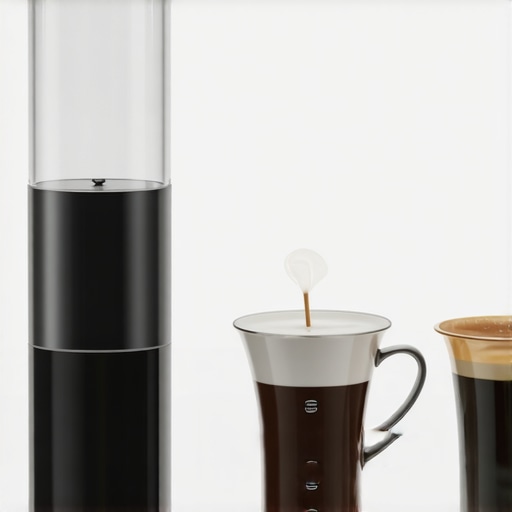
I’ll never forget that morning I tried brewing my first espresso at home, only to end up with a bitter, uneven shot that made me question whether I was cut out for this whole barista thing. It was frustrating, confusing, and honestly a bit embarrassing. But that lightbulb moment hit me hard: the secret to consistently great coffee isn’t just about the machine—it’s about the tools I use and how I use them. Ever been there? If so, you’re not alone, and good news: there’s a way to turn that coffee disappointment into your daily ritual of perfection.
Why Your Coffee Setup Might Be Holding You Back
Many home baristas, myself included, start with high hopes but quickly get bogged down by the details. The truth is, selecting the right coffee grinder and milk frother can transform your experience from frustrating to fabulous. A good grinder ensures your beans are evenly ground, which means better flavor extraction. Meanwhile, a quality milk frother turns simple milk into velvety foam that makes every cup feel special. But, here’s the catch: with so many options on the market, how do you know you’re choosing what truly makes a difference?
Is All the Hype About Coffee Gadgets Actually Worth It?
Let me be real—early on, I made the mistake of thinking that a fancy machine alone would do the trick. I bought an expensive espresso machine, but skipped on a decent grinder. The result? Underwhelming shots and wasted beans. The mistake was thinking that equipment alone could fix my brewing flaws. Trust me, the right tools matter, but so does how you use them. Today, I’ll help you cut through the noise and find the gear that genuinely elevates your home coffee game, backed by proven tips and my own trials. Curious? Let’s dive into what makes the best coffee tools for 2025 so essential for your daily brew.
Choose the Right Coffee Grinder for Consistent Results
Start by selecting a high-quality coffee grinder that offers precision and durability. I remember when I first upgraded mine—swapping out a cheap blade grinder for a burr grinder completely changed my brew. Burr grinders produce uniform grounds, which means your espresso extracts evenly, avoiding bitterness and sourness. To get the best bang for your buck, look for models with adjustable grind settings and consistent performance. Once you have the right grinder, set it to the ideal fineness for espresso—generally a fine grind—and stick with it to maintain consistency.
Master the Grinding Technique
Grinding just before brewing preserves freshness and flavor. When I first tried grinding in advance, I noticed a decline in aroma and taste. Measure your beans carefully—about 18-20 grams for a double shot—and grind directly into your portafilter. Use a scale for accuracy. During my trial, I found that a slight adjustment in grind size could significantly improve shot quality. If your coffee pulls too quickly, make the grind finer; if it’s slow or watery, go coarser. Practice makes perfect, so don’t hesitate to tweak small increments until your shot flows like honey.
Opt for a Quality Milk Frother to Elevate Your Lattes
The right milk frother can turn plain milk into a silky, creamy foam that elevates your coffee experience. I once tried a cheap handheld frother, but it didn’t create stable microfoam. Upgrading to an electric frother with adjustable temperature controls made all the difference. Use cold, fresh milk—whole milk works best for rich foam—and submerge the tip just below the surface. Turn it on and move it in small circles. After a few seconds, you’ll see the milk double in volume and develop that velvety texture. For barista-quality milk, aim for a temperature of around 140°F (60°C), which avoids scalding and preserves sweetness.
Perfect Your Frothing Technique
Hold the frother steady and keep the milk pitcher slightly tilted. When I first learned this, I found that swirling the milk after frothing helped achieve that glossy, uniform microfoam. Practice is key—start with small batches to get comfortable. Once done, tap the pitcher on the counter and swirl to eliminate larger bubbles. The goal is smooth, shiny milk that pours beautifully. If you want to replicate those barista latte art designs, mastering the microfoam texture is essential. Remember, patience and finesse make the difference between decent and exceptional milk.
Combine and Refine Your Workflow
After mastering the grinder and frother, integrate them into your routine. Grind your beans immediately before brewing to preserve freshness. Froth your milk while your espresso pulls—timing is everything. I found that preparing everything beforehand and having a clean workspace reduces stress and improves results. Don’t forget to regularly clean your tools; residue buildup can spoil flavor and foam quality. With practice, these steps become second nature, turning your humble kitchen into a professional-grade coffee station.
Looking for more gear recommendations? Check out the best coffee grinders and milk frothers for 2025 to see top-rated models that fit your budget and style. Remember, the key isn’t just the equipment but how you use it to craft your perfect cup every day.
When it comes to brewing coffee at home, many enthusiasts make assumptions that hinder their progress. Let’s dig deeper into what most people get wrong, and uncover some hidden nuances that can elevate your coffee game. Have you ever fallen into this trap? Let me know in the comments.
Why Overemphasizing Equipment Can Backfire
It’s a common belief that owning the latest, most expensive coffee machine guarantees perfect espresso. While high-quality equipment is essential, relying solely on it without mastering fundamental techniques often leads to disappointment. For instance, an excellent grinder paired with a subpar technique will still produce mediocre results. The real secret lies in understanding how to use your tools effectively—such as dialing in your grind size or tamping pressure—and not just buying the most expensive gear.
The Trap of Perfecting Grind Size Without Context
Many home baristas obsess over finding the perfect grind size, but this can be misleading. The optimal grind depends on multiple factors, including your machine’s pressure, ambient humidity, and even the freshness of your beans. A finer grind isn’t always better; it can cause over-extraction and bitterness if not adjusted for your specific setup. Think of grind size as part of a complex recipe, not a one-size-fits-all solution. Regularly testing and adjusting based on your equipment and beans will yield better results than following generic advice.
Microfoam and Milk Texture—More Than Just Technique
Many assume that creating microfoam is just about technique, but there’s a hidden nuance: milk composition. The fat content, freshness, and temperature all influence foam stability and texture. Whole milk generally produces richer microfoam, but some alternatives like oat or almond milk can also work if prepared correctly. Moreover, the temperature at which you steam the milk affects its ability to hold microfoam. Steaming milk to around 140°F ensures a silky texture without risking scalding, which can ruin both taste and foam quality. For advanced baristas, understanding how milk chemistry interacts with steaming variables is key to consistent excellence.
Are Higher Pressure Machines Always Better?
It’s a myth that machines with higher pressure ratings automatically make better espresso. In reality, espresso extraction depends more on how well you control variables like water temperature, grind consistency, and tamping. Machines designed for home use often operate at around 9 bars of pressure, which is sufficient for brewing excellent espresso when used correctly. Pushing for higher pressure can sometimes lead to over-extraction and bitter shots if other factors aren’t adjusted accordingly. The focus should be on mastering your current equipment rather than chasing unrealistic specs.
Understanding these nuances can save you time, money, and frustration. Remember, the key to great coffee isn’t just about buying top-tier tools but knowing how to use them properly. If you want to dive deeper into the best gear and techniques, check out the best coffee grinders and milk frothers for 2025. Happy brewing!
Maintaining your coffee setup over time is crucial to ensuring consistently excellent results. I personally swear by a few key practices and tools that help me keep my equipment running smoothly and my coffee tasting fresh. One essential tip is to regularly clean your grinder and espresso machine. Residue buildup can significantly affect flavor and machine performance. For instance, I clean my burr grinder with a specialized grinder cleaning powder every two weeks, which prevents old coffee oils from tainting new beans. Similarly, descaling my espresso machine every month with a manufacturer-recommended descaler keeps water flow optimal and prevents calcification, extending the lifespan of my gear. Choosing the right cleaning tools is just as important; I use a dedicated cleaning brush for my grinder and descaling tablets for my machine. Additionally, replacing worn-out parts like seals and gaskets periodically prevents leaks and ensures proper pressure and temperature control. Staying on top of these maintenance routines not only preserves the quality of your brews but also saves you money in the long run. Looking ahead, I believe the trend toward smart, automated cleaning systems will grow, making maintenance even easier and more efficient. To make maintenance easier, I recommend scheduling a monthly cleaning routine—set reminders on your phone or calendar to stay consistent. And when in doubt, consult your equipment’s manual or manufacturer’s website for specific care instructions. Remember, a well-maintained setup is the backbone of great coffee—don’t overlook it! For detailed step-by-step guides, check out this comprehensive maintenance guide.
The Hardest Lesson I Learned About Home Coffee Perfection
One of the biggest realizations I had was that even the most expensive espresso machine can’t compensate for poor technique. I used to think that upgrading my gear alone would elevate my coffee, but I learned that mastering the basics—like tamping pressure and grind size—was far more impactful. This lightbulb moment taught me to focus on technique before splurging on new gadgets.
3 Myths About Coffee Gear That Held Me Back
For a long time, I believed that higher pressure machines automatically made better espresso. Turns out, pressure alone isn’t the magic bullet; consistent control over water temperature and grind quality matters more. Debunking these myths helped me avoid unnecessary expenses and focus on what truly improves flavor.
What Experts Won’t Tell You About Microfoam and Milk
Most people think creating microfoam is just about technique, but milk composition plays a crucial role. Whole milk generally produces better microfoam, but experimenting with alternatives like oat milk can be rewarding if you understand how temperature and steaming technique interact. This deeper knowledge transformed my milk frothing from guesswork to art.
Where to Go from Here
If you’re serious about elevating your home coffee game, investing in quality tools like the best coffee grinders and milk frothers for 2025 is a smart move. Remember, mastering your current equipment and routine will always trump chasing the latest tech. Keep experimenting, and you’ll find your perfect brew is within reach.
Your Turn to Try
Are you ready to re-evaluate your coffee setup and focus on technique? Share your experiences or ask questions below—let’s brew better together!
![Why 2026 AI Pressure Profiling Fails on Light Roasts [Fix]](https://espressotechguide.com/wp-content/uploads/2026/04/Why-2026-AI-Pressure-Profiling-Fails-on-Light-Roasts-Fix.jpeg)
Leave a Reply