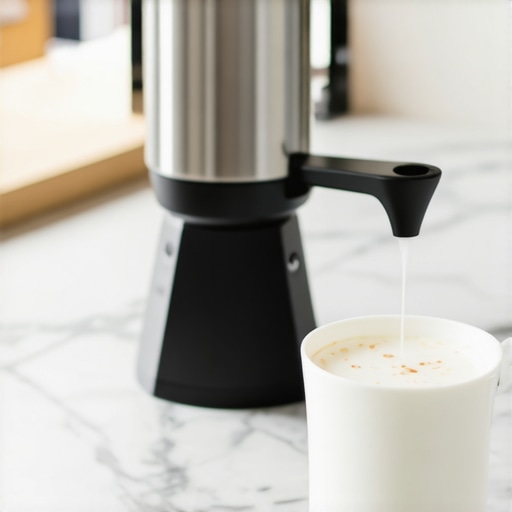
Ever brewed that perfect espresso only to be met with a flat, lackluster crema? I’ve been there. One morning, after a frustrating attempt to make my favorite cappuccino, I realized that my grind size was all wrong, and my milk frother was barely frothing. It hit me—if I want that barista-quality coffee at home, I need better gear. Not just any gear, but the right tools that make the difference between a decent cup and a truly exceptional one.
Why settling for mediocre at-home coffee feels like a missed opportunity
In a world where coffee culture is thriving, the gap between what you buy at a coffee shop and what you make at home can be huge. Honestly, I used to think investing in top-tier equipment was unnecessary—until I tasted the difference. The secret isn’t just in the beans, but in how you grind them and froth your milk. The right coffee grinder and milk frother can elevate your daily brew to a whole new level. And trust me, once you experience that rich aroma and silky texture, there’s no going back.
Is It Really Worth the Hype? My Early Mistake
Early on, I bought a cheap grinder, thinking any grind was good enough. Spoiler: it wasn’t. My coffee was uneven, bitter, and the frother just sputtered milk instead of creating that velvety foam. It was a classic rookie mistake—thinking quality doesn’t matter. Now, I know better. Investing in a high-quality coffee grinder and a good milk frother is like upgrading your taste buds. It’s a game changer. If you’ve faced similar frustrations, don’t worry. I’ll walk you through what to look for and how to avoid my mistakes so that you can craft barista-level coffee every morning.
Choose Your Espresso Machine Wisely
Start by selecting an espresso machine that fits your budget and space. For beginners, a semi-automatic machine offers control without overwhelming complexity. Look for models with consistent temperature stability and easy maintenance. I once bought a budget machine, but I quickly realized that investing a bit more in a high-quality espresso machine pays off in flavor and reliability. Test different machines by reading reviews and comparing features to find the best fit.
Master Your Coffee Grinder
Grinding fresh coffee is essential. Think of your grinder as the backbone of your brew; even the best beans can’t shine without a proper grind. I once experimented with a cheap grinder that produced uneven particles, leading to bitter shots. Upgrading to a top-tier coffee grinder transformed my espresso. Set your grinder to a fine yet consistent texture, akin to powdered sugar. Adjust in small increments and test brew until you find the sweet spot.
Perfect Your Milk Frothing Technique
Frothing milk is an art. Use a quality milk frother that heats and aerates milk evenly. Think of frothing as creating a velvety cloud—start with cold milk, insert the steam wand just below the surface, and listen for a gentle hissing. I once over-foamed milk, ending up with a bubbly mess, but with practice, I learned to control the steam wand for silky microfoam. Keep the wand moving in a slight circular motion and stop once the milk reaches 140°F.
Align Your Workflow for Consistency
Develop a routine: grind, dose, tamp, brew, and froth in that order. Consistency is key. I once rushed through my process, resulting in a weak shot. After adopting a step-by-step routine, my espresso improved dramatically. Use a tamper with consistent pressure—about 30 pounds of force—and ensure the coffee bed is even. Pre-wet your coffee grounds if your machine allows, to enhance extraction. This disciplined approach guarantees a rich crema and balanced flavor.
Fine-tune Your Settings and Technique
Adjust your grind size, tamp pressure, and brew time based on taste. If your espresso is too bitter, try a coarser grind; if sour, go finer. I once had a shot that was too acidic, so I adjusted my grinder to a slightly coarser setting and improved the flavor. Keep notes of your adjustments to replicate success. Experiment with extraction times between 25-30 seconds for optimal flavor. Remember, small tweaks lead to big improvements in home barista results.
Maintain Your Equipment Regularly
Clean your espresso machine and grinder weekly. Scale buildup affects temperature and pressure, compromising flavor. I keep a schedule: after every few uses, I backflush my machine and descale monthly. Use descaling solutions recommended by your machine’s manufacturer. Clean the steam wand after each use to prevent milk buildup, which can cause clogs. Proper maintenance ensures consistent performance and prolongs your equipment’s lifespan.
Many aspiring home baristas believe that simply owning high-end equipment guarantees perfect coffee. However, the reality is more nuanced. For instance, there’s a widespread myth that buying the most expensive espresso machine or grinder automatically results in better quality. While premium gear helps, understanding the subtle details like grind consistency or tamping pressure actually makes a significant difference.
One critical mistake I see frequently is assuming that all coffee grinders are equal. In fact, not all grinders produce the same grind quality. Cheaper models often have inconsistent particle sizes, leading to uneven extraction and bitter or sour shots. Investing in a quality grinder with burrs that can be fine-tuned is essential for that barista-level shot.
Another area where many stumble is milk frothing. There’s a common misconception that any foam will do. But creating microfoam that’s silky and smooth requires technique and the right tools. Using a proper milk frother, along with mastering the steam wand’s position and timing, transforms your milk into a velvety cloud that enhances every espresso.
Why do some espresso machines underperform even when they’re considered good?
This is a question I often get from advanced enthusiasts. The answer lies in details like temperature stability, pressure profiling, and maintenance. Even the best-looking machine can falter if it’s not properly calibrated or cleaned regularly. According to coffee science experts, consistent extraction relies heavily on maintaining stable brewing parameters—something that requires understanding your equipment and not just buying it.
Furthermore, many overestimate the importance of initial setup and overlook routine maintenance, which can cause flavor degradation over time. Scale buildup, for example, can cause temperature fluctuations and pressure drops, leading to dull or bitter shots. Regular descaling and cleaning are vital, even with high-end machines.
So, next time you’re upgrading your gear, remember that mastery over technique, routine maintenance, and understanding your equipment’s nuances are just as important as the gear itself. Don’t fall into the trap of thinking that gear alone can make you a barista. If you want to refine your skills further, check out my comprehensive guides on home espresso machines and coffee grinders. Have you ever fallen into this trap? Let me know in the comments.
Keeping your espresso machine, grinder, and frother in top shape requires more than just occasional cleaning. Regular maintenance not only prolongs the lifespan of your equipment but also ensures consistent, high-quality coffee shot after shot. My favorite approach involves a combination of precise tools, scheduled routines, and a few expert tricks that I personally swear by.
How do I maintain my coffee gear over time?
First, I invest in a reliable cleaning and descaling kit specific to my espresso machine. I use a dedicated brush with soft bristles for the portafilter and shower screens, which prevents buildup of coffee oils and residue. For the grinder, I employ a vacuum brush attachment to clear out coffee grounds from the burrs without disassembling the entire unit. This routine, performed weekly, keeps my equipment running smoothly and prevents flavor degradation.
Descaling is crucial—scale buildup can cause temperature fluctuations, leading to inconsistent extraction. I follow my machine’s manual and use a descaling solution recommended by the manufacturer. Regularly running a descaling cycle every 2-4 weeks depending on water hardness helps maintain optimal performance. For my milk frother, I always purge steam after each use and soak the tips in a vinegar solution monthly to prevent milk residue from clogging the wand.
Tools I recommend for long-term care
For thorough cleaning, I rely on a microfiber cloth and a set of specialized brushes designed for espresso machines. A digital thermometer is invaluable for checking milk temperature and ensuring consistency in frothing. Additionally, a good timed grinder helps me keep my grind size perfect, which is the foundation of good extraction.
Looking ahead, I predict that smart sensors and connectivity features will become standard, allowing remote monitoring and maintenance alerts. This evolution will make upkeep even easier, ensuring your gear stays in peak condition effortlessly. For now, sticking to a disciplined routine with the right tools is the best way to keep your coffee setup performing at its best.
Why stay on top of maintenance
Simple, consistent care saves you time and money in the long run. It prevents unexpected breakdowns, preserves flavor quality, and guarantees that your investment keeps delivering those perfect shots. So, I encourage you to pick one maintenance tip from this guide—perhaps a descaling schedule or a cleaning routine—and make it part of your weekly ritual. Your taste buds will thank you!
The Hardest Lesson I Learned About Home Barista Gear
One of my biggest realizations was that investing in quality equipment is only half the battle. Without mastering your technique—like tamping pressure or milk frothing—the best machine won’t save your coffee. I once bought a top-tier espresso machine but ignored routine cleaning, which led to inconsistent shots. Now, I know that maintenance and technique are the true game changers.
Tools That Elevated My Coffee Game
My coffee grinder with burrs that can be finely tuned made a world of difference. Pairing it with a quality milk frother allowed me to create microfoam that rivals cafes. These tools, combined with proper routine, turned my kitchen into a barista’s paradise.
Why Consistency Matters More Than Equipment
Adjusting my workflow—grind, tamp, brew, froth—became a ritual. Small tweaks in grind size or tamp pressure led to big improvements in flavor. I learned that understanding my equipment’s nuances—like temperature stability or pressure profiling—was vital. Routine maintenance, like descaling and cleaning, kept my gear performing at its best and prevented flavor degradation.
My Path to Better Coffee Was Paved With Mistakes
Thinking that a high-end machine alone would make perfect coffee was a misconception I had to overcome. The truth is, mastery over technique and diligent maintenance are what truly matter. Now, I continuously refine my skills and keep my gear in top shape, which makes every cup a pleasure.
Final Reflection: Your Coffee Journey Starts Today
Remember, upgrading your gear is just the beginning. The real magic happens when you understand your equipment and develop a disciplined routine. With patience and practice, you’ll enjoy barista-quality coffee every morning—right at home.
What’s the biggest challenge you’ve faced in setting up your home espresso station? Share your story below—I’d love to hear it!
![Why 2026 AI Pressure Profiling Fails on Light Roasts [Fix]](https://espressotechguide.com/wp-content/uploads/2026/04/Why-2026-AI-Pressure-Profiling-Fails-on-Light-Roasts-Fix.jpeg)
Leave a Reply