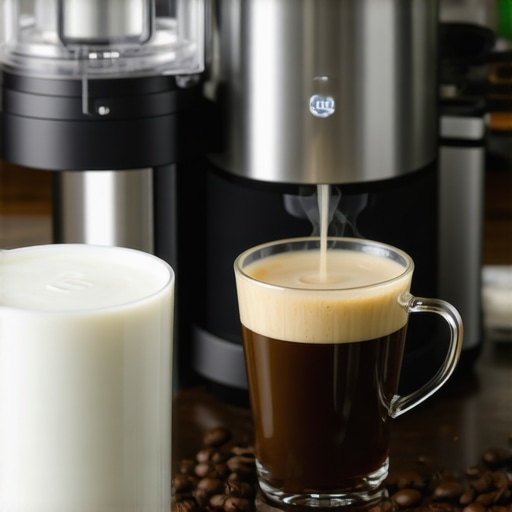
It was a quiet Sunday morning when I first realized that my long-standing coffee routine was falling flat. I had just spent 15 minutes grinding beans, only to end up with a weak, uneven shot that didn’t quite hit the mark. Frustration set in. That lightbulb moment hit me—if I really wanted barista-quality coffee at home, I needed better equipment. Not just any grinder or frother, but the right tools tailored for my needs. Since then, I’ve dived deep into the world of coffee gear, and let me tell you—choosing the best coffee grinder and milk frother isn’t just about buying the most expensive models. It’s about understanding what makes a difference in your cup. Today, I want to share my journey and help you avoid the common mistakes that can sabotage your home brewing dreams.
Why Investing in Quality Coffee Equipment Changes Everything
If you’re like me, you’ve probably wasted money on gadgets that promised barista-level results but fell short. Early on, I made the mistake of opting for a cheap grinder, thinking that all burrs are created equal. Spoiler: they’re not. A poor-quality grinder can ruin your beans’ flavor and make your espresso bitter or uneven. I also underestimated the importance of a good milk frother. A decent one can turn your morning latte into a creamy, velvety experience. But more importantly, it’s about consistency. When you invest in reliable gear, every cup becomes a small victory.
Is Your Coffee Setup Actually Worth the Hype?
Honestly, I was skeptical at first. I wondered if all this fancy gear was just a luxury or if it really made a tangible difference. I remember splurging on a top-rated grinder and a professional milk frother. Guess what? The difference was night and day. My espresso tasted richer, the milk was perfectly textured, and I finally felt like a barista in my own kitchen. But here’s the thing—many people jump into high-end gear without understanding their needs or how to use it properly. That’s a mistake I made early on, and it’s why I want to guide you to make smarter choices. If you’re tired of mediocre coffee or wasting money on gear that collects dust, you’re in the right place. Let’s explore how to choose the gear that will genuinely elevate your home coffee game in 2025.
And if you’ve faced those frustrating mornings where your coffee just doesn’t hit the spot, know that you’re not alone. Better equipment paired with the right technique can transform your routine. Want to learn more about the best gear for home baristas? Check out this guide for detailed reviews and tips. Now, let’s get into the practical steps to set up your perfect home coffee station.
Pick the Right Espresso Machine and Grinder for Your Space
Start by selecting a quality espresso machine that fits your kitchen and brewing style. For beginners, compact models with user-friendly interfaces are ideal, while enthusiasts might prefer features like PID temperature control and shot timers. When choosing your grinder, prioritize consistency and grind size range—burr grinders are a must. I once started with a blade grinder, which made my espresso bitter and uneven; switching to a quality burr grinder transformed my mornings. For detailed options, check out this guide. 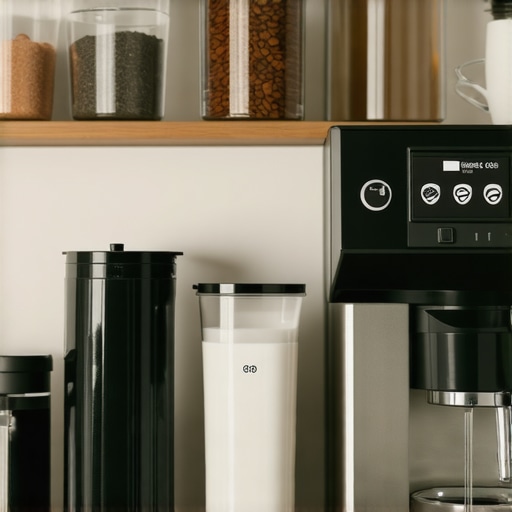
Perfect Your Bean Grind and Dose Technique
Grinding is the foundation of great espresso. Use a scale to measure your beans—aim for 18-20 grams for a double shot. Adjust your grinder’s setting until the grind feels like fine sand—too coarse and your shot will be weak; too fine and it could clog. I remember experimenting for an hour, adjusting the grind, and finally hitting that sweet spot that produced a rich crema. Always dose your grounds evenly, tamp with consistent pressure (around 30 pounds of force), and use a tamper that fits your basket. This consistency ensures every shot is as good as the last. For more tips, see this resource.
Master Milk Frothing Techniques
Steaming milk correctly makes or breaks your latte. Use cold, fresh milk—whole milk gives the best texture. Purge your steam wand before use to remove condensation. Submerge the wand just below the milk surface and start steaming; listen for a gentle hissing sound. As the milk heats, tilt the pitcher to create a whirlpool—this ensures a smooth, velvety microfoam. I once over-foamed milk, creating large bubbles, but then learned to focus on the sound and temperature, which made all the difference. Aim for 140°F (60°C) for optimal taste. Practice makes perfect; check out this guide for detailed techniques.
Assemble Your Perfect Coffee Station
Organize your gear for efficiency: place your espresso machine at the center, with your grinder nearby. Keep your tamper, coffee scales, and cleaning tools within easy reach. Dedicate a small space for your milk pitcher, cups, and spoons, so everything is ready when you need it. I once set up my station on a cluttered counter, which made brewing frustrating; after tidying up, I noticed my workflow improved significantly. Use a timer to track your extraction time—aim for 25-30 seconds for espresso. Regularly clean your equipment to maintain flavor quality. For more insights, visit this comprehensive guide.
Refine and Experiment to Find Your Signature Brew
Once your setup is complete, experiment with different beans, grind sizes, and brewing parameters. Record your results to identify what works best. I kept a brewing journal, which helped me fine-tune my technique and discover my favorite roast profile. Remember, great coffee is about consistency and personal taste. Don’t be afraid to try new beans or tweak your process. Over time, you’ll develop a routine that produces consistently excellent coffee tailored to your preferences. Dive deeper into advanced tips at this detailed resource.
Many home baristas fall into traps that sabotage their perfect brew, often because of misconceptions about equipment and technique. Let’s dig deeper into what most people get wrong about espresso machines, grinders, and frothers, and uncover some hidden nuances that can elevate your coffee game.
Why the hype around high-end equipment can mislead even experienced enthusiasts
It’s tempting to believe that upgrading to the most expensive espresso machine or grinder automatically guarantees better coffee. However, expert advice shows that equipment quality is just one piece of the puzzle. The real secret lies in understanding your specific needs and mastering the basics first. A high-end machine paired with poor technique can still produce lackluster results. Conversely, a well-maintained mid-range machine used skillfully can outperform expensive gear.
Another common myth is that bigger or more features mean better performance. Many beginners get overwhelmed by complex controls, leading to inconsistent results. Focusing on essential features like temperature stability and ease of use can make a more significant difference than chasing every new gadget.
Watch out for the trap of over-precision with grind size and dosing
Many enthusiasts obsess over achieving the ‘perfect’ grind size or dose, spending excessive time dialing in their grinders. While precision is vital, over-tuning can become counterproductive. Once you find a good setting, minor adjustments beyond that point often yield diminishing returns. The key is consistency—use a scale for dosing and a timer for extraction, but don’t get paralyzed by perfectionism. Instead, focus on developing a reliable routine. This guide emphasizes that consistency outweighs marginal improvements.
Furthermore, many get fooled by the idea that finer grind always equals stronger flavor. In reality, too fine a grind can clog your machine and lead to over-extraction, making your coffee bitter. The nuance is understanding the right grind level for your specific machine and beans.
Microfoam mastery: the unseen detail that transforms your milk
When it comes to milk frothing, the secret isn’t just in steaming but in microfoam. Many home baristas focus on steaming for a long time or creating large bubbles, but the real magic happens in microfoam—tiny, uniform bubbles that give your milk that velvety texture. Achieving this requires precise control of temperature and technique. Cold milk and a clean wand are fundamentals, but mastering the whirlpool effect and listening to the sound of steam can make all the difference. Here’s a detailed approach to perfect microfoam, often overlooked by beginners.
Have you ever fallen into this trap? Let me know in the comments. Mastering these hidden nuances will make your home espresso setup truly shine, turning every brew into a professional-quality experience.
Owning high-quality espresso gear is just the beginning; keeping it in top shape is essential for consistently great coffee. Over time, even the best machines, grinders, and frothers need regular maintenance to prevent performance decline and ensure longevity. Personally, I rely on specific tools and routines that have proven effective in my home setup, and I recommend them to any serious coffee enthusiast looking to preserve their investment.
How do I maintain my espresso machine and grinder over time?
First, invest in a good descaling solution, such as Dezcal or Durgol, depending on your water hardness. Descaling every 3-6 months, or more frequently in hard water areas, prevents mineral buildup that can clog internal components and impair temperature stability. I use a scale like the Hario Scale for precise dosing, but also keep a dedicated cleaning brush for grinder burrs and portafilters. Regular cleaning of the steam wand and drip tray ensures hygiene and prevents milk residue from clogging the wand. For my grinder, I use a vacuum or compressed air to clear out coffee residues from burrs and chute, reducing static buildup and maintaining grind consistency.
Of course, using the right tools makes a significant difference. I swear by a dedicated burr grinder cleaning kit—a small brush and grinder cleaning tablets—to keep burrs sharp and free from coffee oils that can turn stale or rancid. For my espresso machine, I use a descaling and cleaning kit designed specifically for home espresso machines, which simplifies the process and ensures thorough cleaning.
What’s next in equipment maintenance trends?
Looking ahead, I predict smart, app-connected maintenance tools will become more prevalent. Imagine a coffee machine that automatically alerts you when descaling is due or a grinder that self-calibrates based on usage data. These innovations could drastically reduce downtime and improve consistency. In the meantime, sticking to a routine of regular cleaning and descale schedules, combined with high-quality cleaning products, will keep your gear performing at its best.
Finally, I encourage you to experiment with advanced maintenance techniques, like ultrasonic cleaning for grinder burrs or replacing worn seals and gaskets. These small investments extend the lifespan of your equipment and preserve the nuanced flavors that make home brewing so rewarding. Try scheduling a monthly deep-clean session, and you’ll instantly notice your espresso’s flavor profile becoming richer and more consistent. For detailed guides and recommendations, visit this resource. Keep your gear in prime condition, and your coffee will thank you for years to come.
The Hardest Lesson I Learned About Espresso Machines and Barista Gear
One of the toughest lessons I encountered was realizing that even the most expensive equipment won’t make great coffee without proper technique. I used to think that upgrading my espresso machine or grinder was the magic fix, but I learned that consistent practice and understanding my gear are equally vital. The real breakthrough came when I focused on mastering my tamping pressure and grind consistency, which transformed my mornings.
How I Discovered the Power of Routine and Precision
Initially, I obsessed over dial-in adjustments, spending hours chasing that perfect grind size. But I found that establishing a reliable routine—measuring doses precisely and tamping with consistent pressure—made my brewing more predictable and enjoyable. This shift from chasing perfection to embracing consistency was my key insight, and I recommend every home barista prioritize routine over perfectionism.
Why Microfoam Matters More Than You Think
Few realize that microfoam—the tiny, uniform bubbles in steamed milk—is what creates that luxurious latte texture. Achieving microfoam requires patience, control of steam wand positioning, and listening to the sound of the steam. When I finally mastered microfoam, my coffee felt like it was made by a pro. Check out this detailed guide to refine your milk frothing skills.
My Secret Weapon for Long-Term Maintenance
Keeping my gear in top shape is essential. I swear by regular descaling with descaling solutions and using a dedicated cleaning brush for my grinder burrs. Scheduling monthly deep cleans has prevented clogs and preserved flavor nuances. For the dedicated home barista, investing in quality cleaning tools is a game-changer.
What I Wish I Knew When Starting Out
If I could go back, I’d tell myself to focus more on understanding my equipment’s nuances—like how water temperature affects extraction or how to adjust steam pressure for microfoam. These details elevate your coffee from good to extraordinary. For a comprehensive starting point, explore this resource to select the right gear for your space.
Curated Recommendations for Your Coffee Journey
My essential toolkit includes a mid-range espresso machine that balances quality and ease of use, a reliable burr grinder for consistent grind size, and a quality milk frother to master microfoam. These tools have helped me produce café-quality drinks at home without breaking the bank.
Your Turn to Elevate Your Home Coffee Game
Remember, creating exceptional home espresso is a journey of continuous learning and experimentation. Embrace the process, pay attention to the small details, and enjoy every sip of your progress. The future of home brewing in 2025 is bright for those willing to learn and invest in their craft.
What’s your biggest challenge in setting up your perfect home espresso station? Let me know below and share your experiences!
![Why 2026 AI Pressure Profiling Fails on Light Roasts [Fix]](https://espressotechguide.com/wp-content/uploads/2026/04/Why-2026-AI-Pressure-Profiling-Fails-on-Light-Roasts-Fix.jpeg)
Leave a Reply