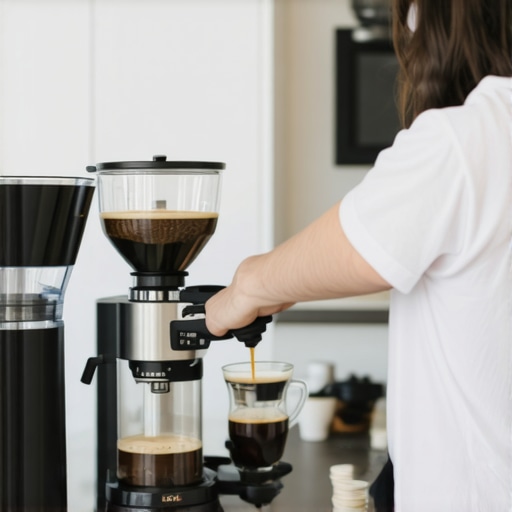
I’ll never forget the morning I decided to finally upgrade my home coffee gear. I was bleary-eyed, pouring a steaming shot of espresso, only to realize my brew tasted flat and lacked the rich crema I craved. Frustration bubbled—how could such a simple pleasure feel so elusive? That lightbulb moment pushed me down a rabbit hole of research, trial, and a fair share of mistakes.
Why Settling for Mediocre Coffee Doesn’t Cut It Anymore
In 2025, more home baristas than ever are discovering that quality coffee starts with the right tools. The right coffee grinder and espresso machine can make the difference between a decent cup and a sensational one. But here’s the kicker: selecting gear without proper guidance can easily lead to disappointment, wasted money, and even brewing frustration. I made the mistake early on of rushing into a high-end machine without understanding how crucial it is to pair it with a grinder that can match its quality. Consequently, my espresso was inconsistent, and I often battled with murky pours.
That was the moment I wished I had known the secrets of expert home baristas—who leverage precise equipment and techniques to craft coffee that rivals cafes. Today, I’ll help you avoid these pitfalls and share how you can elevate your home coffee game with gear that delivers real results.
Is All the Hype About Top Coffee Gear Just Marketing? Or Worth It?
I know skepticism is natural. When I first started, I wondered if investing in the latest gadgets was just a way for brands to empty my wallet. Early on, I splurged on a fancy espresso machine, only to realize I wasn’t extracting the best flavor because I overlooked the importance of a quality burr grinder. That mistake taught me that the real magic is in harmony—perfect pairing, not just flashy equipment. Luckily, I found that with the right gear—like those featured in the ultimate guide to barista gear—you can unlock truly outstanding coffee at home.
From mastering grind size adjustments to understanding the nuances of tamping and temperature control, every detail counts. If you’re tired of bland brews and want to step up your coffee routine, you’re in the right place. Let’s explore how selecting the proper gear not only simplifies your process but also guarantees that every cup delights your senses—making every morning a celebration of coffee.
Ready to ditch the guesswork? Stay tuned—you’re about to transform your home coffee experience completely.
Selecting the Right Coffee Grinder
Start by choosing a burr grinder with a reputation for consistency. I once bought a blade grinder on a whim, expecting café-quality results; all I got was uneven grounds and a messy kitchen—lesson learned. Look for grinders that allow precise grind size adjustments and have flat burrs for uniform particle size. Check out the top coffee grinders for home use. Experiment with grind settings, starting from medium-fine, and adjust based on your espresso’s extraction. Remember, the grind size influences flavor extraction more than any other factor, so patience here pays off.
Dialing in Your Espresso Machine
Temperature Control Practices
Ensure your machine maintains a stable brewing temperature—think of it like baking: too hot or cold ruins the outcome. Invest in a machine with a PID controller, which keeps temperature fluctuations minimal. I once struggled with inconsistent shots until I realized my machine’s temperature varied; once I installed a PID, my espresso became consistently rich. Use a thermometer to verify you’re within the optimal 195-205°F range, and preheat your machine for at least 15 minutes before brewing. Refer to the best espresso machines for home brewing for options with precise temperature controls.
Efficient Tamping Techniques
Tamping is akin to tamping down soil—it needs consistent pressure for an even extraction. Apply firm, even pressure—around 30 pounds of force—using a tamper with a comfortable handle. I learned this by practicing with a bathroom scale until I could feel the right pressure without measuring. Keep the tamp level to prevent channeling, which causes uneven extraction. A leveling tool can help maintain consistency. This step is vital because an inconsistent tamp results in weak or bitter espresso.
Perfecting Milk Frothing Every Time
Use cold milk, preferably whole or 2%, and a stainless-steel pitcher that fits comfortably in your hand. Position the steam wand just below the milk surface initially to create a whirlpool, then submerge deeper to heat evenly. I once over-frothed and ended up with a mountain of foam, wasting milk—until I practiced tilting the pitcher and controlling steam power. Aim for a silky, glossy microfoam resembling whipped cream. For tips on gear that makes this easier, check the best milk frothers for home use. Microfoam enhances mouthfeel and allows you to craft latte art with practice.
Consistency Through Routine
Set a step-by-step process: grind, dose, distribute, tamp, brew, and steam. Keep detailed notes on your settings and results; small changes can lead to big improvements. I created a brewing checklist that I followed diligently for weeks—eventually, I knew exactly how each variable affected my shot. Developing a routine reduces variability and gets you closer to café-quality with each cup.
Many home baristas fall into the trap of believing that expensive equipment guarantees perfect results. While high-quality gear is essential, expecting miracles without mastering fundamental principles often leads to disappointment. A common misconception is that simply purchasing the latest espresso machine or grinder will instantly elevate your coffee. In reality, the nuances of grinder calibration, tamping pressure, and temperature stability play crucial roles, often overlooked by beginners. For instance, choosing a machine without understanding its temperature control features can result in inconsistent shots, even if the machine is top-of-the-line. Some enthusiasts assume that all coffee grinders are created equal, but in truth, the type of burrs—flat versus conical—and grind size consistency dramatically influence extraction quality. Rushing into a purchase without analyzing these features can be a costly mistake. Additionally, many believe that milk frothers are just for cappuccinos or lattes; however, the quality of microfoam you produce depends on technique as much as on the frother itself. Overusing high-pressure steamer nozzles or neglecting proper steaming angles can ruin your milk texture. You might also hear claims that high-end gear is only necessary for professionals. While advanced equipment offers more control, understanding basic techniques often outweighs equipment specs for home use. Remember, even the best gear won’t compensate for inconsistent routine or poor technique. Beware of the myth that adjusting grind size is merely trial and error. Precise calibration based on extraction timing and shot taste is vital—these adjustments are nuanced and require knowledge of pressure profiling and extraction curves. Studies suggest that mastering these subtleties, such as controlling brew temperature and dwell time, can significantly improve espresso quality (see expert analyses on extraction dynamics). As you develop your skills, avoid assuming more expensive means better results automatically. Instead, focus on understanding how your gear interacts with your workflow. For example, leveraging tools like calibration scales or thermometers can refine your process, leading to consistent excellence. So, have you ever fallen into this trap of overvaluing equipment over technique? Let me know in the comments. To truly unlock your coffee potential, invest time in mastering the intricacies of your gear—because real expertise is in the details.
Once you’ve invested in quality espresso machines, grinders, and milk frothers, the next critical step is ensuring their longevity and consistent performance. Proper maintenance not only preserves the taste quality of your coffee but also extends the lifespan of your equipment, saving you money and stress in the long run. One of my favorite tools for maintaining my setup is a calibrated cleaning schedule combined with specific accessories designed for deep cleaning and calibration.
How do I keep my gear performing at its peak over time?
Start with regular descaling of your espresso machine—using a descaling solution every 3-6 months, depending on your water hardness, can prevent mineral buildup that affects temperature stability and extraction quality. I personally love using a dedicated descaling kit from trusted brands, which often include pH-neutral agents to avoid damaging internal components. For my grinder, I routinely run a batch of grinder cleaning tablets through to remove oil and coffee residues that can clog burrs and affect grind consistency. This process is straightforward and should be part of your monthly routine.
Another indispensable tool I’ve embraced is a precision thermometer. Maintaining a stable brew temperature is crucial, and a good-quality thermometer allows me to check and calibrate my espresso machine, especially if it doesn’t come with an integrated PID controller. Adjustments can be minor but have a significant impact on extraction and flavor. For detailed calibration procedures, I recommend reviewing technical guides like those from experts in the field.
Consistency is key for long-term success, and that means sticking to a cleaning schedule and using the right tools. A clean grinder, well-calibrated machine, and fresh, oil-free milk frothers ensure every cup is your best yet. Don’t overlook the value of investing in quality tools like a tamper calibration kit or a milk texture thermometer—these might feel small, but they make a visible difference in your results and confidence.
Looking ahead, I predict that automated cleaning and calibration systems will become more sophisticated and integrated into home barista equipment. Companies are already experimenting with smart sensors that alert you when maintenance is needed, much like your smartphone does with its batteries. For now, making maintenance a routine—supported by essential tools—is the best way to keep your setup thriving. Ready to boost your gear’s performance? Try calibrating your espresso machine using a thermometer and see how much more consistent your shots become—it’s a game-changer!
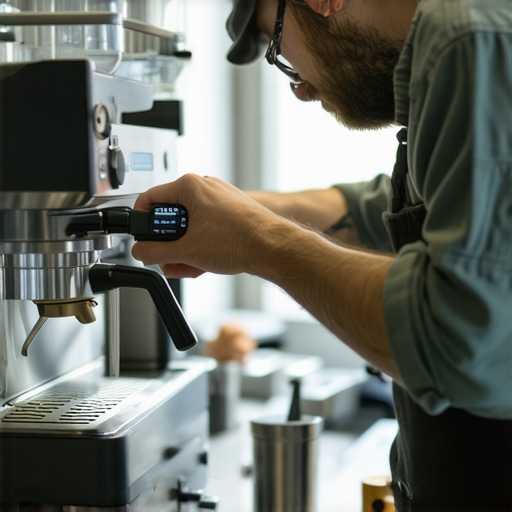
The Hardest Lesson I Learned About Barista Gear and Home Espresso Perfection
One of the most eye-opening lessons I encountered was realizing that even the most advanced espresso machine is only as good as its grinder. Early on, I believed I needed expensive equipment to brew café-quality coffee, only to find out that inconsistent grind size was sabotaging my efforts. The breakthrough came when I started focusing on precise calibration and understanding the nuances of burr types—flat vs. conical—and how they influence extraction. This lesson taught me that proper technique and equipment harmony are irreplaceable.
Tools That Changed My Coffee World
Over time, I discovered that investing in trusted resources like the top coffee grinders for home use and the ultimate guide to barista gear transformed how I approached my brewing routine. These curated tools provided clarity and confidence, making each step more intuitive. Regular maintenance with quality accessories, like calibration thermometers and cleaning kits, kept my setup performing optimally, ensuring consistency and longevity. Trusting these sources and tools has been instrumental in my journey toward espresso mastery.
Embracing the Imperfect and Celebrating Growth
One of the most emotional milestones was accepting that perfection is a pursuit, not a fixed destination. The process of dialing in grind size, mastering tamping pressure, and controlling temperature is ongoing—each mistake a lesson rather than a setback. Sharing these experiences has made me realize that every cup I brew, whether flawless or flawed, is part of a larger growth story. I encourage fellow enthusiasts to embrace experimentation and view imperfections as stepping stones toward greater confidence and skill in crafting beautiful coffee at home.
Ready to Elevate Your Coffee Craft?
If you’re eager to take your home coffee experience to new heights, start with the right gear—like those listed in the best coffee grinders for home use—and develop your routine. Remember, mastery comes not just from equipment, but from understanding and patience. Your perfect espresso is within reach—just take that first step today!
![Why 2026 AI Pressure Profiling Fails on Light Roasts [Fix]](https://espressotechguide.com/wp-content/uploads/2026/04/Why-2026-AI-Pressure-Profiling-Fails-on-Light-Roasts-Fix.jpeg)
Leave a Reply