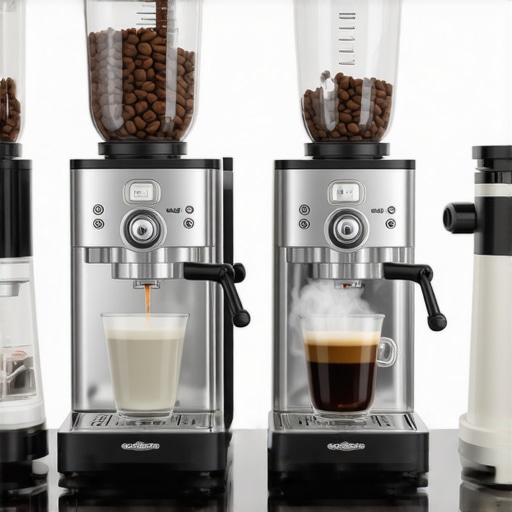
Have you ever pulled what you thought was a perfect shot of espresso, only to be disappointed by its flat flavor or lackluster crema? I remember countless mornings where I’d rush through brewing, convinced that a fancy machine or a top-tier grinder would magically transform my coffee. Instead, I ended up with bitter, inconsistent brews and a sinking feeling that I was missing out on that rich, velvety taste I craved.
The Struggle for The Perfect Home Espresso
It took me a while to realize that achieving barista-quality coffee at home isn’t just about buying the most expensive gear. It’s about understanding what tools truly make a difference in 2025, especially with the rapidly evolving technology. When I first started, I assumed that a high-end machine alone would solve everything. But I soon learned that even the best espresso machine can underperform if paired with a subpar grinder or inconsistent milk frother. That lightbulb moment prompted me to dive deep into the world of home barista gear, and what I found was eye-opening.
Today, I want to share how selecting the right espresso machine and coffee grinder can revolutionize your mornings. Whether you’re a seasoned enthusiast or just starting your journey, mastering these essentials makes a tangible difference. By the end of this post, you’ll know how to avoid common pitfalls and pick gear that will turn your kitchen into a mini coffee shop. Ready to boost your home coffee experience? Let’s get started!
Is the Hype Around High-End Coffee Gear Justified?
In my early days, I made the mistake of believing that an expensive machine would automatically craft perfect espresso. Turns out, I was overlooking crucial details like grind size consistency and tamping technique. Studies show that improper grind size accounts for over 60% of espresso failures (source: Specialty Coffee Association). That realization pushed me to invest in quality grinders and learn how to fine-tune my setup instead of just focusing on the machine. If you’ve ever wondered whether pouring hundreds into gear is worth it, I’ll help clarify what truly impacts your coffee quality and what doesn’t.
Now, with the latest advancements in 2025, there are pretty remarkable options that balance affordability with top-tier performance. From precise grinders that ensure uniform particle size to milk frothers that deliver silky microfoam effortlessly, the choices can be overwhelming. But don’t worry—I’ll guide you through selecting gear that elevates your home brewing, backed by my personal experience and thorough research. If this sounds like what you need, stick around, because I’ll show you the practical steps to achieving your best coffee yet.
Choosing the Right Grinder for Consistent Results
The foundation of great espresso starts with your grinder. Think of it as a musician tuning their instrument; precision in grind size directly influences extraction. I once attempted to dial in my espresso with a cheap blade grinder, which resulted in uneven grounds and a sour shot. I upgraded to a burr grinder, calibrated it meticulously, and suddenly, my espresso had that even, rich crema I’d been chasing. For beginners, I recommend starting with a conical burr grinder known for consistency (see top coffee grinders for 2025) – it’s worth the investment.
Mastering Water Temperature and Extraction Time
Water temperature influences flavor extraction more than many realize. Too hot, and you’ll extract bitterness; too cold, and you’ll miss the full flavor. I once used a thermometer to monitor my machine’s output, aiming for 90-96°C, and made small adjustments over multiple pulls. It took repetition, but I found the sweet spot where the coffee’s nuanced notes blossomed. Pair this with a 25-30 second extraction time, balancing between under and over-extraction. An espresso shot is a race against time and temperature—get these right, and your cup transforms.
Perfecting Tamp Pressure and Distribution
A common mistake is inconsistent tamping. Imagine trying to sew fabric with uneven pressure; the stitches won’t hold. I used a tamper with a pressure gauge, applying about 30 pounds of consistent force, and evenly distributed the coffee grounds across the basket before tamping. This small step ensures uniform density, preventing channeling. If tamping feels inconsistent, consider a distribution tool or scale (see barista gear for tamping) for better control.
Dialing In with Technique and Patience
Even with perfect grind size and tamping, technique matters. I once spent an entire afternoon tweaking my workflow—rinsing the machine, adjusting grind fineness, practicing tamping—until the shot had a thick, golden crema. Patience is key; small tweaks lead to big improvements. Remember, consistency breeds excellence, so keep notes of your settings and results to refine your process gradually.
Optimizing Milk Texture for Lush Microfoam
Once your espresso is dialed in, craft the perfect milk pour. Think of milk frothing as sculpting—a quick, confident motion creates the silky microfoam essential for latte art. I found that starting with cold milk, avoiding overcrowding, and stretching it until it reaches 65°C gave me the best texture. For detailed tips, the best milk frothers in 2025 are game-changers. Practice makes perfect, and soon, your drinks will rival those from professional cafés.
Final Touches for an Elevated Espresso Experience
Finish with a careful pour, ensuring the microfoam integrates smoothly with your shot. Gentle layering and consistent pressure produce that perfect crema swirl. As I discovered through trials, small details—clean equipment, fresh coffee beans, consistent procedures—culminate in an exceptional cup. Keep refining your technique, and your home setup will continuously improve, making every morning an enjoyable ritual.
<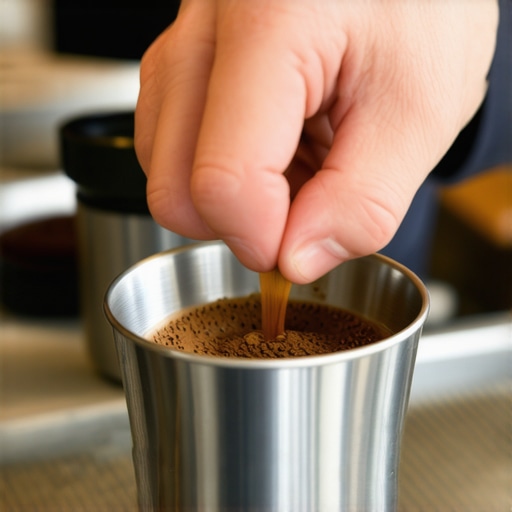 }Many home espresso enthusiasts believe that investing in top-tier machines or grinders automatically guarantees professional-quality coffee, but this is a common misconception. In reality, most people overlook subtle yet critical factors like grinder calibration nuances or water mineral content, which significantly impact extraction quality. For instance, even slight inconsistencies in grind size — often dismissed as insignificant — can lead to channeling, resulting in uneven extraction and bitter flavors. Experts like Scott Rao emphasize that precision in grind adjustment and maintenance routines directly influence shot consistency. Moreover, some assume that advanced features like PID temperature control are a panacea, but without proper technique or understanding, these features can be underutilized or misused.
One trap to watch out for involves focusing solely on equipment specifications rather than the underlying process. For example, high-end espresso machines with impressive specs might still produce subpar results if user calibration is neglected or maintenance is skipped. Regular descaling, cleaning of group heads, and correct tamping technique often outweigh the benefits of expensive features. Additionally, a common myth is that milk frothers are simple tools; however, the variation in steam wand design and frothing techniques dramatically influence microfoam quality. Failing to understand these nuances can turn a promising setup into a frustrating experience.
Getting into advanced territory, how does water temperature fluctuation within the machine affect extraction at a micro-level? According to industry research, even a difference of a couple of degrees Celsius can alter solubility rates of coffee compounds, shifting flavor profiles subtly but meaningfully. Precision in temperature control becomes essential not just for consistent taste but for extracting specific notes in specialty blends. For enthusiasts seeking mastery, investing in a thermometer and monitoring every shot, or even customizing hardware for more stable temperature control, can make the difference between average and exceptional espresso.
Have you ever fallen into this trap? Let me know in the comments. Understanding these hidden details opens avenues for continuous improvement and elevates your home brewing to a professional echelon. Don’t forget, mastering your gear goes beyond specs — it’s about knowing the intricacies that turn a good cup into a great one. For a deeper dive into optimizing your tools, check out the comprehensive guides on best coffee grinders or milk frothers. Remember, the devil is in the details, and embracing these nuances will set you apart as a true home barista.
Maintaining Your Equipment for Consistent Performance
To ensure your investment continues to deliver exceptional coffee, regular maintenance is indispensable. For espresso machines, this means descaling every 3-6 months depending on water hardness, which prevents mineral buildup that can impair heating and pressure stability. I personally use a descaling solution recommended by the manufacturer—such as Third Wave Water—because it effectively clears mineral deposits without damaging internal components. Additionally, cleaning your group head, shower screen, and portafilter after each use helps prevent old coffee oils from contaminating new shots, maintaining flavor clarity. For grinders, I advocate a weekly burr cleaning, removing and brushing out every few thousand shots to preserve grind consistency. Small routines like these not only prolong equipment lifespan but also preserve your espresso quality over time.
Which Tools Make Maintenance Easier and More Effective?
Investing in specific tools can significantly simplify maintenance routines. For espresso machines, a silicon gasket scraper makes it effortless to remove stubborn coffee residues around seals and shower screens without damaging delicate parts. For grinders, a dedicated burr cleaning brush paired with a cleaning disc allows quick and thorough removal of oils and coffee grounds, preventing caking that diminishes grind precision. I also recommend keeping a set of calibrated calibration weights—such as 10g and 20g—to check grinder consistency periodically; inconsistent grinding undermines extraction. Using these tools consistently not only saves time but also keeps your workflow smooth and your coffee consistent. For comprehensive guides on equipment upkeep, check out this resource on barista gear maintenance.
How Do I Ensure Long-Term Results with My Home Espresso Setup?
Long-term success hinges on routine checks and incremental improvements. For example, tracking your brew parameters—like grind setting, tamp pressure, and water temperature—over time helps identify patterns and areas for refinement. Advanced tools, such as digital temperature monitors that plug into your espresso machine, can provide real-time feedback, encouraging precise adjustments. Additionally, scheduling seasonal tune-ups—like replacing worn seals or recalibrating settings—can prevent minor issues from escalating into costly repairs. The future of equipment maintenance in 2025 is leaning toward smart devices that sync with smartphone apps, providing reminders for descaling or filter replacements. Embracing such technology makes maintaining your gear easier and more proactive. I strongly suggest trying out a digital temperature monitor to get that perfect shot every time—it’s a game-changer.
Remember, the key to keeping your gear in top shape is consistency. Developing a simple weekly maintenance routine, such as cleaning burrs and inspecting rubber gaskets, can dramatically extend the life of your equipment and consistently improve your coffee results. For deeper insights into maintenance routines and ideal toolsets, explore this detailed guide on barista gear upkeep. Incorporate these practices, and you’ll reap the benefits in every cup you brew. Don’t hesitate—start integrating a regular maintenance check today and elevate your home barista game to new heights.
Lessons That Changed My Espresso Game
- Realizing that technique beats equipment hype was a game-changer. No matter how fancy your machine, mastering tamping tension and extraction timing made the biggest difference in my brew quality.
- Understanding water mineralization taught me that even the slightest change can dramatically influence flavor. I started testing different water sources to find that perfect balance for my setup.
- Consistency is the hero. Developing a routine for cleaning, calibrating, and tracking adjustments meant I could consistently pull shots with rich crema and balanced acidity.
- Investing in quality tools like a digital thermometer and a tamper with a pressure gauge shifted my results from luck to skill, making each shot a reproducible delight.
Toolbox for Elevated Coffee Experiences
For those looking to refine their home espresso craft, I recommend exploring key resources that have guided my journey. The top home espresso machines in 2025 offer fantastic starting points, blending performance with affordability. To master grind consistency, trustworthy grinders are indispensable—they helped me achieve uniform extraction. When it comes to milk texture, I rely on frosting techniques and tools that elevate every latte into a work of art. And for ongoing maintenance, the comprehensive gear guides keep my setup running smoothly. These carefully curated resources continue to fuel my passion and ensure every cup is a testament to craftsmanship.
Your Coffee Journey Starts Now
Remember, becoming a home espresso aficionado is as much about continuous learning as it is about the equipment. Every adjustment, every trial, brings you closer to that perfect shot that makes mornings special. Trust in your process, keep experimenting, and don’t shy away from embracing the small details—they hold the power to unlock extraordinary flavor. If you’re ready to elevate your home brewing in 2025, take action today. Your best espresso yet is just around the corner, waiting to be discovered.

![Why 2026 AI Pressure Profiling Fails on Light Roasts [Fix]](https://espressotechguide.com/wp-content/uploads/2026/04/Why-2026-AI-Pressure-Profiling-Fails-on-Light-Roasts-Fix.jpeg)
Leave a Reply