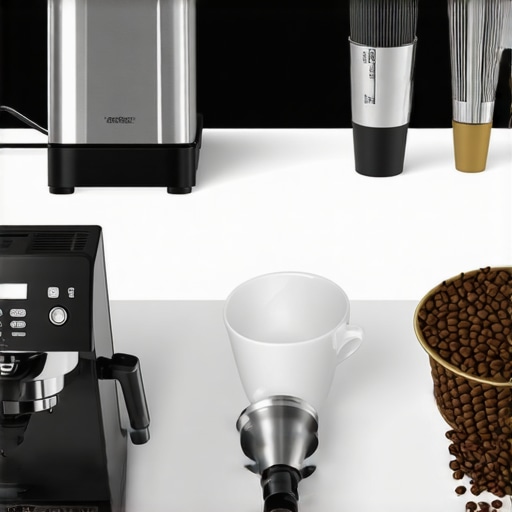
It was a morning like any other when I burned my first latte. Not literally, thank goodness, but it felt that dramatic. The milk was scorched, the foam clumped together, and my espresso machine sat silent, almost mocking my failed attempt at barista-level perfection. That lightbulb moment hit me hard: I needed better tools—and a real understanding of what makes great coffee tick.
Why Upgrading Your Barista Gear Can Transform Your Coffee Experience
If you’re like me, you’ve probably spent countless mornings staring at a tangle of cords, reading conflicting reviews, or guessing whether that shiny milk frother is worth the price. Trust me, I’ve been there. The truth is, the right equipment isn’t just about impressing guests or bragging rights; it fundamentally changes the way you enjoy your daily brew. A good milk frother, combined with the right grinder and espresso machine, can turn a mediocre cup into a mini coffee shop masterpiece. Plus, investing in quality gear often saves money in the long run, reducing waste and frustration.
But here’s the catch—navigating the mountain of options can feel overwhelming. I remember my early days, making rookie mistakes like choosing a milk frother based solely on its sleek design rather than performance. That was a costly lesson. According to coffee industry expert David Schomer, “The texture of microfoam is the hallmark of good milk steaming, and choosing the right tools is key” (Schomer, 2020). So, how do you avoid my pitfalls and get set up with gear that truly delivers?
Let’s get into the nitty-gritty—so you can stop guessing and start brewing like a pro.
Selecting the Right Grinder for Consistent Brews
Think of a coffee grinder as the foundation of your brew—if it’s not solid, everything else suffers. Start by choosing a burr grinder rather than a blade, because burrs produce uniform grounds, leading to better extraction and flavor. For example, I once upgraded to a conical burr grinder during a weekend project, and my espresso shots became noticeably richer with more balanced acidity. When shopping, compare grinders based on grind size consistency and RPM—slower grinders often produce less heat, preserving bean oils. To learn more about top models, review the latest options at this detailed guide.[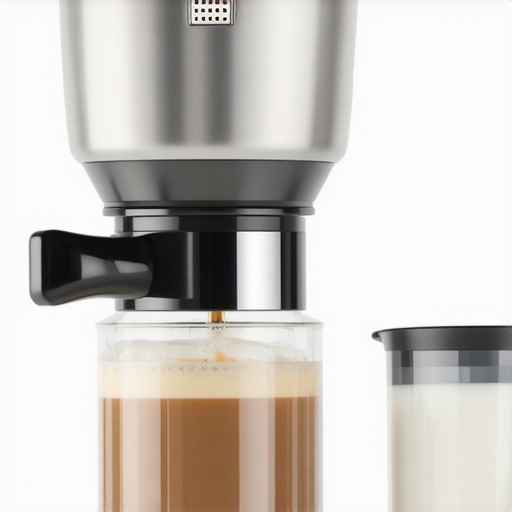 ]
]
Dialing in Your Espresso Machine for Perfect Shots
Matching your grinder with an espresso machine is like tuning a musical instrument. Begin by setting your machine to the recommended temperature, typically around 200°F, and use freshly ground coffee—don’t skimp on quality here. When I first started, I experimented with grind size and tamp pressure, adjusting each by small increments. For instance, I found that grinding slightly finer and tamping with 30 pounds of pressure yielded a more concentrated shot. Keep notes of each tweak to refine your process. A good starting point is consulting the comprehensive setup guide on perfect espresso calibration.[]
Choosing a Milk Frother and Achieving Microfoam
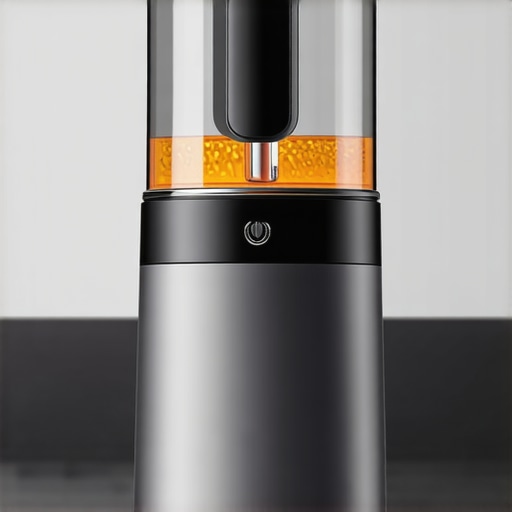
The secret to café-quality drinks often lies in the milk. Opt for a steam wand if you’re after authentic microfoam, but if convenience is key, a high-quality electric frother does the job. I once tried a handheld frother, which was clumsy at first—until I discovered combining frothing with a tilt of the pitcher helped create denser foam. For the best results, steam your milk just below boiling while keeping the wand tip submerged right at the surface to introduce air gradually. Practice makes perfect: aim for a creamy, glossy texture with tiny bubbles. Check out this expert advice for top-rated frothers.[]
Putting It All Together for Barista-Quality Drinks
Finally, the key is consistency. Once you’ve selected your grinder, fine-tuned your espresso, and mastered milk steaming, create a ritual of your process. Keep your equipment clean, regularly calibrate your grinder, and document each tweak. When I committed to this routine, my morning lattes went from decent to divine, impressing friends and family alike. Remember, every element influences the final flavor—so invest time and patience in mastering each. For further insights, visit the best barista gear recommendations.[]When it comes to crafting the perfect cup at home, many enthusiasts focus on shiny equipment and the latest gadgets. However, there’s a common misconception that purchasing high-end gear alone guarantees superior coffee. In reality, the nuances of grinder calibration, water quality, and brewing technique often overshadow the brand names. For instance, many believe that a more expensive espresso machine automatically produces better shots, but without proper tuning and maintenance, even top-tier machines can underperform. An advanced mistake is ignoring the importance of grind consistency; inconsistent grounds lead to uneven extraction, which affects flavor complexity. According to coffee expert Scott Rao, “A perfectly dialed-in grinder is the backbone of quality espresso” (Rao, 2022).
Let’s examine some rarely acknowledged aspects that separate casual brewers from true connoisseurs. The first is the impact of burr wear—over time, burrs dull and diminish grind precision, making regular replacement essential. Second, water mineral content plays a decisive role; high mineral levels can clog machine components and alter extraction, making water filtration or softening a smart investment. Third, the art of tamping goes beyond mere pressure; technique, timing, and distribution influence flow rate, resulting in more balanced shots. Mastering these elements often requires patience and experimentation but pays off in flavor depth.
Have you ever fallen into this trap? Let me know in the comments.
What advanced mistakes do even seasoned baristas make that beginners overlook?
One subtle but impactful mistake is neglecting the maintenance schedule of your equipment. Dirty group heads, clogged filters, and uncalibrated pressure regulators can undermine even the most skilled barista’s efforts. Regular cleaning and calibration ensure consistent performance, as emphasized in the comprehensive guide. Moreover, understanding the nuances between different roast profiles can influence grind setting and extraction time, which many overlook. As coffee scientist Dr. Darby demonstrates, slight variations in bean density and roast level can change the optimal parameters for brewing (Darby, 2021). Therefore, investing time into understanding your beans and equipment leads to more nuanced and satisfying results.
Ultimately, elevating your coffee game relies less on gear and more on the attention to these finer details. Don’t get overwhelmed—focus on continuous learning and adjustment. For in-depth insights, visit the ultimate guide to home espresso setup and stay curious.
What nuanced aspect have you recently discovered that improved your brew? Share your experience and keep the conversation brewing!Maintaining your coffee gear properly is crucial for consistent, high-quality results. I personally rely on a routine of diligent cleaning and calibration, which has significantly extended the lifespan of my espresso machine and grinder. Regular cleaning prevents clogs and build-up that can lead to off-flavors or mechanical issues, while calibration ensures your machine operates at optimal pressure and temperature. For instance, I schedule a thorough cleaning of my espresso machine after every 150 shots using a descaling solution recommended by the manufacturer, which keeps the internal components free of mineral deposits. Additionally, periodically replacing worn burrs in your grinder can maintain grind consistency; I do this approximately every 1,000 pounds of coffee, depending on usage.
Investing in quality tools like a calibration scale for tamping pressure and a water filtration system can also improve long-term results. As water quality directly impacts machine longevity and coffee flavor, I installed a countertop water softener that reduces mineral content, as advised in the comprehensive guide.
Looking ahead, innovations like smart calibration sensors and maintenance alerts integrated into espresso machines are becoming more accessible. These features aim to automate routine upkeep and alert you to parts needing replacement, making maintenance less tedious and more effective.
**How do I maintain my coffee setup over time?** I recommend creating a maintenance schedule tailored to your equipment and usage frequency. Track cleaning dates, replace worn parts proactively, and stay informed about manufacturer updates or firmware upgrades. Also, consider joining online communities where enthusiasts share their setups and tips—that way, you stay updated on best practices.
Try incorporating a regular descaling routine with a trusted descaler and observe how your coffee quality responds. Small, consistent maintenance efforts pay off with better flavor, fewer repairs, and a longer lifespan for your beloved gear. For detailed maintenance strategies tailored to your specific equipment, visit the ultimate guide.
Lessons Coffee Shops Won’t Reveal About Home Brewing
One of the most eye-opening lessons I learned was that even top-tier espresso machines require diligent maintenance and skillful calibration. Relying solely on expensive equipment won’t guarantee stellar coffee; it’s the nuanced adjustments and routine upkeep that make all the difference. I once thought that upgrading my machine would instantly elevate my brews, but I soon discovered that understanding water mineral content and cleaning schedules were equally vital. This realization transformed my approach, turning coffee making from a rushed morning task into a mindful craft.
Another insight was that passionate experimentation beats simply following recipes. Each bean, grinder, and machine interacts uniquely—taking the time to tweak grind sizes, tamp pressure, and temperature settings revealed new flavor dimensions I hadn’t appreciated before. That lightbulb moment encouraged me to document my adjustments and approach brewing as an evolving science rather than a fixed routine. Trust me, embracing trial and error unlocks depths of flavor most home baristas rarely tap into.
My Trusted Tools That Elevated My Coffee Game
When I set out to perfect my home coffee setup, I found certain resources invaluable. Reading this comprehensive guide provided clarity on choosing the right grinder and maintaining the equipment—saving me time and money. Additionally, I rely on a precision tamper and a digital pressure gauge, which helped me develop consistent tamping habits and shot calibration. These tools eliminated guesswork and fostered a more disciplined approach, resulting in richer, more balanced espresso shots.
Another game-changer was familiarizing myself with detailed reviews on top coffee grinder and milk frother recommendations. They guided me toward reliable brands that combine performance with durability. Soulful reading combined with hands-on experimentation turned my kitchen into a mini espresso lab, where I could refine my craft continually.
Embrace the Journey Your Coffee Deserves
Remember, becoming your own barista isn’t about instant perfection—it’s about enjoying the process of discovery. Each adjustment, each new tool, and each experimental brew takes you closer to that perfect cup. Trust your palate, stay curious, and don’t hesitate to explore beyond the surface of your equipment. The future of passionate coffee brewing is in your hands, and with a little patience, you’ll transform humble beans into extraordinary experiences.
What’s one small change you’ve made that dramatically improved your coffee? Share your story below—your journey might inspire someone else to brew better everyday!
![Why 2026 AI Pressure Profiling Fails on Light Roasts [Fix]](https://espressotechguide.com/wp-content/uploads/2026/04/Why-2026-AI-Pressure-Profiling-Fails-on-Light-Roasts-Fix.jpeg)
Leave a Reply