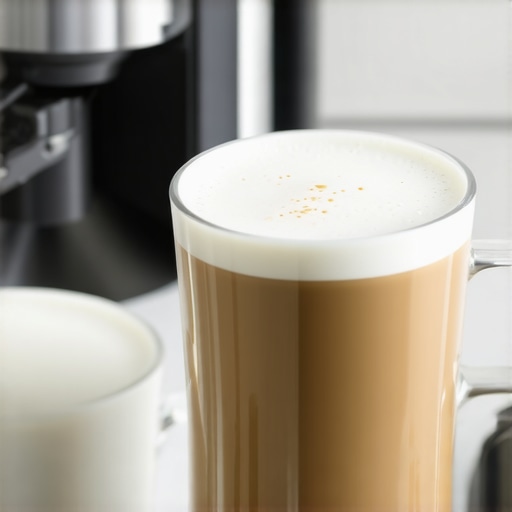
It was a cold morning, and I reached for my usual coffee setup only to be met with a disappointing, flat experience. My attempts at frothing milk with a basic handheld device left me frustrated and craving that silky, café-quality foam. That lightbulb moment revealed a glaring truth: without the right tools, even the best beans can’t save a mediocre home coffee. Since then, I’ve delved deep into top milk frothers & foamers for 2025, uncovering how they can elevate your daily brew. Today, we’re going to tackle the common pitfalls and discover how the right frother can transform your mornings.
Transform Your Coffee with the Right Milk Frother
Is the Hype About Milk Frothers Truly Justified?
In my early days, I believed a cheap frother was enough—until I realized I was missing out on that luxurious, creamy froth that makes coffee feel like a special treat. A poor-quality foam not only diminishes the taste but also kills the visual appeal. The truth is, investing in a quality milk frother is a game-changer. But what makes a frother worth it? Many people worry about whether these gadgets are just trendy or genuinely practical. Well, I made that mistake early on, choosing a cheap model that broke down after a few weeks. Interested in reliable options? Check out this [ultimate guide to milk frothers and barista gear for perfect coffee in 2025](https://espressotechguide.com/ultimate-guide-to-milk-frothers-barista-gear-for-perfect-coffee-2025) for comprehensive reviews and tips.
Prep Your Equipment for Success
Begin by selecting a high-quality milk frother; check out this ultimate guide to milk frothers to find the best models. Ensure your milk steaming pitcher is clean and cold—a cold surface helps create denser foam. When I first tried to froth milk, I used a dirty pitcher, which caused inconsistent foam; a quick scrub made a huge difference.
Handle Milk with Precision
Pour cold, fresh milk into your pitcher—avoid leftover or warm milk, as it hampers foam stability. Use about 150 ml for a single shot of espresso, adjusting depending on your cup size. Drop the milk pitcher into your frother or steam wand with the nozzle submerged just below the milk’s surface—this is crucial for introducing air and creating microfoam.
Attune Your Frothing Technique
Position the wand near the milk surface. When starting, hear a gentle screech—this means air is entering the milk properly. Keep the pitcher steady and slightly tilt it to encourage whirlpool-like movement, which promotes even foam. I once held the pitcher too still, resulting in large bubbles; moving it consistently produced smoother foam. As you froth, tilt the pitcher slightly, controlling the angle to fine-tune the foam texture.
Achieve the Perfect Microfoam
Stop frothing when the pitcher feels warm to touch—about 140°F (60°C). A good microfoam should be velvety and glossy, not frothy or bubbly. Tap the pitcher gently on the counter to settle the froth and swirl it to incorporate all layers uniformly. My first attempt left me with a bubbly mess, but practicing this tapping and swirling made my foam creamier.
Combine Milk with Coffee for Maximum Impact
Pour the microfoam over your espresso in a controlled motion, aiming for a steady stream into the center of the cup. Use a spoon to hold back the foam if you want a layered ‘latte art’ effect, then spoon it on top once you’ve poured the milk. This step transforms a simple brew into a professional-looking drink, akin to those from your favorite café.
” alt=”Barista frothing milk with a professional steamer wand” title=”Barista frothing milk with a professional steamer wand”/>Many home baristas believe that owning high-end machines automatically guarantees professional-level coffee, but in reality, nuances in gear usage and setup play a crucial role. For instance, a common misconception is that expensive espresso machines produce better shots regardless of grind size; however, mastering your grinder and understanding extraction variables often outweigh equipment cost. According to expert baristas, such as those featured in our [ultimate guide to coffee grinders and milk frothers for 2025](https://espressotechguide.com/ultimate-guide-to-milk-frothers-barista-gear-for-perfect-coffee-2025), the key is precision and consistency rather than sheer investment. An advanced mistake many make is neglecting maintenance—dirty equipment can drastically affect flavor and texture, regardless of the gear’s quality. For example, leaving coffee residues in grinders or milk residues in frothers can cause off-flavors and poor microfoam. When selecting your gear, it’s a trap to prioritize aesthetics over functionality; sleek designs are tempting, but reliability and performance should guide your choice. Moreover, a little-known nuance is the importance of grind uniformity: inconsistent grounds lead to uneven extraction, resulting in sour or bitter tastes. This detail is often overlooked because beginners assume all grinders are equal—yet, investing in a burr grinder and understanding its settings improves espresso consistency dramatically. For coffee enthusiasts aiming for a true barista experience at home, understanding these subtle distinctions enables better troubleshooting and refinement of your technique. Remember, even the most sophisticated espresso machine won’t shine without proper tamping, grinding accuracy, and temperature control. As noted by industry experts, mastering your full setup is a dance of multiple factors, not just equipment specs.
Why does grind size sometimes trump equipment brand in flavor extraction?
The answer lies in the physics of coffee particles and water flow; uniform grounds ensure even extraction, leading to richer flavor and aroma. Studies in beverage science show that grind uniformity impacts extraction efficiency more than machine brand or power, emphasizing the need for a quality grinder and proper technique. Don’t fall into the trap of thinking that premium gear will make perfect coffee without proper knowledge—it’s a combination of choice, maintenance, and skill. Have you ever fallen into this trap? Let me know in the comments.Keeping your home espresso setup in top shape requires more than just investing in quality gear; it demands consistent maintenance, choosing the right tools, and planning for long-term performance. Personally, I swear by maintaining my grinder and espresso machine regularly—timing each cleaning and calibration ensures optimal extraction and flavor. I use a dedicated brush and descaling kit from Baratza, which I recommend because they’re designed specifically for precision equipment and keep my grinder free of oils and coffee residue that cause uneven grounds or flavor muddiness. For espresso machines, I’ve found that a daily wipe-down of the portafilter and regular backflushing with a cleaning detergent keeps the group head free of old coffee oils that can alter taste. My secret weapon is a cleaning schedule I follow weekly, adjusting for intense usage. This discipline prevents clogs and scale buildup that can diminish brewing pressure and temperature stability.
In terms of tools, I advocate for a high-quality scale with a timer—like the Acaia Lunar—to precisely measure coffee grounds and water, influencing consistency and shot quality. Calibration weights are also invaluable for maintaining scale accuracy over time, especially with frequent use. Additionally, investing in a set of cleaning tablets and specialized brushes tailored for your grinder and espresso machine extends their lifespan and keeps performance predictable.
Looking ahead, the trend in home barista equipment leans toward smarter, more automated maintenance solutions. Innovations like IoT-enabled espresso machines that alert you when descaling or grinder burr replacement is due are on the rise. This integration of technology will simplify maintenance routines and preserve your gear’s longevity.
How do I keep my equipment performing reliably? I recommend establishing a routine schedule encompassing daily, weekly, and monthly tasks — from simple wipe-downs to deep cleans with cleaning tablets. For grinder maintenance, I advocate for periodic burr replacement and calibration, which directly impacts grind consistency and extraction quality. Regularly checking for software updates on your espresso machine can also improve functionality and add new features that simplify operation.
It’s worth noting that even the best tools need proper care. As expert baristas emphasize, the difference between an average and a stellar brew often comes down to diligent maintenance of your equipment. To see how proper calibration can elevate your shot, try integrating a calibration weight set into your routine. This small investment ensures your scale remains precise, influencing consistency across every cup.
For more detailed maintenance strategies, the comprehensive [guide to coffee grinder essentials](https://espressotechguide.com/coffee-grinder-essentials-for-perfect-home-espresso-setup) is a solid resource. Remember, the secret to long-term success is sticking to a disciplined cleaning and calibration routine — your taste buds will thank you!
Over time, I realized that even the most advanced equipment can’t compensate for consistent maintenance and understanding the nuances of my gear. My biggest breakthrough was discovering that precision and routine care often outweigh the investment in high-end machines or grinders. Regularly calibrating my grinder, cleaning my espresso machine, and mastering milk texture techniques transformed my daily coffee ritual into a true barista experience. Trust me, the magic lies in the details—when you pay attention to these subtle factors, every cup becomes a masterpiece, proving that your dedication truly elevates your home brewing to professional quality. For more insights on optimizing your setup, check out our comprehensive guide to coffee grinders and barista gear.
![Why 2026 AI Pressure Profiling Fails on Light Roasts [Fix]](https://espressotechguide.com/wp-content/uploads/2026/04/Why-2026-AI-Pressure-Profiling-Fails-on-Light-Roasts-Fix.jpeg)
Leave a Reply