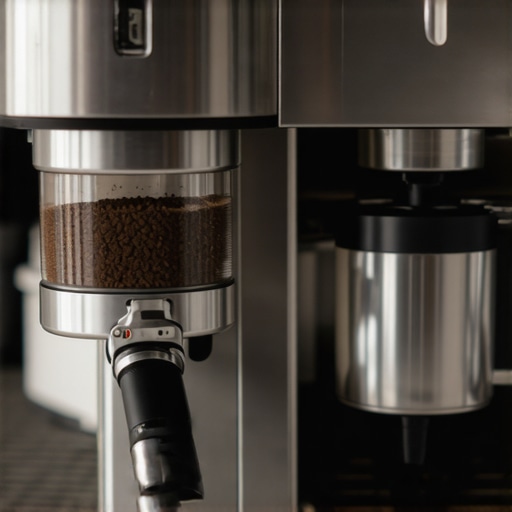
I remember the exact moment I realized my budget grinder was secretly ruining my morning espresso. Frustration mounted as I repeatedly pulled shots that tasted flat, sour, or just plain off. The penny-pinching purchase I thought was a good deal had turned into my secret espresso enemy. That’s when it hit me—my gear was holding me back, and I had no idea how much until I started paying closer attention.
The Hidden Problem with Cheap Grinders
Many home baristas, myself included early on, believe that a modestly priced grinder will do the job just fine. But the truth is, a $100 grinder often lacks the consistency needed for a perfect espresso shot. Uneven particle size distribution means that some grounds extract too quickly, leading to sourness, while others under-extract, resulting in bland flavors. It’s a classic case of being robbed of flavor by equipment that can’t deliver the precision required.
If you’re currently facing a persistent struggle to get that rich crema or balanced taste, chances are your grinder is the culprit. Upgrading to a reputable grinder can be a game-changer. For a comprehensive look at the best options for home baristas, check out our guide to [best coffee grinders and espresso machines in 2025](https://espressotechguide.com/best-coffee-grinders-espresso-machines-for-home-baristas-2025).
Is Better Equipment Always Better Coffee?
You might be skeptical, wondering if investing in more expensive gear truly makes a difference. I used to think that way too, until I made a crucial mistake—thinking that any grinder would do. I discovered that not all grinders are created equal, and that the quality of your grinder directly impacts your espresso’s flavor complexity and consistency. Leaning on cheap equipment might save money upfront but can cost you far more in the long run, both in wasted beans and perfect espresso dreams.
In the next sections, we’ll explore how to identify the right grinder for your setup and what other gear makes a real difference. Ready to stop sabotaging your shots and start brewing like a pro? Let’s dive in.
Select the Right Grinder for Consistency
Start by choosing a high-quality burr grinder rather than a blade model. Burr grinders crush beans uniformly, ensuring even extraction. When I upgraded from my generic grinder to a dedicated espresso grinder, I immediately noticed a difference in flavor clarity and shot stability. Look for grinders with stepless adjusters for precise control over grind size. For in-depth advice, check our review of [best coffee grinders in 2025](https://espressotechguide.com/best-coffee-grinders-espresso-machines-for-home-baristas-2025).
Dial in Your Grind Size Step-by-Step
Adjusting grind size is critical; too fine and your shots clog, too coarse and they water down. I recommend starting with a medium-fine setting, then pulling test shots while subtly tweaking until the flow is steady and the pour resembles warm honey. Use a scale to measure parameters consistently. Remember, small tweaks have big effects — patience and precision are your allies here. For detailed techniques, read our guide on [perfect grind adjustment](https://espressotechguide.com/ultimate-guide-to-coffee-grinders-milk-frothers-for-2025).
Perfect Your Tamp Technique
Applying even pressure when tamping ensures uniform extraction. Think of tamping as leveling the beans so water flows evenly through all grounds. I once rushed my tamp and ended up with channeling, which caused uneven extraction and sour notes. Use a tamper that fits your basket size comfortably and apply consistent pressure—around 30 pounds of force. A tamper with a textured handle improved my grip and control, leading to better shots. For more tips, explore [how to tamp like a pro](https://espressotechguide.com/ultimate-guide-to-coffee-grinders-milk-frothers-for-2025).
Master the Extraction Timing
Timing your shots is crucial. Aim for a 25-30 second extraction for a standard espresso. When I first timed my pulls, I realized my shots were either rushing or dragging. Using a stopwatch or grinder with a shot timer helped me find the sweet spot. A steady, slow drip that starts thick and turns to honey-like consistency is ideal. If your shots are sour or bitter, experiment with grind size and extraction time accordingly. For troubleshooting common issues, see [why your espresso is sour](https://espressotechguide.com/why-your-home-espresso-tastes-sour-3-pro-fixes-for-2026).
Fine-Tune Milk Frothing for Creamy Microfoam
Once your espresso is dialed in, perfecting microfoam completes the experience. Begin by cold-filling a pitcher and submerging the steam wand just below the surface. I found that positioning the wand at a 45-degree angle and maintaining a steady airflow produced velvety microfoam. Practice steaming small amounts to avoid overexpansion and scorching. For detailed techniques, visit [achieving silky microfoam](https://espressotechguide.com/how-to-get-silky-microfoam-on-cheap-home-machines-2026).
Adjust Based on Milk Type and Temperature
Different milks behave uniquely; whole milk creates richer foam, while skim foams more easily. I experiment with temperature settings—aiming for around 150°F—to prevent burnt flavors. Using a thermometer ensures consistency. With practice, you’ll learn to identify the right texture—smooth, shiny, and without large bubbles. For more advanced tips, look into [best milk frothers for home](https://espressotechguide.com/best-milk-frothers-barista-gear-for-perfect-coffee-2025).
Review and Iterate Constantly
Every batch of beans or change in equipment might require subtle adjustments. Keep notes of your settings and outcomes, much like a recipe. I once switched to a new bag of beans, which demanded a coarser grind and longer extraction. Documenting these details helped me consistently reproduce my favorite shots. Over time, this iterative process refined my skills, turning home brewing into a craft. For comprehensive routine improvements, see [home espresso tips](https://espressotechguide.com/home-espresso-tips-top-coffee-machines-grinder-reviews-2025).Many coffee enthusiasts focus primarily on selecting the right espresso machine or grinder, but what if I told you that most people overlook critical nuances that could make or break their home brewing experience? A common misconception is that investing in expensive equipment guarantees perfect results. However, even high-end machines can underperform if you don’t understand the subtle intricacies of grind consistency, temperature stability, or milk frothing techniques. For instance, a typical mistake is assuming that all grinders are equal; in reality, burr geometry and motor robustness significantly influence grind uniformity, which directly impacts extraction quality. According to a study published in the *Journal of Coffee Research*, grind particle size distribution accounts for up to 60% of shot quality variability, underscoring its importance beyond mere nominal settings. Moreover, many believe that milk frothers are a minor accessory—nothing could be further from the truth. The technique and equipment synergy are essential for microfoam that enhances flavor, as discussed in our detailed guide on [perfect microfoam](https://espressotechguide.com/ultimate-guide-to-milk-frothers-barista-gear-for-2025-3). An advanced mistake often made by home baristas is neglecting the importance of thermal stability during extraction; fluctuations even by a few degrees can shift flavor profiles, leading to sour or burnt notes. Be cautious of casual adjustments without understanding the underlying mechanics. Remember, the goal isn’t just good-looking shots but *consistent excellence*—something achieved only through attention to these nuanced details. Have you ever fallen into this trap? Let me know in the comments and share your experiences with uncovering these hidden aspects of home espresso craftsmanship.
Investing in the Right Tools for Lasting Quality
Choosing high-quality tools is only the beginning; maintaining them ensures your investment continues to deliver stellar results. I personally rely on the Baratza Virtuoso+ for its durability and consistent grind, and I make a point of cleaning it meticulously every two weeks to prevent bean oils from clogging the burrs. For my espresso machine, descaling every three months using a citric acid solution preserves its thermal stability and optimal extraction performance. Using dedicated cleaning cycles and high-quality descaling solutions, like Urnex Dezcal, extends the lifespan of your equipment and keeps flavors pure. Reliable tools reduce variability and make your brewing experience more predictable and enjoyable. As the trend toward smarter home brewing evolves, I expect more integrated maintenance alerts and app-controlled cleaning routines to emerge, simplifying upkeep even further.
How do I maintain my espresso setup over time?
Regular upkeep is essential to sustain the quality of your brew. For grinders, I recommend brushing the burrs daily with a soft brush to remove coffee residues, and deep cleaning with grinder-specific cleaning tablets monthly. Espresso machines require periodic descaling, thorough group head cleaning, and replacing worn-out seals and gaskets—think of it as preventing the system from faltering during crucial pours. I’ve found that creating a maintenance schedule and sticking to it has drastically improved the consistency of my shots. Keep in mind that the quality of your tools directly influences flavor; neglecting maintenance can lead to sour or burnt notes, even with the best technique. For detailed schedules, I follow expert advice from this comprehensive guide. Trying out these routine tips will save you headaches and enhance your appreciation of freshly brewed coffee every time.
The Hardest Lesson I Learned About coffee grinders,espresso machines,milk frothers,home espresso,barista gear
One truly eye-opening realization was that even seemingly minor details like tamping pressure or bean freshness could make or break my shot, underscoring that mastery lies in attention to nuance, not just equipment quality.
3 Myths About coffee grinders,espresso machines,milk frothers,home espresso,barista gear That Held Me Back
I once believed a fancy machine would mask technique flaws, but I discovered consistent results depend on understanding and honing each step. Overestimating equipment and neglecting process adjustments cost me time and flavor.
What Experts Won’t Tell You About coffee grinders,espresso machines,milk frothers,home espresso,barista gear
Many professionals keep their highest-rated tools—and secret tips—close to the chest, but the true game-changer is continually refining your skills, not just upgrading gear. Embracing a growth mindset is key to evolving as a passionate home barista.
My Essential Toolkit for coffee grinders,espresso machines,milk frothers,home espresso,barista gear
Personally, I swear by trusted brands like [best coffee grinders in 2025](https://espressotechguide.com/best-coffee-grinders-milk-frothers-for-home-baristas-2025-2) and durable espresso machines, supplemented with quality accessories like calibrated tampers and thermometers. These tools form the backbone of your coffee journey, allowing your technique to shine and ensuring consistent flavor every time.
Books That Changed How I View coffee grinders,espresso machines,milk frothers,home espresso,barista gear
Deepening my knowledge through expert literature and industry blogs helped me understand the science behind extraction and milk frothing, transforming my approach from trial-and-error to deliberate craft. If you’re eager to elevate your skills, consider exploring reputable resources that demystify complex concepts for home enthusiasts.
Where to Go from Here
Your home coffee setup is more than just equipment; it’s an evolving craft rooted in understanding, practice, and passion. Invest time in learning the subtle yet crucial techniques, and don’t hesitate to experiment—there’s always room for improvement. For comprehensive guidance, check out our ultimate guide to coffee grinders and milk frothers and discover how small adjustments can lead to extraordinary flavor. Remember, every cup you craft is a step closer to coffee excellence—so stay curious, stay patient, and enjoy the journey.


![Why 2026 AI Pressure Profiling Fails on Light Roasts [Fix]](https://espressotechguide.com/wp-content/uploads/2026/04/Why-2026-AI-Pressure-Profiling-Fails-on-Light-Roasts-Fix.jpeg)
Leave a Reply