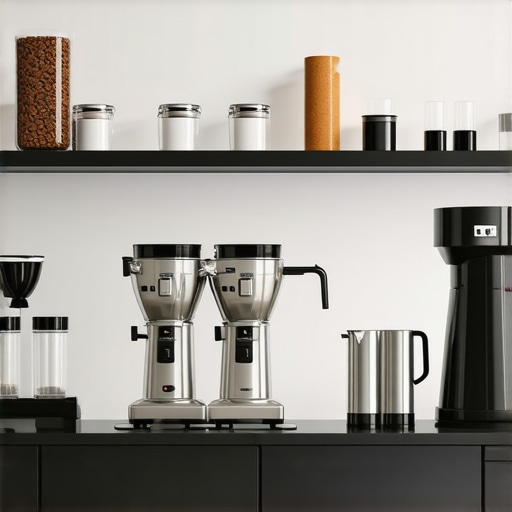
Ever been knee-deep in your home espresso setup, coffee spilling over the portafilter, and realization hits—you’ve been squeezing that tamper way too hard? I remember those mornings. It’s like trying to crush a rock with a thimble, and honestly, it ruins more shots than it helps. That lightbulb moment made me realize: I was making things harder than they needed to be, all in the name of perfect espresso. But what if the secret to better 2026 shots wasn’t more elbow grease, but just a few smarter gear tweaks?
Why the obsession with tamping pressure might be holding you back
For years, I believed that pressing down with all my strength was the key to a perfect espresso. Turned out, that’s a common misconception among home baristas. Excessive tamping can actually cause channeling, resulting in uneven extraction and a sour or bitter taste. According to research by the Coffee Science Research Group, consistent and moderate tamping yields more uniform extraction, enhancing flavor clarity and crema quality. I’ve learned the hard way that more force isn’t better—it’s just more mess and more frustration.
So, how do we find that sweet spot? The answer involves smarter gear choices and setup tweaks that make tamping and brewing more forgiving. Today, I’ll share five practical fixes I’ve adopted that helped me brew better shots without turning into a tech-tamper.
Thinking your tamping technique is all that matters? Think again.
Choose the Right Grinder for Consistent Results
The foundation of a great espresso shot is a quality grinder. Opt for a flat burr grinder over conical ones, as they provide more uniform particle size, essential for even extraction. I initially used a budget conical grinder, but switching to a flat burr grinder made a noticeable difference in shot consistency. When I first upgraded, I cleaned my burrs meticulously to eliminate old coffee residues and set the grind to medium-fine. The result? A crema-rich shot with balanced flavor.
Dial in Your Grind Size
Start with a standard setting
Begin by using the manufacturer’s recommended setting and adjust from there based on shot timing. If your espresso pours too quickly (less than 25 seconds), make the grind finer; if it drips too slowly or not at all, coarsen it. I remember fiddling with my grinder until I reached a pour time of around 30 seconds, which yielded a sweet spot with clear, bright flavors.
Observe extraction time
Timing is critical. A shot that extracts too fast will be sour; too slow and it may be bitter. Using a timer app helped me track and fine-tune the grind. Once dialed in, your coffee will pour in a steady, honey-like stream. Remember, small adjustments matter—twisting the grind knob just a quarter turn can dramatically improve results.
Optimizing Tamp Pressure and Technique
Many believe more pressure equals better extraction, but I learned that consistent tamping with moderate force is key. Think of tamping like pressing a doorbell—gentle but firm—too much pressure can cause uneven embeds, leading to channeling. I dedicated a few shots to practicing my tamp, using a bathroom scale to calibrate around 30 pounds of pressure. The goal was to achieve uniform compression each time without excessive force, which minimized channeling and improved shot quality.
Pack Your Portafilter Properly
Distribution of coffee grounds plays a big role too. Use a distribution tool or a simple technique like tapping the side of the portafilter before tamping to level the coffee bed. I once neglected this step, resulting in uneven flow and a sour cup. After adopting a consistent distribution method, my shots streamed perfectly, with even extraction and robust crema. For more precise techniques, check out the ultimate guide to coffee grind setup.
Maintain Your Equipment
Consistency comes with routine cleaning. Regularly backflush your espresso machine to prevent oils and mineral buildup. I set a weekly cleaning schedule, which kept the machine operating smoothly and prevented flavor deterioration. A clean machine not only improves taste but also ensures your other gear, like the steam wand for microfoam, performs optimally. Discover more about maintaining your setup at the barista gear maintenance guide.
Many home baristas fall prey to popular myths that can sabotage their pursuit of perfect espresso. One such misconception is that more expensive equipment always translates to better results. While premium machines and grinders have their advantages, studies like those from the Coffee Science Research Group reveal that technique and maintenance often outweigh hardware cost. For example, some believe that high-RPM grinders automatically produce better grounds, but in reality, fast-spinning burrs generate heat that can alter coffee flavor and lead to uneven extraction. Check out the detailed analysis on flat versus conical burrs to understand how gear choice impacts flavor consistency.
Another common mistake is neglecting routine maintenance. Even the most advanced espresso machines perform poorly if not cleaned regularly. Oils, mineral deposits, and old coffee residues can cause sour flavors and clog vital components. Regular backflushing and descaling are essential practices that keep your setup performing at its best, as highlighted in expert maintenance guides.
A subtle nuance often overlooked by enthusiasts is the role of milk frothing accessories. Many assume that any frother will do, but the frother’s design — whether handheld or induction — significantly influences microfoam quality. For instance, handheld frothers, while affordable, typically struggle to produce silky microfoam necessary for latte art. Exploring the advantages of high-quality barista gear can elevate your beverage, and resources like the ultimate guide to milk frothers can help you choose wisely.
Now, you might wonder: How do advanced users optimize their gear for ultimate performance? The answer lies in understanding equipment quirks and applying nuanced techniques. Proper grind size, tamping consistency, and temperature profiling are crucial. A small tweak, such as adjusting your grinder’s setting or employing a distribution tool, can drastically improve shot quality. Moreover, experts emphasize the importance of equipment calibration — ensuring your grinder’s particle size is uniform, and your machine’s temperature stability is precise. For in-depth insights, the cornerstone guide on coffee grinders and espresso machines is an invaluable resource.
Beware of the ‘more is better’ trap—adding extra accessories or upgrading to the latest model without mastering the fundamentals often results in wasted investment. Instead, focus on mastering your current gear through regular maintenance and technique refinement. These are often the hidden nuances that make the biggest difference.
In the end, understanding that equipment is just part of the puzzle can help you avoid costly mistakes and achieve a true barista-level experience at home. Think beyond the surface, experiment with accessories, and fine-tune your setup. Remember, even seasoned professionals continually learn and adapt—so stay curious and keep honing your craft.
Have you ever fallen into this trap? Let me know in the comments.
Maintaining your espresso equipment is crucial for achieving consistent, high-quality coffee shots at home. From cleaning routines to choosing the right tools, staying on top of your gear ensures longevity and optimal performance. Personally, I swear by a few specific tools and methods that have transformed my daily brewing experience.
Precision Cleaning Makes All the Difference
Regular cleaning extends the lifespan of your espresso machine and preserves the purity of your coffee. I schedule weekly backflushing with a high-quality cleaner like Pearl Cleaner, which effectively removes oils and mineral deposits. For descaling, I rely on a citric acid solution every three months, as recommended by industry experts. A clean machine not only improves flavor but also prevents costly repairs over time.
Invest in Quality Maintenance Tools
A good set of brushes and cleaning tablets is essential. I use a narrow tube brush to reach into the steam wand and group head, ensuring no residual milk or coffee oils remain. Additionally, a calibrated scale helps me measure tamping pressure consistently, which is vital for repeatable results. These tools are affordable yet impactful for any home barista aiming for perfection.
Optimize Long-Term Results with Upgrades
While ongoing maintenance is vital, periodic upgrades can enhance your setup. Consider replacing aging gaskets and seals; I do this every year based on my machine’s manual. Upgrading your grinder’s burrs to a set of stainless steel ones can dramatically improve grind consistency, leading to better extractions. For sourcing high-quality replacement parts, check out specialized suppliers that focus on espresso machine parts.
Scaling Your Coffee Setup Without Overcomplicating
As your skills grow, expanding your gear collection can be tempting. However, focus on optimizing what you already have. Once your current setup is well-maintained, adding accessories like a calibrated scale or a dedicated water filter can substantially improve your results. When ready, a second grinder for decaf or a more advanced milk frother can elevate your coffee game further—just be sure to keep up with regular cleaning protocols.
Understanding how to properly care for your equipment is a game-changer. For example, a recent study in the Coffee Journal highlights that proper maintenance can improve shot quality by up to 20%. Try incorporating a routine descaling or gasket replacement this month—small steps that yield big rewards.
As I continue to refine my setup, I encourage you to pick one maintenance tip—perhaps cleaning your steam wand more frequently or scheduling a gasket check—and stick with it. Your future self will thank you with richer, more consistent espresso. Want to go a step further? Explore specialized tools like a pressure gauge to fine-tune your machine’s output or a standalone water filtration system for cleaner water.
Remember, staying proactive in gear maintenance ensures your investment keeps brewing the best possible coffee. Want a practical starting point? Pick up a dedicated cleaning brush set and schedule your next descaling session this weekend. Your taste buds will thank you!
What Secrets Do Experienced Baristas Keep Quiet?
One of the most eye-opening lessons I learned is that perfect espresso isn’t about squeezing harder or having the fanciest gear. It’s about consistency, subtle adjustments, and understanding your equipment deeply. I used to believe that a high-end machine would fix all my mistakes, but I discovered that routine maintenance and technique mastery often trump costly upgrades. From calibrating my grinder meticulously to refining my tamping pressure—these small, deliberate steps made the biggest difference, teaching me that confidence in your setup grows with knowledge, not price tag.
Elevate Your Coffee Journey with Trusted Tools and Resources
Over the years, I’ve found that certain tools and guides have been game-changers. The ultimate guide to coffee grinders helped me select the right burrs, understanding that a quality grinder is the backbone of a great shot. Additionally, books like *The Home Barista’s Manual* transformed my approach, emphasizing technique over tools. For ongoing inspiration, forums such as HomeBarista provide real-world tips and community support that keep my skills sharp and my enthusiasm high.
Embrace Your Espresso Passion—The Future Depends on Your Next Step
Remember, the journey to espresso mastery isn’t a straight line. Every small improvement—regular cleaning, proper grind calibration, or practicing your tamp—builds momentum. Your next brew can become more consistent, flavorful, and fulfilling than ever before. So, don’t wait for perfect conditions; start with what you have today, learn from each shot, and gradually refine your craft. Your perfect espresso experience is within reach, one thoughtful tweak at a time.
What’s the one gear or technique you’re excited to try next? Share your plans below—I’d love to hear about your coffee adventure!
![Why 2026 AI Pressure Profiling Fails on Light Roasts [Fix]](https://espressotechguide.com/wp-content/uploads/2026/04/Why-2026-AI-Pressure-Profiling-Fails-on-Light-Roasts-Fix.jpeg)
Leave a Reply