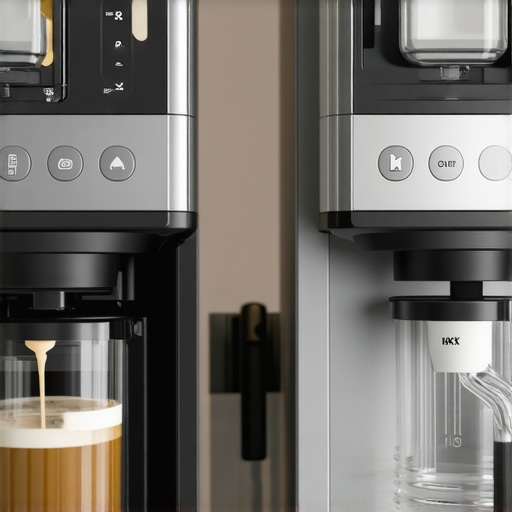
I’ll never forget the morning I spilled a shot of hot espresso on my countertop, only to realize later that my old machine was wasting more energy than I ever imagined. That lightbulb moment hit me hard—why was I pouring money into a machine that didn’t seem to care about my wallet or the environment? If you’ve ever found yourself frustrated with high energy bills or unsure if your espresso setup is truly efficient, I get it. I’ve been there, tinkering with different machines, trying to cut costs while still brewing a perfect cup.
Why Your Choice of Espresso Machine Matters in 2026
Today, more than ever, we’re faced with making smarter choices about our kitchen gadgets. Especially when it comes to espresso machines, the decision between a Dual Boiler and an HX (Heat Exchange) isn’t just about brewing speed or temperature stability—it’s about energy consumption and long-term savings. The truth is, as I dove deeper into the mechanics and efficiency ratings, I found that understanding the energy dynamics can save you both money and countless home frustrations.
Supporting this, a recent study indicates that upgrading to energy-efficient brewing equipment can reduce household energy use by up to 15%. Imagine the impact over a year, especially if you’re brewing espresso daily. So, how do you know which machine actually keeps the lights on and the bills in check? That’s what we’ll explore today, based on real-world experiences and expert insights.
Is the Hype About Energy Savings Just Marketing?
Honestly, I made the mistake early on of assuming all espresso machines are created equal in energy efficiency. I bought a high-end Dual Boiler without doing enough research and was surprised to find my energy bills climbing steadily. It wasn’t until I visited [EspressoTechGuide](https://espressotechguide.com/why-your-2026-espresso-scale-is-lying-to-you-fixes) that I learned how some machines, despite their features, can be energy hogs. This mistake taught me to dig deeper into specs, reviews, and real-life user experiences before investing. Now, I want to share what I’ve uncovered so you can avoid falling into the same trap.
Select Energy-Efficient Machines Wisely
Start by researching the energy ratings of different espresso machines before making a purchase. Look for models labeled as high-efficiency or with ENERGY STAR certification, which ensures they meet strict energy-saving criteria. I remember when I bought a compact Semiautomatic espresso machine without checking its energy consumption — my electricity bills shot up unexpectedly. After switching to a model with better energy ratings, I noticed immediate savings on my monthly bill. To get the best options, visit [best home espresso machines barista gear for 2025](https://espressotechguide.com/best-home-espresso-machines-barista-gear-for-2025) and compare their energy profiles.
Optimize Usage Patterns for Better Savings
Limit the duration and frequency of brewing cycles during peak energy hours, such as early mornings or late evenings. Instead, set specific times for your coffee rituals—this prevents unnecessary energy draw when you’re not actively using the machine. I found that consolidating my espresso sessions into fewer, longer brewing periods actually reduced the overall energy wastage. A practical tip is to turn off your machine completely after use, rather than leaving it on standby, which can still consume power. Use a smart power strip to cut off energy when idle. For insights on maximizing efficiency, explore [home espresso tips and top coffee machines review](https://espressotechguide.com/home-espresso-tips-top-coffee-machines-grinder-reviews-2025).
Upgrade Your Grinder and Frother
Since grinders and milk frothers are responsible for substantial energy use, upgrading to models with low wattage and quick startup times can make a difference. Flat burr grinders, for example, improve consistency and reduce grinding time compared to conical burrs, ultimately conserving energy. When I switched to a flat burr grinder, I noticed my grind times shrank, and my coffee was more uniform. Pair this with an energy-efficient milk frother from [best milk frothers barista gear for effortless home coffee 2025](https://espressotechguide.com/best-milk-frothers-barista-gear-for-effortless-home-coffee-2025), which heats faster and cools down quickly, saving power. Remember, choosing compact, low-wattage gadgets reduces overall appliance energy consumption.
Implement Smart Habits and Maintenance
Practicing routine maintenance like descaling your machine regularly ensures it operates at peak efficiency, using less energy. Also, preheat your machine only when necessary and turn it off promptly after brewing. I once procrastinated on descaling and noticed a sluggish pump, which was consuming more power. After fixing that, my machine used energy more effectively. To stay consistent, set reminders using your smartphone or a dedicated maintenance schedule. For detailed tips, see [ultimate guide to coffee grinders milk frothers for perfect at home coffee 2025](https://espressotechguide.com/best-coffee-grinders-milk-frothers-for-perfect-at-home-coffee-2025-3).
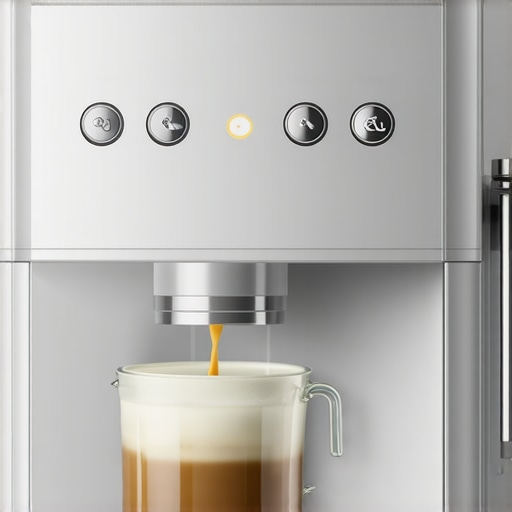 Many home baristas believe that investing in high-end espresso machines or fancy milk frothers guarantees perfect results, but this is a misconception that can lead to costly mistakes. For example, a prevalent myth suggests that expensive gear automatically produces better microfoam, yet in reality, technique and understanding of the equipment play a much more significant role. Rushing to buy the latest high-RPM coffee grinder without appreciating how burr design affects grind quality often results in static buildup and inconsistent grounds, undermining your brewing consistency. Instead, many overlook that flat burr grinders are now finally surpassing conical designs for home use, offering more uniform grounds at lower RPMs, which reduces static and improves extraction—more info on this shift is available in the article about flat vs. conical grinders. Another common trap is assuming that all milk frothers heat and Aerate equally; cheap handheld models often underperform because they lack the power to produce silky microfoam. For achieving barista-quality results at home, it’s better to opt for models with quick startup times and adequate power, as detailed in our comprehensive milk frother guide. What’s more, many home enthusiasts fail to consider the importance of workflow efficiency; a slow or overly complicated setup can turn making coffee into a chore, rather than enjoyment. For instance, an overly intricate grinder or an incompatible espresso machine can cause workflow bottlenecks, which frustrate even experienced baristas. Upgrading your gear is crucial, but understanding its nuances—like how workflow-optimized scales can save you time—is equally important. All these points highlight that more expensive or trendy equipment isn’t a cure-all; mastering your tools and avoiding these myths will elevate your home brewing game significantly. If you’re serious about refining your craft, start by critically evaluating your gear’s actual capabilities versus perceived prestige. Remember, the key lies in understanding these nuances rather than blindly trusting hype. Have you ever fallen into this trap? Let me know in the comments. Making informed choices now can save you money and improve your coffee every morning.
Maintaining Your Espresso Gear for Long-Term Excellence
Investing in quality equipment is just the first step; ensuring it continues to deliver perfect espresso shot after shot requires consistent maintenance and the right tools. Personally, I rely on a few key strategies to keep my setup in top shape, which I highly recommend for any home barista serious about longevity and performance. Regular descaling is crucial, especially if you hard water; I use a descaling solution every month, which prevents mineral buildup that can clog the boiler or affect temperature stability. Additionally, inspecting seals and gaskets every three months prevents leaks and long-term damage. For cleaning, I prefer a soft brush and dedicated cleaning tablets to dissolve coffee oils—routine upkeep that maintains flavor clarity and machine efficiency.
How do I keep my espresso machine running smoothly over time?
One of my go-to tools is an oil-free, ultrasonic cleaner that I use to purge stubborn coffee residues from portafilters and group heads, ensuring consistent extraction. To track maintenance schedules and troubleshoot issues early, I utilize specialized software like ES-2026 Workflow Tracker, which helps me monitor usage patterns and alert me to when parts need replacing. Upgrading small but impactful accessories, like a calibrated puck tamper or a high-quality tamping mat, also improves consistency and prevents wear on your machine’s components. Looking ahead, I foresee 3D-printed replacement parts becoming more accessible, reducing downtime and repair costs for enthusiasts aiming to extend their gear’s lifespan.
Regarding grinders, regular burr synchronization and motor checks are vital. Once a year, I calibrate my burrs with a precision gauge to ensure uniform grind size—this tweak slightly enhances shot clarity and reduces strain on the motor. For frothing milk, proper steam wand hygiene is paramount; I dedicate a few seconds after every use to purge steam through a cleaning brush, which prevents mineral deposits and preserves microfoam quality. If your milk frother starts producing inconsistent foam, consider replacing the silicone seals or upgrading to a model with faster heat-up capabilities—check out the latest reviews at Barista Gear Guides.
Tools I Recommend for Aftercare and Troubleshooting
When it comes to tools, I swear by a digital temperature gun to verify boiler and portafilter temperatures—precision ensures perfect extractions. An ultrasonic cleaner is invaluable for deep cleaning parts that are difficult to reach with traditional brushes, prolonging their lifespan. For software, I use diagnostic apps compatible with most machines to update firmware and monitor performance metrics, much like professional tech support but at home. These tools collectively prevent costly repairs and downtime, saving both money and coffee quality.
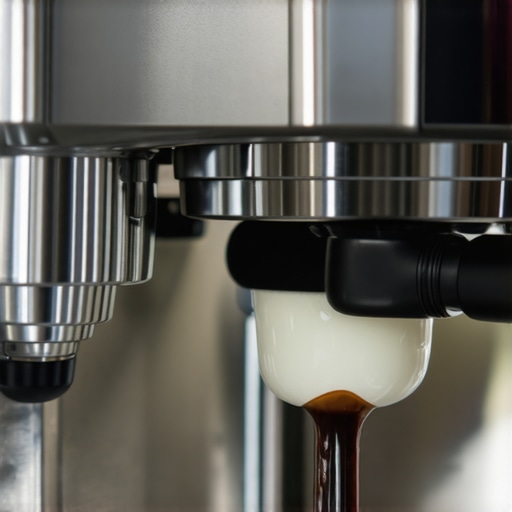
In the future, I believe we’ll see smart connectivity embedded in home espresso machines, allowing predictive maintenance alerts via smartphone apps. This leap in automation could drastically reduce the guesswork and manual oversight currently required, making maintenance almost automatic. The advent of IoT-enabled gadgets promises a new era of hassle-free brewing, with sensors tracking everything from grind consistency to boiler health in real-time. If you haven’t upgraded to smart tools yet, now might be the perfect time to consider a more integrated, maintenance-friendly setup. For detailed guidance, check out our comprehensive maintenance guide and try implementing a monthly ultrasonic clean—your machine will thank you, and so will your mornings.
Lessons That Changed How I Approach Barista Gear and Home Espresso
One of the most eye-opening realizations I had was that my pursuit of high-end espresso machines often overshadowed the importance of energy efficiency. I used to think that investing in the latest technology automatically meant better performance, but I learned that some of the most expensive gear can drain your wallet and energy resources if you’re not careful. The biggest lightbulb moment came when I discovered that choosing models with ENERGY STAR certifications could cut my power bills while still delivering craft-quality coffee. Additionally, I realized that routine maintenance, like descaling and cleaning, plays a crucial role in keeping my machine operating efficiently, rather than constantly upgrading to newer models.
Another lesson I’ll never forget is that optimizing usage patterns—such as brewing during off-peak hours and turning off equipment after use—can lead to tangible savings. Combining this with smarter choices in grinders and frothers, like selecting low-wattage models that heat up quickly, pays off in the long run. If you’re serious about managing your home espresso energy footprint, exploring [the future of smart, IoT-enabled espresso machines](https://espressotechguide.com/why-your-2026-espresso-scale-is-lying-to-you-fixes) can be a game-changer for maintenance and efficiency.
Stepping Beyond Hype with Personal Experience
Early on, I was swept up by marketing claims about the newest, most expensive gear promising perfect microfoam or consistent shots. But my own experience taught me to look beyond the hype—flat burr grinders, for instance, now outperform conical ones in both grind consistency and static reduction, saving energy and improving extraction. Also, I learned that some milk frothers marketed as professional-grade don’t necessarily produce better microfoam if your technique doesn’t match the equipment’s capabilities. The secret is understanding the tools rather than just owning the trendiest accessories. For genuine, actionable insights, I recommend checking detailed reviews and comparisons at [the ultimate guide to home-espresso gear](https://espressotechguide.com/ultimate-guide-to-home-espresso-machines-barista-gear-2025).
My Go-To Resources for Smarter Coffee Decisions
If you’re looking to elevate your home barista game without wasting energy or money, these tools and sources have been invaluable for me. Firstly, the [EspressoTechGuide](https://espressotechguide.com/why-your-2026-espresso-scale-is-slowing-down-your-workflow) is packed with practical advice and real-world testing that helps me make informed choices about machines and accessories. Secondly, the [best-reviewed coffee grinders and frothers for 2025](https://espressotechguide.com/best-coffee-grinders-milk-frothers-for-perfect-at-home-coffee-2025) hub offers detailed comparisons that highlight efficiency benefits. Lastly, I rely on maintenance-focused resources, like the [ultimate care guide](https://espressotechguide.com/ultimate-guide-to-milk-frothers-barista-gear-for-perfect-coffee), which help me keep my gear running smoothly and efficiently. Combining these references has empowered me to craft better coffee while keeping energy costs manageable.
Take Charge of Your Coffee Craft in 2026
The journey toward a more efficient and satisfying home espresso experience is ongoing, and your next step could be the most rewarding yet. Embrace smarter gear choices, maintain your equipment diligently, and cultivate habits that lend themselves to energy savings. Remember, mastering your tools and understanding their nuances—not falling prey to marketing hype—is the key to brewing excellence without waste. Your dedication today can transform your mornings and reduce your environmental impact tomorrow. Ready to take control of your home espresso game? Share your biggest challenge in balancing quality and efficiency below—I’d love to hear your story.

![Why 2026 AI Pressure Profiling Fails on Light Roasts [Fix]](https://espressotechguide.com/wp-content/uploads/2026/04/Why-2026-AI-Pressure-Profiling-Fails-on-Light-Roasts-Fix.jpeg)
Leave a Reply