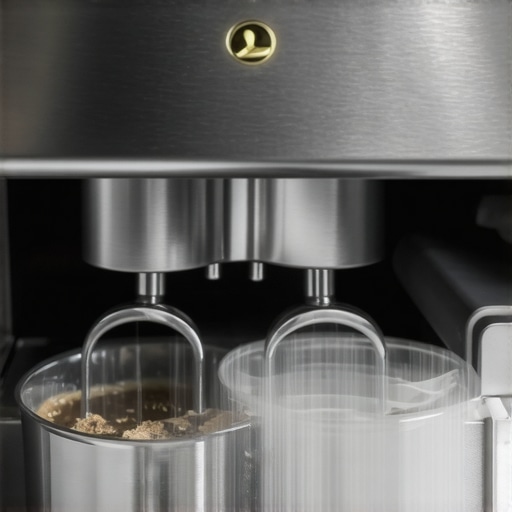
Have you ever pulled a perfect shot of espresso only to notice it tastes a bit off the next morning? Maybe your machine suddenly sputters or your coffee seems less vibrant. I remember the frustrating moment I realized my once-reliable espresso started to lose its sparkle, despite using the same beans and routine. That lightbulb moment made me dig deeper into maintenance practices—specifically, the overlooked habit of daily backflushing. When I started doing it consistently, my shots regained clarity, and my machine ran smoother than ever.
The Hidden Power of Daily Backflushing in Your Home Setup
In 2026, the importance of routine maintenance for home espresso machines can’t be overstated. Backflushing isn’t just a quick clean—it’s a vital step to preserving machine health, flavor quality, and ensuring your investment lasts. Many enthusiasts skip this step, assuming that a weekly or monthly cleaning suffices. But I’ve found that daily backflushing, especially with the right cleaning agents, keeps inner components free from oils, coffee residues, and mineral buildup that can tarnish the taste and performance over time.
Is Daily Backflushing Actually Worth the Hype?
Early in my journey, I made the mistake of dismissing daily maintenance, thinking a weekly clean was enough. That oversight led to clogged valves and uneven pressure, which negatively impacted my shots. Just like a car needs daily oil checks to run smoothly, your espresso machine requires consistent upkeep. Studies suggest that regular cleaning can extend your machine’s life and maintain optimal extraction, preventing costly repairs and degraded flavor—an eye-opener that convinced me to be more diligent. If you’re curious about the technical benefits, check out this guide on precision maintenance.
So, are you facing inconsistent shots or unexplained disruptions? Keep reading. I’m about to walk you through simple, effective steps to integrate daily backflushing into your routine, ensuring that every cup you brew is as perfect as the first day of use—and that your machine remains a trusted partner for years to come.
Start with the Basics of Backflushing
Pull out your espresso machine and gather a cleaning agent specifically designed for backflushing, such as a non-abrasive coffee machine cleaner. I once started a backflush routine by pouring a spoonful of cleaner into the blind filter basket and attaching it to my portafilter. After locking it into place on my machine, I activated the brew cycle to let the cleaner circulate through the internal valves and solenoid. Expect some spluttering or residue, but that’s part of breaking down oils and residues. Rinse thoroughly afterward by running water through the cycle without cleaner to avoid cross-flavor contamination.
Clean the Portafilter and Filter Baskets
Remove the filter basket and soak it in hot water mixed with a cleaning solution to loosen coffee oils. Use a dedicated brush or old toothbrush to scrub any stubborn grounds or buildup. Remember, your portafilter is like a barista’s hand tool — keep it spotless to ensure every shot pulls well. During my first attempt, I forgot to scrub the basket, and my shots tasted dull; a thorough cleaning made all the difference.
Manage the Internal Components Carefully
Open the brew group where possible — some espresso machines allow access to internal valves. Use a cloth or soft brush to wipe away any visible oil or residue. Be cautious not to damage or dislodge delicate parts, much like handling a high-end grinder burr set. Regular inspection ensures no blockages or leaks develop. If you notice persistent clogging, consider replacing worn-out parts or consulting a professional. For detailed maintenance, check out this guide on precision maintenance.
Incorporate a Daily Routine
Set a specific time each day, perhaps after your last shot, to perform backflushing. For me, doing it right after breakfast worked perfectly. Create a simple checklist: flush with cleaner, rinse with water, and wipe all accessible parts. Turn this into a ritual, just like preparing your favorite brew — over time, it becomes instinctive and effortless. Remember, consistency prevents buildup and ensures your machine performs at its best, delivering consistently rich espresso every time.
Handle Messes with Confidence
During my second attempt, I spilled some cleaner and water on the countertop. Instead of stressing, I used a damp cloth to clean immediately, which prevented staining or sticky residues. Keep some microfiber cloths handy, and don’t hesitate to run an extra water cycle if you suspect any residual cleaner. This proactive approach prevents long-term issues and maintains hygiene inside the machine’s internal pathways. If you’re unsure about the specifics for your model, review the manual or visit a trusted resource like this overview of home espresso machine maintenance.
How to Adapt Based on Equipment Type
Different machines require slightly different approaches. For manual machines, focus on cleaning the brew head and group without excessive disassembly. For semi-automatic or automatic models, follow manufacturer guidelines for internal cleaning. Upgrading your brews with newer coffee grinder or milk frother can also enhance the longevity of your machine, as cleaner grind and froth contribute less residue and oil buildup. Even a quick check of your grinder’s burrs using this burr health guide will ensure your setup stays optimal.
Never Skip the Final Rinse
After completing the backflushing process, run plain water through the machine for at least 15 seconds. This step flushes out any remaining cleaner or debris, similar to how rinsing your hands thoroughly prevents soap residues. I’ve found that skipping this step leaves a slight chemical taste in the espresso — not ideal. Proper rinsing preserves flavor purity and keeps internal components in top shape, ensuring every shot is a pleasure. For more tips on perfecting your routine, visit this guide on routine maintenance.Many home baristas assume that buying high-end equipment guarantees perfect espresso, but the real nuance lies in understanding the subtleties that most overlook. One prevailing myth is that more RPM—revolutions per minute—in coffee grinders always translates to better grind consistency. In truth, high-RPM grinders can generate excessive heat, which deteriorates delicate light roasts and causes uneven extraction, as highlighted in recent studies emphasizing the importance of optimal grinder speed for preserving bean integrity. Controlling grind temperature is an advanced aspect often neglected by amateurs, leading to stale flavors and stubborn static buildup, which can be mitigated by choosing grinders with lower RPMs or added cooling features. Additionally, many believe that milk frothers are simply accessories—they require precise technique and equipment calibration to achieve velvety microfoam, especially when working with alternative milks like oat or almond, which tend to scorch or not foam properly if not handled correctly. For the serious enthusiast, understanding the differences between handheld and induction-based frothers can elevate home brewing, but beware—using a cheap frother that doesn’t generate enough pressure can result in thin, inconsistent microfoam. Have you ever fallen into this trap? Let me know in the comments.
Are Higher RPM Grinders Always Better for Light Roasts?
Expert insights suggest that grinders with excessively high RPMs, such as those exceeding 1500 RPM, can cause heat buildup that negatively affects nuanced light roasts by prematurely releasing volatile aromatics or causing uneven grind particles. To preserve delicate flavors, select grinders that operate at lower RPMs or incorporate cooling mechanisms. For more on this topic, check out this detailed guide on the significance of grinder speed and temperature management in maintaining coffee freshness.
Maintaining your home espresso setup isn’t just about daily routines; investing in the right tools can significantly enhance longevity and performance. Over the years, I’ve refined my toolkit, choosing equipment that offers precision, durability, and ease of use—elements crucial for consistent results. For instance, using a calibrated tamper ensures uniform pressure, vital for extracting rich, balanced shots consistently. A high-quality clean-in-one machine cleaner, such as Dezcal, has become my go-to for deep internal descaling, preventing mineral buildup that can harm boilers and valves.
How do I keep my coffee grinder in top shape over time?
In my experience, regular replacement of burrs is non-negotiable. I schedule a burr health check every 5,000 grams of coffee—based on the manufacturer’s recommendations—and opt for flat burrs over conical ones, as they maintain more consistent grind size under prolonged use. To verify protection against static and heat buildup, I rely on grinders with cooling features—like integrated fans or heat-dissipating materials—especially for light roasts where precision is essential. For high-end models, I prefer grinders listed in this recommended gear list.Regular upkeep extends beyond cleaning; keeping internal components lubricated with food-grade lubricant, checking seals for wear, and replacing worn parts preemptively can save you costly repairs later. I also utilize a digital scale with a built-in timer—such as the Acaia Pearl—that helps me monitor extraction times with precision, ensuring consistency and optimizing flavor profiles. As the industry progresses, expect to see AI-powered maintenance apps that analyze grinder and machine performance, alerting you when service is due—an exciting development that will make upkeep more proactive.
In my journey, I’ve found integrating these tools and routines transforms maintenance from a chore into a safeguard that keeps my gear performing at professional levels. Upgrading to a grinder with programmable dose settings, for example, has streamlined my workflow, reducing wasted coffee and ensuring repeatable results. Also, using a magnetized tamper base keeps my tool tidy and free from debris, subtly improving shot consistency. As trends lean towards smarter, connected equipment, I predict future innovations will provide real-time diagnostics and remote support, minimizing downtime and prolonging equipment lifespan.
Staying on top of maintenance can seem daunting, but adopting targeted tools and routines makes it manageable. Try implementing a burr replacement schedule or investing in a precise scale; these small steps can yield big improvements in your espresso quality. Remember, consistent care isn’t just about smooth operation—it’s the secret to unlocking the full potential of your home espresso setup and enjoying café-quality drinks every day.
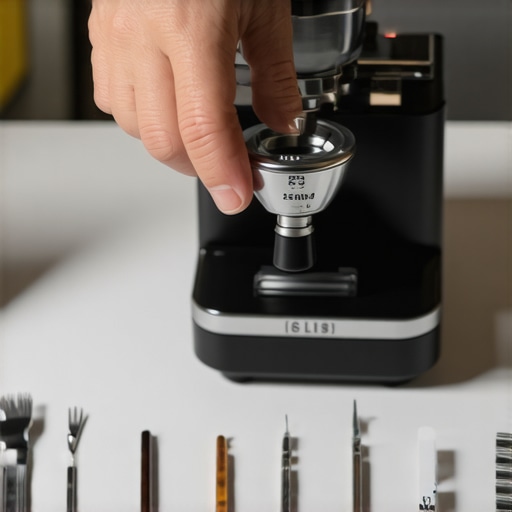
The Hidden Lessons Espresso Machines Taught Me About Consistency
One of the most surprising insights I gained was that even the most advanced espresso machine can falter without regular, mindful maintenance. I used to believe that high-end gear was enough to guarantee perfect shots, but neglecting simple routines like daily backflushing often led to plateaus in flavor and performance. It dawned on me that consistency in small habits ensures your machine remains a trusted companion, serving up stellar espresso with each pull. That lightbulb moment transformed my approach from reactive troubleshooting to proactive care, elevating my home barista game.
Another revelation was how vital understanding the internal workings of your machine truly is. Piercing the surface to learn about valves, solenoids, and boiler health demystifies the equipment and empowers you to troubleshoot minor issues before they escalate. When I started viewing my machine as a precision instrument rather than just a coffee maker, I discovered that informed upkeep leads to better tasting espresso and longer-lasting equipment. Dive deeper into this perspective with resources like the precision maintenance guide.
Lastly, I realized that routine isn’t just about cleanliness—it’s about nurturing a relationship with your setup. When I incorporated a quick but thorough daily backflushing ritual, brewing stopped feeling like a task and became an act of care and craftsmanship. It’s akin to tending a garden; regular attention yields the most vibrant, flavorful results. Embrace this habit, customize it to your schedule, and watch your espresso quality and machine longevity flourish.
Curated Tools for Espresso Excellence
Over the years, I’ve curated a toolkit that keeps my home espresso setup performing at its best. First, a high-quality coffee grinder with precise burrs is essential; it ensures uniform grounds that extract perfectly. Next, a dedicated milk frother capable of velvety microfoam elevates your latte art and saves time during busy mornings. Lastly, a reliable digital scale with timer helps me dial in shot times for that perfect extraction. These tools form the foundation of a consistent, enjoyable home espresso experience, and I trust them because they meet my standards for durability, precision, and ease of use. Explore more recommendations in the gear list for home baristas.
Investing in quality equipment isn’t just about performance—it’s about peace of mind. When I upgraded my grinder and calibrate it regularly, the difference in shot clarity was unmistakable. Pair that with understanding your machine’s quirks through detailed guides, and you’re well on your way to becoming your own barista technician, enjoying café-standard espresso every day.
Seize Your Espresso Journey Today
Take the leap into consistent, mindful maintenance—your palate and your machine will thank you. Whether you’re new to home brewing or a seasoned enthusiast, integrating daily backflushing and proper tool management transforms your routine into a ritual of excellence. Ready to enjoy rich, flawless espresso from your own setup? The future of home barista mastery is in your hands. Share your experiences or questions below—I love hearing about your journey towards coffee perfection!
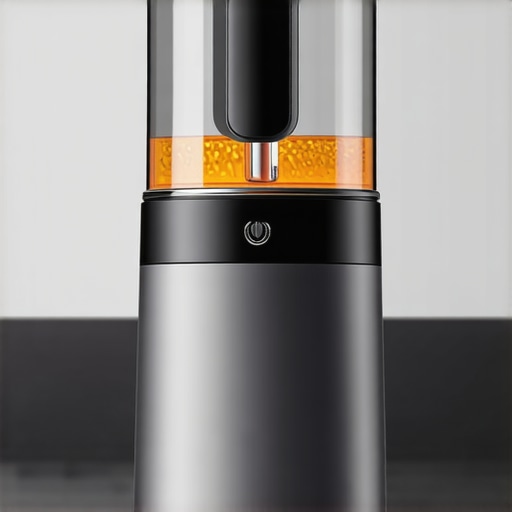
![Why 2026 AI Pressure Profiling Fails on Light Roasts [Fix]](https://espressotechguide.com/wp-content/uploads/2026/04/Why-2026-AI-Pressure-Profiling-Fails-on-Light-Roasts-Fix.jpeg)
Leave a Reply