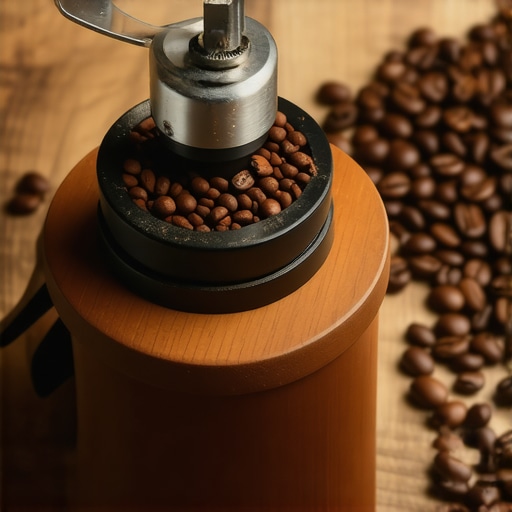
It was a morning just like any other, but as I pressed the button to grind my favorite coffee beans, nothing quite felt right. The spout clanged strangely, and my pour-over looked inconsistent—stuck with uneven extraction that left me questioning if I’d wasted my beans again. That lightbulb moment hit hard: my grinder’s burrs must be misaligned. And suddenly, I realized I wasn’t alone. Many home baristas face this silent enemy, often without even knowing.
Today, I want to share how I discovered that misaligned burrs are often lurking behind those espresso shots that just don’t taste right anymore. We’ll dive into the signs that your grinder’s burrs are off-kilter and how to fix them before your beans go to waste. Because, honestly, I’ve learned that ignoring this small issue can snowball into bigger problems—wasted beans, compromised flavors, and a lot of frustration.
Why You Can’t Ignore Burr Alignment in 2026
Imagine the effort you put into sourcing top-notch beans, dialing in your espresso, and mastering every technique only to have it all ruined by a simple misalignment. That’s exactly what happened to me early on. I kept blaming my grinder or my technique, but the root cause was often a burr alignment gone awry. It’s a common mistake, especially as machines age or if you move your grinder around too much.
The importance of proper burr alignment can’t be overstated. When your burrs are misaligned, the grind size becomes inconsistent, which means your extraction suffers, leading to sour, bitter, or flat flavors. Plus, uneven grinding puts unnecessary strain on your machine, reducing its lifespan. It’s like trying to carve a sculpture with a dull knife—you won’t get the clean lines you desire, and it’s exhausting.
Supporting this, a detailed guide on maintaining coffee grinders highlights that regular calibration can drastically improve shot quality and reduce waste. Quite impressive, considering this maintenance often gets overlooked. So, if you’re tired of guessing why your coffee isn’t turning out as expected or secretly wasting beans, it might be time to check your burr alignment.
Have you experienced a sudden drop in grinder performance or noticed inconsistent grind sizes? My guess is yes—because it’s a common challenge among home baristas in 2026. In the upcoming sections, I’ll walk you through the early signs that signal misaligned burrs and how to correct them step by step. Trust me, with a little effort, you’ll be back to brewing delicious, waste-free coffee in no time!
Prepare Your Workspace and Gather Tools
Before you begin, clear your work area and gather necessary tools like a screwdriver, microfiber cloth, and possibly a small brush. Ensure your grinder is unplugged to prevent accidents. I remember one rainy Saturday when I attempted this; the workspace was cluttered, and I had to pause twice to find my tiny screwdriver, but proper preparation paid off with a seamless adjustment.
Access the Burrs Carefully
Remove the hopper and any bean residues, then unscrew the burr housing according to your grinder’s manual. Think of this as opening a tiny treasure chest—gentle handling prevents damage. I once hurried and accidentally stripped a screw, leading to a frustrating re-tightening process, so patience is essential here.
Inspect and Clean
Check for jammed particles or build-up and clean with a brush or cloth. A clean setup allows for precise adjustments. During my first attempt, neglecting this step caused uneven burrs, and my espresso shots remained inconsistent. Remember, dirt is the enemy of precision.
Identify Misalignment Symptoms
Look for burrs that are wobbling or not perfectly parallel. Manual testing by gently moving the burrs can reveal play or unevenness. I noticed my grind became coarser unexpectedly; that was my first hint that burrs had shifted. Recognizing these signs early helps target correction.
Adjust the Burrs
Loosen the screws slightly, then realign the burrs so that their edges are flush and parallel, much like adjusting two puzzle pieces to fit perfectly. Use a ruler or the inner calibration markings if available. In my case, aligning the burrs visually and then testing with a few beans confirmed a uniform grind size, saving me from wasting coffee.
Fine-Tune for Consistency
Gradually tighten screws while checking the alignment, ensuring no wobble. Run a test grind—if the particles are uniform and the grind size consistent, you’ve succeeded. I advise doing this slowly, as over-tightening can distort the alignment. Remember, small adjustments go a long way.
Reassemble and Test
Put everything back carefully, run a batch of test beans, and inspect the grind size. An evenly ground batch indicates proper alignment. After one messy trial where I over-tightened and caused a jam, I learned that patience and iterative testing are crucial. Keep notes on your adjustments for future reference.
Regular Checks Keep Results Fresh
Consider this a routine part of grinder maintenance—every few months or after moving the grinder. Frequent checks prevent deterioration and ensure your espresso stays crisp. I now schedule monthly calibration, which has dramatically improved my consistency. For more insights on maintaining your gear, check out this comprehensive guide to coffee grinder maintenance.Many coffee enthusiasts jump into upgrading their equipment with the belief that better gear automatically guarantees superior espresso. However, a common misconception is that simply purchasing high-end machines or accessories solves all brewing issues. In reality, the nuances of setup, maintenance, and understanding your equipment’s quirks are what truly matter. For instance, some assume that a more expensive grinder always produces better grounds, but as discussed in the ultimate guide to coffee grinders, factors like burr geometry and alignment are often more critical than price alone. Overlooking these details can lead to frustration and wasted investment.
A frequently overlooked aspect is the importance of consistent workflow and calibration. Merely owning a top-tier espresso machine won’t deliver optimal shots if the machine isn’t regularly backflushed or if the temperature is not properly stabilized. Budget machines with advanced thermal stability, as reviewed in budget-friendly options, can outperform more costly models if used correctly.
Another myth is that milk frothers are all created equal. Many believe that a handheld frother can replace a professional-quality steaming wand, but the difference in microfoam quality is significant. External sources, such as the ultimate guide to milk frothers, highlight how factors like steam wand design and technique influence milk texture.
For serious home baristas looking to refine their setup, understanding the distinction between flat and conical burrs is crucial. Flat burr grinders, which have become popular in 2026, tend to offer more uniform grounds but require precise alignment and calibration. This detail is often neglected, leading to inconsistent extraction and flavor; for an in-depth analysis, see the recent on nuanced grinder performance.
Advanced users should ask themselves: How does grind path and burr surface wear affect extraction consistency over time? Studies suggest that burr wear can subtly alter grind size distribution, impacting espresso quality even before visible signs emerge. Regularly inspecting and calibrating your grinder, rather than blindly relying on specifications or brand reputation, ensures sustained performance. This is particularly important given the trend toward single dosing and zero-retention grinders, which are more sensitive to burr surface conditions.
Have you ever fallen into this trap of oversimplifying gear quality? Let me know in the comments. Remember, mastering your setup often entails more finesse than just upgrading your equipment—attention to detail, maintenance, and understanding nuanced performance attributes are what elevate your home coffee experience.Maintaining your home espresso setup requires investment not only in quality gear but also in reliable tools and routines that keep everything operating smoothly. Personally, I swear by a few specific items that have stood the test of time, and I recommend them to any serious home barista.
Precision Calibration Tools Ensure Consistency
One of the most overlooked aspects is the importance of precise calibration. I use a digital caliper, which I calibrated regularly using a certified gauge block, to measure burr parallelism and gap sizes accurately. This small step has made a huge difference in maintaining grind consistency. For grinders, I rely on a calibration disc specific to my model, which I check monthly, ensuring that burrs stay aligned and performance remains optimal. For more insights into grinder calibration, read this comprehensive guide.
Mastering the art of home espresso begins with attention to the smallest details—like your grinder’s burrs. When they’re misaligned, even the best beans can turn into a bitter disappointment. Remember, a perfectly calibrated burr set not only enhances flavor but also extends your equipment’s life, saving you money and frustration in the long run. Embracing regular maintenance, including burr alignment, transforms your brewing routine from patchwork to poetic—and that’s the secret that many home baristas cherish.
Lessons from the Coffee Guru’s Journey to Consistency
- Patience over haste is a game-changer: Rushing through burr adjustments often leads to incorrect alignments, which can then cause more harm than good. I learned this the hard way, stripping screws and squandering beans. Slow, deliberate movements with a calibration tool often yield the best results.
- Every grind tells a story: Uneven particles, inconsistent extraction, or flavor swings are clues that your burrs are out of whack. Tuning into these signs helped me catch issues early before they snowballed into costly fixes or ruined brews.
- Documentation makes life easier: Keeping notes on my calibration settings and adjustment steps meant I could revert back if needed. This simple habit turned me into a more confident and efficient home barista, even on busy mornings.
- The real upgrade is in knowledge, not just gear: No high-end machine can compensate for misaligned burrs. Regularly calibrating and understanding your grinder’s mechanics ensures each shot is as good as the last, proving that mastery over maintenance is the true mark of a seasoned enthusiast.
- Fortify your skills by delving into trusted guides and expert recommendations. Tools like a digital caliper or calibration disc, combined with a compassionate understanding of your machine, empower you to troubleshoot with confidence. For more on this, explore the ultimate guide to coffee grinder maintenance.
Boost Your Setup with Trusted Tools and Resources
- Precision calibration tools: My digital caliper has become an extension of my hand, enabling precise measurements that keep my burrs perfectly aligned. Regular use ensures consistent grind size, which translates into better flavor extraction.
- Clear manuals and video tutorials: Visual aids from reputable sources clarify the alignment process. The community’s wealth of knowledge, like the comprehensive guides, have been invaluable in honing my skills.
- Affordable yet reliable calibration discs: These make alignment checks straightforward and quick, perfect for maintaining that ‘just right’ grind every morning. Investing in these small tools pays off by preventing larger, more costly repairs down the line.
- Expert insights and forums: Engaging with fellow enthusiasts through trusted platforms accelerates learning. Sharing experiences, asking questions, and exchanging tips keep my practice fresh and effective. Check out the [home espresso community](https://espressotechguide.com/best-coffee-grinders-for-home-espresso-in-2025-ultimate-buying-guide) for ongoing support and ideas.
Your Dream Brew Awaits—Take Action Today
Becoming adept at burr alignment isn’t just about fixing an issue; it’s a gateway to unlocking the full potential of your home espresso setup. With patience, the right tools, and a passion for learning, perfect shots become achievable every day. Your journey from frustrated beginner to confident barista starts now—arm yourself with knowledge and gear, and enjoy the beautiful process of mastering your craft.
What’s the first step you plan to take toward improved grinder calibration? Share your plans below—I’d love to hear about your progress!
![Why 2026 AI Pressure Profiling Fails on Light Roasts [Fix]](https://espressotechguide.com/wp-content/uploads/2026/04/Why-2026-AI-Pressure-Profiling-Fails-on-Light-Roasts-Fix.jpeg)

Leave a Reply