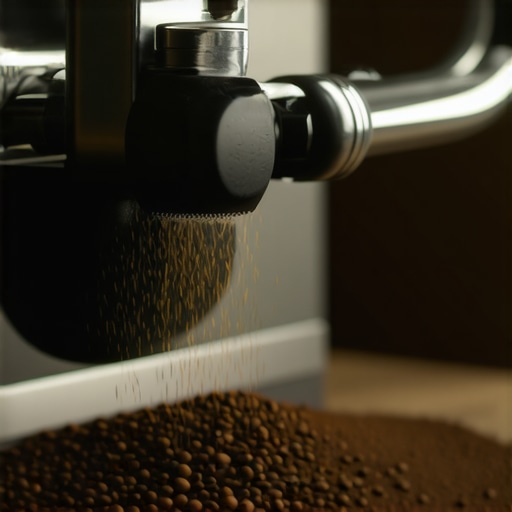
I’ll never forget the moment I pulled a shot that was utterly ruined—an overly sour, thin mess—and realized my brand-new high-end grinder was the culprit. It looked pristine, felt solid, and boasted all the latest features, yet I was battling fines and inconsistent extraction. That frustration hit me hard because I had invested so much in gear that was supposed to elevate my home espresso game. Sound familiar? If you’re like me, you’ve probably wondered, “Why is my high-end grinder still producing too many fines despite all the bells and whistles?”
Getting to the Root of Fines in Your High-End Grinder
Many home baristas assume that owning the latest, most-expensive grinder automatically guarantees perfect grounds. But that’s only half the story. Why do some top-tier grinders still produce fines? The truth is, there’s often a misconception about how grinders work and what causes those tiny, stubborn particles. Early on, I made the mistake of thinking calibration and burr quality alone would solve the issue. It wasn’t until I dug deeper that I realized things like static buildup, burr alignment, and grind chamber design also play huge roles. For instance, static cling can cause fines to stick to the burrs and chamber, leading to inconsistent extraction. For practical fixes, I recommend checking out [this guide](https://espressotechguide.com/5-fixes-for-squeaky-coffee-grinder-motors-in-2026-tested) which covers common mechanical issues that contribute to fines and static. Addressing these can make a dramatic difference.
Is Your Grinder Overhyped or Truly Worth It?
Trust me, I’ve bought grinders that promised precision but ended up causing more fines and static, simply because I overlooked basic maintenance and setup. It’s tempting to believe the latest model, with all its rave reviews, is automatically better. But the reality is that even premium grinders need regular tweaks, just like any high-performance tool. So, if you’ve been battling fines and wondering why your high-end setup isn’t delivering the silky consistency you see online, you’re not alone. The good news? With some simple adjustments, you can tame those fines and unlock the grinder’s full potential. Ready to get started? Stay tuned—I’ll walk you through specific tips and tricks that turned my brewing frustrations into barista-grade shots.
Adjust Your Burrs Precisely
Begin by calibrating your burr alignment; even slight misalignments can cause irregular particle sizes. Use a calibration tool and follow the manufacturer’s instructions carefully. I once spent hours adjusting mine until I noticed a smoother pour and fewer fines, especially after cleaning the burrs to remove any residual coffee debris that may cause uneven grinding.
Manage Static Build-Up Effectively
Static is a silent culprit that causes fines to cling everywhere. To reduce static, try lightly humidifying your kitchen environment or inserting a grounding strip inside the grinder to dissipate static charges. Once, I placed a small metal plate connected to the grinder’s chassis, which noticeably reduced static cling and improved grind consistency.
Use Anti-Static Additives or Coatings
Some baristas apply anti-static sprays or coatings designed for grinders. Test in a small area first to ensure safety with your specific machine. After applying, I observed a significant drop in fines sticking inside the chamber, leading to more uniform grounds.
Optimize Grind Settings Regularly
Don’t set and forget—your grinder’s burrs can drift out of alignment over time, especially with high usage. Dial in your grind repeatedly, aiming for a consistent particle size. For me, recording adjustments in a log helped track changes and maintain optimal settings, especially when switching between beans or roast levels.
Clean and Maintain Your Equipment
Residual oils and old grounds can cause burrs to stick, producing uneven particles. I recommend a thorough cleaning weekly, including brushing out the chamber and using grinder-specific cleaning tablets. After cleaning, I noticed a marked improvement in grind uniformity and a reduction in fines, especially when I combined this with recalibrating the burrs.
Fine-Tune Your Grind Size Gradually
Make small, incremental changes to your grind size—about a quarter turn at a time—to find the sweet spot. Avoid large jumps that disrupt consistency. I once attempted to instantly switch from espresso to French press coarseness, which resulted in excessive fines. Gradual adjustments allowed me to control the size distribution precisely.
Prevent Overloading or Underloading
Grinding too much coffee at once can overload the chamber, causing uneven particle distribution. Conversely, too little can lead to static and fines. Use the manufacturer-recommended dose and distribute the beans evenly in the hopper. I learned this tip from a fellow barista, observing that consistent dosing resulted in fewer fines and better extraction.
Experiment with Distribution Techniques
After grinding, ensure an even distribution of grounds in the portafilter—use a distribution tool or a gentle tap to level the bed. This step minimizes channeling and helps produce a more consistent shot, with fewer fines disrupting the extraction process. Once, I noticed that distributing grounds improved my shot clarity significantly.
Leverage Community Insights and Resources
Join online forums or follow trusted sources like this guide for the latest tips on grinder maintenance. Sharing experiences with fellow enthusiasts often uncovers simple fixes that yield immediate results. I found that swapping advice with others helped me identify issues with static and burr alignment I hadn’t noticed myself.
Many home baristas fall prey to misconceptions that can hinder their journey toward espresso mastery. One pervasive myth is that investing in the most expensive gear guarantees flawless results. While high-end equipment is beneficial, studies show that user technique and setup play a bigger role in extraction quality than price alone. For example, even the best grinders can produce inconsistent grounds if not properly calibrated or maintained, leading to uneven extraction and bitter or sour shots. To truly elevate your brewing, it’s crucial to understand the nuances of your gear and avoid oversimplified assumptions.
Another common trap involves over-reliance on features like steam wands or programmable settings, without mastering fundamental techniques. A powerful steam wand won’t compensate for poor milk texturing skills, which is a frequent mistake. Instead, invest time in learning proper steaming and frothing methods; the right technique often outweighs the latest gadget upgrades. If you’re curious about optimizing your setup, exploring articles on barista gear essentials can provide practical insights.
A hidden nuance many overlook is the impact of static build-up in high-end grinders. Static can cause fines to cling to chamber walls, resulting in inconsistent dosing. Contrary to the belief that static is an unavoidable nuisance, solutions like grounding static suppressors can dramatically improve grind consistency. In fact, static management has become a focal point for advanced home espresso aficionados aiming for barista-level shots.
Have you ever fallen into this trap? Let me know in the comments.
Keeping It Running: Tools I Recommend for Home Baristas
Maintaining your espresso setup isn’t just about cleaning; it’s about investing in the right tools that keep your equipment performing flawlessly over time. One of my top recommendations is a precision calibration scale, like the digital espresso scale. I use mine daily to measure shot timing and dose weight, which directly influences extraction consistency. Consistent dosing leads to more predictable results, especially when dialing in new beans or adjusting grind settings. Pro tip: Regularly calibrate your scale with certified weights—this small step guarantees your measurements stay accurate, preventing subtle but impactful inconsistencies.
Another indispensable tool is a brush specifically designed for grinder cleaning, such as the Barista Gear Precision Cleaning Brush. Coffee grounds and oils inevitably accumulate inside your grinder, especially around burrs and inside the grind chamber. I clean my grinder thoroughly with it every week; this ensures static isn’t exacerbated by stubborn debris and fines don’t cling to dirty surfaces, which can interfere with grind size and flow. Proper cleaning interfaces directly with the longevity of your burrs, preventing uneven wear and micro-cracks that compromise grind quality.
How do I maintain my equipment over time?
Focus on a regular cleaning schedule—at least weekly for grinders, monthly for espresso machines—and keep a journal of adjustments and maintenance tasks. For example, I log burr calibration points and cleaning dates, which has saved me from guesswork when troubleshooting shot inconsistencies. Remember, small investments in preventive maintenance pay huge dividends by avoiding costly repairs or replacements down the line. Visiting this highly-rated guide helped me understand key maintenance routines tailored for high-end machines and grinders.
In the future, I predict more automated diagnostic tools integrated into home equipment, providing real-time alerts for wear or misalignment. This proactive approach will empower baristas at home to address issues before they affect flavor or performance. For now, meticulous maintenance paired with reliable tools remains your best strategy for consistent, delicious espresso.
Finally, don’t forget to check out this guide on essential barista gear for ideas on enhancing your setup, including maintenance accessories and auxiliary tools. Try implementing a weekly cleaning routine with your grinder brush and calibrate your scale monthly—you’ll notice the difference in shot quality and equipment durability.

Through my journey with high-end grinders, I discovered that even the most sophisticated machines require a nuanced touch to truly shine. The lessons learned went beyond technical adjustments; they reshaped my entire approach to coffee at home. From experimenting with static management to understanding burr alignment at a personal level, each insight propelled my espresso craft forward. The key takeaway? Personal attention, consistent maintenance, and a willingness to learn are the true ingredients behind perfect extraction. Embrace the process, stay curious, and your skill will elevate alongside your gear.
![Why 2026 AI Pressure Profiling Fails on Light Roasts [Fix]](https://espressotechguide.com/wp-content/uploads/2026/04/Why-2026-AI-Pressure-Profiling-Fails-on-Light-Roasts-Fix.jpeg)
Leave a Reply