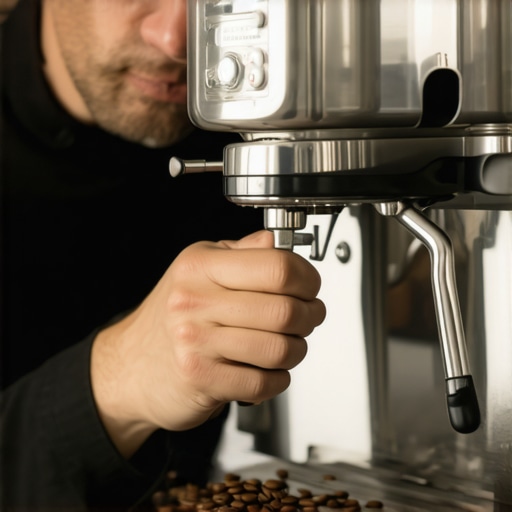
Imagine pulling a perfect shot of espresso, the aroma filling your kitchen, and just as you flip the cup, the portafilter handle wobbles loose, nearly spilling all your hard work. That frustrating moment used to be a common nightmare for me—until I finally understood what was really going on. A loose portafilter handle isn’t just a minor annoyance; it can destroy your espresso’s flavor, cause uneven extraction, and even damage your equipment over time.
Why Tackling Loose Portafilter Handles is a Game-Changer
As an avid home barista, I’ve learned that a secure fit between the portafilter and the espresso machine is fundamental. If your handle feels loose or wobbles after every shot, you’re not alone. But here’s the thing—improving this connection isn’t just about convenience. It influences your shot consistency, the cleanliness of your setup, and ultimately, the quality of your brew.
Over time, I realized that ignoring a loose handle can lead to stubborn leaks, uneven tamping, and in worst cases, damage to your machine’s threads. Recognizing this early can save you money and frustration. According to recent insights, even tiny misalignments in your portafilter can significantly affect extraction quality—so much so that experts warn it might be as detrimental as using the wrong grind size or tamping pressure (source).
Have you faced that unsettling feeling in your hand when your portafilter handle feels unsteady? If yes, then you’re in the right place. Today, I’ll share three pro tips that will help you tighten and secure that handle for good, turning your daily espresso routine into a more consistent and enjoyable experience.
Is Fixing a Loose Portafilter Handle Really Worth the Effort?
I used to think it was just a minor quirk, something I could ignore until I realized it was a huge problem—causing uneven extraction and muddy flavors. My early mistake was simply tightening it without understanding the root of the problem, which only led to further issues. Now, I know that a proper fix involves identifying the right cause and applying targeted solutions. If you’ve been skeptical about investing time into this, consider how much your shot quality might improve—and how much frustration it could save you in the long run.
Remove and Inspect the Portafilter
Start by carefully detaching the portafilter from your espresso machine. Check for any visible wear, corrosion, or stripped threads. If the handle wobbles, the first culprit is often a loose or worn screw holding it in place. In my experience, a quick visual inspection can reveal whether the handle is simply loose or if more serious damage has occurred.
Gather the Right Tools and Replacement Parts
Have a screwdriver that matches your handle screw—usually Phillips or flat-head handy—and a replacement screw or gasket if needed. Sometimes, over-tightening causes the screw to strip or the gasket to compress excessively, leading to instability. Investing in high-quality replacement parts ensures longevity.
Secure the Handle Properly
Loosen the screw slightly if it’s too tight, then align the handle firmly onto the portafilter’s stem. Use your screwdriver to tighten the screw in small increments—tighten one turn, then the next—until the handle is snug but not forced. Over-tightening can strip threads or crack the handle. During this process, I once over-tightened, which made the handle even more wobbly due to cracked plastic—learning this the hard way.
Check for Alignment and Functionality
Attach the portafilter to the espresso machine and securely lock it in place. Gently wiggle the handle; it should feel firm with no play. Run a test shot if necessary, observing the consistency of your extraction. If wobbling persists, repeat the tightening process or consider replacing worn components.
Apply Threadlocker if Needed
For handles that tend to loosen over time, applying a tiny amount of food-safe threadlocker can help maintain tightness. Be cautious—use only a small dab to avoid sealing parts that need regular maintenance or cleaning. I used this trick once on a busy morning, and my handle remained secure for months without needing re-tightening.
Maintain Regular Checks
Every few weeks, lightly check the handle for looseness before brewing. This simple step prevents surprises during critical moments, especially if your machine sees frequent use. Keeping a routine like this can save you time and avoid costly repairs related to thread stripping or handle breakage.
Remember, a properly secured portafilter handle not only improves your shot quality but also protects your investment. If you notice persistent issues despite tightening, it might be time to explore replacement parts or professional servicing. Learning the ins and outs of your gear ensures each espresso session is smoother and more enjoyable, every single time.
Many coffee enthusiasts fall into the trap of thinking that all espresso machines, milk frothers, or grinders are created equal. However, true mastery in home brewing requires understanding the subtle nuances that often go unnoticed. For instance, a common misconception is that investing in a high-end espresso machine guarantees perfect shots every time. In reality, even premium machines can produce mediocre results if not properly maintained or paired with suitable accessories. Proper calibration, regular descaling, and compatible accessories matter more than most people realize (source).
Are Cheap Coffee Grinders Always a Bad Choice?
Contrary to popular belief, many affordable grinders can perform surprisingly well if used correctly and maintained diligently. The secret lies in understanding grinder retention, static, and grind consistency rather than just price tags. I’ve seen budget models outperform pricier counterparts when users optimize burr alignment and dosing techniques. Still, it’s essential to recognize that inferior grinders often have issues like inconsistent grind sizes, which can lead to channeling and uneven extraction. Regularly checking your grinder’s burrs for wear and cleaning can significantly improve your results, even on a budget (source).
Many home baristas overlook the profound impact that the quality and compatibility of accessories have on their overall experience. For example, using mismatched filters or poorly fitting portafilter gaskets can cause leaking, uneven extraction, or inconsistent foaming. Remember, it’s not just about choosing top-tier gear but ensuring every component works harmoniously.
Uncovering the Hidden Layers of Milk Frothing
Many believe that a milk frother’s design alone determines the quality of microfoam. However, the real skill resides in proper steaming techniques and milk temperature control. A cheap handheld frother can produce incredible microfoam if used with the right milk and steaming habits. Conversely, even the most advanced frothing gear can underperform if the user doesn’t master steam wand positioning, aeration, and temperature management (source).
Another often-ignored factor is the impact of milk type and freshness. Fresh, whole milk at about 60°C steams into the most velvety microfoam, whereas ultra-processed or cold milk hampers foam quality. This nuance can make a significant difference in the final presentation and taste, regardless of your gear quality.
Finally, the myth that home espresso setups automatically yield professional results can mislead many hobbyists. In truth, achieving barista-quality espresso demands an understanding of grind adjustments, dosing, tamping, machine calibration, and maintenance. Subtle errors in any of these areas can undermine your efforts, regardless of how sophisticated your equipment is.
To truly elevate your home barista game, focus on mastering these nuanced details rather than chasing the latest gear. Regularly refining your techniques and understanding the interplay of all components leads to genuine improvement. Have you ever fallen into this trap? Let me know in the comments.
Ensuring your coffee equipment remains operational and delivers consistent results requires dedicated maintenance and strategic tool selection. From high-precision espresso grinders to reliable milk frothers, understanding how to care for and optimize your gear can significantly extend its lifespan. One of my favorite investment strategies is choosing tools that combine durability with ease of maintenance, like the high-quality grinder whose burrs are designed for easy swapping, facilitating long-term performance.
What does it take to maintain your equipment over the years?
Consistent upkeep starts with regular cleaning. For example, daily brushing and weekly deep cleaning of burrs prevent static buildup and preserve grind consistency. I personally rely on a dedicated grinder brush and periodic burr replacements, which I schedule every 6 months based on usage patterns. This proactive approach helps you avoid the pitfalls of worn burrs, which, as highlighted in recent reviews, can diminish brew quality and increase static issues (source).
Investing in proper tools simplifies maintenance. A high-precision screwdriver set, for example, allows for safe disassembly and reassembly without damaging delicate parts, ensuring your gear stays in prime condition. Additionally, using OEM replacement parts prevents compatibility issues that can accelerate wear or cause leaks. For routine checks, I recommend inspecting gasket seals and applying food-safe lubricant to moving parts to prevent corrosion and keep things running smoothly.
Tools I recommend for reliable upkeep
I swear by a few key tools: first, a digital torque wrench for reassembling components to consistent tightness, avoiding over-tightening that can strip threads; second, a high-quality cleaning brush tailored for espresso machines and grinders; and third, silicone-based gasket lubricant, which I use annually to preserve seal integrity. Using these tools not only saves time but also reinforces your equipment’s lifespan.
When it comes to long-term results, maintaining your gear with precision allows you to enjoy consistently excellent brews without the surprise of sudden breakdowns. Trend-wise, I believe advanced sensors and IoT connectivity will soon enable smarter maintenance schedules, alerting you when parts need attention before failure occurs. This foresight will be game-changing for home baristas aiming for maximum uptime.
How do I keep my equipment working flawlessly over time?
Developing a maintenance routine that includes regular inspections, timely replacements, and proper cleaning techniques is essential. Schedule bi-weekly checks of hoses, seals, and grinder burrs, and keep spare gaskets on hand. Additionally, calibrate your espresso machine periodically, especially after descaling, to ensure pressure consistency—a vital factor for quality shots (source). Don’t forget to use the right tools, like a calibration weight set, for precise adjustments. Incorporate these practices into your routine, and you’ll not only preserve your equipment but elevate your home barista game to professional levels. I encourage you to try out a calibration method I detailed recently—it’s surprisingly straightforward and yields immediate improvements in shot consistency.
The Surprising Lessons Only Experienced Home Baristas Discover
One profound realization I had was that investing in high-end equipment isn’t enough; consistent maintenance and nuanced technique are what truly elevate your espresso game. I learned that skipping routine checks on gaskets or burrs can silently sabotage shot quality. Additionally, I discovered that even small improvements, like proper grinder calibration or gentle tamping, have compounding benefits. Finally, understanding the subtle interplay between milk temperature and frothing methods transformed my microfoam from average to barista-quality—proof that mastery lies in the details, not just gear.
My Go-To Tools for Coffee Confidence
Over years of experimenting, I’ve come to rely on a few trusted resources. First, my precision torque wrench ensures I tighten components without risking thread damage, which is crucial for longevity—more details can be found in the article about calibrating your espresso machine. Second, a dedicated burr cleaning brush has made a massive difference in grind consistency. Lastly, I swear by the silicone gasket lubricant, which keeps seals fresh and prevents leaks. These tools have helped me maintain a setup that consistently delivers excellent shots and microfoam, making every morning a reliable pleasure.
Take the Leap: Your Espresso Journey Awaits
Remember, elevating your home espresso experience isn’t about perfection but progress. Each small step—be it regular maintenance, learning to calibrate, or experimenting with frothing techniques—brings you closer to that dream shot. Dive into the process with curiosity and patience, and you’ll find that your coffee routine not only improves but becomes a cherished ritual. Stay committed, and the flavors, aroma, and crema will reward your effort. What’s the next small change you’re willing to try today to improve your espresso routine? Share below—I’d love to hear your plans!
![Why 2026 AI Pressure Profiling Fails on Light Roasts [Fix]](https://espressotechguide.com/wp-content/uploads/2026/04/Why-2026-AI-Pressure-Profiling-Fails-on-Light-Roasts-Fix.jpeg)
Leave a Reply