![Why Your 2026 Grinder's Dynamic RPM is Actually Bitter [Fix]](https://espressotechguide.com/wp-content/uploads/2026/03/Why-Your-2026-Grinders-Dynamic-RPM-is-Actually-Bitter-Fix.jpeg)
It was one of those mornings when I was pulling shot after shot, frustration creeping up as the bitterness in my espresso seemed to intensify with each brew. I’d dialed in my grinder, meticulously adjusting grind size, yet the flavor still tasted off — harsh, dull, and painfully inconsistent. Suddenly, it hit me: my grinder’s RPM was fluttering unpredictably, and I didn’t even realize how much it was sabotaging my coffee. That lightbulb moment changed everything for me, and I bet it can do the same for you.
Understanding the Hidden Power of RPM Fluctuations
Grinder RPM, the speed at which the burrs rotate, might seem like a minor detail compared to grind setting or tamping pressure. But in reality, it can make or break your shot, especially with the new 2026 models loaded with smart features and high-performance expectations. If you’re battling inconsistent extraction, dull flavors, or bitter notes, the culprit could be your grinder’s dynamic RPM acting unpredictably, leading to uneven grind particle distribution. This, in turn, causes over-extraction in some spots and under-extraction in others, giving you that bitter, flat taste that no amount of tweaking seems to fix.
I remember early in my journey, I ignored this factor, thinking that achieving a perfect dose was enough. I overlooked the importance of stable RPM, which most manufacturers overlook in their marketing hype. Trust me, ensuring your grinder’s RPM stays consistent isn’t just a technical detail — it’s the key to unlocking the true potential of your beans and getting those sublime shots you crave. For a deep dive into how to prevent dry spots in your puck, check out this guide.
So, if you’re tired of fighting bitter, flat espresso that just won’t improve, I’ve got good news. The fix involves a straightforward tweak and understanding a few critical factors that influence RPM stability, ensuring your grinder performs at peak consistency. But first, it’s natural to wonder—
Is this feature really worth obsessing over?
It’s a fair question, especially if you’re new to the game or skeptical about the fuss around grinder mechanics. I’ll admit, I was hesitant at first too. My early mistake was assuming that high-end grinders always behave perfectly — spoiler alert, that’s not always the case. Many users overlook the impact of RPM fluctuations because it’s less visible than grind size or tamping pressure, but I’ve learned that it’s the silent factor behind great espresso. Once you take control of this aspect, your shots will improve dramatically, making your daily routine more enjoyable and your coffee truly delicious. Curious how to keep your grinder’s RPM steady? Stay tuned, because we’re about to dig into practical, easy steps to fix this issue and keep that bitter taste at bay.
Calibrate Your Grinder for Steady RPM
Start by checking if your grinder allows RPM adjustments or if it operates at a fixed speed. If adjustable, set it to a recommended speed for espresso—typically around 1500-1800 RPM. I once used a digital tachometer to measure my grinder’s RPM—it’s a simple device that clips onto the burrs or motor shaft. This precise measurement revealed my grinder was fluctuating between 1400 and 2000 RPM, causing uneven grinds. Adjusting to a fixed, stable speed eliminated this fluctuation and brought newfound consistency to my shots.
Use a Tachometer as Your Speedometer
With a tachometer, you can ensure your grinder maintains a steady RPM every time. If your grinder isn’t adjustable, consider upgrading or adding a low-RPM burr set designed for espresso. Upgrading the burrs can significantly reduce static and improve grind consistency, which directly impacts RPM stability. For reliable performance, look into models known for consistent RPM and low static—these are often found in reviews like this guide.
Tweak Grinder Settings for Consistency
Next, fine-tune your grind size while monitoring the results. Slight adjustments can stabilize RPM and particle distribution. I once set my grind slightly coarser and ran multiple test shots, watching for variance. When I narrowed the grind, the RPM dipped and fluctuated more, causing uneven extraction. A coarser grind kept the RPM more stable, resulting in better flow and flavor. Remember, small changes matter—think of it as dialing in your bike gears for a smoother ride.
Implement Dosing Techniques to Stabilize RPM
Micro-dosing, or weighing each dose precisely, prevents sudden power draws that cause RPM dips. I adopted a scale to measure my doses, ensuring consistency with each shot. This technique reduces load variance on the motor, resulting in a smoother RPM. Consistent dosing leads to more reliable extraction and flavor profiles, similar to how maintaining steady pedal pressure on a bike prevents jerky rides. Check out this article for insights on basket compatibility with flow control, which also influences RPM stability.
Maintain Your Grinder for Long-Term Stability
Regular cleaning and burr calibration are essential. Coffee particles and oils can cause burrs to misalign, affecting motor load and RPM consistency. I make it a habit to clean my grinder weekly, removing buildup that can slow or fluctuate the motor. When burrs are misaligned, the motor works harder, causing RPM spikes. Use a calibration tool or follow the manufacturer’s instructions to keep everything precise. As a pro tip, consider lubricating the motor bearings if accessible—this reduces resistance and stabilizes RPM, much like maintaining a smooth-running engine.
Consider Automated RPM Control Devices
For advanced setups, integrating a device that manages RPM dynamically can eliminate fluctuations. Although more technical, some espresso enthusiasts employ controllers that keep motor speed steady regardless of load changes. If you want a DIY or plug-and-play solution, explore mod kits or external controllers compatible with your grinder. This approach mimics cruise control in a car—keeping the ride smooth no matter terrain. For more on related upgrades, see this guide.
Many home baristas believe that investing in high-end equipment alone guarantees great espresso, but this is a misconception. One of the biggest traps is assuming that gear quality alone determines your results. In reality, technique, maintenance, and understanding nuanced factors like grind distribution and machine calibration often matter more than brand names. For instance, even with a top-tier espresso machine, neglecting proper backflushing or water filtration can lead to bitter or metallic-tasting shots. Recognizing these subtle details is crucial for elevating your craft beyond common pitfalls. A frequent myth is that milk frothers are all the same; however, foam quality depends heavily on the steam wand’s aeration precision and pitcher technique, which many overlook. Advanced users should pay attention to inconsistencies in milk temperature and microfoam stability, as these are signs of hidden issues like clogged steam holes or improper steaming habits. To improve milk frothing, consider exploring this guide on perfect microfoam techniques. Another mistake is settling for generic grinding settings, believing they are universally suitable. The reality is that grind consistency and static buildup dramatically influence extraction quality. Static can trap coffee grounds and cause mess, but it also affects grind distribution, leading to uneven extraction. One overlooked nuance is the static build-up in your grinder; using anti-static tools or drying beans beforehand can reduce this issue. Moreover, many think that increasing tamp pressure always improves extraction. In fact, excessive tamping can compact the puck unevenly, causing channeling and inconsistent flow. It’s better to focus on a level, even tamp and consistent dosing. For precise puck prep, check out this article on common puck prep errors. Advanced baristas understand that even water quality affects taste; mineral content influences extraction and flavor. Using filtered water can prevent mineral buildup and promote cleaner, more vibrant shots. Remember, every small detail adds up—neglecting these nuances hampers progress and wastes investment. Have you ever fallen into this trap? Let me know in the comments.
Keeping It Working: The Gear Behind Consistent Espresso
Maintaining your home espresso setup isn’t just about the initial investment—it’s about ensuring longevity, performance, and quality over time. As a dedicated enthusiast, I’ve found that the right tools and proactive maintenance routines are crucial. One of my favorite investments is a thermal mirror, which helps monitor boiler temperature precisely, preventing scale buildup and overheating that can degrade shot quality. Regular cleaning kits specific to your machine model—especially for group heads and water reservoirs—are also vital. I personally swear by a narrow brush set from peerless brands, designed to reach tight spots and remove coffee oils effectively, which are often overlooked but can cause inconsistent extractions and machine wear.
Using high-quality, appropriately calibrated tools saves me countless headaches. For example, a digital grinder calibration tool ensures my burrs stay aligned, preventing uneven grind particle sizes that impact extraction. When I notice my espresso flow slowing down or becoming uneven, I rely on a puck screen tester to diagnose dry spots or channeling issues, which could be due to static buildup or improper tamping. Addressing these early keeps my shots consistent without costly repairs down the line.
Forecasting the future of home espresso maintenance, I believe automation will become more prevalent—think smart sensors that alert you when filters or grouts need replacing, or even AI-driven calibration systems. Already, we see progress with app-controlled grinders that adjust RPM dynamically for different beans—bringing me to one of my top recommendations: a precision grinder equipped with flow control technology to maintain stable extraction parameters across sessions.
How do I keep my setup in top shape over time?
Consistent maintenance routines are your best friend. I schedule a weekly deep clean, including descaling, burr alignment, and water filter replacement, which prevents common problems like clogging or flavor deterioration. To streamline this, I use a specialized cleaning kit designed for espresso machines, ensuring my equipment stays in prime condition. Don’t forget to keep an eye on wear parts—beyond grinders, check your seals and gaskets regularly, replacing them proactively before leaks develop. This proactive approach minimizes downtime and keeps your workflow smooth, whether you’re pulling shots at 6 AM or entertaining friends on weekends.
Looking ahead, I see a trend toward modular, easily serviceable gear—less proprietary parts, more user-serviceability. This shift makes routine maintenance more accessible and affordable. If you haven’t already, try integrating a smart thermal regulator into your setup—it’s a game-changer for energy efficiency and consistent performance, especially during long brewing sessions. Regularly investing in these specific tools and routines isn’t just about longevity; it’s about elevating your coffee craft to a new level of consistency and finesse. Remember, a well-maintained setup produces the most rewarding espresso experiences—so gear up, stay vigilant, and enjoy the craft!
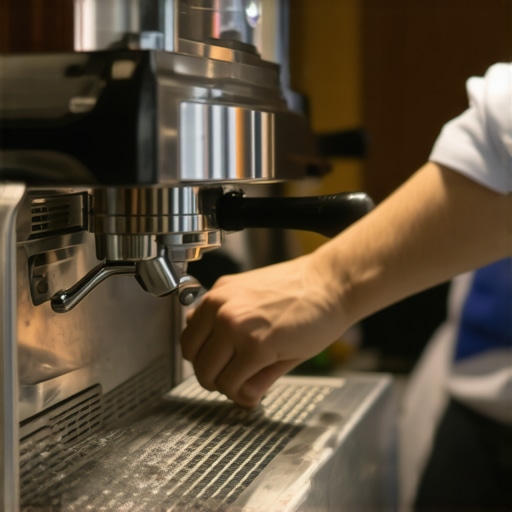
What I Wish Someone Told Me About Home Espresso Mastery
One of the most eye-opening lessons I learned was that even minor overlooked details, like static buildup or burr alignment, could sabotage my entire brewing process. At first, I thought investing in premium equipment was enough, but I discovered that consistent tuning and maintenance are what truly elevate your results.
Another revelation was the importance of monitoring grinder RPM stability. It’s easy to dismiss, but ensuring your grinder maintains a steady RPM transforms uneven shots into smooth, flavorful espresso. This insight saved me from countless bitter, flat brews and showed me that mastery often hinges on unseen factors.
Lastly, I realized that embracing ongoing maintenance routines isn’t a chore but a pathway to consistent excellence. Regularly cleaning, calibrating, and upgrading parts means your setup not only performs better but also lasts longer—making every espresso a pleasure rather than a frustration.
Gear and Resources That Elevated My Home Espresso Game
One tool that made a significant difference was a precision espresso scale; weighing each dose ensures consistency and helps dial in your grind and tamp pressure like a pro. Additionally, I trust the quietest grinders because quality static control and RPM stability are vital for a flawless setup.
Books like this and expert guides helped me understand the nuances of puck prep, flow control, and milk frothing techniques—tools that transformed my daily routine from guesswork to craft.
For ongoing upgrades, I recommend exploring flow control mods to maintain optimal extraction consistency or burr alignment tools that keep your grinder performing at its best over time. These resources have become my trusted companions on this journey.
Step Into Your Espresso Future with Confidence
Remember, every great home barista started where you are—curious, sometimes frustrated, but eager to learn. By paying attention to details like RPM stability, maintenance routines, and proper puck prep, you unlock the potential for truly exceptional coffee experiences. Your journey is unique, and each shot you pull is a step closer to mastering the craft. So, why wait? Dive into these tips, refine your setup, and enjoy the rich, rewarding flavors that come from your dedication.
What’s the biggest challenge you’ve faced while trying to perfect your espresso? Share your story below, and let’s learn together!
![Why 2026 AI Pressure Profiling Fails on Light Roasts [Fix]](https://espressotechguide.com/wp-content/uploads/2026/04/Why-2026-AI-Pressure-Profiling-Fails-on-Light-Roasts-Fix.jpeg)
Leave a Reply