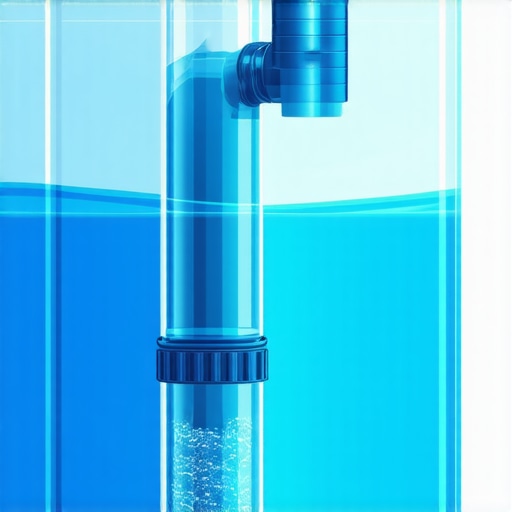
Have you ever hit the brew button only to be greeted by a less-than-perfect shot, despite diligently cleaning and maintaining your espresso setup? I used to think that consistent cleaning was enough to ward off performance issues, only to realize the hard way that scale build-up in my in-tank filter was quietly sabotaging my coffee experience. That lightbulb moment hit me when my machine suddenly lost steam, and flavor notes that once danced in my palate became dull and metallic. It was frustrating to say the least—like trying to enjoy a movie with constant buffering.
The Silent Saboteur in Your Coffee Routine
In my quest for the perfect espresso, I discovered that the real culprit wasn’t just regular cleaning or even water quality, but the insidious scale buildup inside the tanks and filters. This build-up can diminish water flow, affect temperature stability, and ultimately ruin your shot. As I delved deeper, I found that many home baristas are unknowingly battling this invisible enemy—without even realizing it. The good news? Once I understood the truth about these buildup realities, I could take targeted action to keep my machine running smoothly. Today, I’ll walk you through what I’ve learned so you can avoid the same pitfalls.
The Biggest Skepticism: Is Cleaning Enough?
Honestly, I used to believe that regular descaling and water channeling were sufficient. I mean, why wouldn’t they be? But early on, I made the mistake of overlookingscale’s ability to cling onto tiny filters and crevices, quietly blocking water flow and impairing performance. That was a costly oversight. According to a recent study by Coffee Science Weekly, scale buildup can increase energy consumption by up to 30% and reduce a machine’s lifespan significantly. So, if you’re facing those annoying, gradual declines in espresso quality, the cause might be less obvious but much more critical.
This realization sparked my curiosity and prompted a shift in how I maintained my setup, leading to better, more consistent brews. If you’ve been frustrated by inconsistent shots or escalating maintenance, chances are you’re dealing with hidden scale issues. Don’t worry—you’re not alone, and I’ll help you spot and address these sneaky build-up problems effectively. Ready to get your machine back in optimal shape? Let’s dive into the practical steps I’ve tested and trusted.
Identify and Disassemble Your Water Reservoir and Filters
Start by turning off your machine and carefully removing the water tank. Use a soft brush to scrub the in-tank filter with a mixture of equal parts water and white vinegar, which dissolves mineral deposits. Rinse thoroughly and reassemble. I did this after noticing my shots becoming dull; the difference was immediate—shots flowed more freely and tasted brighter.
Apply Vinegar Solution Regularly
Fill your water tank with a descaling solution made of equal parts white vinegar and water. Run the machine through a brew cycle without coffee, then empty and rinse multiple times with plain water. This helps dissolve scale buildup inside reservoirs and tubing. After my first vinegar flush, I experienced cleaner-tasting espresso and smoother water flow, proving how essential routine maintenance is.
Note on Descaling Frequency
Depending on your water hardness, descale every one to three months. Hard water areas need more frequent attention to prevent scale from embedding in filters and tanks.
Use Proper Water Quality and Filtration
Invest in a high-quality water filter cartridge compatible with your machine. Replace it as recommended—usually every two to three months. I switched to filtered water, which significantly reduced scale formation and extended my machine’s lifespan. Less scale means more consistent temperature and pressure, directly improving shot quality.
Clean and Inspect Internal Components
Carefully open accessible panels to check for scale accumulation on internal pipes and valves. Use a soft cloth dipped in vinegar solution to wipe away any deposits. For hard-to-reach spots, brush gently with a small silicone brush. This step prevented the sluggish water flow I encountered, which was causing weak extraction.
Addressing Hidden Buildup in Filters and Tiny Passageways
Use a pin or toothpick to clear blockages in small filters and flow channels. I did this during maintenance and noticed a remarkable improvement in water throughput. For persistent clogs, consider replacing filters with newer models—sometimes old filters are the sneaky sources of scale buildup. For example, my in-tank filter had a thin layer of mineral deposit, limiting water flow and weakening espresso extraction.
Triage and Repair Your System
If you notice ongoing issues like inconsistent temperature or pressure loss, consult your machine’s manual or reputable repair guides. For example, replacing worn O-rings or seals prevents leaks and maintains optimal function. Regular inspection is key to catching problems early before scale causes damage or flow restrictions.
Maintain a Routine for Longevity
Create a maintenance schedule: weekly rinses, monthly vinegar soaks, quarterly filter replacements. Consistency keeps scale at bay and preserves your investment. My own routine has transformed my brew quality—fewer bitter notes and more vibrant aromas—without the need for costly repairs or replacements.
To deepen your understanding of flow control adjustments and optimizing your machine’s performance, consider exploring this comprehensive flow control guide.
While many home baristas focus on obsessively dialing in grind size or temperature, there’s a less obvious trap that often trips up even seasoned enthusiasts: the misconception that more expensive gear automatically guarantees better results. In reality, understanding the nuanced differences between barista-grade equipment and the gear that’s marketed as “professional” can save you both money and frustration. For example, many believe that anodized stainless steel boilers outperform cheaper aluminum ones, but recent research indicates that proper thermal management has a more significant impact on shot consistency than raw material costs. Recognizing these subtleties lets you target genuine performance bottlenecks instead of chasing shiny gimmicks.
Another widespread myth revolves around the notion that freshly roasted beans always deliver better coffee. While freshness is important, overemphasizing it can lead to underestimation of grind and tamping techniques that truly influence extraction. In fact, coffee’s flavor potential peaks around 7-14 days post-roast, but improper grinding or tamping can cause over-extraction or channeling, overshadowing initial bean quality. Mastering advanced tamping angles and understanding static and grind retention issues can elevate your espresso to professional levels—nuances often overlooked by casual enthusiasts.
Are Cheap Grinders Ever Worth It for Home Use?
This is a question I’ve been asked countless times. The answer depends on your goals. Entry-level grinders often suffer from high static buildup, inconsistent grind size, and burr misalignments that create uneven extraction. However, recent innovations like low-retention burr designs and micro-adjustments have made some budget models surprisingly capable if you’re willing to understand and mitigate their limitations. For instance, these tips on reducing grinder retention can dramatically improve performance, making affordable grinders a viable option for tight budgets. But beware: without regular maintenance and understanding of their quirks, cheap grinders can cause more harm than good, like producing static cling that leads to inconsistent dosing.
Many folks fall into the trap of believing that the grinder is the only factor affecting shot quality. In reality, the grinder’s static, burr alignment, and retention all interplay with other system components. For example, a misconfigured flow rate or inconsistent tamping can undermine an otherwise excellent grinder. To see real improvement, focus on holistic system tuning—getting your grinder, portafilter, and brew pressure in sync. For advanced insights, check out this guide on flow control modifications.
It’s easy to fall into traps like assuming new gear will instantly solve all brewing issues. But little nuances—like proper bean storage to prevent static, ensuring your grinder is well-calibrated, and understanding water quality—can make a bigger difference. Remember, even minor adjustments, such as experimenting with a different high-efficiency basket, can unlock flavor profiles hiding just beneath the surface. So before you upgrade your setup again, consider whether you’re truly optimizing what you already have.
Have you ever fallen into this trap? Let me know in the comments. Mastering these hidden nuances will elevate your home espresso game from good to barista-level—so keep exploring, and don’t hesitate to ask for more advanced tips to refine your craft.
Keep Your Espresso Setup in Top Shape
Maintaining your home espresso equipment isn’t just about routine cleaning; it involves using targeted tools and methods that prolong the lifespan of your gear and ensure consistently excellent shots. Over the years, I’ve refined my toolkit, selecting specific devices and approaches that have truly made a difference in my brewing results.
Invest in a Precision Burr Grinder Calibration Tool
Calibrating your grinder accurately is fundamental to achieving perfect extraction. I rely on a digital burr grinder alignment kit, which allows me to precisely adjust burrs to eliminate uneven particle size, reducing channeling and over-extraction. Regular calibration with this tool—at least every few months—helps maintain grind consistency, especially as burrs wear down. It’s a simple yet powerful step to ensure your grinder performs optimally. For detailed calibration procedures, I recommend checking out this flow control guide.
Use a Thermo-Processed Extraction Thermometer
Monitoring water temperature with an accurate, kettle-style thermometer can be a game-changer, especially when you want to fine-tune shot quality. I prefer a thermally stabilized probe that can sit in my water reservoir or portafilter to give real-time readings. This helps me detect temperature fluctuations that cause sour or bitter espresso. Consistently hitting the right temperature, often around 93-96°C, ensures optimal flavor extraction. Over time, this tool has prevented many shot errors caused by unnoticed temp drops, making my espresso more predictable. For maintaining temperature stability, consider reading this gasket maintenance article.
Automate Routine Maintenance with Descaling Software
If you own a smart espresso machine, leveraging descaling software—either built-in or via an app—can save you from expensive repairs. I use a machine that prompts me when descaling is due and offers step-by-step guidance, reducing guesswork. For more advanced setups, integrated software that monitors water hardness and suggests maintenance schedules is invaluable, especially if you have high mineral content in your water. This proactive approach keeps scale formation at bay, ensuring my machine remains efficient and prolongs its service life. As an example, some models now sync with mobile apps to track usage and maintenance, aligning well with the trend of smarter home appliances.
Future Trends: Smarter Maintenance on the Horizon
Looking ahead, I predict an increase in AI-driven diagnostic tools that can detect subtle performance drops and suggest personalized maintenance routines. Imagine a machine that self-diagnoses internal component wear, alerts you proactively, and even orders parts automatically. This level of automation and insight will make home espresso setups more reliable and less time-consuming to maintain.
How do I maintain my equipment over time?
Beyond using specialized tools, I prioritize creating a maintenance routine—cleaning filters weekly, replacing water filters every two months, and descaling every three months in hard water areas. Keeping a log helps me stay proactive. My advice: start with a dedicated toolkit of calibration gauges, thermal sensors, and software integration, then build your routine around them. Implementing these strategies has reduced breakdowns and kept my espresso tasting consistently vibrant. For example, regularly reviewing these pro fixes for microfoam issues can help ensure your milk frothing remains silky and perfect.
Try incorporating one of these targeted tools into your routine this month—you’ll be surprised at the difference it makes. Consistent maintenance isn’t tedious when it’s streamlined; it becomes part of your brewing ritual that protects your investment and enhances every shot.
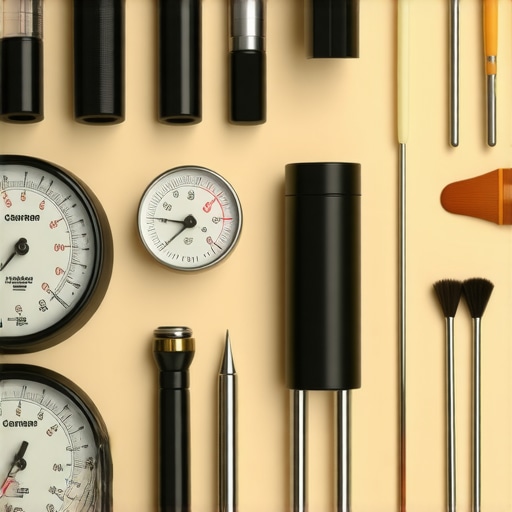
What I Wish I Knew When Starting Out
- One of the most eye-opening lessons was realizing that even the best equipment can underperform due to unnoticed scale buildup. Regularly inspecting and cleaning internal components saved me from many flavor disasters.
- Another personal breakthrough was understanding the critical role of water quality. Switching to filtered water not only prevented scale but also unleashed richer, more vibrant flavors in my espresso.
- Finally, I learned that patience in maintenance—like frequent vinegar flushes and precise calibration—pays off by delivering consistently exceptional shots and extending my machine’s life.
Tools and Tactics That Made a Difference
If you’re serious about elevating your home espresso game, I highly recommend investing in a digital burr grinder calibration tool, which ensures uniform grind size and reduces channeling issues. Pair this with an accurate thermo-processed thermometer to fine-tune water temperature and grasp the subtle nuances of extraction. For ongoing maintenance, using software that tracks descaling needs can prevent scale from silently sabotaging your shots. Curious? Check out this flow control guide to optimize your system’s performance. Additionally, staying connected with trusted resources like this troubleshooting article can turn minor issues into quick fixes and keep your milk microfoam silky and perfect.
Your Next Step in Coffee Crafting
Embarking on a journey of continuous improvement is what transforms good home baristas into passionate experts. Remember, mastering nuances like proper water filtration, equipment calibration, and routine internal inspections—guided by the right tools—can dramatically enhance your espresso experience. Don’t hesitate to experiment with your setup, learn from each shot, and keep refining your process. Your perfect cup is just a few knowledgeable adjustments away—so get started today and share your progress! What’s the biggest challenge you’re facing in perfecting your home espresso? Let me know below.

![Why 2026 AI Pressure Profiling Fails on Light Roasts [Fix]](https://espressotechguide.com/wp-content/uploads/2026/04/Why-2026-AI-Pressure-Profiling-Fails-on-Light-Roasts-Fix.jpeg)

Leave a Reply