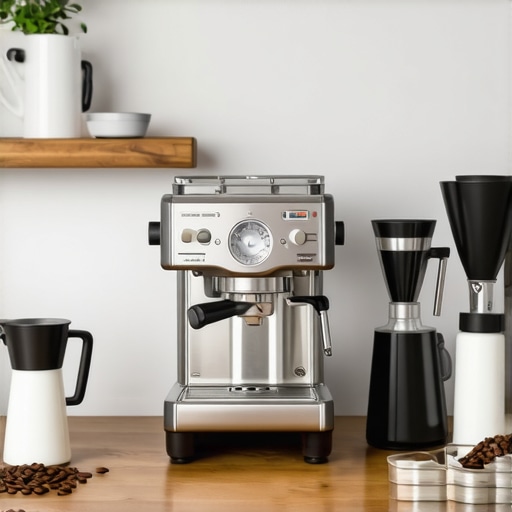
Ever had that frustrating morning where your home-brewed espresso just doesn’t hit the mark? I remember countless mornings where I’d spend more time fiddling with my equipment than actually enjoying my coffee. It’s a sinking feeling when your setup, which you hoped would make barista-quality drinks, ends up more of a disappointment than a delight. That lightbulb moment hit me hard: I was choosing the wrong gear, or worse, trying to make do with what I thought was good enough.
Why Fixing Your Coffee Setup Matters Right Now
With coffee culture booming and an increasing number of home baristas turning their kitchens into cafes, having the right equipment is more than just a luxury; it’s a necessity. The market for home espresso machines and barista gear has exploded, offering options that cater to every budget and skill level. But here’s the kicker: the wrong gear can turn your coffee dreams into a daily disappointment.
Early on, I made a costly mistake of rushing into a fancy espresso machine without considering whether it suited my brewing style or space. That mistake taught me the importance of understanding your needs and the gear that best fits them. Today, I’ll guide you through what to look for, so you avoid my pitfalls and start brewing like a pro. Whether you’re a novice or a seasoned coffee lover, knowing how to select the right equipment will transform your mornings.
Is All the Hype Around High-End Espresso Machines Justified?
Honestly, I used to think that splurging on top-tier gear was overkill. Turns out, I was wrong. The truth is, investing in quality equipment pays off in consistency and flavor. But beware—there’s a fine line between investing wisely and overspending on features you don’t need. I’ve learned this the hard way, often choosing machines that looked great but didn’t deliver the quality I craved. For a detailed breakdown of what makes a machine worth it, check out this comprehensive guide.
So, if you’re tired of mediocre coffee and ready to step up your home brewing game, stick around. We’ll explore the best gear options, tips, and tricks to ensure your coffee setup is both functional and fun. Let’s turn your kitchen into a coffee haven!
Choose the Right Espresso Machine
Start by evaluating your space, budget, and brewing style. A semi-automatic machine offers control, while an automatic one provides convenience. For beginners, consider models with user-friendly features that simplify operation. I once impulsively bought a high-end machine without research, only to find it too complex for my needs. After switching to a more intuitive model, my mornings became smoother and more enjoyable.
Select a Suitable Grinder
Your espresso quality hinges on your grinder. Invest in a high-quality burr grinder that can produce consistent grounds. Look for models listed in top grinders for 2025. I once tried a cheap blade grinder, which led to uneven espresso extraction. Upgrading to a conical burr grinder made a noticeable difference in flavor and crema.
Perfect Your Coffee Beans and Dose
Fresh, high-quality beans are essential. Store them in an airtight container away from light and heat. When dosing, aim for about 18-20 grams for a double shot, but adjust based on your machine and taste. I experimented with different doses, recording each shot, until I found the sweet spot that balanced flavor and extraction time.
Master the Tamping Technique
Apply even pressure—around 30 pounds of force—to create a uniform puck. Use a tamper with a comfortable grip and practice consistently. I once had inconsistent shots because I rushed tamping; once I focused on even pressure, my espresso’s quality improved dramatically.
Optimize Extraction Parameters
Set your machine’s temperature and pressure according to the manufacturer’s recommendations. A common starting point is 9 bars of pressure and 90-96°C temperature. Record your settings and results, adjusting incrementally. I kept a brewing journal, which helped me fine-tune my process for maximum flavor.
Perfect Milk Frothing and Presentation
Use cold milk and a clean frothing pitcher. Submerge the steam wand just below the surface and introduce steam gradually, creating a whirlpool. Aim for silky, microfoam. For latte art, practice pouring techniques like the free pour. I spent weekends practicing, which made my drinks not only taste better but also look professional.
Maintain and Clean Your Equipment Regularly
Backflush your espresso machine and clean the grinder weekly to prevent clogs and flavor contamination. Descale when necessary, especially if you notice a decline in performance. Maintaining your gear prolongs its lifespan and ensures consistent quality. I set reminders to clean every weekend, and it’s become a satisfying part of my routine.
By following these concrete steps, your home espresso setup will become a top-tier station in your kitchen. Remember, patience and practice are key—each shot brings you closer to barista-level perfection.
Many home baristas believe that investing in high-end equipment guarantees perfect espresso every time. However, even the most expensive machines and grinders can lead to disappointing results if you fall into certain traps. Let’s dig deeper into what most people get wrong about optimizing their coffee setup and how you can avoid these pitfalls to truly elevate your brewing game.
Myth: More Expensive Means Better
A prevalent misconception is that the pricier the equipment, the better the coffee. While quality gear does matter, the truth is, many enthusiasts overspend on features they don’t need, neglecting essential factors like proper grind size, dosing, and maintenance. For instance, a top-tier espresso machine can be wasted if your grinder isn’t capable of producing consistent grounds. Be sure to check expert reviews and comparisons to find the best value for your needs rather than just the most expensive option.
Common Mistake: Ignoring the Importance of Grind Consistency
One of the most overlooked nuances is the grinder’s role in shot quality. Many home baristas think they can get away with a cheap blade grinder or inconsistent settings. But in reality, inconsistent grind size leads to over-extraction or under-extraction, resulting in bitter or sour flavors. Investing in a high-quality burr grinder, such as those listed in top grinders for 2025, can dramatically improve your extraction and flavor profile. Remember, a good grinder isn’t just a luxury; it’s the foundation of great espresso.
How Do Advanced Users Fine-Tune Their Shots?
More experienced baristas know that subtle adjustments in grind size, tamping pressure, and brew temperature can unlock complex flavors. They often use brewing journals to track variables and results, a practice that beginners typically overlook. This meticulous approach allows for fine-tuning and consistency, making every shot better than the last. If you’re serious about mastering your setup, consider exploring advanced techniques and equipment that can push your skills even further.
Don’t Overlook Maintenance and Calibration
Another trap is neglecting routine maintenance. Dirty equipment or misaligned grinders can cause inconsistent shots and flavor deterioration. Regular cleaning, descaling, and calibration are essential, especially when using high-quality gear. For example, a clogged grinder or a scale misalignment can negate the benefits of your investment. Set reminders and follow manufacturer guidelines, which are often detailed in comprehensive maintenance guides to keep your gear performing optimally.
Have you ever fallen into this trap? Let me know in the comments how you’ve overcome common setup mistakes and what tips have made the biggest difference in your home brewing journey!
Keeping your home coffee setup in top shape requires more than just initial investment; it demands ongoing maintenance and the right tools. Over time, even the best equipment can lose efficiency or produce inconsistent results if neglected. To ensure your brewing remains consistently excellent, I rely on specific tools and routines that have proven effective in my experience.
How do I maintain my espresso machine over time?
Regular cleaning is critical. I use a dedicated backflush cleaning kit, which includes a cleaning detergent specifically designed for espresso machines. This allows me to remove coffee oils and residues that accumulate inside the brew group, ensuring optimal flow and flavor. Descaling is equally important, especially if you have hard water; I prefer using a descaling solution recommended by the manufacturer, which I run through the system monthly. This prevents mineral buildup that can impair temperature stability and pressure. For calibration, I periodically check the machine’s temperature and pressure settings using a digital thermometer and a portafilter pressure gauge, adjusting as needed to maintain consistency. For detailed guidance, I follow manufacturer-specific maintenance routines outlined in this comprehensive maintenance guide.
My secret weapon is a high-quality cleaning brush set, which helps reach into tight spaces and clean out stubborn grounds or oils. I also keep a set of replacement gaskets and seals on hand, so I can swap them out at the first sign of wear, preventing leaks and ensuring longevity. Regularly replacing water filters in my machine also prevents mineral deposits and keeps the water tasting pure.
Tools I recommend for consistent maintenance
- Digital Thermometer: To verify boiler and portafilter temperature, ensuring precise brewing conditions.
- Pressure Gauge: To monitor and calibrate extraction pressure, maintaining that ideal 9 bars.
- Cleaning Tablets and Detergents: Formulated for espresso machines, these keep internal components clean without disassembly.
- Water Filter Replacements: Essential for reducing mineral buildup and extending equipment life.
Long-term, I see the trend moving toward smarter, IoT-enabled maintenance tools that can alert you when cleaning or calibration is due. Future devices might even automatically adjust internal parameters based on sensor feedback, further simplifying maintenance routines. For now, sticking to tried-and-true manual tools and routines remains the most reliable approach.
If you want to keep your coffee gear working flawlessly, I highly recommend adopting a maintenance schedule that includes weekly cleaning, monthly descaling, and periodic calibration checks. These small investments of time will pay off by extending your equipment’s lifespan and maintaining the quality of your brews. Try integrating a digital thermometer and pressure gauge into your routine this month—you’ll notice the difference in every shot!
The Hardest Lesson I Learned About Coffee Gears
One of the most profound realizations was that investing in top-tier equipment alone doesn’t guarantee great espresso. It’s the combination of proper maintenance, technique, and understanding your specific needs that truly makes the difference. I used to believe that a fancy machine would solve all my problems, but I learned that even the best gear needs regular TLC and skillful operation to shine.
3 Myths About Home Coffee Equipment That Held Me Back
First, the misconception that more expensive always means better. I wasted money on gear that was overkill for my skill level. Second, that a high-end grinder isn’t necessary—I now know that consistency in grind size is the backbone of good espresso. Lastly, I thought cleaning was optional; now, I see it as essential for flavor and equipment longevity. These lessons reshaped my approach and boosted my confidence in home brewing.
What I Wish I Knew When I Started
I wish I had focused more on mastering basic techniques like tamping and extraction timing before splurging on equipment. Understanding those fundamentals early on would have saved me time and money. Also, keeping a brewing journal was a game-changer—tracking variables helped me discover what truly worked for my taste buds. These insights accelerated my journey from uncertainty to barista-level confidence.
My Essential Toolkit for Perfecting Home Espresso
For anyone serious about elevating their coffee game, I recommend starting with a quality burr grinder, like those listed in top grinders for 2025. A reliable, user-friendly espresso machine is also key; I trust this comprehensive guide for options that balance quality and value. Don’t forget tools like a digital thermometer and portafilter pressure gauge—these small additions make a huge difference. Lastly, regular cleaning supplies ensure your gear stays in top shape, preventing flavor contamination and breakdowns.
Your Turn to Brew with Confidence
Now that I’ve shared some of my hard-earned lessons, I encourage you to take action. Start refining your technique, maintain your equipment consistently, and don’t be afraid to experiment. Your perfect cup is within reach—just stay curious and persistent. What’s the biggest challenge you face with your current home coffee setup? Share your experience below, and let’s troubleshoot together!


![Why 2026 AI Pressure Profiling Fails on Light Roasts [Fix]](https://espressotechguide.com/wp-content/uploads/2026/04/Why-2026-AI-Pressure-Profiling-Fails-on-Light-Roasts-Fix.jpeg)
Leave a Reply