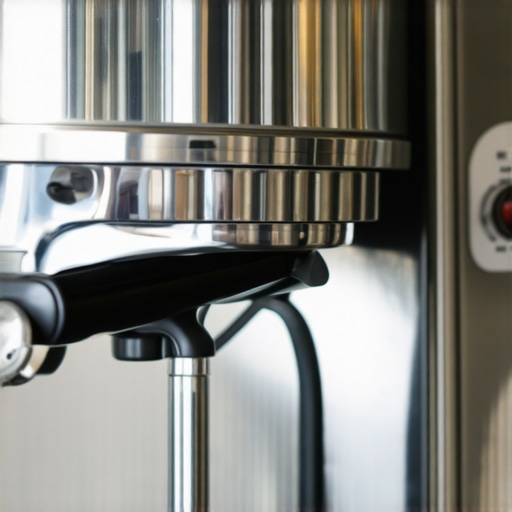
It was a chilly Saturday morning when I first noticed the dreaded flicker in my espresso shot. That familiar buzz from the pump was replaced by a sluggish hum, and suddenly, my perfectly timed brew turned into a disappointing trickle. I remember the sinking feeling — was my beloved espresso machine giving up on me?
Why Your Espresso Pump Might Be On Its Last Legs
As a passionate home barista, I’ve learned the hard way that ignoring subtle signs of pump fatigue can lead to complete breakdowns, leaving you stranded without that essential morning dose. The pump is the heart of your espresso machine, responsible for delivering the high-pressure water needed for a rich extraction. When it starts to fail, your entire brewing experience suffers. Knowing the warning signs can save you time, money, and a lot of frustration. Today, I’ll walk you through the concrete signs that indicate your pump might be dying—and how to address them before it’s too late.
Facing Down the Fear: Is Pump Failure a Real Threat?
I’ll admit, I was skeptical at first. How could a small component like a pump dwindle so quickly? My early mistake was neglecting regular maintenance and assuming everything was fine because the machine still turned on. According to recent research, pumps can start to lose efficiency after just a few years of use, especially if not properly maintained. This can result in inconsistent pressure and poor extraction quality. If you’ve ever experienced uneven shots or strange noises, you might already be sensing the warning signs. So, have you noticed your espresso machine’s pump acting up lately? If so, don’t fret—recognizing the signs early can extend its lifespan and keep your morning ritual intact.
Inspect and Test Your Pump Regularly
Begin by listening for unusual noises during brewing—a grinding or whining sound signals strain. Remove the water reservoir and gently activate the pump manually, if your model allows, to feel for resistance. A sudden decrease in pressure or irregular sounds indicates the pump is weakening. I once noticed my machine making a faint buzzing without delivering water properly. After removing the water block and checking the pump, I realized it wasgumming up due to mineral deposits. Regularly inspecting and testing your pump can prevent sudden failures.
Clean and Descale the Pump System
Mineral buildup is a common culprit behind pump sluggishness. Use a descaling solution recommended by your machine’s manufacturer—diluted vinegar or commercial descalers work well. Run the solution through the system as if brewing a shot, then flush with clean water. I had a stubborn mineral crust in my pump, causing inconsistent pressure. After a thorough descaling, the pump regained full strength, improving brew quality noticeably. Incorporate descaling sessions every few months to prolong pump life.
Maintain Proper Pressure and Flow
Ensure your water pressure is within optimal ranges—usually 9 bars for espresso. If your machine has pressure gauges, monitor regularly. For models without built-in gauges, compare shot quality: thin, quick flows signal low pressure, while overly slow streams suggest high pressure or clogging. I once adjusted my machine’s pressure valve slightly, which smoothed out the flow and extended the pump’s usability. Proper pressure management protects the pump from overexertion.
Replace the Pump Before It Fails
If diagnostics point to a failing pump—such as inconsistent pressure, strange noises, or reduced output—it’s best to replace it proactively. Consult your machine’s manual or check the manufacturer’s website for compatible replacements. When I replaced my pump, I followed a step-by-step tutorial and was able to do it myself, saving money. Use quality parts to ensure longevity, and consider professional help if you’re unsure about the installation process.
Upgrade to a More Durable Pump
Some models offer upgrades—like ceramic or gear-driven pumps—that resist wear better than standard versions. Research your machine’s specifications and user reviews to identify robust options. Switching to a higher-quality pump can dramatically reduce breakdown frequency. I upgraded mine after two years of trouble, and now my setup runs smoother and quieter, with fewer maintenance needs. Investing in a durable pump can be a game-changer for regular home brewers.
Remember, consistent maintenance is your best defense against pump failure. Staying attentive to your machine’s signals and performing routine checks can save you from costly repairs and ensure that your espresso shots remain perfect. For more tips on optimizing your setup, visit this comprehensive guide.
Many enthusiasts assume that purchasing high-end coffee gear guarantees perfect results, but the reality is far more nuanced. A common myth is that expensive grinders automatically produce superior coffee—while piece quality matters, factors like burr design and grind consistency are often overlooked by casual buyers. For example, conical burrs are widely favored, but recent studies suggest flat burrs may offer more uniform particle distribution, enhancing extraction quality when paired with the right grinder settings.
Is Your Barista Gear Suiting Your Brewing Goals or Just Adding Clutter?
Too often, home baristas buy multiple gadgets—milk frothers, pour-over cones, fancy tampers—thinking more equipment means better coffee. However, this can lead to confusing workflows and inconsistent results. Instead, focus on mastering fundamental tools and optimizing their use, as outlined in comprehensive guides like this detailed grinder and frother guide. An advanced mistake many make is neglecting equipment calibration. Regularly cleaning and calibrating your grinder and espresso machine ensures your gear performs at peak efficiency, preventing flavor degradation and inconsistent pressure profiles.
Another hidden nuance involves the importance of water quality. Even the most sophisticated espresso machine can’t compensate for hard or mineral-rich water, which can clog flow paths and damage internal components. Using filtered water can extend equipment lifespan and improve shot clarity. Remember, efficiency in home espresso isn’t just about gear—it’s about understanding when and how to tune your setup. For instance, upgrading to a more durable pump or boiler can reduce maintenance headaches, a concept explored in this article on machine upgrades.
Be wary of relying solely on brand reputation. Sometimes, lesser-known brands offer innovative features like improved thermal stability or advanced PID controllers, which can dramatically impact shot consistency. Reading expert reviews and user feedback helps differentiate genuine quality from marketing hype. Consider calibration tools like pressure gauges and shot timers to fine-tune your parameters, turning your setup into a precision instrument instead of just face-value. I’ve seen many home baristas equip their stations with the latest gear but neglect routine maintenance or calibration—leading to the very flaws they aimed to eliminate. Don’t fall into this trap. Instead, focus on understanding your equipment’s hidden potential through proper care.
Want to take your home brewing to an advanced level? Explore resources on equipment calibration and maintenance, and don’t overlook the subtle factors like water quality and grinder consistency. Becoming an expert isn’t just about gear—you need to know how to optimize what you already have. Have you ever fallen into this trap? Let me know in the comments or check out more tips in this guide on workflow optimization.
Investing in Reliable Tools for Consistent Results
As a dedicated home barista, ensuring your equipment stays in prime condition is key to brewing exceptional coffee day after day. I personally rely on a high-quality coffee scale from this trusted source because it provides precise weight measurements, which are essential for perfect extraction. Regular calibration of your scale, ideally monthly, prevents measurement drift and ensures your doses are accurate, directly impacting shot quality.
How do I maintain my equipment over time?
Maintaining a coffee setup requires a disciplined routine. I schedule bi-weekly cleaning of my espresso machine’s group head and portafilter with a backflush using a specialized cleaner—to prevent channeling caused by coffee oils buildup. For grinders, I clean burrs every 100 pounds of coffee, and the recommended tools make this straightforward. Using high-quality descaling solutions quarterly keeps internal components free from limescale, which can degrade performance and longevity.
Tools that elevate home barista skills
Beyond maintenance, upgrading specific tools can dramatically improve your brewing experience. For instance, I switched to a digital shot timer that tracks extraction time with accuracy, helping me dial in parameters more efficiently. In addition, investing in a precision tamper with a calibrated pressure cushion ensures consistent tamping pressure—a subtle but impactful upgrade that reduces variability in shots.
Future trends in gear upkeep and upgrades
The industry is moving toward smarter cleaning systems integrated with app notifications for descaling or maintenance schedules, which I believe will become standard in the next few years. Moreover, the rise of modular boilers and upgradeable components allows enthusiasts to extend their machines’ lifespan with minimal hassle. For example, replacing a pump with a more durable, gear-driven model can save you from unexpected breakdowns, and some models even allow firmware updates to optimize performance—a trend discussed in technical evaluations like this in-depth review.
Start by assessing your current setup—are your grinders clean and burrs sharp? Is your espresso machine descaled regularly? Prioritize the maintenance tasks that prolong your gear’s lifespan, and consider small upgrades that can yield noticeable improvements. For instance, calibrating your grinder’s grind size with precision tools can reduce extraction errors and improve shot consistency. Try setting a monthly maintenance schedule and stick to it for best results, and you’ll enjoy a more reliable and enjoyable brewing journey.
Lessons That Changed How I Maintain My Espresso Setup
- Always listen to your machine’s whispers: Subtle changes in noise or flow often signal impending issues. Ignoring these can lead to costly repairs.
- Mineral deposits are relentless foes: Regular descaling not only keeps your pump happy but also preserves the purity of your flavor profiles.
- Upgrade strategically and not impulsively: When I finally opted for a gear-driven pump, the difference in durability and quiet operation was remarkable. It taught me to think long-term over short-term savings.
- Consistency is king: Simple calibrations, like fine-tuning your grinder or pressure settings, can transform your espresso quality and device lifespan.
- Water quality matters more than you think: Using filtered water prevented scale buildup and kept my machine running smoothly, saving me from frequent repairs.
My Trusted Resources for Espresso Excellence
- This detailed guide: It opened my eyes to the nuances of grinders and frothers, helping me select tools that truly enhance my coffee experience.
- Comprehensive machine reviews: They helped me understand what features matter most for durability and performance in my home setup.
- Workflow optimization: Improving my precision with a quality scale made all the difference in shot consistency.
- Top-related gear picks: These selections kept me motivated to refine my craft continually.
Stay Curious and Keep Brewing
Mastering your home espresso gear isn’t a one-time effort; it’s a journey of discovery and passion. By paying close attention to your machine’s signals, investing in quality upgrades thoughtfully, and continually learning, you can craft exceptional coffee day after day. Don’t let small issues snowball—take control, experiment, and enjoy the process. Which aspect of your espresso setup are you most eager to improve next? Share your plans below and let’s grow together in this craft!
,
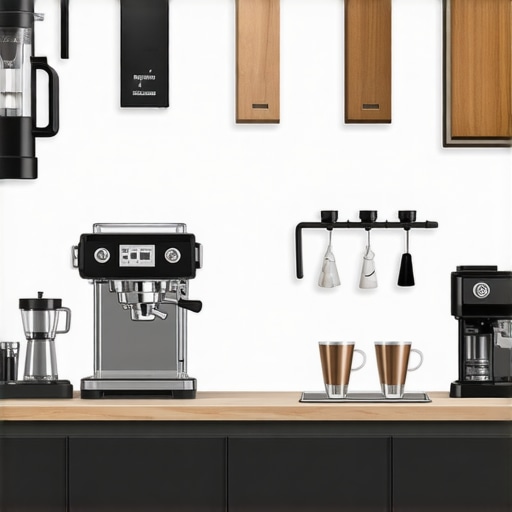
![3 Reasons Your 2026 Steam Wand Lost Pressure [Simple Fixes]](https://espressotechguide.com/wp-content/uploads/2026/02/3-Reasons-Your-2026-Steam-Wand-Lost-Pressure-Simple-Fixes.jpeg)
Leave a Reply