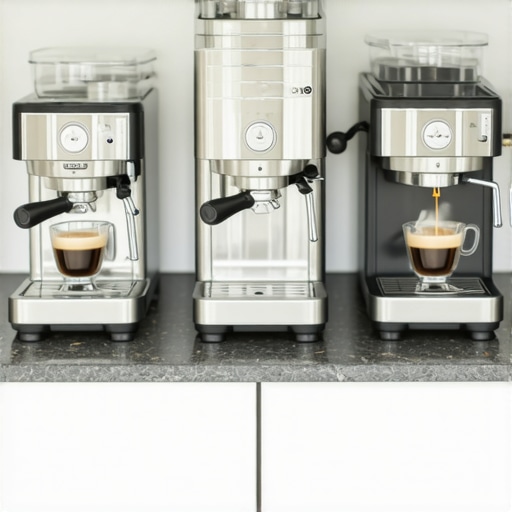
It was a cloudy Sunday afternoon when I finally looked at my dwindling coffee gear collection and realized I had been throwing money at fancy espresso machines I barely knew how to use. The frustration of inconsistent shots, the mounting bills for upgrades, and that nagging feeling I might be overpaying haunted me. Sound familiar? If you’ve ever felt that sinking suspicion that your home barista setup is costing more than it should, you’re not alone. I’ve been there—and I found some surprisingly good news.
How I Learned to Stop Overpaying for Coffee Gear
About a year ago, I decided to overhaul my approach to buying espresso machines and accessories. Instead of chasing the latest shiny model or falling for hype, I started doing my homework. I realized many of us get caught in a cycle of impulse buys, thinking the most expensive or the newest gear guarantees better coffee. But that’s a myth. Understanding what truly impacts your espresso changed everything for me.
My breakthrough came when I identified that a lot of the overpayment stemmed from not understanding the nuances between different machines and the hidden costs involved. I made the rookie mistake early on of assuming pricier meant better or more durable. Turns out, that’s often not the case. Instead, I found that some budget-friendly options perform just as well as high-end models—and many are geared specifically for home use, not professional cafes.
Today, I’m excited to share my experience—and the research behind it—to help you cut through the noise and focus on value. Whether you’re just starting out or looking to upgrade without breaking the bank, I promise: you don’t need to spend a fortune to enjoy excellent espresso at home.
Is It Really Worth Sacrificing Quality for a Lower Price?
That’s a common concern I hear from friends and readers alike. But here’s the truth: many cheap machines can deliver *amazing* results if you choose carefully and know what to look for. Early in my journey, I invested in a high-end machine expecting perfection—only to find I wasn’t equipped with the right grinder or accessories, which limited what that hefty investment could truly do. The mistake? Thinking the machine alone would be the magic fix. For more insights on this common mistake, check out why your espresso scale might be lying to you.
So, if you’re tired of overspending on gear that doesn’t deliver, stick around. I’ll walk you through the top three budget espresso machines for 2026 that combine quality, performance, and affordability. Ready to stop wasting money and start brewing smarter? Let’s dive in.
Choose the Right Espresso Machine for Your Home
Start by defining your needs—are you after quick daily shots or slow weekend indulgence? I once bought a pricey espresso machine assuming it would solve all my problems, but it sat unused for months. Instead, I found a compact model with good reviews that fit my budget and space. Look for models in the top home espresso machines list, focusing on user feedback and performance. Remember, a machine with features you won’t use is a waste of money.
Invest in a Quality Grinder
Grinding fresh beans is crucial for great espresso. I once used a blade grinder, which produced uneven grounds, leading to inconsistent shots. Upgrading to a burr grinder from top grinders transformed my brewing. Focus on conical or flat burrs, with a grind size dial for precision. For example, the best budget grinder options deliver excellent results without breaking the bank.
Master the Art of Tamping
Applying consistent pressure during tamping ensures uniform extraction. I used to press too hard, causing over-extraction. Then I learned to tamp with about 30 pounds of force, which produced balanced shots. Use a tamper with an ergonomic handle, and consider a scale to measure pressure if needed. Proper tamping eliminates channeling, optimizing flavor and crema. Practice regularly to develop a steady hand—it’s more about technique than strength.
Select an Effective Milk Frother
Creating silky microfoam enhances your espresso experience. Initially, I used a handheld frother, but the foam was murky. Upgrading to an electric frother from top-rated models made a visible difference. Look for frothers that allow temperature control and have fine mesh for micro-foam. When I mastered steaming milk with a small, affordable wand, my lattes looked and tasted cafe-quality. Check out the best frothers for home use to see options that blend affordability with performance.
Optimize Your Brew Process
Even with good gear, technique matters. I used to rush the extraction, leading to sour or bitter shots. By timing my pulls around 25-30 seconds and adjusting the grind tighter or coarser, I gained more control. Use a scale to measure dose weight — generally 18-20 grams for a double shot. Consistency is key; keep notes of your settings, and tweak gradually.
Maintain and Upgrade Gradually
My first attempt at machine maintenance was messy — cleaning parts without proper tools. I learned to descale and clean regularly, extending my machine’s lifespan. Focus on quality accessories like a knock box and a good tamper, but don’t rush to buy everything at once. Invest gradually in gear that truly improves your coffee. For detailed maintenance tips, see this guide for perfect results.
While most enthusiasts focus on choosing the right espresso machine or grinder, there’s a subtle but critical aspect that often gets ignored: the interplay between your equipment and the technical nuances of coffee extraction. Many believe that a high-end machine automatically yields superior shots, but in my experience, this isn’t always the case. The real game-changer lies in understanding how minor adjustments in grind size, tamping pressure, or brew temperature can dramatically alter flavor profiles—sometimes more than upgrading to the latest appliance. One common myth is that bigger, more powerful grinders make better coffee; however, recent studies, such as those published by the Specialty Coffee Association, show that consistent grind size and uniform particle distribution are far more impactful than RPM or burr size alone. A frequent trap home baristas fall into is assuming their grinder’s specifications are the sole determinant of quality, leading to neglecting process calibration. For example, fine-tuning grind settings and brew parameters can eliminate commonly faced issues like sourness or bitterness, even with modest equipment. Additionally, many overlook the importance of pre-infusion—allowing water to saturate the grounds gently before full pressure—which can enhance flavor extraction and crema formation. Mastering these nuances truly elevates your espresso from average to exceptional. Have you ever fallen into this trap? Let me know in the comments. Want to refine your skills further? Check out why your espresso might be sour and how to fix it for advanced tips.
Regular Cleaning Is Your Best Friend
To keep your espresso machine and grinders performing optimally, regular cleaning is non-negotiable. I personally schedule a weekly deep clean, including descaling with a mixture of white vinegar and water, followed by a rinse cycle. This prevents mineral buildup that can compromise flavor and machine longevity. Use dedicated brushes and cloths for each component to avoid cross-contamination and ensure thorough removal of oils and residues. Proper maintenance not only preserves taste but also keeps your gear running reliably over the long haul. For detailed cleaning routines, check out this guide.
Invest in Quality Tools for Maintenance and Calibration
Over time, even the best gear benefits from calibrated tools. I rely on a digital caliper to measure burr alignment accurately and a precise scale for dosing and tamping to maintain consistency. These tools help me avoid common issues like channeling or uneven extraction caused by misaligned burrs or inconsistent tamping pressure. An annual checkup of your machine’s calibration, including burr positioning and water pressure, can extend its lifespan and improve performance. Consider investing in a dedicated maintenance kit that includes valve brushes, descaling solution, and replacement parts—saving money and reducing downtime. Staying proactive ensures your coffee continues to taste exceptional and your equipment stays in top shape.
Tools I Recommend for Long-Term Reliability
Personally, I swear by the Espresso Scale to monitor shot timing precisely, and a paid-of quality group head brush to keep brewing surfaces spotless. For grinder calibration, a set of feeler gauges allows me to set burrs with micron-level precision, preventing inconsistency. Having spare replacement valves and seals, especially for my espresso machine, has saved me from unexpected breakdowns. In terms of software, I use calibration apps to keep grinder settings consistent—an often overlooked but critical aspect of stable brewing. Investing in these targeted tools saves money in the long run and guarantees your setup remains dependable, so you can focus on brewing rather than troubleshooting.
Handling Wear and Tear with Ease
Parts wear out, but with proper care, you can extend many components’ lifespan. Regularly inspecting seals, gaskets, and O-rings—for example, checking for cracks or brittleness—prevents leaks and pressure loss. Lubricate moving parts sparingly with food-safe oils, as recommended by manufacturers. When a component does need replacement, choose OEM parts—you’ll find they fit and perform better, protecting your investment. A proactive approach to maintenance, including periodic refurbishing of parts like portafilters and steam wands, keeps your machine running like new. Looking ahead, trend analysis suggests that modular, easily serviceable espresso gear will grow in popularity, further simplifying long-term upkeep.
What’s Next for Maintaining Your Coffee Arsenal?
With advancements like smart sensors and AI-guided calibration tools on the horizon, future maintenance will become even more automated and precise. Companies are developing machines that monitor their own health and suggest preventive measures before issues arise. I predict more user-friendly maintenance kits and virtual guides will make caring for your home barista setup less daunting. Meanwhile, mastering in-depth calibration techniques today, such as using a specialized espresso scale, will prepare you for these upcoming innovations. So, why not try calibrating your grinder with a feeler gauge tonight? Small adjustments now can significantly improve your espresso quality over time.
Lessons Only Experienced Home Baristas Understand
One of the most eye-opening lessons I learned was the power of precise calibration. Initially, I believed buying the latest espresso machine was the ultimate upgrade, but I soon discovered that even the most sophisticated gear could underperform without proper setup and maintenance. This realization pushed me to focus more on calibration tools and technique refinement rather than constantly chasing new equipment.
Another insight was how much small adjustments—like grind size tweaks or tamping pressure—can drastically affect flavor. It’s easy to obsess over equipment specs, but mastering these subtle variables proved to be the true game-changer in brewing consistently excellent shots at home.
Finally, I learned that regular cleaning and component checks are vital. Resistance to maintenance can lead to degraded flavor and costly repairs. Embracing routine upkeep transformed my coffee experience, making each shot more reliable and enjoyable.
Tools and Resources to Elevate Your Coffee Game
For anyone serious about elevating their home espresso experience, I recommend investing in a quality digital caliper to keep your burrs aligned perfectly—check out this guide for calibration tips. A dependable espresso scale like the recommended model ensures precise shot dosing and timing. Joining online forums such as HomeBarista provides support and knowledge sharing from seasoned enthusiasts. And don’t underestimate the value of detailed maintenance routines available on trusted resources to keep your gear running smoothly.
Your Journey Starts Now—No Better Time Than Today
Every great home barista began with a first step—gathering just the right tools, honing techniques, and understanding the nuances that separate good from extraordinary. Embrace the learning curve; mistakes are part of the process. Remember, the goal isn’t perfection but progress. Keep experimenting, stay curious, and your coffee craftsmanship will flourish. Ready to start tailoring your setup and brewing smarter? Your ideal espresso is closer than you think.


![Why 2026 AI Pressure Profiling Fails on Light Roasts [Fix]](https://espressotechguide.com/wp-content/uploads/2026/04/Why-2026-AI-Pressure-Profiling-Fails-on-Light-Roasts-Fix.jpeg)
Leave a Reply