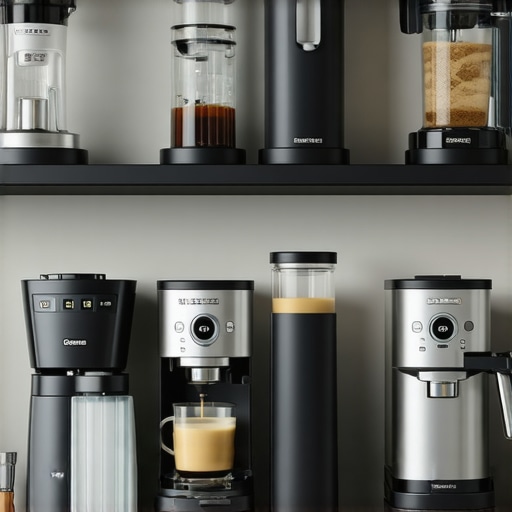
Ever had that moment when you eagerly hit the brew button, only to be met with a weak shot or a bitter mess? I’ve been there—thinking I could skip the step-by-step guide and jump straight into the perfect latte. Spoiler: it doesn’t work that way. I’ve wasted way too many mornings chasing that elusive barista-quality coffee, only to realize I was missing a crucial piece of the puzzle. The lightbulb moment came when I finally understood that having the right barista gear and a quality machine isn’t just a luxury—it’s the foundation of a perfect home brew.
The Real Reason Why Home Espresso Machines Matter More Than Ever in 2025
In 2025, the coffee scene is evolving fast. More people are investing in their own coffee sanctuaries, craving that rich, aromatic shot without the hassle of a café. But here’s the thing—choosing the right gear can feel overwhelming. Do you go for a semi-automatic, a fully automatic, or one of those sleek pod machines? The options are endless, and frankly, it’s easy to get lost in the sea of gadgets promising perfect espresso with a press of a button. I used to be there—buying shiny machines that promised the moon but delivered bitter coffee or inconsistent results. That was my mistake, and I want to save you from the same frustration.
Are You Wasting Money on Overhyped Machines?
Early on, I bought a fancy espresso machine that looked impressive in my kitchen but required constant troubleshooting and a mountain of accessories to get decent shots. Turns out, I was chasing the wrong specs. My mistake was focusing on features rather than real-world performance. Trust me, I’ve learned that the best machine is the one you can operate effortlessly and maintain easily. If you’re tired of wasting money on machines that promise perfection but leave you disappointed, I’ve got good news—you don’t need the latest gadget; you need the right knowledge. For practical advice on selecting your perfect home setup, check out this comprehensive buying guide.
So, are you ready to stop guessing and start brewing incredible coffee at home? Let’s dive into the practical steps to turn your kitchen into your favorite café. Whether you’re a beginner or looking to upgrade your current setup, understanding what truly matters will save you time, money, and a lot of frustration.
Set Up Your Equipment Correctly
Start by assembling your espresso machine, grinder, and milk frother on a clean, stable surface. Place your grinder close to the machine to minimize the distance your beans travel, preserving freshness. For instance, I once set up my first setup on a wobbly kitchen table, which caused inconsistent grinding and shot quality. After switching to a sturdy countertop, I immediately noticed more consistent results. Ensure your grinder’s burrs are clean and properly calibrated—this affects grind size and extraction. Consult the top coffee grinders for 2025 to choose one that suits your brewing style.
Use Fresh Coffee Beans and Correct Grind Size
Invest in quality, freshly roasted beans—preferably within the last two weeks. Store them in an airtight container away from light and heat. When grinding, aim for a consistency similar to fine beach sand. Too fine can cause over-extraction, leading to bitterness; too coarse results in weak, under-extracted espresso. I recall testing different grind sizes, which taught me that even a slight adjustment makes a big difference. Use a scale to measure your beans for consistent dosing, typically around 18-20 grams per shot.
Perfect Your Tamp and Distribution
Distribute the coffee evenly in the portafilter before tamping. Apply firm, even pressure—think of tamping as pressing down to eliminate air pockets and create uniform resistance. I once skipped this step and got uneven extraction, resulting in a sour or bitter shot. Practice using a tamper with a flat base and aim for about 30 pounds of pressure, which you can gauge with a bathroom scale. Proper tamping ensures water flows evenly through the coffee, extracting maximum flavor.
Optimize Water Temperature and Pressure
Most home machines operate around 9 bars of pressure and 90-96°C water temperature. Use a machine with adjustable temperature settings if possible. I once used a machine without temperature control, which resulted in inconsistent shots; upgrading to one with precise control improved my results dramatically. Preheat your machine and cups by running hot water through the system before brewing. This step ensures your espresso is extracted at the ideal temperature, enhancing flavor and crema.
Master Milk Frothing Techniques
Use fresh, cold milk—full-fat milk creates a richer foam. Submerge the steam wand just below the surface and introduce air until the milk doubles in volume. Then, submerge deeper and swirl to eliminate bubbles, aiming for a glossy, velvety texture. I remember practicing with a basic frother, making a mess at first, but gradually learning to create microfoam. Proper frothing not only improves the look of your cappuccinos but also enhances mouthfeel. For detailed guidance, check out the ultimate guide to milk frothers in 2025.
Dial in Your Shots and Adjust
Extract your espresso for about 25-30 seconds, aiming for a rich, caramel-colored crema. If your shot is too quick, consider a finer grind or increased tamp pressure. If too slow, coarsen the grind or reduce tamping force. Keep notes of your settings, so you can replicate your perfect shot. I experimented with different parameters over a week, which helped me identify my ideal extraction profile. Remember, small adjustments make a big difference—patience and practice are key.
Maintain Your Equipment Regularly
Clean your machine, grinder, and accessories regularly to prevent oil buildup that can taint flavor. Backflush your espresso machine as recommended by the manufacturer. Descale periodically if you have hard water. A well-maintained setup ensures consistent, high-quality brews. I once neglected descaling, which caused pressure issues—once I cleaned everything, my shots regained their proper flow and flavor.
Many home baristas fall into the trap of believing that more expensive or feature-rich equipment automatically guarantees perfect espresso. While it might seem intuitive that a high-end espresso machine or a precision grinder should deliver flawless results, the reality is more nuanced. One of the most pervasive myths is that all grinders are created equal—people often think that a more expensive grinder will always yield better shots. However, in my experience, the key lies in choosing a grinder with consistent grind size and minimal retention, regardless of price. For instance, a well-calibrated mid-range grinder can outperform a flashy, expensive model if it’s better maintained and suited to your brewing style. To understand what truly influences shot quality, check out the top coffee grinders for 2025.
What Advanced Home Baristas Overlook When Upgrading Equipment
One common mistake is focusing solely on gear upgrades without optimizing technique. For example, many believe that simply switching to a more expensive milk frother will produce microfoam effortlessly. But without mastering basic steaming techniques—such as proper tip positioning, pressure control, and milk temperature—even the most advanced frother won’t deliver the silky microfoam you desire. It’s a classic case of “garbage in, garbage out.” I’ve found that practicing these foundational skills yields better results than investing in the latest gadget. For further insights, explore the ultimate guide to milk frothers in 2025.
Another hidden nuance is the importance of consistent water temperature and pressure. Many assume that once the machine is turned on, it’s ready to brew. But fluctuations in temperature, especially when machines aren’t properly preheated, can cause uneven extraction, leading to sour or bitter shots. Using equipment with temperature stability features or manually preheating cups and portafilters can make a significant difference. According to expert coffee research, temperature stability is a critical factor in achieving that perfect shot—yet it’s often overlooked by home enthusiasts.
Finally, don’t fall into the trap of believing that more accessories or gadgets will compensate for technique flaws. A common oops is buying a fancy tamping mat, dose funnel, or knockout box without first mastering dose consistency and tamping pressure. These accessories are helpful but secondary if your basic skills are lacking. Focus on dialing in your grind size, dose, and tamping technique before investing heavily in gear upgrades. For a comprehensive approach, see the home espresso setup guide.
Have you ever fallen into this trap? Let me know in the comments!
Maintaining your home espresso gear is crucial for consistent, high-quality brews. Over time, even the most carefully calibrated machines, grinders, and accessories can lose performance if neglected. I’ve found that a disciplined maintenance routine not only extends the lifespan of my equipment but also ensures each shot tastes as vibrant as the first. In this post, I’ll share the exact tools and methods I personally rely on to keep my coffee setup in prime condition, along with insights into where this trend is headed in the future.
Invest in Precision Cleaning Tools
For me, the game-changer has been a dedicated espresso machine cleaning brush and a high-quality descaling solution. Regular backflushing with a specialized cleaning detergent prevents oil and coffee residue buildup that can cause pressure drops and flavor degradation. I schedule a monthly deep clean and quick weekly rinses to keep everything pristine. Using a cleaning tablet or powder designed for espresso machines ensures that stubborn oils are thoroughly removed without damaging sensitive components. This diligent approach maintains optimal water flow and temperature stability, which are critical for perfect extraction.
Tools That Save Time and Effort
My favorite tool for grinder maintenance is a burr grinder cleaning brush paired with a grinder cleaning pellet kit. These help remove accumulated coffee oils and particulates that can cause inconsistent grind size. I also use a digital calibration scale to precisely measure coffee doses—accuracy here prevents unnecessary waste and guarantees shot consistency. For my milk frother, I rely on a silicone steam wand cover and a microfiber cloth to wipe and sterilize after each use, preventing milk residue from clogging the wand. These small tools make the routine quick, effective, and less daunting, which encourages regular upkeep.
How do I maintain my equipment over time?
Consistency is key. I set a weekly schedule for basic cleaning—rinsing the portafilter, wiping the steam wand, and inspecting the grinder burrs. Every six months, I perform a thorough descaling using manufacturer-approved solutions. I also keep spare gaskets and seals on hand, replacing them as needed to prevent leaks or pressure drops, which can otherwise go unnoticed until your shot quality suffers. Using high-quality water filters is another way I extend the life of my machines, reducing mineral buildup and scale. According to expert advice from home espresso maintenance tips, regular upkeep is the secret to long-term performance.
Future Trends in Equipment Care
Looking ahead, I predict that smart diagnostics integrated into espresso machines will become more prevalent. These systems could notify you when cleaning is due or detect potential issues before they impact performance. Additionally, the rise of IoT-enabled accessories might allow remote monitoring and maintenance scheduling via smartphone apps. Already, some high-end models include self-cleaning cycles or automatic descaling—making maintenance almost effortless. Staying ahead of these innovations will ensure your setup remains reliable and your coffee consistently excellent.
So, I challenge you to try one of these maintenance tips—perhaps a thorough burr cleaning or scheduling your next descale. Small but consistent actions make a world of difference in preserving your investment and elevating your home barista game. Your future self will thank you with every perfect shot.
Reflecting on my journey to coffee mastery, I realize that the hardest lesson was understanding that equipment alone doesn’t guarantee excellence. It’s tempting to believe that a top-tier espresso machine or a fancy grinder will instantly transform your home brewing. But what truly makes the difference are the subtle adjustments and consistent habits I developed over time. For instance, learning to calibrate my grinder precisely and mastering the tamping technique elevated my shots far beyond what any gadget could achieve. This insight made me rethink my entire approach, prioritizing technique and maintenance over mere upgrades.
Another eye-opener was discovering how crucial water quality and temperature stability are. I used to ignore the importance of preheating cups or ensuring my machine’s temperature was perfectly stable—until I experienced the stark contrast it made. Now, I use a dedicated water filter and always preheat my equipment, which results in richer, more consistent espresso shots. These lessons taught me that patience, attention to detail, and ongoing maintenance are your best allies on the path to barista-level coffee at home.
Finally, I learned that investing in the right resources can accelerate your progress. For example, the ultimate guide to barista gear helped me select tools that matched my skill level and goals, rather than chasing the latest trends. Remember, the journey to excellent home espresso isn’t about having the most expensive gear—it’s about understanding what truly influences your results and nurturing those skills daily. Keep experimenting, stay curious, and don’t be afraid to refine your process—your perfect cup is within reach.
What I Wish I Knew Before Starting My Home Barista Journey
- Mastering grind size and tamp pressure takes patience. Small tweaks make a huge difference.
- Equipment maintenance is more important than upgrades. Regular cleaning preserves flavor and performance.
- Water quality impacts extraction more than most realize. Using filtered water can elevate your coffee.
- Technique beats technology. Even the best machine can underperform without proper skills.
- Start simple, then iterate. Focus on perfecting basic steps before investing in accessories or advanced gear.
My Essential Tools for Coffee Success
- Calibration scale: Ensures consistent dosing and shot measurement.
- Burr grinder: Choose one with minimal retention for uniform grind size, like those reviewed in the top grinders of 2025.
- Cleaning kit: Includes brushes and descaling solutions to keep your equipment in top shape.
- Water filter: Protects your machine and improves flavor.
- Reusable milk frothing pitcher: Helps practice microfoam and achieve silky textures.
Embrace the Journey and Elevate Your Coffee Game
Achieving barista-quality espresso at home is a rewarding pursuit that combines science, art, and patience. Each small improvement builds toward a richer, more satisfying coffee experience. Remember, your best shot is just a few tweaks away—so keep experimenting, learning, and savoring every cup. The future of home espresso is bright, and with dedication, you can enjoy cafe-quality coffee every day. Are you ready to take your home brewing to the next level? Share your biggest challenge or breakthrough in the comments below—let’s learn and grow together!


![Why 2026 AI Pressure Profiling Fails on Light Roasts [Fix]](https://espressotechguide.com/wp-content/uploads/2026/04/Why-2026-AI-Pressure-Profiling-Fails-on-Light-Roasts-Fix.jpeg)
Leave a Reply