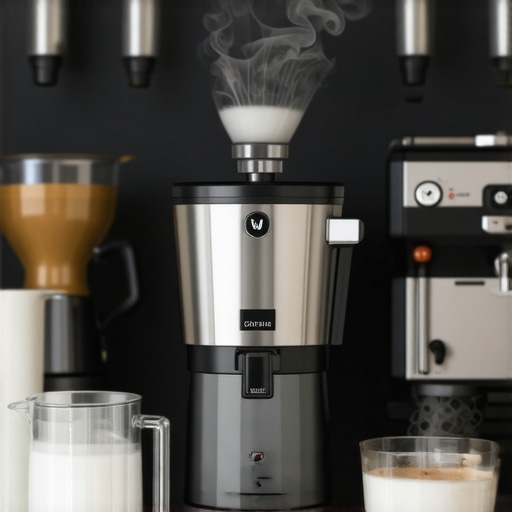
I still remember the bitter disappointment of my first attempt at steaming milk at home. I watched in frustration as the froth refused to turn silky, instead turning into a clumpy mess. It hit me—my gear was half the battle, but I was missing that crucial piece of the puzzle. Have you ever faced that same frustration, feeling like you’re just one device away from barista-quality coffee but don’t know which milk frother or gear to trust? Well, you’re not alone, and that’s exactly what this guide aims to solve.
Why Home Coffee Isn’t Just a Routine—It’s an Art
Today, I want to talk about *what really* makes a home coffee experience extraordinary. It’s not just about the beans or the espresso machine; it’s about the **whole package**, especially the steaming and frothing tools that can lift your daily brew from good to mind-blowingly great. Think about it—perfectly frothed milk isn’t just a luxury; it can completely change how your latte or cappuccino feels—and tastes. According to a study by the Specialty Coffee Association, milk temperature and texture significantly impact overall coffee satisfaction (source: https://sca.coffee/research). If you’re still struggling with uneven froth or inconsistent textures, you’re missing out on how much the right tool can elevate your drink. Honestly, I wasted way too much money on gadgets that promised but never delivered. I bought a cheap handheld frother and thought, “This will do.” Spoiler: It didn’t. Early on, I made the mistake of assuming all frothers are created equal, and I didn’t research enough about their differences. That’s a mistake I want you to avoid. Knowing the ins and outs of the gear can save you both time and stress, and ultimately, turn your kitchen into a mini coffee shop. Ready to transform your morning routine? Let’s dive into what the best barista gear really looks like and how to choose it for your home setup.
Dial in Your Grinder Settings for Consistent Flavor
Start by choosing a high-quality burr grinder, as it produces uniform grounds essential for even extraction. Begin with the manufacturer’s recommended setting but adjust gradually—aim for a grind size resembling fine sand for espresso. I once messed this up by using a too-coarse grind, resulting in weak, sour shots; after dialing in my grinder to a finer setting, my espresso transformed into a rich, balanced shot that impressed even my skeptical roommate. To get precise, monitor your shot times until they hit the 25-30 second mark, indicating balanced extraction. For detailed guidance, check [this comprehensive grinder guide](https://espressotechguide.com/ultimate-guide-to-coffee-grinders-milk-frothers-for-perfect-home-coffee-2025-2).
perfect your tamping technique for optimal extraction
Proper tamping applies firm, even pressure—about 30 pounds forces is ideal—to compact the coffee grounds. Use a calibrated tamper and apply consistent pressure straight down, avoiding wobbling that creates channeling. I learned the hard way with inconsistent shots until I practiced tamping on a scale to ensure I exerted the right pressure, leading to more uniform and flavorful espresso. Remember, a flat, even coffee puck ensures water flows evenly—crucial for extracting maximum flavor. For tips on best tamping practices, consider visiting [this detailed barista guide](https://espressotechguide.com/ultimate-guide-to-home-espresso-setup-barista-gear-in-2025).
Master Milk Frothing for Creamy Perfection
Use cold, fresh milk and a clean frothing pitcher. Insert the steam wand just below the surface and turn on, listening for a gentle hissing sound. Keep the wand tip near the milk surface initially to create microfoam, then submerge it gradually to heat the milk evenly. My first try was a disaster—the milk was scalded and lifeless—until I watched a tutorial and practiced, leading to velvety microfoam that made my cappuccinos café-quality. Remember, slow and steady beats quick and reckless when steaming. For more expert tips, explore [this in-depth milk frothing guide](https://espressotechguide.com/ultimate-guide-to-milk-frothers-barista-gear-for-perfect-coffee-2025).
Adjust Your Brew Temperature for Maximum Flavor
Use an espresso machine with temperature control or a thermometer to keep water between 195°F and 205°F (90-96°C). Too hot, and you risk burnt flavors; too cold, the extraction becomes weak. I once overlooked temperature adjustments, resulting in sour shots; after calibrating my machine, the flavor profile improved remarkably. Small tweaks in temperature can highlight or mute certain tasting notes – experiment to find your sweet spot. For precise temperature strategies, visit [this troubleshooting resource](https://espressotechguide.com/ultimate-guide-to-home-espresso-machines-barista-gear-2025).
Refine Your Extraction Technique for Richer Coffee
Maintain consistent pressure during extraction, aiming for steady, even flow. If your shot flicks or stalls, adjust grind size or tamping pressure. Watch your shot’s flow; a slow, dripping stream suggests tamping too hard or grind too fine, while a fast pour indicates the opposite. I used a shot timer to track consistency, refining my technique until shots flowed smoothly at the 25-30 second mark. This precision makes a huge difference in taste and presentation. For more details, see [this detailed brewing workflow](https://espressotechguide.com/ultimate-guide-to-coffee-grinders-milk-frothers-for-perfect-home-coffee-2025).When it comes to mastering espresso at home, many enthusiasts believe more expensive gear automatically equals better coffee. But let’s dig deeper—there’s a nuanced landscape of common myths and advanced pitfalls that can sabotage your brewing journey. For instance, a prevalent misconception is that investing in a high-end grinder alone guarantees perfect grounds; however, even top-tier grinders can underperform if not dialed in correctly, leading to uneven extraction and bitter shots. This is a nuanced mistake many overlook, assuming quality equipment is foolproof.
Is Your Technique Keeping Up With Your Gear? How Small Mistakes Impact Flavor
Advanced home baristas know that technique—like tamping pressure, distribution, and shot timing—often makes more difference than the equipment itself. For example, inconsistent tamping can cause channeling, where water cuts through the grounds unpredictably, resulting in under-extracted, sour coffee. Even the best espresso machine can’t compensate for poor technique. Recent research indicates that user skill level influences extraction quality more than brand reputation—so mastery matters. To avoid these pitfalls, check out expert guides on dose and tamping consistency, and remember that the most expensive gear won’t elevate your coffee if your process isn’t refined. Feel like you’re missing a step? Maybe you’re falling into the trap of upgrading equipment before perfecting your fundamentals. For comprehensive insights, explore [this guide on best home espresso gear](https://espressotechguide.com/best-home-espresso-machines-coffee-grinders-for-2025) and ensure your setup aligns with your skill level. Moving beyond basics, many aficionados get caught in advanced misconceptions regarding milk frothing and temperature control. For example, the myth that all milk frothers produce microfoam equal to professional standards is false; specialized steam wands and proper technique are essential to achieve velvety texture. Even seasoned baristas sometimes overlook the critical role of milk type or temperature—variables that dramatically influence microfoam quality. Investing in a quality milk frother and practicing proper steaming techniques can make your drinks truly café-worthy, but only if you understand the finer details. Think you’re ready to elevate your milk game? It’s worth scrutinizing your equipment choices and techniques regularly, as even minor adjustments have big flavor payoffs. Want to see what separates the pros from the amateurs? Check out [detailed reviews of barista gear](https://espressotechguide.com/ultimate-guide-to-barista-gear-milk-frothers-for-perfect-coffee-2025) to refine your setup. Remember, the devil is in the details—simple missteps can undo the best gear. Have you ever fallen into this trap? Let me know in the comments.To keep your home espresso setup performing at its best, you’ll want to invest in reliable tools and establish a routine maintenance regimen. Personally, I swear by a high-precision digital scale, like the _Acaia Lunar_, for impeccable dosing accuracy. It’s helped me dial in shot consistency, especially when I experiment with new beans or grind sizes. Regular cleaning of your espresso machine’s group head, portafilter, and steam wand is crucial—residue build-up can impair extraction and foam quality. I use descaling solutions monthly, following manufacturer recommendations, to prevent mineral deposits that hinder performance. For grinders, periodic burr replacement ensures grounds remain uniform, which is vital for long-term flavor stability. I’ve found that a visual check and internal inspection every six months helps identify wear before it impacts your brew significantly.
When it comes to milk frothers, thorough cleaning after each use prevents milk residue from forming bacteria or clogging. I recommend disassembling your device and soaking parts in warm, soapy water weekly. As for tools, possessing a good tamping station with a calibrated tamper (like the _Reg Barber_) grants consistent pressure, reducing shot variability over time. Regular calibration and upkeep of these accessories maintain your setup’s precision, allowing you to focus on honing your technique.
Looking ahead, the trend is moving towards smart coffee gear, integrating app-based monitoring and maintenance alerts. Devices such as Bluetooth-enabled grinders or espresso machines with diagnostic features are becoming more affordable—expect these to become standard in the next few years, simplifying routine care and troubleshooting.
How do I maintain my equipment to ensure longevity and optimal flavor?
Establishing a regular cleaning schedule, using manufacturer-approved descaling agents, and replacing worn components like burrs and seals prevent performance drops. Document your maintenance routine, so nothing gets overlooked, and always use fresh cleaning supplies. Additionally, keep an eye on parts that wear out fastest—steam wand gaskets or portafilter baskets—replacing them proactively safeguards your investment and taste quality. For in-depth maintenance procedures tailored to your gear, I recommend visiting _the manufacturer’s guide_ or expert-led tutorials specific to your model. Remember, equipment maintenance isn’t just about longevity—it directly influences your coffee’s flavor integrity.
If you haven’t already, try setting a reminder to descale your espresso machine monthly and check your burrs twice a year. These small efforts will keep your setup in prime condition, ensuring that every shot and every sip remain exceptional. Consistent maintenance acts as the foundation for mastering home coffee brewing and living up to your barista potential. Soon, you’ll notice how your results improve, making each cup even more rewarding.
What I Wish I Knew Before Falling for Popular Myths
One of the most eye-opening lessons I learned was that investing in the priciest equipment doesn’t automatically guarantee perfect coffee; technique and consistency matter far more. I used to believe a top-tier grinder would solve all my issues, but I overlooked the importance of dialing it in properly. It took some real trial and error—and a few bitter shots—to realize that patience and proper calibration trump fancy gear every time.
Another insight was understanding that milk frothing isn’t just about having a milk frother but mastering steam wand techniques to create velvety microfoam. My early attempts resulted in lifeless foam, but once I committed to practicing temperature control and positioning, the difference was night and day.
Finally, I discovered that routine maintenance and equipment care directly influence flavor quality. Dirty steam wands and neglected grinders lead to off-flavors, so establishing simple upkeep habits transformed my home coffee experience. Reading reliable guides, like those on this site, helped me avoid costly mistakes and stay consistent.
Gear That Elevated My Barista Skills
My essential toolkit has evolved with the right selections, and I trust tools that marry quality with ease of use. The best home espresso machines for 2025 have reliable temperature stability, which is a game changer for shot consistency. Paired with a high-quality burr grinder like the ones reviewed on this list, I can fine-tune my brew with confidence. For milk, I rely on a professional steam wand and a good-quality milk frother, ensuring silky microfoam every time, thanks to tips from this resource. These tools help me replicate café-quality drinks without leaving the house. Lastly, I never underestimate the value of a precise digital scale; it’s basic but essential for consistent dosing, which directly impacts flavor. The investment in reliable maintenance parts, like replacement burrs and gaskets, keeps my equipment running smoothly and my coffee tasting its best. For detailed product suggestions, check out these recommendations.
Your Next Step toward Barista Confidence
Going beyond the basics to setup and technique can truly elevate your home brewing experience. Remember, every small adjustment—be it grind size, tamping pressure, or milk steaming angle—contributes to that perfect cup. Embrace the learning curve and take pride in making coffee that rivals your favorite café. The journey is as rewarding as the daily ritual itself, and with the right gear and knowledge, you’re well on your way to becoming your own barista at home. So, why not start experimenting today and see where your newfound skills take you? If you’re curious about specific tools or techniques, feel free to ask! And tell me—what’s the biggest challenge you’ve faced in perfecting your home espresso?


![Why 2026 AI Pressure Profiling Fails on Light Roasts [Fix]](https://espressotechguide.com/wp-content/uploads/2026/04/Why-2026-AI-Pressure-Profiling-Fails-on-Light-Roasts-Fix.jpeg)

Leave a Reply