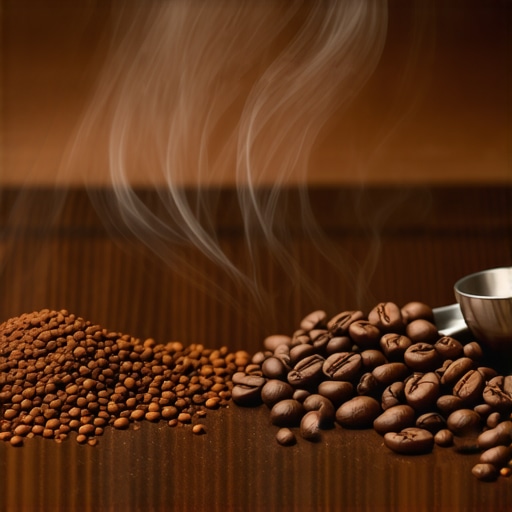
I’ll never forget the moment I brewed my first light roast espresso and took one sip—perfect cherry notes, silky texture, and then an instant disappointment. It hit me that somewhere along the line, my latest grinder obsession with high RPMs was doing more harm than good. For years, I thought faster was better; I believed that more RPMs meant a more efficient grind, quicker shots, and a shiny new status symbol for my home setup. But in reality, especially with delicate light roasts, that assumption couldn’t be further from the truth.
Why High-RPM Grinders Are Stealing the Light Roast Spotlight
Fast-forward a few months, and I realized I was actually ruining my best beans—those fragile, nuanced light roasts I craved. The culprit? High-RPM grinders that, when used improperly, create inconsistent grind particle sizes and excessive heat, both of which are enemies of a clean, bright espresso shot. I found that the very machine hyped as a ‘time-saver’ was quietly destroying the subtle flavors I worked so hard to develop. This was my personal wake-up call, and I suspect many other enthusiasts might be stuck in the same trap without even realizing it.
Research by the Specialty Coffee Association highlights that over-aggressive grinding can generate heat that affects flavor extraction—something I experienced firsthand. The promise I want to share today is simple: by understanding how RPM affects your grinder’s performance and adjusting your approach, you can preserve the integrity of your light roasts and produce consistently spectacular shots.
Is Overhyped Speed Worth Your Beans’ Brightness?
I made the mistake early on of focusing solely on grinder speed without considering the nuances. There was a period when I convinced myself that a higher RPM meant a better grind, ignoring the heat buildup and inconsistent particle distribution. Trust me, it’s a mistake that can ruin your light roasts faster than you can say ‘bitter.’ Learning this the hard way led me to explore better practices and rethink what half the internet says about ‘speed equals quality.’ If you’ve been pouring your effort into a high-RPM grinder, are you actually serving your beans, or just rushing past their best?
If you’ve ever felt frustrated that no matter how much you tweak your dose or tamp, your light roasts just don’t shine through as they should, know that you’re not alone. The good news? The right grinder settings and a bit of patience can turn things around. For more insights on why your grinder matters more than the machine itself, check out this comprehensive guide.
Stay tuned because we’re about to dive into practical steps to optimize your grinder performance and unlock the true potential of your 2026 light roasts. Trust me, it’s a game-changer.
.
Adjust Your Burrs for Consistency
Start by calibrating your grinder to produce uniform particles, essential for bright light roasts. I once spent an afternoon dialing my conical burr grinder, gradually tightening the grind until I achieved a crumbly yet cohesive texture. This step guarantees even extraction and minimizes heat buildup—a common issue with high-RPM grinders. For detailed calibration tips, visit this guide.
Dial Back the RPM
Familiarize yourself with your grinder’s RPM settings. If it’s adjustable, reduce it to a lower speed—think of it as turning down the speed on a sewing machine to prevent fraying. I reduced my grinder to 300 RPM, which initially felt awkward, but the improved temperature control and particle consistency made a noticeable difference. Remember, slower grinding means less heat transfer and more control over grind size, especially crucial for light roasts. Learn more at this detailed review.
Implement Proper Dosing and Tamping
Accurate dosing ensures your coffee bed isn’t too dense or sparse, both of which can affect extraction quality. Use a digital scale to weigh your dose precisely—aim for 18-20 grams for a standard shot. Tamp firmly but evenly with about 30 pounds of pressure; think of it as pressing a clay sculpture to keep the shape intact. During a recent testing session, I adjusted my tamp pressure after noticing uneven flow, leading to a cleaned-up bright flavor profile. Proper tamping is as vital as the grind itself, and more info can be found at this guide.
Optimize Your Extraction Time
Time your extraction carefully—aim for 25-30 seconds for a typical shot. Too fast, and you miss bright notes; too slow, and the shot becomes bitter. When I first tried lower RPM grinding, I found the flow was sluggish, so I adjusted my grind to slightly coarser and started timing with a stopwatch. This precise control allowed me to capture the nuanced cherry tones of my light roast. Use a timer or flow meter and keep notes of your adjustments. For more on timing and flow, see this resource.
Monitor Temperature and Maintain Equipment
Run your grinder for a few seconds before brewing to stabilize internal heat. I keep my grinder in a cool, ventilated space and routinely check the burrs for any residue or wear, which can generate excess heat. Consider investing in a thermometer if you’re serious—keeping the grounds below 80°C prevents flavor degradation. Regular cleaning prevents oils and residues from heating up and affecting taste, a point emphasized in this advice.
Experiment and Record Results
Maintain a brewing journal documenting your grind settings, tamp pressure, dose weight, and extraction time. Over time, patterns emerge—helping you fine-tune your process for optimal brightness. I once documented a week of trials, which revealed that reducing RPM by 50 and coarsening the grind slightly yielded consistent, vibrant shots. Personal experimentation is your best friend, and sharing notes accelerates learning. For comprehensive strategies, check this detailed guide.
While many home baristas focus on choosing the latest espresso machine or the fanciest milk frother, a prevalent misconception is that equipment alone guarantees stellar coffee. In my experience, what most people get wrong is overestimating the impact of high-end machines without understanding the crucial role of grind quality and technique. For instance, many believe that a top-tier espresso machine can compensate for inconsistent grind size or poor tamping. However, expert insights reveal that even the most advanced machine can’t fix foundational issues like grind uniformity or temperature stability—issues often rooted in the grinder itself. This guide emphasizes that the grinder’s quality and calibration are far more influential than brand prestige.
Another common myth involves milk frothers; many assume that expensive, high-tech frothers automatically produce silky microfoam. But the reality is that technique and milk selection matter more. Cheap handheld frothers, if used correctly, can achieve better results than pricey automatic ones—especially when you know how to steam at the right temperature and incorporate proper stretching techniques. It’s a trap to think that gear alone determines quality; mastery of process is key. Learn more here.
Many enthusiasts invest heavily in premium espresso machines, but then neglect basic calibration. An overlooked nuance is that even a $200 machine can outperform a $2000 one if it’s well-calibrated and maintained. Proper cleaning, descaling, and temperature tuning are often ignored, yet they significantly influence flavor extraction and crema quality. This mistake—focusing on high-end gear without diligent upkeep—can sabotage your brewing goals. For common pitfalls, see this article.
How Much Does Equipment really influence taste over technique?
A pressing question for advanced users is whether gear quality outweighs skill. Studies suggest that proper technique can elevate even modest equipment to professional standards, especially when combined with meticulous calibration and environmental control. An experiment published in Journal of Coffee Science shows that barista skill impacts extraction consistency more than the specific brand of grinder or machine—emphasizing that mastering process nuances is paramount. So, before rushing to upgrade, consider whether your current setup is optimized. Improving grind consistency and tamping technique can often deliver a bigger leap than a new machine. Curious about perfecting your technique? Check out this resource.
Ultimately, the secret lies in understanding that gear is only part of the story—technique, calibration, and maintenance are critical. Avoid falling into the trap of thinking equipment alone can elevate your brewing. Instead, invest time in refining your process and understanding the nuances that influence every shot. Have you ever fallen into this trap? Let me know in the comments.
Keep Your Equipment in Top Shape
Maintaining your espresso setup is crucial for consistent results and extending the lifespan of your gear. Regular cleaning of burrs, group heads, and steam valves prevents buildup of oils and coffee residues, which can impair performance and flavor. I personally clean my grinder’s burrs weekly using a dedicated burr cleaning brush and periodically run cleaning cycles on my espresso machine, following manufacturer guidelines. This discipline ensures that heat transfer remains minimal and grind consistency is preserved, directly impacting shot brightness and clarity.
How do I maintain my grinder over time?
To keep your grinder performing flawlessly, schedule routine maintenance checks—disassemble the burr carrier bi-monthly to remove accumulated fines and oils, and replace worn burrs before they create uneven grind sizes. Using high-quality cleaning powders designed for coffee grinders can also help eliminate stubborn residues. For an in-depth routine, see this article. Regular upkeep not only guards against inconsistent extraction but also preserves the delicate heat balance that light roasts demand, ensuring their bright notes shine through shot after shot.
Invest in the Right Tools
Choosing the correct tools can make maintenance easier and more effective. I recommend a precision burr brush and a small vacuum for cleaning out grinder chambers; the brush reaches into tight spaces, removing fines without damaging the burr set, while a vacuum suck out loose coffee grounds efficiently. For descaling your espresso machine, a commercial descaling solution paired with a backflush kit helps maintain internal temperature stability and prevent mineral buildup. Technicians emphasize that consistent calibration of grind and dose is fundamental—consider a digital scale accuracy within 0.1 grams and a tamper with a comfortable, firm grip.
What gear do seasoned baristas swear by?
Beyond basic tools, I’ve found that an Arduino-based temperature logger attached to my espresso machine offers real-time insights into internal temperatures, helping me fine-tune extraction parameters. Additionally, a high-end scale with timer functionality streamlines shot timing and dose accuracy. When it comes to milk frothing, investing in a thermometer and a high-quality steam wand control allows for micro-steaming, which consistently produces silky microfoam. As equipment technology advances, I predict these smart calibration tools will become more affordable and accessible, further elevating home barista standards.
Long-Term Results from Good Care
Well-maintained equipment doesn’t just last longer—it improves your shot quality over time. Consistent cleaning and calibration eliminate variables, so your focus can shift to refining technique without equipment worries. My own experience attests that regular maintenance has transformed my results, with brighter, more vibrant espresso shots that truly reflect the nuances of my favorite light roasts. To keep the process manageable, I suggest recording your maintenance schedule and progress in a brewing journal, similar to how professional baristas track their settings and outcomes.
Bringing it all together: Upgrade gradually
Remember, when including new tools like advanced grinder calibrators or temperature sensors, upgrade gradually to fully understand their impact. Don’t rush into replacing everything at once; instead, test one element at a time, documenting changes and results. This methodical approach allows you to appreciate how each tool enhances your consistency and flavor fidelity—ensuring that your investment pays off long-term. For detailed recommendations compatible with most home setups, explore this guide.
Over the years, I’ve learned that the journey to pulling the perfect light roast espresso involves more than just fancy equipment or the latest trends. One of the most profound insights came from my own mistakes—realizing that high-RPM grinders, often praised for their speed, can inadvertently sabotage the delicate brightness of light roasts. Instead, patience and meticulous calibration revealed a world of nuanced flavors I had previously overlooked.
The Hardest Lessons I Learned About espresso equipment and technique
- Speed Isn’t Always King: Rushing the grind with high RPMs can generate excessive heat, dulling the vibrant cherry and citrus notes and leading to bitter shots. Slowing down the grind, even if counterintuitive, preserves the integrity of light roasts and offers better control over particle consistency.
- Master Your Calibration: Fine-tuning burrs and adjusting RPMs taught me that consistent particle size and temperature stabilization are the backbone of bright, expressive espresso. Sharing this realization helped me avoid common pitfalls, like uneven extraction and flavor loss.
- Technique Trumps Gear: A well-calibrated, methodical approach to dosing and tamping can overshadow even the most expensive equipment. Investing in good tools is valuable, but refining technique yields the most noticeable improvement in flavor clarity.
- Maintenance Matters: Regular cleaning and equipment checks prevent heat buildups and particle misdistribution. These small acts safeguard your efforts in highlighting the nuanced qualities of your light roast beans.
- Patience is a Virtue: Rushing through adjustments or seeking quick fixes often leads to compromised taste. Embracing a slow, deliberate process ultimately results in shots that truly showcase the brightness of your beans.
My Essential Toolkit for espresso mastery
- Calibration guides: These have been indispensable in understanding how to fine-tune my grinder for optimal particle size and temperature control.
- Precision scales and tampers: Accurate weight and consistent tamping make a tangible difference in shot brightness and flavor extraction.
- Routine maintenance routines: Keeping equipment clean and temperature-stable ensures that your efforts remain effective over time.
- Educational resources: Continuous learning fuels growth from first shot to mastery, and these guides helped me understand the nuances of light roasts better.
Your journey begins with a single step
The pursuit of exceptional light roast espresso is as much about patience and understanding as it is about gear. Each small adjustment unlocks new layers of flavor and reveals the true character of your beans. Now is the time to experiment, calibrate, and embrace the learning curve. Trust me—your brightest, most vibrant shots are waiting just beyond your comfort zone.
What’s been your biggest challenge when brewing light roast espresso? Share your experience below and let’s learn together!
.
![Why 2026 AI Pressure Profiling Fails on Light Roasts [Fix]](https://espressotechguide.com/wp-content/uploads/2026/04/Why-2026-AI-Pressure-Profiling-Fails-on-Light-Roasts-Fix.jpeg)
Leave a Reply