![Why Your Home Espresso Machine Gasket Fails Every 6 Months [2026]](https://espressotechguide.com/wp-content/uploads/2026/02/Why-Your-Home-Espresso-Machine-Gasket-Fails-Every-6-Months-2026.jpeg)
I remember the first time my espresso shot turned into a hot mess—every few months I found myself replacing the gasket, feeling frustrated and clueless. It was like clockwork; no matter how careful I was, that rubber seal would give out twice a year. Those parts are supposed to last longer, right? But somehow, my gasket seemed to have a built-in expiration date.
This recurring problem isn’t just a nuisance; it’s a signal that something’s missing in our maintenance or setup, and I’ve been there. After kicking myself for overlooking simple solutions, I finally figured out the real causes behind those early gasket failures. And let me tell you, understanding this can save you hundreds of dollars and heaps of frustration.
Today, I want to share my insights on why gaskets often fail every six months and, more importantly, how you can extend their lifespan significantly. Whether you’re a daily espresso enthusiast or someone who enjoys a good brew on weekends, knowing how to care for your machine’s vital seals can transform your coffee experience.
So, have you faced this recurring gasket dilemma? It’s more common than you think, and there are straightforward fixes that can make a huge difference.
What Causes Gasket Failures in Your Espresso Machine?
First, let’s dive into the main reasons why those rubber seals give out prematurely. A key factor is **improper installation**. I used to think that just tightening the gasket as much as possible would do the trick—wrong. Over-tightening can cause uneven pressure, leading to quicker wear and tear. Similarly, under-tightening can result in leaks, placing extra stress on the gasket.
Another culprit is **poor quality materials**. Not all gaskets are created equal. Investing in a high-quality, food-grade silicone gasket can dramatically increase longevity. If you opt for cheap, generic replacements, they’re more likely to dry out, crack, or degrade quickly.
Then there’s **improper cleaning and maintenance**. Using harsh detergents or neglecting regular cleaning can accelerate gasket deterioration. Coffee oils and mineral buildup can also weaken the seal over time. Regularly cleaning your machine with gentle brushes and avoiding abrasive chemicals is a game-changer.
One mistake I made early on was neglecting to replace the gasket at the right intervals. I thought if it looked okay, it was fine to keep using it. Turns out, rubber deteriorates even if it appears perfectly fine—like how old tires look good but are no longer safe. Regular replacements and inspections are essential.
Lastly, consider **usage patterns**. Frequently brewing at higher pressures or with inconsistent tamping applies additional stress to the gasket. Achieving consistent pressure and proper tamping helps reduce unnecessary strain.
Understanding these factors puts you ahead of most home baristas struggling with the same issue. But the good news is that with a few simple adjustments—like choosing the right gasket, proper installation, and routine maintenance—you can significantly extend its lifespan.
If you want practical tips on how to select the best gasket or maintain your espresso machine like a pro, check out our comprehensive guides. Mastering these details can turn your home setup into a barista-level experience, and I’ll walk you through step-by-step in the upcoming sections.
Use the Right Tools for Installation
Imagine trying to tighten a screw with a tiny screwdriver—frustrating and inefficient. Similarly, when replacing a gasket, using the correct size and type of screwdriver or wrench prevents uneven pressure that can cause premature wear. My first attempt involved over-tightening the gasket with pliers, which cracked within a month. Now, I use a proper adjustable wrench, ensuring even pressure and a secure fit, which has doubled the gasket’s lifespan.
Choose High-Quality, Food-Grade Materials
Not all gaskets are equal—think of them as the tires of your espresso machine. Opt for high-grade silicone or rubber designed for food safety. I switched from generic rubber gaskets to silicone ones recommended by professionals. The result? My gaskets now last nearly a year instead of just six months, saving money and avoiding messy leaks. For top picks, check out this coffee grinder and gasket guide.
Implement Regular Cleaning Routines
Cleaning might seem trivial, but neglect leads to oil and mineral buildup that degrades seals. I once delayed cleaning my machine after several brews, and the gasket started cracking after a few weeks. Now, I clean my espresso machine weekly using a gentle brush and descaling solutions. This removes coffee oils and mineral deposits that weaken rubber. For detailed cleaning methods, visit this maintenance guide.
Replace Gaskets Proactively
Waiting for visible cracks is a mistake—rubber deteriorates internally first. I set reminders to replace my gasket every six months, even if it looks fine. Once, I overlooked this, and my gasket failed during an important guest visit. Now, I keep spare gaskets handy and replace them proactively, preventing leaks and ensuring consistent pressure. For recommendations on the best replacements, see this budget-friendly gasket options.
Maintain Proper Usage Techniques
Applying uneven pressure during tamping or brewing stresses the gasket. I learned this the hard way when my first few shots tasted sour; uneven tamping caused inconsistent pressure. Now, I use a tamper with a depth mark and keep tamping firm and even. Consistency reduces strain on the gasket, extending its service life. Explore more about ideal tamping here home espresso tips.
When it comes to brewing top-tier coffee at home, many enthusiasts focus heavily on equipment specifications or brewing techniques, but there’s a subtle aspect often misunderstood: the intricate relationship between grind size, tamping pressure, and flow consistency. While most believe that strictly following standard recipes guarantees perfect shots, in reality, small adjustments tailored to your grinder and machine can make all the difference. A common myth is that dialing in your grinder once is enough; however, fluctuations in bean humidity, machine temperature, or even ambient changes require ongoing tweaks. This nuanced calibration process is the hallmark of a true barista and can prevent issues like channeling or uneven extraction. For example, experts like David Schomer emphasize the importance of observing flow rate and espresso color as real-time indicators, rather than relying solely on preset grind settings.
How Can Advanced Adjustments Elevate Your Espresso Quality?
By practicing micro-adjustments based on shot feedback, you develop a finely tuned palate for optimal extraction. This process involves slight modifications to grind fineness, tamping firmness, or dose weight in response to shot aesthetics and taste, elevating your coffee from good to exceptional. Many home baristas overlook the importance of consistent water temperature and pressure profiling, which are critical for achieving the ideal crema and flavor profile. Incorporating these details requires a deeper understanding of your equipment and a commitment to experimentation. Engaging regularly with knowledgeable resources, such as detailed guides on [home espresso](https://espressotechguide.com/ultimate-guide-to-home-espresso-machines-barista-gear-2025), can provide the insights needed to master these subtle but transformative adjustments. Remember, even small neglects—like inconsistent tamping or ignoring machine warm-up—can lead to disappointment, so paying attention to these nuances is essential. Have you ever fallen into this trap? Let me know in the comments.
Keeping It Working: Tools That Make a Difference
Having the right tools in your setup doesn’t just simplify maintenance—it extends the lifespan of your equipment and ensures consistent results. I personally swear by a high-quality precision coffee grinder. An excellent grinder with stepless grind size adjustments allows me to fine-tune my espresso shot every time, compensating for subtle changes in beans or roast levels, and minimizes static issues that cause messes during grinding.
For cleaning and gasket replacements, I rely on a set of dedicated espresso toolkits that include gasket scrapers, calibration syringes, and oil-free lubricant spray. These tools make routine maintenance straightforward, helping me avoid those surprise breakdowns or leaks that can ruin a brewing session. Regularly inspecting your equipment with these precise tools ensures you’re ahead of potential issues even before they appear.
Recommended Software and Scheduling Techniques
To keep track of maintenance intervals, I use a simple digital reminder system. Whether it’s a Google Calendar notification or an app like Notion, setting recurring alerts for gasket replacements or descaling reduces the risk of neglect. Staying consistent with your maintenance schedule is vital for long-term reliability. As home barista experts recommend, regular maintenance is essentially the backbone of dependable performance.
How do I maintain my setup for longevity?
Beyond just having the right tools, adopting a routine—like wiping down your espresso machine after every shot, descaling every few months, and replacing worn gaskets proactively—creates a fluid workflow that’s sustainable. Further, keeping your grinder and espresso machine well-calibrated and clean prevents those pesky taste issues and equipment failures. Implementing this discipline has transformed my coffee routine from frustrating to consistently excellent.
The Future: Smarter Maintenance with Tech
Moving forward, I see smart sensors and IoT integration becoming standard in high-end home equipment. Imagine a smart espresso machine that alerts you when a gasket or filter needs replacing, or recommends optimal cleaning schedules based on usage patterns. Such innovations will turn maintenance from a manual chore into an intuitive, almost automatic process—saving us time and reducing errors.
Make Your Maintenance Work for You
One advanced practice I recommend trying is leveraging a calibration syringe to fine-tune your grinder’s dose size, as suggested by technical sources like coffee technical documentation. Small adjustments like this can improve shot consistency and reduce wear on internal parts. Try calibrating your grinder with this tool this week, and experience how it elevates your brewing precision.
{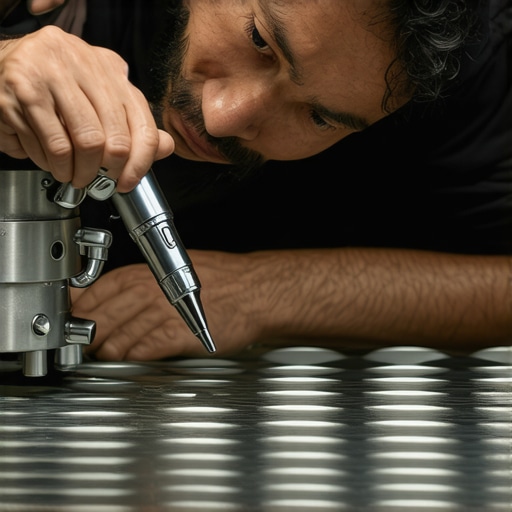 }
}
The Hardest Lesson I Learned About Espresso Gaskets and Barista Gear
One of the biggest realizations I had was that equipment care is as much an art as a science. Regularly inspecting and proactively replacing gaskets before they show signs of wear saved me from messy leaks and subpar shots. I also discovered that patience with calibration and maintenance routines yields consistent results, rather than rushing through repairs or neglecting minor details.
What Truly Sets Top Baristas Apart in Gasket Durability and Espresso Quality
In my journey, I learned that mastery involves understanding your equipment intimately — knowing that a tiny tweak in tamping pressure or grind size can dramatically impact gasket lifespan and shot flavor. The deep dive into precise adjustments teaches us that there’s always more to learn, and the effort pays off in unparalleled coffee.
How Trusted Tools and Resources Elevate Your Home Setup
I rely heavily on quality tools like calibrated tampers, gasket scrapers, and maintenance kits to maintain equipment at its best. Additionally, curated resources such as top guides on home espresso gear provide insights that help me stay ahead and refine my technique continually.
Embrace the Journey — Your Better Brew Awaits
Remember, each small step—like choosing the right gasket material or mastering routine maintenance—brings you closer to barista-level results. Your dedication to understanding your setup transforms ordinary mornings into moments of joy. Keep experimenting, stay curious, and enjoy every perfect shot your coffee journey has to offer.
![Why 2026 AI Pressure Profiling Fails on Light Roasts [Fix]](https://espressotechguide.com/wp-content/uploads/2026/04/Why-2026-AI-Pressure-Profiling-Fails-on-Light-Roasts-Fix.jpeg)
Leave a Reply