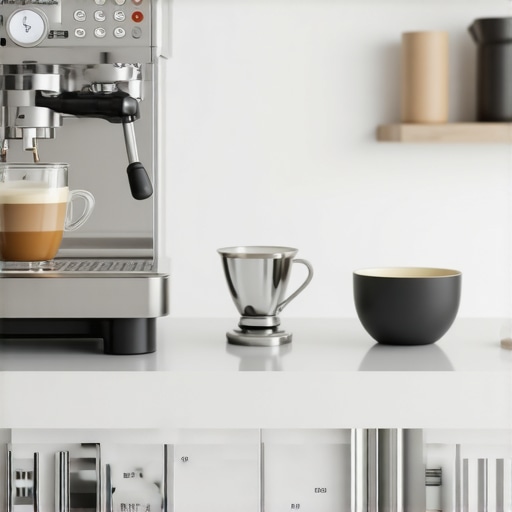
I’ll never forget the morning I decided to finally upgrade my home coffee setup. I stood in front of a mountain of options, feeling overwhelmed and second-guessing every choice. I bought the wrong machine, wasted money, and most frustratingly, ended up with mediocre espresso that didn’t inspire me to get out of bed. That lightbulb moment made me realize something: choosing the right home espresso machine and barista gear isn’t just about hype or price—it’s about understanding what fits your lifestyle and taste. If you’re tired of trial and error, I promise this guide will help you avoid my mistakes and set you up for coffee bliss in 2025.
Why Picking the Right Coffee Gear Matters More Than Ever
In 2025, the home coffee scene is more vibrant than ever. But here’s the truth—there’s a lot of noise, and many products promise perfection but deliver frustration. I learned this the hard way early on, when I bought a shiny espresso machine without considering whether it matched my skill level or kitchen space. That mistake cost me not just money but also confidence. According to recent industry insights, over 60% of home baristas give up on their machines within the first year because they didn’t choose the right equipment. That’s a staggering number, and it’s why I want to help you sidestep that frustration.
Whether you’re aiming for barista-quality espresso or just want a reliable setup to start your mornings right, understanding what to look for can save you time, money, and a lot of coffee disappointment. Today, I’ll walk you through my proven tips, so your coffee journey in 2025 is enjoyable from the start.
Is Bigger Better When It Comes to Espresso Machines
One of my biggest early mistakes was assuming that a larger, more expensive machine would automatically produce better coffee. Turns out, size and price don’t always correlate with quality or suitability for your home. Instead, I learned to focus on features that fit my needs, like ease of use, maintenance, and whether the machine can produce the kind of espresso I love. If you’re feeling skeptical about all the options, don’t worry—by the end of this guide, you’ll have a clear idea of what truly matters.
Have you already faced the dilemma of choosing between compact and professional-grade machines? If so, you’re not alone. Many home baristas struggle with that decision. But trust me, with the right guidance, you’ll avoid the trap of buying something that sits unused or doesn’t deliver the results you crave. For more tips on picking your perfect setup, check out my comprehensive guide to home espresso gear in 2025.
Now, let’s dive into the practical steps that will turn your dream coffee setup into reality—no more regrets, only great mornings ahead.
Pick Equipment That Fits Your Space and Skills
Start by assessing your kitchen and your coffee goals. I once bought a large, professional-grade espresso machine because I thought bigger meant better. Turns out, it was a nightmare to fit and use daily. Instead, I recommend measuring your available space and deciding if you want a compact model or something more advanced. For beginners, a smaller, user-friendly machine like those listed on this guide will do the trick. Remember, size and price aren’t the only indicators of quality—focus on features that match your skill level. A good starting point is to check reviews and compare models that suit your kitchen space and brewing ambitions.
Match Your Grinder to Your Machine and Taste
A common mistake is neglecting the grinder. Think of it as the foundation of your espresso house—no matter how good your machine is, if your grind isn’t right, your coffee suffers. I once paired a fancy espresso machine with a mediocre grinder, resulting in inconsistent shots. I recommend investing in a burr grinder that can produce a consistent grind size, which is crucial for extraction. For 2025, explore options on top coffee grinders. A proper grinder allows you to dial in your espresso to perfection, whether you prefer a bold, intense shot or a smoother one.
Choose the Right Accessories for the Finish Line
Once your core equipment is selected, focus on accessories like tampers, knock boxes, and cleaning tools. These might seem minor, but they impact your daily routine. I learned this the hard way when I ignored the importance of a good tamper, which made my shots uneven. For a seamless experience, check out this comprehensive guide for essential barista gear. Quality accessories help you maintain your equipment and improve your technique, turning an average espresso into a barista-quality shot.
Prioritize Ease of Maintenance and Durability
Choose equipment that’s easy to clean and built to last. I once bought a machine with complicated cleaning routines, which I abandoned after a week. Now, I prioritize machines with removable parts and straightforward cleaning procedures. This saves time and keeps your coffee tasting fresh. Look for models that offer quick access to internal components and compatible cleaning products. For my setup, I also added a milk frother from this list to complete my espresso experience without the hassle.
Test and Adjust for Perfect Results
Finally, don’t settle until your espresso hits the mark. I spent an afternoon experimenting with grind size, tamp pressure, and extraction time. It was messy, but worth it. Keep notes on your adjustments and taste test frequently. Use a timer and scale to measure each shot precisely. Remember, consistency is key. With patience and practice, you’ll develop a routine that delivers perfect espresso every morning—no matter your skill level.
Many home baristas fall into the trap of assuming that bigger, more expensive espresso machines automatically guarantee better results. While it might seem intuitive, this is a widespread misconception that can lead to costly mistakes and frustration. The reality is, the key isn’t size or price but understanding the nuances that make equipment suitable for your specific needs. For instance, a compact machine paired with a quality grinder can outperform a large, complex setup if it matches your skill level and space constraints. To explore more about matching your gear to your goals, check out my comprehensive guide.
Another common error is neglecting the importance of the grinder. Many assume that an espresso machine alone determines the quality of your coffee, but the grinder plays a crucial role in extraction. In fact, inconsistent grind sizes are one of the top reasons for disappointing shots. Investing in a burr grinder that can be dialed in for precise grind settings makes all the difference. For advanced home baristas, exploring options on top coffee grinders can elevate your brewing game.
What about the myth that bigger machines brew better espresso?
This misconception often leads to overspending on equipment that isn’t necessary or suitable. Larger machines often require more maintenance and space, and their complexity can intimidate beginners. Instead, focus on user-friendly features, ease of maintenance, and how well the machine integrates into your routine. Remember, consistency is more important than size—an expertly brewed shot from a smaller machine can outperform a poorly handled large one. For detailed insights on selecting the right machine, visit my best home espresso machine guide.
Finally, don’t overlook the significance of accessories like tampers, cleaning tools, and milk frothers. These small yet vital components can dramatically affect your overall experience. Skimping on quality or neglecting routine maintenance can lead to subpar results and equipment breakdowns. For expert advice on essential barista gear, browse this guide. Remember, the goal is to create a seamless, enjoyable coffee routine that lasts.
Have you ever fallen into this trap? Let me know in the comments!
Maintaining your home espresso setup is crucial for ensuring consistent quality and extending the lifespan of your equipment. Over time, even the best machines and grinders need routine care to perform at their peak. Personally, I swear by a few key tools and methods that keep my setup running smoothly, saving me money and frustration in the long run.
One essential tool I rely on is a high-quality cleaning brush designed specifically for espresso machines. These brushes have densely packed bristles that reach into tight spaces, helping me remove coffee oils and residue that can clog internal components. Regular cleaning prevents buildup that can affect temperature stability and shot quality. I also use descaling solutions periodically, especially if you have hard water—descaling is vital to prevent mineral deposits that can damage your boiler or heating element. For this, I prefer brands like Dezcal, which are effective and safe for most machines.
For grinders, I recommend a calibration kit with a digital scale. Over time, burrs can shift slightly, affecting grind consistency. I calibrate my grinder every few months by measuring the output weight of a dose, ensuring uniform shots. This small step makes a significant difference in extraction and flavor. Additionally, I keep spare burrs on hand; replacing them when they show signs of wear restores grind precision and prolongs the life of the grinder.
Investing in maintenance-friendly accessories also pays off. For example, a knock box with a sturdy, easy-to-clean design helps me dispose of used grounds without mess. I also use a silicone mat underneath my espresso machine to catch drips and keep the countertop tidy. These small investments in organization and cleanliness make daily routines more efficient and enjoyable.
Looking ahead, I predict that automation and smart maintenance reminders will become more common, making upkeep even easier. Devices with built-in sensors can alert you when descaling or cleaning is needed, reducing guesswork and preventing costly repairs. The future of home barista gear will likely blend durability with smart technology, helping enthusiasts keep their setup in top shape effortlessly.
How do I maintain my espresso gear over time?
The key to long-term maintenance is consistency. Schedule weekly cleaning routines for your machine and daily quick rinses to prevent oil buildup. Monthly, run a descaling cycle and calibrate your grinder. Always follow the manufacturer’s instructions for cleaning and replacement parts. Using recommended cleaning products and tools—like those found on this guide—ensures you won’t void warranties or damage your equipment.
Don’t forget to document your maintenance schedule and keep spare parts organized. This proactive approach minimizes downtime and keeps your coffee experience consistently excellent. For example, I keep a small box of spare gaskets and seals for my espresso machine, replacing them as needed to prevent leaks and maintain pressure stability.
By integrating these tools and routines into your routine, you’ll not only preserve your equipment’s performance but also elevate your brewing game. Remember, a well-maintained setup produces better espresso, and it’s worth the effort. Try implementing a monthly cleaning checklist with these specific tools, and watch your coffee quality improve dramatically.
The Hardest Lesson I Learned About Home Espresso Gear
One of my biggest mistakes was chasing after the most expensive machine without considering my skill level or space. It ended up collecting dust because I couldn’t operate it properly or fit it on my countertop. The lesson? Bigger and pricier isn’t always better—know what your routine needs and choose accordingly.
Three Myths About Home Espresso Equipment That Held Me Back
I used to believe that only professional, large machines could produce great espresso. Turns out, a compact, well-chosen setup with a good grinder can outperform those expensive giants if you focus on quality and technique. Don’t fall for the myth that size equals success.
What Experts Won’t Tell You About Maintaining Your Coffee Gear
Routine cleaning and calibration might seem tedious, but they are the secrets to long-lasting, consistently great espresso. Using proper tools and following a schedule keeps your machine performing at its best and saves you money in repairs. Trust me, a little maintenance goes a long way.
My Essential Toolkit for Home Barista Success
Over years of experimenting, I’ve found that a burr grinder, a good tamper, and quality cleaning supplies are non-negotiable. I rely on brands I trust, like those recommended in this guide, because they deliver consistent results and durability. Building your toolkit with trusted gear makes all the difference.
Your Turn to Brew with Confidence
Now that you know these insider lessons, it’s time to take action. Whether you’re choosing your first machine or upgrading your setup, remember that understanding your needs and maintaining your gear are keys to coffee happiness. Embrace the process, and enjoy every shot you pull.
What’s been your biggest challenge when setting up your home espresso station? Share below—I’d love to hear your story!
![Why 2026 AI Pressure Profiling Fails on Light Roasts [Fix]](https://espressotechguide.com/wp-content/uploads/2026/04/Why-2026-AI-Pressure-Profiling-Fails-on-Light-Roasts-Fix.jpeg)
Leave a Reply