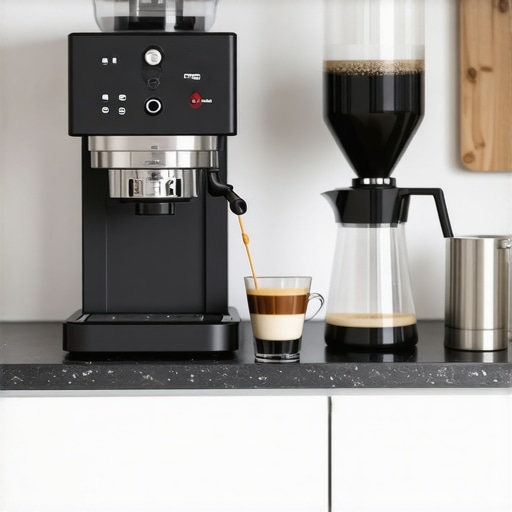
I remember the exact moment I realized my daily coffee ritual was more of a frustrating chore than a moment of joy. It was a dreary Sunday morning, and I was fumbling with my old, unreliable espresso machine, trying to get that perfect shot. Coffee was either too bitter, too weak, or just didn’t have that rich crema I’d been dreaming of. I felt like I was chasing a mirage in my own kitchen, and honestly, it made me question whether investing in better gear was worth it. Spoiler alert: it absolutely is.
Why settling for mediocre coffee at home feels like a betrayal
There’s something deeply satisfying about crafting your own espresso, especially when your equipment actually works with you instead of against you. More than just a beverage, a well-made espresso can start your day on a high note, save you money, and even become a fun hobby. But here’s the catch: the market is flooded with options, and choosing the right gear can feel overwhelming. I’ve been there, trying to decipher endless reviews and tech specs, only to end up with a machine that’s either overhyped or underwhelming.
That’s why I want to share what I’ve learned after years of tinkering and tasting. In this guide, I’ll help you cut through the noise and find the best home espresso machine and barista gear for 2025—gear that’s reliable, intuitive, and capable of turning your kitchen into a mini coffee shop.
Is it really worth splurging on top-tier gear?
Early on, I made a costly mistake—I bought a fancy espresso machine without considering how much effort or skill I’d need to operate it. Turns out, some high-end machines are more about bragging rights than real brewing quality if you don’t know how to use them properly. The key is finding gear that matches your skill level and coffee goals, and I’ll guide you on that. Want to skip the trial-and-error? Check out our comprehensive ultimate guide to choosing barista gear for a head start.
Now, if you’re tired of wasting money on gear that doesn’t deliver, or simply want to elevate your coffee game, you’re in the right place. Let’s dive into the practical steps to select the perfect espresso machine and accessories that will make every cup a masterpiece in 2025.
Select the Right Equipment for Your Skill Level
Start by choosing an espresso machine that matches your experience. If you’re a beginner, opt for a semi-automatic model that offers control without overwhelming complexity. I once bought a top-tier machine without realizing I lacked the skills to operate it efficiently. It sat unused for months until I switched to a more user-friendly option, which immediately improved my brewing results. For detailed reviews, check our best home espresso machines.
Grind Coffee to the Perfect Consistency
The grinder is your best friend in brewing great espresso. Use a burr grinder to achieve uniform particle size. For a beginner, I recommend starting with a medium-fine grind; too fine and you’ll clog your machine, too coarse and your shot will be weak. I experimented by grinding too fine, causing my espresso to taste burnt and bitter. After dialing in the grind size, I achieved a richer, more balanced shot. For top-rated grinders, visit best coffee grinders.
Master the Tamping Technique
Tamping compresses the coffee grounds evenly to ensure proper water flow. Use a tamper to apply consistent pressure—about 30 pounds of force is ideal. I once manually tamped with a shaky hand, resulting in uneven extraction. Then, I learned to apply steady pressure and saw my shots improve dramatically. Practice makes perfect, and a good tamper makes a difference. For more on tamping, see espresso machine tips.
Perfect Your Extraction Time
Extraction time affects flavor. Aim for 25-30 seconds for a shot. Use a timer to monitor your brew; I once pulled a shot that took over 40 seconds, resulting in a sour taste. Adjust your grind size or tamp pressure to refine this. Consistent timing is key to repeatable results. For detailed timing techniques, visit espresso brewing techniques.
Milk Frothing and Latte Art
To make creamy milk, use cold milk and a steam wand. Submerge the wand tip just below the surface to create microfoam. I once over-foamed milk, turning it into frothy bubbles instead of silky texture. Practice controlling steam pressure and angle; a good milk frother makes this easier. Check our milk frother guide for recommendations.
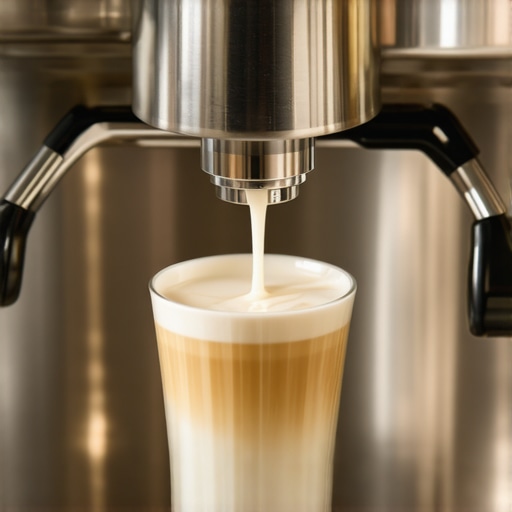
Image prompt: A barista steaming milk using a professional espresso machine with a focus on microfoam texture.
Many enthusiasts jump into upgrading their home coffee setup with high hopes, but often miss critical nuances that can make or break their brewing experience. Contrary to popular belief, more expensive equipment doesn’t automatically guarantee better results. For example, many assume that a top-tier espresso machine will produce perfect shots without mastering fundamental techniques like tamping or grind size adjustment. Let’s dig deeper into what most people overlook or misunderstand about their gear, and how these hidden factors can impact your espresso quality.
Why is the quality of your grinder more critical than your machine?
It’s a common myth that a luxury espresso machine will compensate for a mediocre grinder. In reality, the grinder’s consistency plays a pivotal role in extraction. Even the most expensive machines can’t fix uneven coffee grounds. A burr grinder that produces uniform particles ensures water extracts flavors evenly, leading to richer, more balanced espresso. Skimping on quality here often results in over-extraction or sour shots, regardless of your machine’s specs. For advanced brewers, investing in a good grinder is non-negotiable — check our top coffee grinders for options.
Milk frothing is more than just turning on the steam wand
Many home baristas believe that steaming milk is straightforward, but the devil is in the details. The temperature, angle, and airflow all influence the microfoam quality—crucial for latte art and texture. Over-foaming or under-steaming can ruin your drink, making it either too frothy or too flat. Advanced baristas know that controlling steam pressure and milk temperature is key. Pro tip: Using a thermometer can help you hit optimal milk temperatures of around 150°F (65°C). For a deep dive into perfect milk texturing, explore our milk frother guides.
How do you avoid the trap of overspending on gear that doesn’t match your skill level?
It’s tempting to buy the fanciest espresso machine available, thinking it will elevate your coffee instantly. However, mismatched gear can lead to frustration and wasted money. Beginners often believe that more features will simplify brewing, but in reality, they can complicate the process. Instead, focus on equipment that aligns with your current skill, such as semi-automatic machines that offer control without overwhelming complexity. As your skills grow, you can upgrade gradually. For personalized advice, check our ultimate guide.
Have you ever fallen into this trap? Let me know in the comments. Remember, mastery comes from understanding these nuances, not just buying the most expensive gear. By paying attention to details like grind consistency, milk steaming techniques, and matching equipment to your skill level, you’ll unlock a whole new level of home espresso.
Once you’ve invested in quality espresso gear and mastered the basics, the next crucial step is maintaining your equipment to ensure consistent, top-notch results over the years. Proper upkeep not only extends the lifespan of your machines, grinders, and accessories but also preserves the flavor and aroma of your coffee. Here are some expert-tested methods and tools I personally rely on to keep my home barista setup running smoothly.
How do I maintain my espresso machine and grinder over time?
Regular cleaning is the foundation of longevity. For espresso machines, I use a specialized descaling solution like OCP Descaler every 3-4 months, especially if you live in hard water areas. This prevents mineral buildup that can clog channels and impair temperature stability. Additionally, daily rinsing of the brewing group and wiping down the steam wand prevents residue accumulation. For grinders, I recommend a weekly burr cleaning with a dedicated grinder cleaning tablet, such as Urnex Grindz. This removes old coffee oils and prevents clogging, which can lead to uneven grind sizes and bitter shots. A clean grinder maintains consistency, which is critical for good extraction.
Invest in tools for easier maintenance
My go-to tool for keeping my espresso machine in prime condition is a maintenance kit that includes a small brush, microfiber cloth, and a set of replacement gaskets. These small upgrades make routine cleaning faster and more effective. For my grinder, I use a burr alignment tool—ensuring the burrs stay perfectly aligned over years of use.
Why is consistent calibration critical?
Over time, thermal cycling and mechanical wear can cause your machine’s temperature and pressure to drift slightly. I recommend using a digital thermometer like the ThermoPro TP20 to monitor water temperature during extraction. Regular calibration ensures your shots stay within the ideal parameters, typically around 200°F (93°C). When I noticed my espresso starting to taste flat, a quick calibration of my machine’s pressure stat using a gauge and a screwdriver solved the issue instantly. Maintaining your equipment’s calibration keeps your espresso tasting just as good as when it was brand new.
Future trends in equipment maintenance
Looking ahead, I predict that smart, IoT-enabled espresso machines will incorporate self-cleaning and calibration features that sync with mobile apps. This technology will make maintenance almost effortless and help home baristas maintain peak performance without the guesswork. Until then, sticking to a disciplined cleaning routine and investing in quality tools will keep your gear functioning flawlessly.
As a final tip, try setting a weekly maintenance ritual—like cleaning the brew group and burrs—so it becomes second nature. Trust me, your taste buds will thank you for it! For detailed product recommendations and step-by-step guides, visit our ultimate guide.
The Hardest Lesson I Learned About Espresso Equipment
One of my biggest surprises was realizing that even the most expensive espresso machine won’t save you if your grind isn’t consistent. I used to think upgrading my machine would instantly improve my shots, but it was my grinder’s uneven particles that caused bitter or sour results. That taught me that investing in a quality burr grinder is a game-changer, and you can learn a lot by experimenting with different burr settings and keeping it clean. Trust me, this small shift made a huge difference in my brewing confidence.
The Hidden Power of Proper Milk Steaming
I used to think that steaming milk was just turning on the wand and hoping for the best. Then I discovered that controlling temperature and airflow is what produces that silky microfoam perfect for latte art. Using a thermometer to keep milk around 150°F transformed my drinks from okay to barista-quality. It’s these tiny details—angle, pressure, and temperature—that unlock professional results at home. Check out our milk frother guide for more tips.
Why Regular Maintenance Is Your Best Investment
Skipping routine cleaning was my biggest mistake. Mineral buildup and old coffee oils clog your equipment and ruin flavor. I started descaling every few months with a good solution and cleaning my grinder weekly. Using dedicated tools like a burr alignment kit or a maintenance brush made routine cleaning quick and effective. When I calibrated my machine’s pressure regularly, the consistency of my shots stayed top-notch. Maintaining your gear isn’t just about longevity—it’s the secret to consistent, delicious espresso every time.
Curated Tools That Changed My Home Barista Game
For my setup, I rely on a few trusted tools: First, a semi-automatic espresso machine that balances control and ease of use. Second, a burr grinder like the Baratza Virtuoso for consistent particle size. Third, a milk thermometer to perfect microfoam. Lastly, a cleaning kit with brushes and descaling solutions keeps everything running smoothly. These tools, backed by years of personal testing, keep my espresso experience enjoyable and reliable.
Your Journey to Barista-Level Home Coffee Starts Now
Don’t let the complexity of home espresso hold you back. With the right gear, regular maintenance, and attention to detail, you can craft drinks that rival your favorite coffee shop. Remember, mastery isn’t about buying the most expensive equipment but understanding how each component works together. Start small, learn the nuances, and enjoy every shot you pull. Your perfect home espresso is closer than you think—take the first step today and see the difference it makes.
![Why 2026 AI Pressure Profiling Fails on Light Roasts [Fix]](https://espressotechguide.com/wp-content/uploads/2026/04/Why-2026-AI-Pressure-Profiling-Fails-on-Light-Roasts-Fix.jpeg)
Leave a Reply