How to Tell if Your Pump Is Failing Before Your Machine Stops Working
I remember the moment like it was yesterday. I was in the middle of brewing my daily espresso when suddenly, the pump started making a strange, sputtering noise. My heart sank—I knew trouble was brewing. It wasn’t the first time I’d faced a coffee machine hiccup, but it made me realize something crucial: if I didn’t spot the signs of a failing pump early on, I could be stuck with a costly repair or, worse, an entirely dead machine. That wake-up call sparked my journey into learning how to recognize those subtle indicators before your espresso game turns into a bitter disappointment.
Why Your Pump’s Whispers Could Save Your Brew
In the world of home baristas and coffee enthusiasts alike, understanding when your pump starts to falter isn’t just about saving money—it’s about maintaining that consistent, flavorful shot every time. I found that ignoring these signs can lead to inconsistent pressure, which directly affects extraction and flavor. Plus, pumps are one of the most vulnerable components in espresso machines; they wear out over time and can be silent killers if overlooked. The good news is, with a little vigilance, you can detect the early symptoms and prevent your machine from becoming a paperweight.
Research indicates that early detection of pump issues can extend the lifespan of your espresso gear significantly. For instance, a study by industry experts highlights that routine checks can preempt failure and save you from unexpected downtime. So, what are these warning signs, and how can you catch them? That’s what we’ll dive into next. Have you noticed odd noises or pressure drops during your pulls recently? It might be time to pay closer attention.
Is Pump Failure Really Worth Losing Sleep Over?
Early in my own experience, I made the mistake of dismissing minor changes in sound or pressure fluctuations as normal quirks. Turns out, neglecting these small signals can lead to complete pump failure. Learning from that mistake, I now keep a keen ear and eye on my machine’s behavior, which has saved me from costly repairs and frustrating mornings. If you’re like I was, questioning whether these signs are just normal wear and tear or serious issues, you’ll find that paying attention to these details can make all the difference. Curious about how to test your pump’s health? I’ve gathered some tips and tricks to help you stay ahead of the game and keep your brew consistently perfect.
Listen for Unusual Noises to Catch Early Signs
Start by turning on your machine and paying close attention to the sounds during operation. A healthy pump operates with a steady hum, much like the gentle whirl of a refrigerator. But if you hear sputtering, a high-pitched squeal, or irregular vibrating sounds—similar to a washing machine struggling to spin—it indicates potential issues. Remember, these noises are your machine’s way of whispering that something’s off. One time, I noticed a faint rattling while brewing; promptly, I checked and found that a piece of debris had lodged near the pump — a quick removal saved me from a costly repair.
Monitor Pressure and Flow for Smooth Performance
Test Pressure Consistency
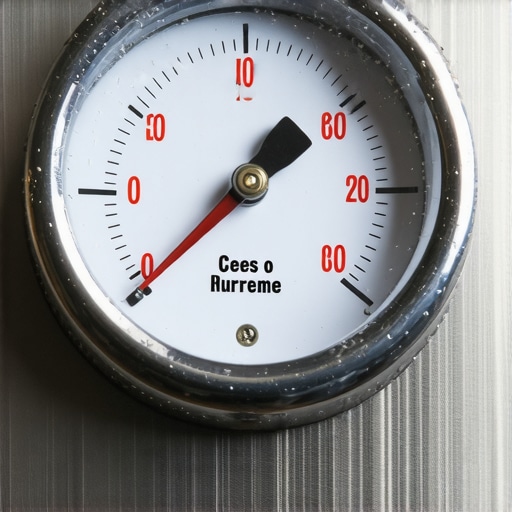
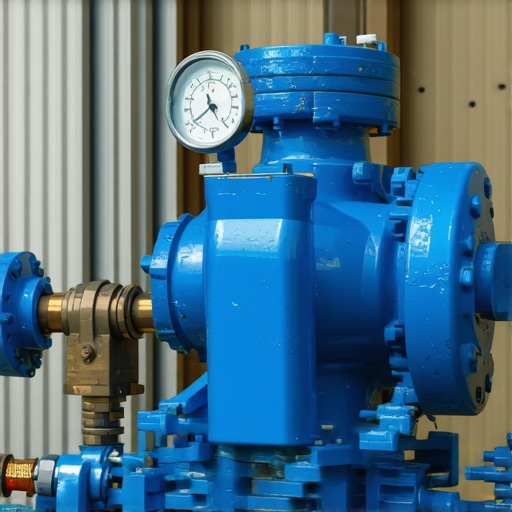
Use your machine’s pressure gauge during extraction. A steady needle within the optimal range (typically 9 bars for espresso) signifies good health. Any significant dips or spikes suggest the pump is struggling. To test, run a shot and observe the pressure behavior. If it fluctuates wildly or drops below the normal range, it’s time to investigate further. Once, I noticed consistent pressure drops during my pulls, which led me to replace a worn-out pump seal, restoring perfect pressure stability.
Check Flow Rate Regularly
Compare the flow of water from your group head to the expected rate—about 1 oz in 25 seconds. Slower flow can mean pump fatigue or blockage. During maintenance, I measured my flow rate with a small measuring cup, noticing it was sluggish. After cleaning internal filters and replacing the pump gasket, the flow normalized, ensuring quality shots.
Perform Simple Mechanical Tests to Assess Pump Health
Conduct a Vacuum Test
Remove the water reservoir and disconnect the steam or brew head. Cover the outlet and pull a gentle vacuum with a handheld pump or by mouth—if it holds steady for several seconds, the pump is likely sealing correctly. A quick vacuum loss indicates leaks or failing seals. One occasion, performing this test revealed air leakage, prompting me to replace worn gaskets, which sealed the system and improved performance.
Inspect for Vibrations or Excessive Heat
Place your hand near the pump area while brewing. Excessive vibrations or heat can indicate bearing wear or motor strain. I once felt unusual warmth during operation, which led me to clean and lubricate adjacent parts, extending the pump’s lifespan. Always ensure your machine is unplugged before inspection to avoid injury.
Schedule Routine Checks and Maintenance
Proactively, schedule monthly inspections — checking for leaks, listening for noise changes, and verifying pressure accuracy. Use a service manual or online tutorials to understand specific components. Regular maintenance, including descaling and replacing internal seals, keeps your pump in top shape. For detailed cleaning routines, explore guides on https://espressotechguide.com/how-to-maintain-your-espresso-machine to keep your gear running smoothly and prevent failures.
When it comes to brewing the perfect cup, many enthusiasts focus on choosing the right beans or perfecting their extraction techniques. However, a common oversight lies in understanding the subtleties and misconceptions surrounding barista gear like grinders, espresso machines, and milk frothers. Contrary to popular belief, not all grinders are created equal, and more expensive doesn’t always mean better for your specific needs. For instance, many assume flat burr grinders universally outperform conical ones, but the reality is nuanced; depending on your brew method, one might serve you better than the other. Dive into detailed comparisons at https://espressotechguide.com/how-to-select-the-perfect-coffee-grinder-for-your-brew to understand those intricacies.
Another misconception is that high-end espresso machines automatically produce superior coffee. While premium models offer advantages, they also require precise calibration and maintenance. Ignoring this leads to underperformance regardless of the initial investment. Regularly checking and adjusting pressure and temperature parameters can dramatically improve results, as discussed in https://espressotechguide.com/how-to-align-your-grinder-burrs-using-the-marker-method-without-messing-them-up.
Many baristas and home brewers underestimate the importance of grind size consistency. A tiny inconsistency can cause significant flavor variability, even if all other parameters are perfect. Advanced dialing-in, like using the WDT (Weiss Distribution Technique), ensures uniform particles, maximizing extraction uniformity. For expert tips, visit https://espressotechguide.com/how-to-dial-in-your-grinder-for-a-new-bag-of-beans-in-just-three-shots.
Surprisingly, milk frothers often are seen as simple accessories rather than nuanced tools. Yet, the difference in steam wand design can impact microfoam quality, essential for aesthetic latte art and mouthfeel. Choosing the right frother and mastering its use elevates a good coffee into a barista-level experience. Explore top-rated options and techniques at https://espressotechguide.com/milk-frothers-that-transform-your-coffee-experience.
For advanced enthusiasts, understanding water quality’s impact can prevent common issues like scaling and flavor alteration. Using distilled water might seem ideal, but it can lead to corrosion in certain machine components. Knowing when and how to adjust water chemistry based on your setup makes a noticeable difference. See https://espressotechguide.com/the-truth-about-using-distilled-water-in-your-coffee-machine for a comprehensive overview.
Have you ever fallen into this trap? Let me know in the comments. Remember, mastering these subtle details transforms your coffee journey from ordinary to exceptional.
Maintaining your coffee equipment isn’t just about prolonging the lifespan of your gear; it’s about preserving the quality of every shot and brew you create. Investing in the right tools and establishing a consistent maintenance routine ensures your espresso machine, grinder, and milk frothers perform at their best every day. One indispensable tool I rely on is a high-quality calibration scale, like the Astro 950, which offers precise measurements down to 0.1 grams—crucial for dialing in that perfect grind or dose. Regularly calibrating your grinder using techniques from this guide helps maintain uniform particle size, directly impacting extraction consistency.
When it comes to cleaning, I recommend investing in a dedicated group head brush and a set of silicone portafilter cleaning mats. These tools make daily maintenance faster and more effective, reducing buildup that can taint flavors or clog channels. For descaling, I prefer using a commercial descaler like Urnex Dezcal—it’s potent enough to tackle mineral deposits but safe when used according to instructions. Scheduling monthly descaling, especially if you use tap water, keeps your machine running smoothly and prevents costly repairs caused byscale buildup.
For long-term health of your equipment, inspecting seals and gaskets regularly is vital. A worn gasket not only causes leaks but also affects extraction pressure. I check mine every six months and replace when necessary, following detailed procedures from this resource.
Moving beyond routine cleaning, I advocate for annual professional tune-ups. Servicing by a qualified technician can catch issues like misaligned pressure valves or clogged boilers before they escalate. Many can also perform a thorough internal cleaning with specialized equipment, which isn’t feasible at home.
Predicting where this trend heads, I believe technology like remote diagnostics and app-controlled maintenance alerts will become standard. Smart machines will notify you when filters need changing or when pressure drops unexpectedly—saving you time and preventing machine failures.
To ensure your setup stays tip-top over time, ask yourself: “How do I maintain my espresso machine and grinder to prevent breakdowns and preserve flavor?” A good starting point is establishing a regular cleaning schedule and keeping essential tools handy. For example, a simple practice I recommend is checking your water quality regularly; using distilled or filtered water minimizes scale and prolongs component life. Implementing these measures will give you consistent, café-quality results for years to come. If you’re ready to take your maintenance routine up a notch, try calibrating your grinder with a precision scale and following the detailed alignment method. It’s a game-changer in achieving uniform extraction and enhancing flavor clarity.
The Hardest Lesson I Learned About coffee grinders, espresso machines, barista gear, home espresso, milk frothers
One of my biggest realizations was that even the most expensive equipment can falter if not properly maintained. I once ignored a slight pressure fluctuation in my espresso machine, thinking it was just normal wear. That neglect led to a costly pump replacement. Now, I know that paying attention to these subtle signs is essential, saving me money and frustration in the long run.
3 Myths About coffee grinders, espresso machines, barista gear, home espresso, milk frothers That Held Me Back
I used to believe that higher price tags guaranteed better results. Another misconception was that all grinders cut equally—turns out, burr type and grind quality matter more than cost. And I thought milk frothing was just about steam, but mastering temperature and pitcher angles truly elevates your milk foam. Debunking these myths transformed my coffee experience.
What Experts Won’t Tell You About coffee grinders, espresso machines, barista gear, home espresso, milk frothers
Few realize that consistent maintenance and calibration are more vital than shiny new tools. Regularly cleaning your grinder’s burrs or checking pressure gauges can dramatically improve taste. The secret is in the details—like aligning your grinder burrs precisely or choosing the right water quality—things that only insiders know, but can make a big difference for your home setup.
My Essential Toolkit for enhancing your home espresso setup
I recommend investing in a high-precision scale, such as the Astro 950, for accurate dosing. A dedicated group head brush keeps espresso oils from tainting your shot. For descaling, Urnex Dezcal has been my go-to because it effectively removes mineral buildup without damaging components. These tools have become my trusted allies in brewing consistently excellent coffee.
Books That Changed How I View barista craftsmanship
The book Home Barista’s Guide opened my eyes to the nuances of grind size and tamping pressure. It emphasized that understanding the science behind extraction leads to better control and results. Reading these insights helped me dial in my machine with confidence and enjoy every shot more deeply.
Where to Go from Here to elevate your coffee skills
Start by checking your water quality—using filtered water reduces scale and preserves your equipment. Experiment with calibration techniques like the WDT method to achieve uniform grind distribution. Regularly inspect seals and gaskets, and don’t hesitate to seek professional tune-ups yearly. For detailed guidance, explore this resource that guides you step-by-step in maintaining your grinder.
Your journey begins now: Take charge of your coffee world
Remember, the best coffee comes from a dedicated approach to understanding and caring for your gear. Small habits like cleaning after each use or calibrating your grinder regularly can elevate your brew from good to exceptional. Embrace the process—your taste buds will thank you for it. Are you ready to make your coffee gear work better for you? Share your questions or experiences below and let’s grow together!
,