How to Use a Mirror to Spot Espresso Channeling Instantly
Have you ever pulled a shot of espresso, only to find it splattering wildly or tasting off, and wondered if there’s a way to catch the problem before it ruins your brew? I used to struggle with this exact dilemma, often realizing too late that channeling was ruining my espresso. One morning, after a frustrating day of inconsistent pulls, I had a lightbulb moment involving a simple tool I’ve overlooked—my mirror.
Why a Mirror Can Be Your Best Friend in Coffee Making
Using a mirror to spot channeling might sound a bit unconventional, but trust me, it’s a game-changer. Channeling occurs when water finds the path of least resistance through uneven coffee grounds, leading to uneven extraction and subpar flavor. The key to fixing it? Detecting it early. With a mirror, I learned to observe the flow of water as it exits the portafilter, catching those telltale signs of channeling instantly. This quick visual check allows for real-time adjustments, leading to consistently better espresso shots.
Imagine being able to see the back of your portafilter or the flow of espresso without constantly removing parts or guesswork. That’s exactly what a small, handheld mirror can do. And if you’re curious, I found that a reflective surface even helps me fine-tune my tamping pressure and grind size—saving me from wasting beans and time. For a more detailed guide on how to perfect your espresso technique, check out this comprehensive resource.
Have You Faced This Problem Before?
If you’ve ever pulled an inconsistent shot and wondered whether your grind or tamp was the culprit, you’re not alone. Many home baristas overlook the importance of real-time visual feedback, which is essential for dialing in that perfect extraction. Trust me, I made the mistake early on of ignoring small signs of channeling, leading to bitter or weak espresso. It wasn’t until I started using a mirror that I noticed subtle flow irregularities that my naked eye couldn’t catch.
Before we dive into practical steps, let’s clarify why mastering this quick visual check is so vital. Not only does it help in troubleshooting problems efficiently, but it also elevates your overall barista skills. Remember, even the best espresso machines can’t compensate for uneven tamping or grind inconsistencies. So, if you’re serious about leveling up your home setup, mastering this simple technique might be just what you need. Curious about selecting the right gear for your setup? Take a look at this guide. Now, let’s explore exactly how to use a mirror to spot channeling instantly and turn your espresso game around.
Set Up for Success: Gather Your Tools
Start by choosing a small, adjustable handheld mirror—a convex mirror is ideal because it provides a wider field of view. Place your workspace near good lighting, preferably with natural light or a bright LED lamp to improve visibility. Clear your counter and have your portafilter, tamping tool, and grinder ready. Remember, a tidy workspace helps you focus on the task at hand and catch subtle signs of channeling more effectively.
Position Yourself Correctly
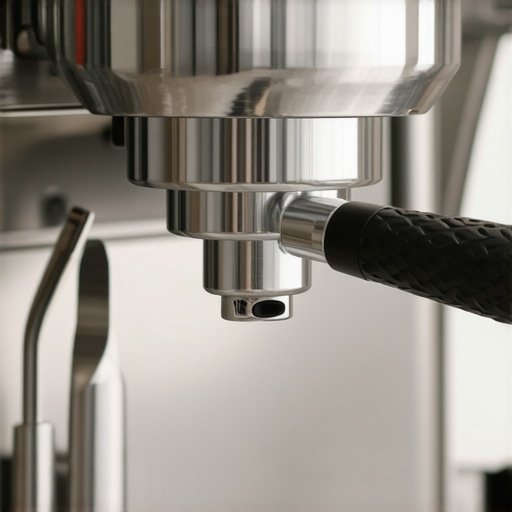
Hold the mirror at a slight angle behind or to the side of your portafilter, so you can see the flow of espresso as it exits the spouts or sides. This setup is similar to how a mechanic uses a mirror to inspect an engine component without disassembling everything. Practice moving the mirror slightly until you find the vantage point that reveals the flow with the clearest view. A stable position minimizes distractions and allows for quick adjustments during the shot.
Observe the Flow During Extraction
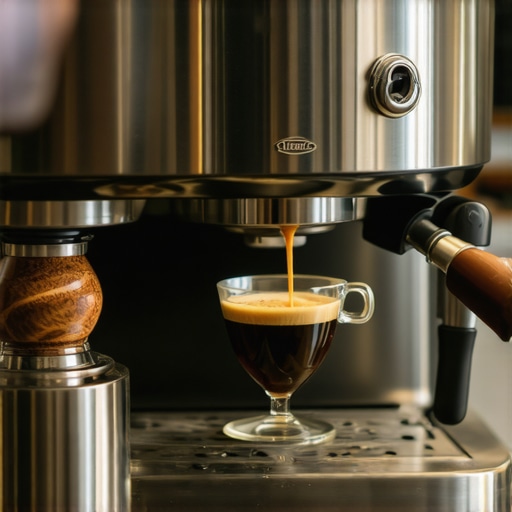
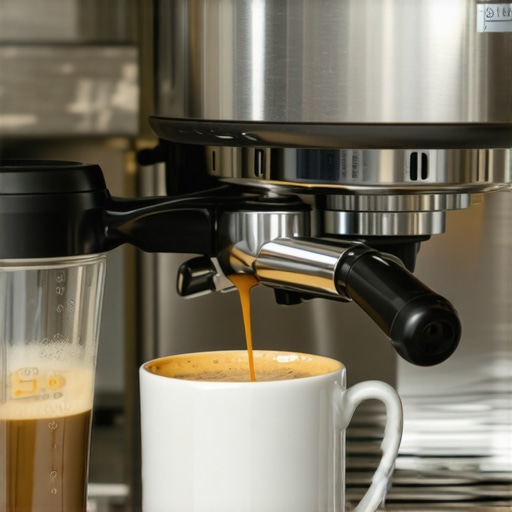
Start your shot as usual, paying close attention to the flow. Focus on the stream of espresso passing through the filter basket. Look for signs of uneven flow—such as spurts, splashes, or streams that diverge from the center. These are classic indicators of channeling. During a recent pull, I noticed that the espresso was jetting out in two separate streams—an unmistakable sign of uneven tamping or grind distribution, which I corrected immediately for subsequent shots.
Identify and Correct Channeling Signs in Real-Time
If you see a turbulent or irregular flow, pause the shot briefly if possible. Adjust your tamping pressure, re-level the coffee bed, or slightly modify your grind size—fine-tuning these variables often minimizes channeling. In my case, I realized I wasn’t tamping evenly, so I applied more consistent pressure and checked with the mirror again. This rapid feedback loop is the key to improving extraction and flavor.
Repeat and Refine Your Technique
Repeat the process consistently. Use the mirror to compare multiple shots, noting how adjustments influence flow patterns. Document your tweaks—perhaps keep a small notebook or mental notes—so you understand what produces the best flow and flavor. Remember, practice makes perfect. As you become more adept at visual detection, your ability to troubleshoot issues on the fly enhances, saving you time and beans.
Link to Additional Resources
If you want to dive deeper into optimizing your espresso setup, check out this gear guide. For cleaning tips to keep your equipment in top shape, visit this article. Mastering these visual cues transforms your home espresso experience from guesswork to precision craftsmanship, just like the pros.
Many coffee enthusiasts assume that choosing high-end barista gear guarantees perfect espresso, but there’s a common misconception that can lead you astray. The truth is, even with the fanciest machines or precision grinders, misunderstandings about equipment can sabotage your brewing efforts. For example, a prevalent myth is that more expensive equals better, yet in my experience, selecting gear based solely on price often neglects the nuances of compatibility and proper maintenance. Investing in a top-tier espresso machine without understanding its specific requirements can result in frequent breakdowns or inconsistent shots. Moreover, beginners frequently overlook calibration and proper grinder tuning, which are crucial for optimal extraction. A study published in the
gricultural and Food ChemistryA0 journal confirms that precision in grinder settings significantly affects flavor profile and extraction efficiency, emphasizing the importance of mastering your equipment’s intricacies.
Why do so many gravitate toward expensive gear without mastering the basics?
One common trap is thinking that gear alone can elevate your coffee, but technique still trumps tools. This misconception can lead to costly investments that don’t yield the expected results. Instead, focus on understanding the fundamentals of espresso extraction—like dose consistency, tamping pressure, and water temperature—because these factors often matter more than the brand of your grinder or machine. A perfect example is a scenario where someone upgrades from a budget machine to a $2000 model but neglects to calibrate the machine or learn proper tamping techniques, which causes frustration and wasted beans. Remember, even the best gear requires proper operation and routine cleaning to perform optimally. Avoid the common mistake of undervaluing maintenance; for instance, neglecting to regularly descale your espresso machine or clean your grinder’s burrs can diminish flavor and shorten equipment lifespan. Practical knowledge combined with consistent care makes all the difference.
What advanced mistakes do even experienced baristas make with home gear?
For seasoned enthusiasts, a frequent oversight is the improper cleaning and maintenance routines that can build up residue and affect performance. Additionally, misjudging the importance of pressure profiling—the process of adjusting pump pressure during extraction—can create nuanced flavor imbalances that are difficult to diagnose without advanced tools. Experts like Wendel Boer have highlighted that small adjustments in pre-infusion time or pressure can have profound effects on shot quality, yet many home users remain unaware of these techniques. Incorporating a proper grinder loading and understanding bean storage nuances can also prevent stale or uneven grind distribution, ensuring a fresh and consistent brew. Being aware of such subtleties elevates your espresso from good to extraordinary, but it requires ongoing learning and attentiveness. To truly master these advanced techniques, consider dedicating time to proper backflushing and internal cleaning routines—key steps that often escape the novice eye but are vital for long-term performance.
So, are you prioritizing technique over gear, or falling into the trap of over-investing without understanding the nuances? Let me know in the comments. Deepening your knowledge about gear and maintenance not only improves your coffee but also saves money and extends the life of your equipment. Remember, perfect espresso is less about the gear and more about how you wield it. Keep questioning assumptions, and you’ll find yourself brewing like a pro in no time.
Tools That Stand the Test of Time
Investing in the right tools is crucial for maintaining your home espresso setup. I personally rely on a high-quality coffee scale that offers precise measurements and consistent readings. Unlike generic scales, mine features a timer and auto-tare, which simplifies dosing and helps prevent over or under-extraction. Additionally, I use a dedicated portafilter cleaning brush to keep the basket free of oils and residues, ensuring longevity and flavor purity. Remember, the durability of your gear depends heavily on routine upkeep and choosing tools designed specifically for espresso brewing.
Implementing Routine Maintenance for Long-Term Results
Creating a maintenance schedule is essential. I recommend cleaning your espresso machine weekly, including descaling every 300 shots or once a month, whichever comes first. For grinders, a thorough burr replacement every 1,000 pounds of coffee or as soon as you notice inconsistent grind size is advisable. To keep everything performing optimally, I utilize a backflushing routine with an approved cleaning solution, which prevents build-up and maintains pressure stability. Regular checks on seals and gaskets prevent small leaks from escalating into costly repairs—warranty claims are usually triggered by overlooked minor leaks or pressure drops, as detailed in this article.
Where Do I Begin With Maintenance?
Start by inspecting your machine weekly for visible signs of wear, cleaning removable parts thoroughly, and checking the water lines for mineral deposits. Keep a log to track cleaning cycles and replacements; this disciplined approach helps anticipate issues before they become major problems. For example, a simple routine of flushing the steam wand after each use not only prolongs its lifespan but also ensures clean, quality frothing every time. Using quality descaling agents recommended by the manufacturer can extend your machine’s life and improve flavor consistency. As technology advances, expect smarter diagnostics and remote maintenance alerts; many newer models now integrate sensors that notify you of necessary service intervals, a trend I believe will become standard within the next five years. To keep your gear functioning flawlessly, I suggest trying out the advanced calibration techniques to fine-tune your setup — this can unlock a new level of consistency in every shot.
How do I maintain my espresso machine and grinder over time?
Maintaining your equipment isn’t just about cleaning; it involves a comprehensive approach including proper storage, timely replacement of worn parts, and routine calibration. For instance, keeping your hopper and beans well-organized prevents moisture buildup that can cause static and stale beans, affecting grind consistency. Regularly inspecting and replacing parts like portafilter gaskets and seals ensures pressure and temperature stability, which directly impacts flavor and extraction. I recommend consulting professional resources or contacting experts through our contact page if you notice persistent leaks or performance drops—early intervention can save significant repair costs. Also, embracing routine maintenance measures like flushing water lines with descaling solutions prevents mineral buildup. Remember, well-maintained equipment extends its lifespan and keeps every espresso shot tasting as good as new. As I look to the future, I predict a surge in smart maintenance tools integrated with IoT technology, allowing remote diagnostics and predictive repairs—something every home barista should keep an eye on. To add an extra layer of care, I challenge you to implement a weekly cleaning ritual with a thorough backflush and scale check; it’s a simple step that yields long-term benefits and elevates your brewing game.
Lessons Only the Best Baristas Know
One of the most eye-opening lessons I’ve learned is that **precision over equipment** truly makes the difference. Early on, I thought investing in top-tier gear would solve all my problems, but I discovered that mastering simple techniques—like consistent tamping pressure or maintaining water temperature—had a far greater impact on taste and consistency. Sometimes, I caught myself focusing on flashy gadgets instead of honing foundational skills, and that was a costly mistake. The pivotal moment came when I realized that **visual cues via a mirror** improved my espresso shots more than any latest espresso machine feature. This insight transformed my approach from relying on expensive gear to understanding the nuances of extraction, a lesson I wish I’d embraced sooner.
Another crucial realization was the **importance of routine maintenance**. It’s tempting to overlook cleaning or calibration, but neglecting these small tasks over time leads to flavor deterioration and equipment failure. Regularly descaling my machine and cleaning grinder burrs isn’t glamorous, but it ensures each shot is as good as the first. If there’s one thing I could stress, it’s that **consistent care** is the silent hero behind every excellent espresso.
Lastly, I learned to **embrace experimentation**. Even minor tweaks—like adjusting grind size or pre-infusion time—can dramatically alter the flavor profile. Using tools like a quality coffee scale helps me precisely dial in, but understanding the effect of each change deepened my appreciation for the process. For anyone serious about excelling at home espresso, realizing that **success hinges on continuous learning and attentive care**, not just the gear, is the game-changer.