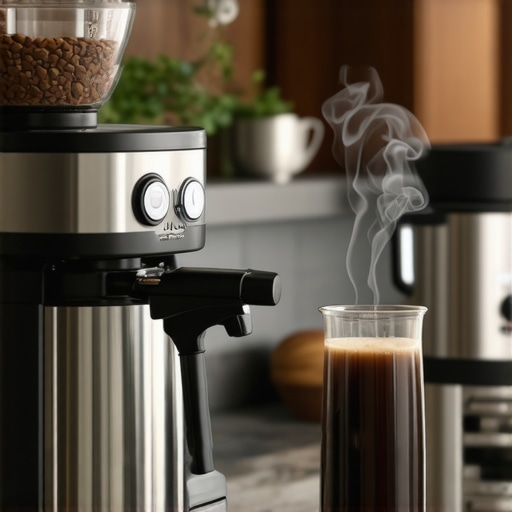
I remember the first time I tried to make my own espresso at home. It was a disaster. The coffee was bitter, weak, and lacked that rich crema I’d tasted at fancy cafés. I felt like I’d been sold a *lie*—home brewing was supposed to be fun, but frankly, it felt more frustrating than rewarding. You know the feeling: too many gadgets, confusing choices, and that sneaking suspicion that I was wasting my money.
Then, one lightbulb moment hit me. I realized I’d been focusing on the wrong stuff—the latest gadgets, the shiny features—without understanding what truly makes great coffee at home. I’d made the mistake early on of simply copying what I saw online without knowing whether those machines and grinders matched my needs. Turns out, getting your setup right isn’t about chasing the fanciest gear, but about understanding your own brewing habits and investing in tools that align with them.
This discovery opened the door to a whole new world of home espresso mastery. If you’ve ever felt overwhelmed or disappointed because your coffee didn’t turn out as expected, I want you to know you’re not alone. After years of trial, error, and lots of research, I’ve found a way to slow down, prioritize, and choose gear that actually improves my coffee game.
Today, I want to share the practical steps I took to build a reliable, satisfying home espresso setup for 2025. No more guesswork. No more wasted cash. Just straightforward advice for fellow coffee lovers who want to enjoy barista-quality brews without leaving the house.
But first, have you ever bought a machine or grinder without knowing if it’s suitable for your skill level or coffee preferences? If yes, don’t worry—you’re far from alone. Many enthusiasts jump into the world of home brewing thinking that better equipment equals better coffee, only to be disappointed. The good news? There’s a way to cut through the noise and make smarter decisions, which I’ll cover next.
Select the Right Machine for Your Skill Level
Start by assessing your experience. If you’re a beginner, opt for user-friendly models like semi-automatic machines that offer control without overwhelming complexity. Once you’ve gained confidence, consider stepping up to more advanced options. I once bought a high-end espresso machine without understanding its features; it sat unused until I chose simpler gear that matched my skill level, leading to better results and more enjoyment.
Invest in the Correct Grinder
A good grinder is the backbone of great espresso. Burr grinders provide consistent grounds, which are essential for a balanced extraction. When I realized my inconsistent grind was causing sour shots, I upgraded to a conical burr grinder, dramatically improving my coffee quality. Use this guide to pick a grinder that suits your needs and budget.
Master the Finely Tuned Art of Grinding
Grinding determines how water interacts with coffee. Too fine, and water struggles to pass through; too coarse, and the shot becomes weak. Think of it like a sieve—adjusting the grind size is akin to tuning a motorcycle carburetor. Start with recommended settings, then tweak based on taste and extraction time. I once failed with stubbornly fine grounds for a long shot, but dialing back a notch gave me the rich, velvety crema I craved.
Perfect Your Dose and Tamping Technique
The amount of coffee (dose) and how you tamp it profoundly affect extraction. Aim for about 18-20 grams of coffee for a double shot, and tamp with consistent pressure—around 30 pounds of force—using a tamper that fits your hand naturally. Think of tamping like pressing flowers: gentle yet firm pressure ensures even extraction. My breakthrough came when I practiced tamping on a scale, learning the right pressure that produced a balanced shot every time.
Dial in Your Brew Time
Extraction should last about 25-30 seconds. Use a stopwatch or timer to monitor your shots. If the brew pulls too quickly, try finer grind or more tamp pressure; if it drags, coarsen the grind. This feedback loop is key. Once, I had a shot that only took 15 seconds—the flavor was thin and bitter. Adjusting grind and tamp brought my espresso back into harmony, filling the cup with aroma and body.
Optimize Milk Frothing Techniques
For creamy microfoam, steam milk at around 150°F, positioning the wand just below the surface to incorporate air. Think of frothing as painting a smooth, glossy surface—it demands patience and finesse. Using a [milk frother](https://espressotechguide.com/best-milk-frothers-barista-gear-for-perfect-home-coffee-2025) can simplify this step. I once ruined a latte by over-aerating, turning the milk into frothy bubbles. Practicing small adjustments achieved silky, textured milk that complemented my espresso perfectly.
Keep Equipment Clean and Consistent
Regular cleaning prevents clogs and maintains flavor clarity. Rinse the portafilter, wipe the steam wand, and descale your machine monthly. Think of it like maintaining a bicycle; neglect leads to poor performance. After adopting a strict cleaning routine, I noticed my shots became more consistent, and the equipment lasted longer. This habit is a simple yet powerful way to keep your barista game sharp.
Experiment and Record Your Results
Maintain a brewing journal to track grind size, tamp pressure, brew time, and tasting notes. This helps identify what works best and accelerates your learning curve. I used a simple notebook, and within weeks, I developed a personalized method that consistently yielded delicious espresso. Remember, small adjustments make a big difference over time—think of it as fine-tuning your musical instrument for perfect harmony.
Many home espresso enthusiasts believe that investing in the latest high-end espresso machines or grinders guarantees perfect coffee every time. However, this misconception often leads to overlooked nuances that can dramatically influence your brewing results. For instance, some assume that a more expensive machine will automatically produce better shots, but in reality, factors like grind consistency and tamping technique are more critical than brand prestige. This myth can trap many into unnecessary spending, when focusing on mastering fundamental skills yields more consistent and enjoyable coffee at home.
Another widespread mistake involves overestimating the importance of advanced features, like temperature stability or pressure profiling, especially for beginners. While these features do have their place, their benefits are marginal without a solid understanding of core practices such as dosing, grind size, and extraction timing. Rushing to upgrade equipment without mastering basic skills often results only in frustration and wasted money.
Is an expensive machine worth it if I haven’t nailed the basics?
Research from experts like Scott Rao emphasizes that precision and technique in brewing outweigh technical specs. This means that a well-maintained, mid-range machine operated skillfully can outperform a costly unit used poorly. So, instead of chasing the latest bells and whistles, many should focus on refining their process, including proper tamping, consistent dosing, and accurate timing. For more insight into selecting gear that truly fits your skill level, check out this comprehensive guide to home espresso setup.
When it comes to grinders, many believe the highest-priced models are the only way to achieve perfect espresso. But the real secret lies in burr grinder quality and consistency. Cheaper blade grinders are often dismissed, yet they can serve well if used correctly and paired with diligent dialing of grind size. A common trap is assuming that a fancy grinder alone will compensate for other technique deficiencies. As with machines, mastering grind size, distribution, and tamping pressure has a greater impact than owning the top-tier gear.
Frothing milk might seem straightforward, but many overlook the finesse required to produce silky microfoam. Rushing into buying the most powerful steam wands or fancy frothers without understanding milk temperature or steaming angle can lead to disappointing results. Practice patience and focus on technique first; advanced equipment won’t save latte art attempts that lack proper microfoam. To get started, consider exploring this guide on milk frothers and frothing techniques which demystifies the process.
Finally, the idea that owning every piece of top-tier equipment guarantees a professional-level brew is a trap many fall into. It’s more beneficial to develop a systematic approach, focusing on consistency rather than accumulating gear. Regular cleaning routines, precise measurements, and documenting your results lead to better understanding and improvements over time. Remember, even seasoned baristas emphasize that perfect espresso is less about gear and more about technique and attention to detail.
Have you ever fallen into this trap? Let me know in the comments. Mastering the nuances of home brewing isn’t about having the most expensive gear—it’s about understanding and applying the basics with passion and precision.
Keep Your Gear in Top Shape for Consistent Results
To maintain your espresso machine and grinder’s performance, establishing a regular cleaning routine is crucial. I personally schedule weekly deep cleans, which involve backflushing my machine with a cleaning agent like Cafiza and thoroughly descaling every three months using a descaling solution recommended by the manufacturer. This routine prevents mineral buildup and ensures the machine’s components function smoothly, preserving the quality of your espresso over time.
Invest in the Right Tools to Simplify Maintenance
Having dedicated cleaning brushes, such as a narrow brush for group heads and a brush for grinder grinds, makes upkeep easier. I also use a precision scale to monitor dose consistency; it’s surprising how small variations can impact extraction. Additionally, a milk pitcher with measurement markings helps control steaming consistency. Using quality tools streamlines maintenance and encourages regular care, which ultimately leads to long-term reliability and flavor stability.
Choosing the Best Software and Accessories
While hardware is vital, software and accessories can enhance your process. Digital timers and smartphone apps like the BrewTimer help track shot times accurately, reducing human error. For example, integrating a timer app with your workflow ensures each shot is pulled within the optimal 25-30 seconds, maintaining consistency. Such tools align with the trend toward automation and data-driven brewing, which is poised to become even more prevalent as smart home integrations improve.
How do I maintain my equipment over time?
Adopting a disciplined maintenance schedule is key. Always follow the manufacturer’s guidelines for descaling and cleaning to avoid damage. Regularly replace worn-out parts like seals and shower screens—these small investments prevent bigger repairs down the line. I recommend referencing expert resources such as the Ultimate Guide to Home Espresso Equipment to learn about specific maintenance intervals for different gear. Moreover, keep detailed records of your cleaning and repairs to track performance trends and identify when parts may need upgrading. A proactive approach helps keep your setup running smoothly and produces consistently excellent coffee.
Thinking about scaling up your setup?
When expanding, consider modular accessories like water filtration systems or PID controllers, which can fine-tune temperature stability. Tools such as a secondary PID can be integrated into your existing machine for precise temperature management, leading to better extraction control. These upgrades, supported by ongoing maintenance, position you for exceptional brewing results long-term.
Don’t forget, regular maintenance isn’t just about preserving gear—it’s about safeguarding your coffee experience. Every time I stick to my cleaning routine, I notice improved shot quality and fewer repairs, saving money and time in the long run. As experts emphasize, consistent upkeep transforms a good machine into a lasting investment. I encourage you to try implementing a comprehensive cleaning and care regimen today to enjoy the finest espresso at home for years to come.
Three Lessons That Changed My Approach to Home Espresso
First, I learned that consistency outweighs equipment over fancy features—regular cleaning routines and precise measurement truly matter. Second, understanding my taste preferences helped me choose the right grind and brew techniques, rather than blindly chasing the latest gear. Lastly, embracing patience during the process transformed frustrating attempts into satisfying rituals; sometimes, slowing down creates better results than rushing for perfection.
My Favorite Resources for Perfecting Home Espresso
I’m a big fan of the Ultimate Guide to Coffee Grinders and Milk Frothers. It provides in-depth, unbiased advice that helped me select tools matching my skill level. The Top Home Espresso Machines and Gear list is instrumental for comparing options without falling for misconceptions about high-end features. And the Home Barista Setup Guide taught me how small tweaks can greatly elevate quality.
Believe in Your Potential to Master Home Espresso
Remember, you don’t need the most expensive gear to create exceptional coffee at home. Your dedication, patience, and attention to detail are your most powerful tools. With consistent effort, you’ll find yourself pulling shots that rival your favorite cafés. So why not start today? Every step, no matter how small, brings you closer to coffee mastery. Share your experiences below—what’s been your biggest breakthrough in home brewing?
![Why 2026 AI Pressure Profiling Fails on Light Roasts [Fix]](https://espressotechguide.com/wp-content/uploads/2026/04/Why-2026-AI-Pressure-Profiling-Fails-on-Light-Roasts-Fix.jpeg)
Leave a Reply