![3 Coffee Grinder Tweaks to Stop Messy Static in 2026 [Tested]](https://espressotechguide.com/wp-content/uploads/2026/01/3-Coffee-Grinder-Tweaks-to-Stop-Messy-Static-in-2026-Tested.jpeg)
Ever had the dreaded static shock when grinding your coffee beans? It’s that moment when your freshly ground coffee takes flight, scattering across your countertop, turning your perfect brew into a messy battle. I used to think static was just a minor annoyance—until it became a daily ritual of cleaning up and frustration. One morning, as I watched a cloud of coffee dust float lazily into the air, I had a lightbulb moment: static isn’t just a trivial inconvenience; it can significantly affect your brewing experience.
So, why does static even happen, and more importantly, what can we do about it? Today, I’m sharing my personal tweaks that finally put an end to my static woes. These are tried-and-true methods, tested in the real world of home baristas like you and me, and I promise—they work.
Why Static in Your Coffee Grinder Matters
Static electricity builds up when you grind coffee beans, especially with certain grinders and environments. It causes grounds to cling to the burrs and walls of your grinder, making cleanup a nightmare. More than just mess, static can lead to uneven grind sizes, which directly impacts the extraction and taste of your coffee. If you’re tired of chasing grains around your kitchen and want a cleaner, more consistent grind, understanding the causes is key.
Early on, I made a mistake by ignoring the environmental factors—like humidity and surface materials—that contribute to static. Recognizing this was a game-changer. I dove into the science a bit and discovered that static isn’t just caused by your grinder but also by factors like the type of beans and even the style of your grinder. For an in-depth look into how your grinder’s performance influences your espresso, check out this comprehensive guide on why your grinder matters more than the machine.
But today, I want to focus on practical fixes you can implement right now to reclaim your countertop from flying coffee grounds. Shall we?
Improve Grounding Environment
Control Humidity and Surface Material
My first step was to make my kitchen more static-friendly. I increased humidity by placing a bowl of water nearby and switched to a matte, non-static-fueling surface on my countertop. These tweaks significantly reduced static buildup during grinding, making cleanup easier.
Select the Right Grinder Equipment
Opt for Flat Burr Grinders
I replaced my conical burr grinder with a flat burr model, known for producing less static due to their design. When I switched, I noticed grounds were less clingy, and it was easier to transfer the coffee into my portafilter. For quality options, review this top coffee grinders for home espresso.
Apply a Dry Brush Before Grinding
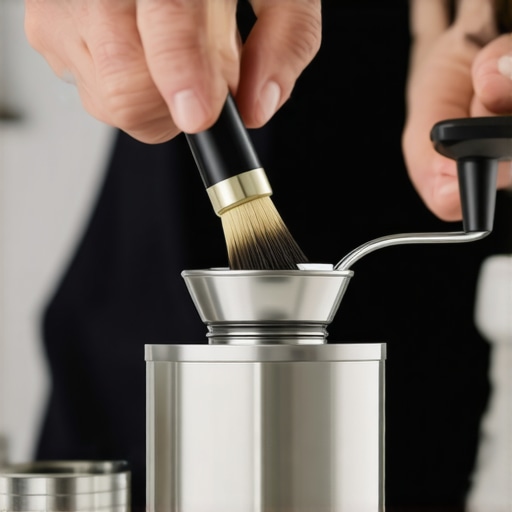
Before each grind session, I brushed the insides of my grinder with a dry, anti-static brush, removing any residual grounds and reducing static buildup during use. This simple step provided noticeable improvement.
Handle Coffee Beans with Care
Minimize Bean Friction and Static
Experiencing static often, I noticed that pouring beans briskly from their bag increased static. To counter this, I transferred beans gently into a non-conductive container and avoided shaking or rough handling. Also, keeping beans at room temperature prevents excessive static charge formation. For detailed bean handling tips, check out this guide on beans and static.
Incorporate Anti-Static Tools
Use a Bellows or Static Neutralizer
I introduced a small bellows, as recommended in this hack for static reduction. Blowing air into the grinder’s chamber after grinding discharges static buildup, resulting in cleaner grounds and less mess.
Apply Static Dissipating Sprays Carefully
Lastly, I experimented with static-dissipating sprays on my grinder exterior, ensuring they were food-safe. When used sparingly, these sprays lowered static charges, making grounds less clingy and cleanup smoother.
Consistency in Practice Turns Static into Nothing
Applying these steps systematically transformed my grinding routine. Static became a non-issue, and I could transfer grounds effortlessly, enhancing both cleanliness and coffee quality. Remember, small tweaks—like controlling environment, choosing the right grinder, and handling beans gently—collectively make a significant difference in your home coffee setup.
 When it comes to crafting espresso-rich coffees at home, many enthusiasts fall into the trap of focusing solely on high-end machines or fancy accessories. But here’s the uncomfortable truth: most people misunderstand the true role and limitations of their equipment. For instance, there’s a widespread myth that upgrading to the latest espresso machine automatically guarantees perfect shots. In reality, a study by the Specialty Coffee Association highlights that **leave-your-espresso-machine-on-standby** habits and grinder quality have a far greater impact on flavor consistency than brand prestige alone.
Many home baristas invest heavily in shiny machines without realizing that minor frictions like using a low-quality grinder or neglecting proper tamping techniques often sabotage their efforts. It’s akin to buying a sports car but neglecting regular oil changes—a costly mistake that hampers performance.
Similarly, the overemphasis on milk frothers can be misleading. People think a fancy machine will produce microfoam effortlessly, but the secret lies in mastering steaming technique and milk selection, rather than the equipment’s price tag. For expert tips on achieving silky microfoam, check out this comprehensive guide for milk frothers.
Why Most Home Baristas Overlook Grinder Performance and Its Impact
One of the most underestimated aspects is the grinder’s role in overall coffee quality. People often think that a decent grinder is enough, but subtle nuances like burr geometry, RPM, and grind consistency dramatically influence extraction and crema quality. According to barista experts, a dull burr set or high-RPM grinders can produce uneven grounds, leading to over-extraction or under-extraction, which manifests as sour or bitter flavors. For instance, owners of budget grinders often complain about inconsistent shots, yet overlook these critical details. You can explore more on how your grinder influences taste in this deep dive into grinder performance.
Now, what about espresso machines? Many think more expensive models trump all. While they do offer advanced features, even a top-tier espresso machine cannot compensate for poor tamping or subpar beans. A study published in the Journal of Coffee Research underscores that proper tamping pressure and uniformity are integral—regardless of machine quality. So, focusing solely on hardware without honing your barista skills is a recipe for frustration.
Finally, when considering barista gear, remember that accessories like tampers, knock boxes, and scales are just as critical as the machine itself. Upgrading these peripherals can often yield noticeable improvements in shot consistency. For insights into essential barista gear, visit this gear recommendation article.
In essence, mastering home espresso isn’t just about buying the latest gadgets; it’s about understanding the interconnected nuances of your entire setup. Are you falling into these common traps? Share your experiences and let me know in the comments. Remember, the devil is in the details when it comes to brewing perfection.
To keep your home espresso setup performing at its best over time, investing in the right tools for maintenance and understanding their longevity is crucial. One of the most overlooked aspects is the care of your coffee grinder, which can significantly impact the consistency of your grinds and overall coffee quality. A high-quality burr grinder, like the Baratza Virtuoso+ or the Mazzer Mini, not only enhances grind precision but also offers easier maintenance features such as removable burrs and simple calibration. Regularly cleaning your grinder with soft brushes, like the Eukein Anti-Static Brush, helps prevent grounds buildup and static issues, ensuring smooth operation and extending the lifespan of your equipment.
Another essential tool is a precision scale, such as the Acaia Pearl, which allows for consistent tamping pressure and dose measurement. Accurate dosing reduces wear on internal components and guarantees repeatable results, saving you expensive repairs or replacements in the future. For espresso machines, routine descaling using manufacturer-approved descalers maintains internal components, preventing mineral buildup that could hamper performance. Set a maintenance schedule based on water hardness—monthly descaling is often recommended for hard water areas.
Using a quality maintenance kit, including gasket and shower screen replacements, is a smart way to keep your machine running smoothly. As machines age, these parts can degrade, leading to uneven extraction or water leaks. Regular inspections (every 6-12 months) help identify wear early. Additionally, safe storage practices—such as covering your grinder and machine when not in use—protect against dust and humidity, which accelerate deterioration.
Forecasting long-term results, the trend indicates a move towards smarter, connected equipment. Manufacturers are increasingly integrating IoT features, allowing remote diagnostics, maintenance alerts, and software updates that optimize performance. Embracing these advancements early can reduce downtime and improve consistency over years.
How Do I Maintain My Equipment for Peak Performance?
Consistent maintenance means scheduling regular cleaning and calibration, replacing worn parts proactively, and staying informed about technological updates. For example, periodically checking burr sharpness and replacing dull burrs — which you can learn more about in this indispensable guide — keeps grinds uniform and prevents strain on your motor. Establishing a routine not only extends equipment lifespan but also ensures each shot is as good as the first. I strongly recommend incorporating a high-quality scale for tamping consistency and a dedicated cleaning brush for grinders to simplify routine upkeep.
Finally, don’t forget about software updates. Many modern machines can benefit from firmware upgrades that improve stability and performance. Regularly checking the manufacturer’s website ensures your setup stays current, preventing issues before they arise.
If you’re serious about long-term excellence, try adding a few advanced tools into your routine—like a precise scale and an anti-static brush—and commit to a maintenance schedule. This small investment pays off in better shots, reduced repairs, and a more enjoyable coffee experience day after day. For detailed guidance on selecting maintenance tools, check out this top recommendation list.
After years of experimenting with my home espresso setup, I discovered that the real breakthroughs often come from the small, overlooked details rather than big equipment upgrades. For example, I finally realized that maintaining consistent tamping pressure—using a high-quality tamper and a calibrated scale—made my shots noticeably better, regardless of my machine’s price. This insight transformed my approach, emphasizing skill and care over solely chasing the latest gear.
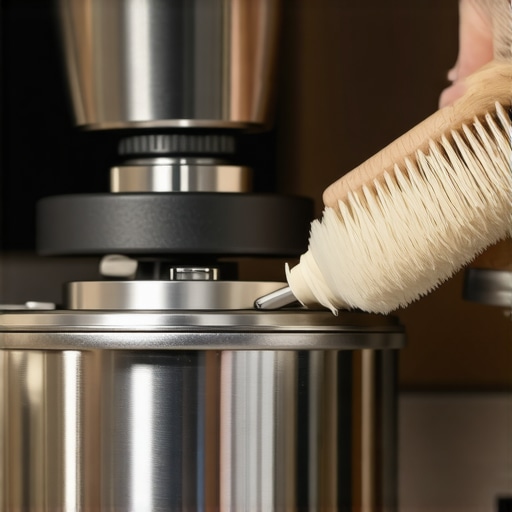
Another thing I learned was the importance of daily grinder maintenance. Simply brushing burrs with an anti-static brush and checking for dullness extended the life of my grinder and kept my grounds consistent. It’s these tiny rituals that prevent static buildup and uneven particle sizes, ultimately leading to richer crema and more balanced extraction.
And here’s a personal lightbulb moment: controlling ambient environmental factors like humidity and surface materials can significantly reduce static issues. Placing a bowl of water nearby and switching to matte, non-static surface materials helped me keep grounds contained and my cleanup effortless. Sometimes, the environment around your equipment influences results more than you expect.
These lessons weren’t learned from a textbook but through hands-on experience and patience. The process reminded me that mastery in home coffee brewing isn’t about having the most expensive gear—it’s about understanding and caring for what you already have. Every tweak and adjustment builds towards a more consistent and enjoyable coffee experience that feels truly personalized.
My Secret Arsenal for a Better Espresso Experience
Among the tools I now rely on are the Acaia Pearl scale for precise dosing and tamping, which ensures every shot has the same foundation. Regularly cleaning my grinder with the Eukein Anti-Static Brush keeps static at bay and grounds flowing smoothly. When I want to improve milk microfoam, I turn to the best milk frothers for home use—a small investment with a huge payoff.
Understanding the nuances of equipment maintenance, like descaling my espresso machine and replacing worn parts, has helped me sustain top performance over time. Routine checks and smart storage undoubtably cut down on costly repairs and keep my setup running smoothly for years. These practical steps matter just as much as the initial investment.
You Hold the Power to Perfect Your Brew
Embracing these insights transformed my home coffee routine from a daily frustration to a source of pride. Remember, the journey to exceptional coffee is paved with curiosity, patience, and attention to detail—not just high-end gear. Keep experimenting, stay mindful of the small factors, and soon you’ll find your perfect cup within reach. The more you learn about your equipment and environment, the more joy you’ll find in each shot.
What’s one small change you’ve been meaning to try but haven’t yet? Share your plans below—I’d love to hear what’s next on your home coffee journey!
![Why 2026 AI Pressure Profiling Fails on Light Roasts [Fix]](https://espressotechguide.com/wp-content/uploads/2026/04/Why-2026-AI-Pressure-Profiling-Fails-on-Light-Roasts-Fix.jpeg)
Leave a Reply