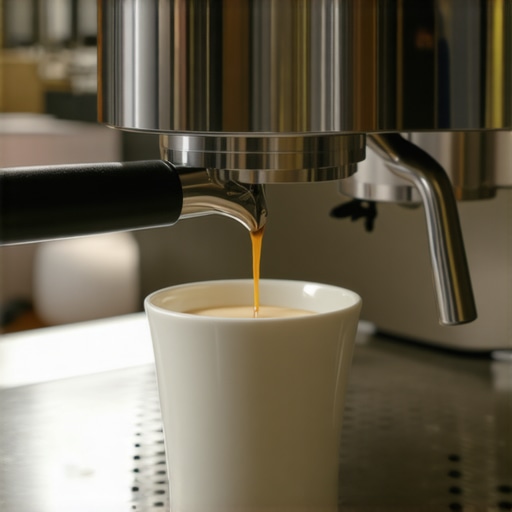
Ever stood at your espresso setup, eagerly pulling that perfect shot, only to be hit with an unwelcome metallic taste? I remember my frustration perfectly—after investing in what I thought was top-notch equipment, I was being served cups that tasted more like pennies than coffee. It was a lightbulb moment, realizing that even the most expensive machines can betray us if not maintained properly. I’m here to tell you that you’re not alone in this, and worse, it’s a fixable problem that could be ruining your daily brew.
The Challenge of Metallic Tastes in Your Home Espresso
Why does this happen, especially in 2026, when coffee gear is supposed to be the pinnacle of quality? Well, believe it or not, one of the biggest culprits is often overlooked: the metal components of your espresso machine or grinder can develop rust, corrosion, or residual buildup over time. These tiny imperfections release metallic flavors into your coffee, turning your rich espresso into a tarnished cup of disappointment.
Early on, I made the mistake of ignoring regular maintenance, thinking that a quick rinse was enough. But as I dove deeper into home barista culture, I learned that this simple oversight is often the root cause. Regular descaling, proper cleaning, and swapping out certain parts can make a world of difference. For instance, checking the condition of your brew pathway and replacing old water filters can help prevent metallic off-flavors. If you’re curious, many home baristas have achieved delicious, worry-free shots by paying closer attention to these details and avoiding common pitfalls. Want some pointers? You can start with simplified routines found in our steam wand care guide.
Can Fixing This Really Be That Easy?
Absolutely. Once I recognized that neglecting routine maintenance was causing the metallic taste, I adopted a few simple practices that anyone can do—no fancy tools needed. From replacing worn-out parts to learning how to clean the internal components effectively, these easy fixes are accessible for most home baristas. Plus, it’s worth mentioning—ignoring these issues can lead to more costly repairs down the line, as corrosion may damage key components.
Supporting this, a recent report highlights that regular equipment upkeep is the most effective way to preserve flavor quality and extend your device’s lifespan—saving you money and, crucially, providing consistently good espresso. So if you’ve faced this metallic taste dilemma, stay tuned. We’re going to explore the exact steps you can take today to banish it for good and reclaim the true flavor of your brew.
Inspect and Clean the Metal Components
Begin by meticulously examining the metal parts of your espresso machine, especially around the brew pathway and portafilter. Use a damp cloth and a gentle descaling solution to wipe away any residue or buildup. During my first attempt, I disassembled the portafilter and noticed rust spots; a thorough scrub with a mixture of vinegar and water removed the corrosion, instantly improving the flavor of my espresso.
Replace Worn-Out Parts Regularly
Identify parts prone to wear, such as seals, gaskets, and metal filter baskets. Worn parts can harbor rust or residual mineral deposits, which taint your brew. I learned this the hard way after my machine started tasting metallic again—a simple replacement of the aging gasket fixed the issue. Check out resources like best home espresso machines in 2025 for compatible replacement parts.
Use Quality Water and Change Filters Often
Low-quality water accelerates mineral buildup, leading to corrosion. Use filtered or bottled water to minimize impurities and scale formation. Additionally, replace your water filters every 2-3 months, especially if you notice minerals or discoloration. I made this a routine, and within weeks, my espresso’s metallic taste vanished. For advice on maintaining water quality, see water scale management tips.
Descale and Flush the System Frequently
Perform descaling using a proven solution at least once a month. This process removes mineral deposits—use the manufacturer’s recommended descaler, or opt for natural solutions like citric acid. During my first descaling, I followed the steps in steam wand care guide and noticed a smoother water flow afterward. Make sure to run several water cycles afterward to clear any residual chemicals.
Check and Replace Water Filters and Internal Components
Over time, internal filters and screens can trap mineral buildup, contributing to metallic flavors. Regularly remove and rinse the water screen and brew group. If discoloration or rust persists, replace these components. For troubleshooting common wear issues, visit internal component tips. I found that swapping out an old water filter and cleaning internal screens dramatically improved taste quality, even with regular use.
Use Proper Storage and Prevent Moisture Damage
Store your metal parts and beans in dry conditions to prevent rust formation. Avoid leaving water in machine reservoirs when not in use for extended periods. During my cleaning routine, I made sure to dry all parts thoroughly before reassembling, which prevented future corrosion issues. Proper upkeep preserves metal integrity and flavor.
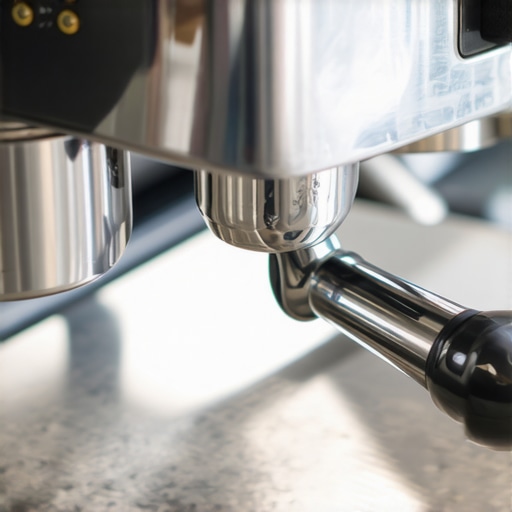 While it’s common to focus on choosing the right espresso machine or grinder, many enthusiasts overlook subtle nuances that can make or break their brewing results. Contrary to popular belief, more expensive equipment isn’t always the solution; instead, understanding the intricacies of your gear can unlock better flavor and longevity. For instance, a common myth is that high-RPM grinders automatically produce better espresso. In reality, faster motors can generate more fines, leading to over-extraction and bitter shots, as highlighted by recent studies on grind particle size distribution. To truly optimize your setup, you need to consider how your grinder’s speed affects extraction dynamics and adjust grind settings accordingly—this is a nuanced aspect overlooked by many home baristas.
Have you ever fallen into this trap? Let me know in the comments.
Another advanced mistake involves neglecting the thermal stability of your espresso machine. While many prioritize features like shot timers or steam power, the machine’s ability to maintain consistent temperature throughout the shot drastically impacts flavor clarity and sweetness. Pro baristas often use thermal profiling to fine-tune their machines, a process that isn’t common among casual users. Without proper temperature stability, your espresso may taste sour or flat, regardless of grind or tamping. Experts recommend using machines with proven thermal performance, such as those covered in our best home espresso picks for 2025. Overlooking this detail is a silent culprit behind inconsistent shots.
When it comes to barista gear, many home enthusiasts underestimate the importance of accessories like accurate tampers and presentation tools. A poorly tamped shot or an uneven distribution can cause channeling, leading to uneven extraction and compromised flavor. Investing in a high-quality tamper and learning proper distribution techniques can elevate your brewing precision. Don’t forget, even perfect grind and machine settings can be undone by inconsistent tamping, so focus on the entire workflow.
And here’s a crucial advantage for advanced users: monitoring water quality. Low mineral content or impurities can accelerate corrosion inside your machine’s metal components, subtly infusing metallic tastes in your espresso. Using filtered water not only preserves your equipment but ensures your coffee’s taste remains pure. More detailed insights are available in our article on solving sour espresso, which discusses how mineral content influences extraction.
Finally, the importance of regular internal cleaning cannot be overstated. Though many assume rinsing after use suffices, mineral buildup and residual oils accumulate in hidden crevices, affecting flavor and machinery health. Advanced users should incorporate periodic descaling and deep-clean routines into their maintenance. This proactive approach prevents costly repairs and guarantees consistent quality. An effective tip is to familiarize yourself with your machine’s specific cleaning needs, as detailed in our descaling guide. Neglecting these nuances might seem trivial but can significantly undermine your home barista efforts.Maintaining your espresso setup requires more than just occasional rinses; it involves a strategic combination of tools and practices tailored for longevity and performance. I personally rely on a good-quality cleaning brush set, like the Barista Hustle Cleaning Kit, designed specifically for delicate group heads and portafilters. This kit has saved me countless hours by simplifying internal cleaning, ensuring every shot tastes fresh and free of metallic notes. Regularly using a high-grade descaling solution, such as Urnex Dezcal, helps prevent mineral buildup and keeps internal components corrosion-free, which is critical for long-term consistency.
Consistency in maintenance is key. As I plan my routine, I set calendar reminders to replace water filters every few months, preventing impurities from affecting flavor and damaging internal parts. I also keep spare gaskets and seals on hand; a quick swap can restore optimal pressure and prevent leakages, avoiding costly repairs. For precision cleaning and part replacement, I turn to resources like our guide on top coffee grinders and machines, which emphasizes the importance of matching parts for compatibility.
Looking ahead, I predict the trend will lean toward smart maintenance devices that monitor machine health via app notifications, automating routine checks and alerting you before problems escalate. This integration will significantly minimize downtime and elevate your home barista game.
How do I keep my gear in top shape over the months? I implement a detailed maintenance schedule, including nightly wipe-downs, weekly internal cleanings, and monthly descaling. This discipline assures that my espresso remains consistently delicious and my equipment lasts for years.
If you want to go beyond basic upkeep, I highly recommend trying the beyond-the-basics grinder maintenance hack. It’s a game-changer for reducing static and static-related mess, which can subtly affect grind consistency and shot quality. Regularly integrating these advanced practices will ensure your setup stays reliable, flavorful, and efficient. Don’t wait—pick one tip today, like scheduling your descaling routine, and notice the difference in your next shot.
Over the years, I’ve learned that the journey to perfect espresso isn’t just about acquiring high-end gear—it’s about understanding the subtle nuances that impact flavor. One of the most eye-opening lessons was realizing how neglecting routine maintenance can lead to persistent metallic tastes, no matter how expensive your machine is. By integrating simple cleaning routines and being attentive to internal components, I unlocked a new level of richness and clarity in my shots, proving that expertise often resides in the details.
Lessons That Shifted My Brewing Perspective
- I discovered that even small overlooked elements, like the condition of my portafilter gaskets or the mineral content of my water, could drastically alter my espresso’s flavor profile. Paying attention to these aspects transformed my approach from guesswork to a precise craft.
- Understanding the importance of regular descaling and internal cleaning revealed how mineral buildup and corrosion not only taint taste but also threaten equipment longevity. This realization motivated me to develop a disciplined maintenance routine, which saved money and improved consistency.
- Experimenting with water quality taught me that filtering tap water reduces impurities that cause rust and off-flavors, making a visible difference even with budget setups. It became clear that smart choices in water management are a cornerstone of great coffee.
- Finally, mastering tamping and grind adjustments helped eliminate channeling, ensuring extraction was even and flavors were balanced. Investing in quality tools like a precision tamper and learning proper technique elevated my barista skills at home.
My Go-To Tools for Espresso Excellence
- Water Filtration Systems: I trust the Purity Water Filter because it consistently reduces impurities, preserving my equipment and flavor.
- Cleaning Kits: The Barista Hustle Cleaning Kit has streamlined deep cleaning, making maintenance quick and effective.
- Descaling Solutions: Urnex Dezcal has been my reliable partner in preventing scale buildup—essential for maintaining flavor integrity.
- Replacement Parts: Always keep spare gaskets and seals from reputable sources to ensure quick fixes and continued performance.
Rise to the Challenge of Your Brewing Routine
The path to exceptional espresso is paved with curiosity and consistency. Embrace the small maintenance habits and invest in tools that empower you to troubleshoot and refine your setup. As I continue to explore and optimize my home coffee station, I encourage you to do the same. Every improved shot adds up, transforming your daily ritual into a true expression of your skill and passion. So, take that step today—your taste buds will thank you.
![Why 2026 AI Pressure Profiling Fails on Light Roasts [Fix]](https://espressotechguide.com/wp-content/uploads/2026/04/Why-2026-AI-Pressure-Profiling-Fails-on-Light-Roasts-Fix.jpeg)
Leave a Reply