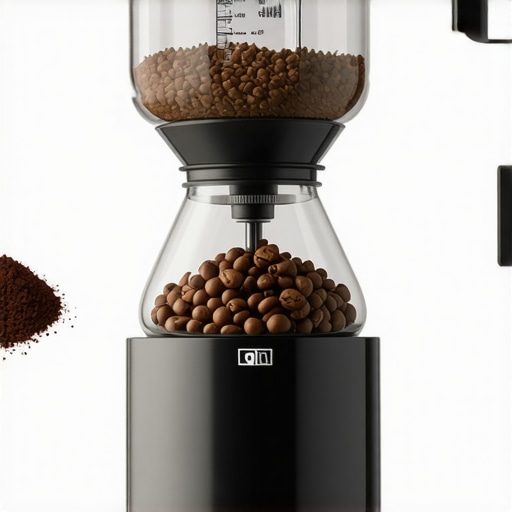
Have you ever pulled an espresso shot that sputtered, sprayed, or just tasted off—despite following all the supposed best practices? I remember the first time I experienced this frustrating unpredictability. My machine would produce inconsistent flow rates, and my latte art suffered as microfoam turned into a tiny mess. It was a lightbulb moment that something fundamental had changed, and I was missing it.
The Real Change in 2026 Baskets and Grinding
In 2026, the advent of laser-cut baskets has revolutionized how shot extraction behaves. They’re designed with precision, offering better uniformity and flow control. But here’s the kicker—these baskets now require a **coarser grind** than what many home baristas have been using for years. Why? Because the detailed engineering of laser-cut baskets alters the pressure dynamics during extraction. Using a grind that’s too fine causes excessive pressure buildup, leading to channeling, over-extraction, and that dreaded spray of coffee grounds everywhere.
Early on, I made the mistake of sticking with my regular Fine Grind, thinking I was doing everything right. But I soon noticed my shots were more bitter, and the machine was pulsing or waning—signs of over-pressure. That’s when I stumbled upon some expert advice about adjusting grind size for these new baskets, which I’d discuss in more detail later. Interestingly, studies show that proper grind adjustment for basket type can significantly enhance flavor clarity and consistency (source: see here).
Have you faced similar issues with your shots?
Understanding why your grinder’s settings need to change is the first step toward espresso mastery in 2026. Let’s explore this in detail—and, more importantly, how to get it right so you can enjoy that perfect shot every time.
Calibrate Your Grinder with Precision
Start by checking your grinder’s burrs, which are the heart of grind size control. If you’re unsure whether they are dull, consult this burr wear guide. A dull burr set can produce inconsistent particle sizes, undermining your shot quality. To calibrate, remove the hopper and visually inspect the burr alignment, then perform a season your burrs if they’ve just been cleaned. Once set, grind a small amount of beans, then examine the grind consistency to ensure uniformity—failing to do this is like sailing a boat without a compass, doomed to drift off course.
Adjust Your Grind to Match the 2026 Baskets
Replace your old basket with a laser-cut 2026 high-flow basket for better pressure dynamics. Before pulling a shot, dial your grinder to a coarser setting—roughly 10-15% coarser than your previous fine grind. Remember, microparticle size is akin to flour texture; finer flour bakes faster and more intensely, but too fine causes blockages—picture trying to run oatmeal through a cheese grater. During your initial test, watch for signs like slow flow or channeling, which indicate over-coarseness. Use a specialized basket test to see if your extraction rate improves, delivering a cleaner, brighter crema.
Fine-Tune for Consistent Extraction
After your first shot, measure the extraction time; ideally, it should fall between 25-30 seconds for a standard double. If it’s faster, your grind is too coarse—adjust to finer, then re-test. If slower, coarsen slightly. This is about dialing in your parameters like tuning a guitar; small adjustments lead to harmony. When dialing in, keep notes on your settings to avoid drift—or this, check your grinder’s drift prevention tips. Consistency is key; a feather-light push on the grinder lever can make all the difference, helping you lock in a specific grind size, much like setting a thermostat.Many home baristas fall into the trap of oversimplifying their gear choices, believing that a high-end machine or grinder automatically guarantees impeccable espresso. While top-tier equipment undeniably helps, one of the most overlooked nuances is the myth that maintaining a single perfect setting for all coffees and extraction styles is sufficient. In reality, nuanced adjustments—like changing grind size or pressure settings based on bean origin, roast level, or even ambient humidity—are essential for consistently great shots. Overlooking these factors leads to disappointment and a sense that gear alone isn’t enough, when in fact, it’s the skilled calibration that matters most. Beware of the
Invest in Precision Tools to Keep Your Espresso Gear Running Smoothly
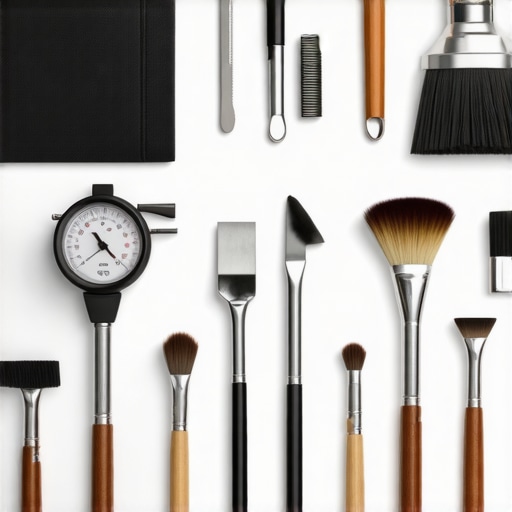
Maintaining your espresso setup over the years requires more than just regular cleaning; it demands precision tools that help fine-tune and troubleshoot your equipment. I personally swear by a high-quality digital caliper for measuring tamping consistency and portafilter gaskets, ensuring every shot starts with a perfect seal. A micrometer helps verify burr alignment in your grinder, preventing uneven grind sizes that lead to inconsistent shots. These tools have become indispensable in my routine, especially when diagnosing issues like uneven extraction or slow grind progress.
Regularly calibrating your equipment with these precise instruments minimizes wear and tear, saving money and frustration down the line. For example, using a burr wear gauge helps determine when your grinder’s performance is declining, prompting timely replacement before it affects shot quality. This level of detailed maintenance aligns with trends toward more tech-savvy home baristas who want predictable results.
Keep Your Machines in Top Shape with Routine Checks
Beyond tools, establish a maintenance schedule that includes descaling, gasket replacement, and cleaning of flow pathways. For instance, a quick check of your machine’s pump function can prevent premature failure and inconsistent pressure during extraction. Today’s advanced machines often incorporate sensors that provide diagnostic information, but manual checks ensure nothing is overlooked.
To further improve performance, consider investing in a maintenance kit tailored for your model. These kits often include brushes, lubricants, and spare parts that extend the lifespan of your machine and save you from costly repairs. Maintaining your gear isn’t just about avoiding breakdowns; it’s about continuously optimizing for the best flavor and consistency.
Scaling Up for Long-Term Satisfaction
As you refine your approach, scaling your setup involves thoughtful upgrades—like adding a dedicated hot water tap or a PID control system for temperature stability. These investments can unlock new levels of precision, making your daily espresso routine even more satisfying. I recommend starting with a dual boiler setup to ensure consistent temperature control and reliability, especially if you’re an avid home barista.
In the future, integration with smart home systems could offer real-time diagnostics and automated maintenance reminders, further simplifying upkeep. Embracing these innovations will ensure your espresso experience remains top-tier, no matter how much your setup evolves.
How do I maintain my espresso tools to last for years?
Start by regularly cleaning, calibrating with precise instruments like calipers and gauges, and replacing worn parts before they cause issues. Implement a routine schedule that includes checking the burrs, gaskets, and flow pathways; this proactive approach can prevent many common problems. For example, consistent burr maintenance with proper seasoning and calibration ensures your grinder delivers a uniform grind, which is fundamental for excellent espresso. Make this a habit, and you’ll enjoy reliable shots for years to come.
The Hardest Lesson I Learned About Espresso Gear
One of the most profound realizations I had was that even the finest equipment can’t compensate for proper technique and calibration. I used to believe that upgrading my espresso machine or grinder would instantly improve my shots. However, I discovered that consistent results depend on understanding the nuanced adjustments—like matching grind size to my new laser-cut baskets or fine-tuning pressure settings for optimal extraction. This lesson taught me that mastery comes from continuous learning and meticulous tweaking, not just gear upgrades.
Tools That Elevate My Home Espresso Routine
Investing in precise calibration tools has truly transformed my approach. A high-quality burr wear gauge helps me know exactly when to replace grinder parts, ensuring consistent particle size. A micrometer allows me to verify burr alignment after cleaning, preventing uneven extraction. These tools turn routine maintenance into a science, giving me confidence that each shot is dialed in perfectly.
Embrace Your Espresso Journey: A Call to Action
Remember, the pursuit of espresso perfection is a personal journey filled with small, deliberate adjustments. As you incorporate the latest insights about grind size and calibration for 2026, don’t hesitate to experiment and learn from each shot. Your dedication will turn brewing into a rewarding craft that elevates your daily routine. Now, I’d love to hear—what’s the biggest challenge you’ve faced when trying to perfect your espresso setup? Share your story below and let’s grow together.
![Why 2026 AI Pressure Profiling Fails on Light Roasts [Fix]](https://espressotechguide.com/wp-content/uploads/2026/04/Why-2026-AI-Pressure-Profiling-Fails-on-Light-Roasts-Fix.jpeg)
Leave a Reply