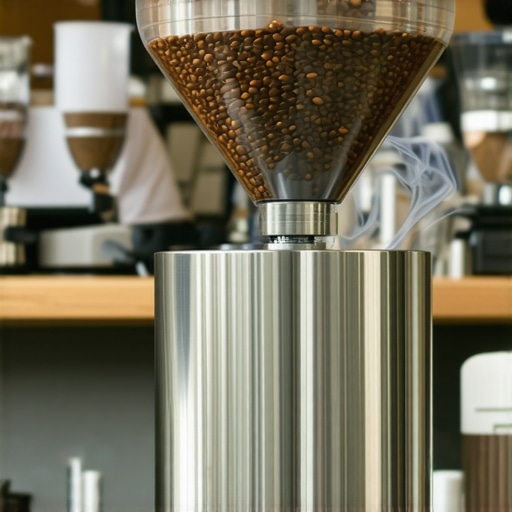
It happened again—your espresso shot sputters out watery, the grinder hisses fiercely, and suddenly, you’re staring at a machine that feels more like a sauna than your trusted coffee partner. I remember that lightbulb moment vividly. My 2026 cafe grinder, which had been humming along perfectly, started overheating during busy mornings, throwing off my grind consistency and, ultimately, my mood. That frustration? I’ve been there. And after lots of trial, error, and a few burnt fingers, I uncovered the real reasons behind this overheating saga.
The Rush That Turns Your Grinder into a Hot Mess
There’s something almost poetic about the rush hour chaos—everyone wants their coffee hot, fast, and perfect. But paradoxically, it’s exactly that rush that can push your grinder’s thermal limits. When your machine is cranking out shot after shot, it’s working overtime, generating heat that can cause burrs to dull faster, oils to burn, and mechanical parts to overheat. Trust me, I used to think little of it—until my grinder seized up during the busiest hour of the day.
Why does this matter? Overheating doesn’t just cause temporary issues; it can impair the grinder’s performance long-term. Consistently running hot can lead to fines in your grind, uneven extraction, and even damage to the motor components. So, I want to share my experience, because you shouldn’t have to keep battling with a machine that’s overheating right when you need it the most.
Are You Facing This All-Too-Common Dilemma?
I recall early on, I ignored the signs—grainy tasting shots, intermittent motor sounds, and a grinder that seemed to run hotter with each passing minute. My mistake? Pushing my machine beyond its natural limits without proper maintenance or understanding. Early missteps like grinding too fine cost me dearly.
If this sounds familiar, don’t worry. There’s a solution waiting, and it starts with understanding why your grinder is overheating. We’re going to navigate through common causes, practical fixes, and smart habits that keep your machine cool—even during the busiest rush hours. Ready to bring your grinder back from the brink? Let’s dive into what’s really going on beneath the surface and how you can fix it before it’s too late.
Reduce Grind Size and Batch Your Coffee
One of the most straightforward ways to prevent your grinder from overheating is to adjust your grind size and how much coffee you’re grinding at once. During a busy morning, I used to load my hopper with a full kilogram of beans, thinking more is better. That led to longer grind times and excess heat buildup. Instead, I started grinding smaller batches—about 20-30 grams at a time—especially during peak hours. This reduced the load on the motor, allowing it to stay cooler and maintain consistency.
Implement Step-By-Step Cooling Breaks
In my experience, taking deliberate pauses every few minutes makes a huge difference. After every 3-4 grind cycles, I turn off the grinder and let it rest for 30 seconds. Think of it like giving your car engine a breather after a long drive. This brief cooldown period prevents heat accumulation in the burrs and motor, extending the lifespan of your equipment. During one hectic Saturday, I managed a back-to-back grind session by spacing out my brewing and allowing the machine to cool, which kept performance steady.
Optimize Your Grinder’s Settings and Maintenance
Ensuring your burrs are sharp and properly aligned cuts down on unnecessary friction, thus reducing heat. Regularly inspect and replace dull burrs—over at this guide. I once ignored mine for too long, and the extra effort caused my grinder to heat up quickly. Also, adjusting your grind fineness to the optimal setting not only improves extraction but also minimizes the motor’s workload. Additionally, clean the grinder after each use to prevent build-up that can cause motor strain and heat retention.
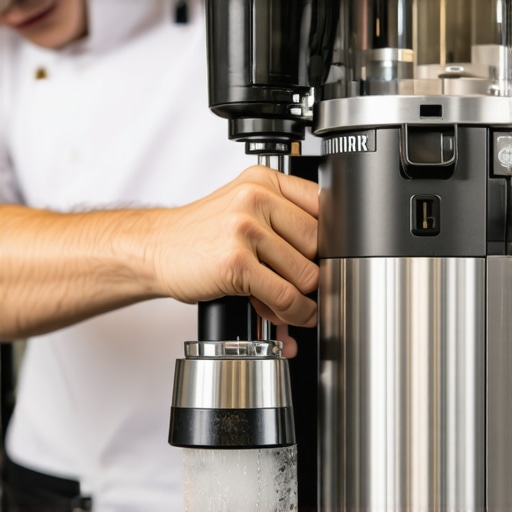
This close-up shows a well-maintained burr set, emphasizing the importance of sharp, clean burrs in heat management.
Use Coolant Accessories and Smart Placement
If your grinder is already prone to overheating, consider adding external cooling aids—like a small fan directed at the machine—or relocating it to a cooler area of your kitchen. I repositioned mine away from the oven and near an open window during summer, which noticeably improved heat dissipation. For a more permanent fix, some enthusiasts install dedicated cooling fans or thermal mats that absorb excess heat. These small adjustments can prevent thermal stress during high-volume periods.
Consider Equipment Upgrades or Alternative Methods
If overheating persists despite these efforts, it might be time to evaluate your equipment. Upgrading to a grinder with better heat management—such as models with coated burrs that dissipate heat more effectively—can be highly beneficial. Alternatively, using manual hand grinders during peak hours can eliminate motor heat altogether. I experimented with a manual grinder on particularly busy mornings and found it to be a surprisingly enjoyable way to reduce heat buildup and keep my workflow steady. For high-volume settings, explore options like better-coated burrs or energy-efficient setups that don’t compromise performance.When diving into the world of home espresso setups, many enthusiasts focus on flashy gadgets or the latest high-end machines, believing that bigger or more expensive equals better. But let’s dig deeper—there’s a hidden nuance that often gets overlooked. Contrarily to popular belief, premium gear doesn’t automatically translate to perfect bicep-cream microfoam or the optimal extraction if you don’t understand how to leverage its subtle features. For example, many assume that using the highest wattage grinder or a super-technical espresso machine will guarantee consistent results. However, this overlooks how calibration and user habits play critical roles in performance. Moreover, numerous amateurs fall into the trap of chasing the newest shiny accessories like fancy milk frothers or overly complex PID controllers, without mastering the fundamentals of dosage, tamping, or water quality. A common myth is that switching to a more expensive grinder instantly improves shot clarity; in reality, many well-built but misused grinders produce more fines, leading to inconsistent extractions. Advanced users know that understanding specific nuances—like the impact of **hard water scale buildup** on internal components or how **burr geometry** affects grind uniformity—is crucial. For instance, did you know that using a finer grind isn’t always the best solution for high-pressure extraction? Sometimes, it causes channeling and uneven flow, which ultimately ruins your shot. A study from the Specialty Coffee Association highlights how proper tuning and maintenance outweigh hardware specs in producing quality espresso. So, the next time you’re tempted to upgrade every piece of gear, consider pausing to learn the subtleties of your current setup. Have you ever fallen into this trap? Let me know in the comments.
Maintaining your espresso equipment isn’t just about cleaning once in a while; it requires deliberate, ongoing attention to ensure every brew remains consistent and your gear lasts for years. I personally swear by a combination of precise tools and disciplined routines that make the difference between mediocre shots and barista-quality espresso at home. One investment I highly recommend is a high-quality burr cleaning brush, which you can use weekly to remove grounds and oils lodged deep within your grinder, preventing buildup that can cause uneven grinding and overheating. Regularly replacing worn parts, like burrs, ensures your grinder operates smoothly, reducing heat and preserving the bean’s integrity. For espresso machines, consistent backflushing with a dedicated cleaner maintains hydraulic seals and prevents scale from impairing flow and pressure accuracy. I use a dual-purpose cleaning kit that combines descaler and cleaning powder—doing this every month keeps my boiler and pipes clean, promoting better temperature stability and flavor extraction. Upgrading to coated puck screens can also mitigate channeling and reduce pressure buildup, freeing your machine from unnecessary strain. Moreover, a digital thermometer, such as the [ThermoPro TP20](https://amazon.com), allows me to monitor and fine-tune water temperature and milk steaming temp, leading to more predictable microfoam. Once you implement these tools and routines, you’ll notice a significant drop in maintenance headaches and an improvement in shot quality. To further optimize your setup, consider installing a thermal insulation mat, which I use under my grinder and espresso machine to prevent heat transfer from ambient sources—this simple addition prolongs component life and stabilizes performance. As we look toward 2026, expect smart, IoT-enabled devices to become standard, providing real-time data and alerts for maintenance needs—imagine receiving a notification when burrs are dull or when descaling is due. For now, I suggest you start with a periodic deep clean of your grinder using a dedicated brush and replace burrs when they’re worn out; this small step alone can dramatically improve your long-term results. Need quick guidance? Try scheduling monthly maintenance with detailed checklists to keep your gear humming perfectly. Remember, the key to sustainable excellence is consistency—set a routine, stick to it, and watch your coffee game elevate.
Looking back, the most valuable lesson I learned about espresso gear is that understanding your machine’s thermal limits is essential for consistent quality. It’s not just about the latest high-tech features but knowing how your equipment reacts under pressure and busy hours. Over years of tinkering, I discovered that simple habits like regular cleaning and strategic rest intervals make a profound difference in avoiding overheating issues, transforming the way I approach my daily espresso routine. Recognizing the signs of heat stress early—such as subtle changes in grind consistency or motor sounds—allowed me to intervene before damage occurred, saving time and money while ensuring top-notch results.
Surprising Lessons That Changed My Coffee Game
- Patience beats power: Pushing your grinder to its limits without planned cooling leads to long-term damage. Taking short breaks during high-volume periods preserves performance.
- Quality over quantity: Grinding in smaller batches during peak times reduces heat buildup, and embracing manual or alternative methods can be surprisingly effective, especially in high-pressure moments.
- Maintenance is your secret weapon: Regularly inspecting and replacing burrs, cleaning internal parts, and optimizing settings aren’t just upkeep—they’re essential steps to prevent overheating and maintain grind consistency.
- Environmental factors matter: Proper placement with external cooling aids, like fans or thermal mats, can be game-changers, particularly in warm climates or tightly packed kitchens.
- Listen to your machine: Developing an intuitive sense for when your grinder is working too hard helps preempt heat issues, leading to smarter use rather than reactive repairs.
My Top Picks for A Cooler Coffee Experience
- Coated puck screens help dissipate heat in the brewing process, reducing pressure on your grinder.
- Invest in a smart cooling fan—a simple addition that keeps equipment at safe temperatures during intense sessions.
- Use proper grinder maintenance tools to stay ahead of burr dullness, preventing the grind from getting too fine and generating excess heat.
- Consider “compact, well-ventilated setups” to promote airflow around your gear and ensure optimal temperature stability in your coffee corner.
Nurture Your Passion and Keep Grinding Smarter
Remember, mastering heat management is a journey that improves with mindful habits and ongoing learning. Every espresso shot you craft is a reflection of your dedication to the craft and respect for your equipment. By paying attention to your machine’s signals and implementing strategic practices, you’ll elevate your home brewing to barista-level excellence. So, embrace the small adjustments—they compound over time and turn everyday coffee routines into moments of mastery. Are you ready to stop overheating your grinder and start brewing with confidence? Share your experiences or questions below—I’d love to hear how you’re taking control of your coffee journey.
![Why 2026 AI Pressure Profiling Fails on Light Roasts [Fix]](https://espressotechguide.com/wp-content/uploads/2026/04/Why-2026-AI-Pressure-Profiling-Fails-on-Light-Roasts-Fix.jpeg)
Leave a Reply