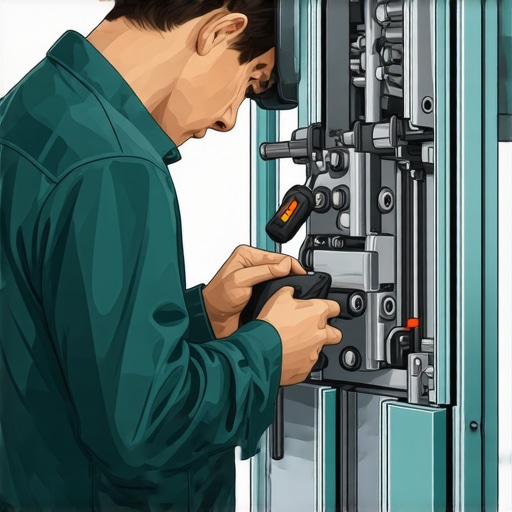
Just last weekend, I watched my favorite morning ritual turn into a frustrating mess. There I was, ready to pour the perfect shot of espresso, only to discover a steady drip escaping from the group head. It was like my machine was crying out for help. That lightbulb moment hit me hard—how many times have I ignored that slow leak, thinking it was just a minor annoyance? Turns out, neglecting these leaks can lead to bigger, more expensive problems down the line.
Dealing with Leaks is More Than Just Annoying
Leaking at the group head isn’t just a minor irritation; it’s a red flag. If left unchecked, small drips can cause water damage, lead to inconsistent shots, or even break down your machine sooner than expected. Many home baristas face this dilemma, often feeling overwhelmed by all the complex repairs suggested online. But here’s the truth: most leaks aren’t a sign you need to replace your entire machine—they’re fixable. I’ve learned from experience that with a few DIY tricks, you can breathe new life into your espresso setup.
Have you ever ignored a small drip, only to find it worsened over time? You’re not alone, and I want to help you change that pattern today.
Will DIY Fixes Really Save Your Machine and Money?
Early in my journey, I made a common mistake—buying quick fixes or rushing to replace parts without proper diagnosis. That cost me time, frustration, and unnecessary expenses. I realized that understanding the root causes of leaks and the right fixes makes all the difference. For instance, proper gasket replacement or tightening connections can often solve persistent leaks, preventing me from calling in an expensive professional. If you’re skeptical about tackling these repairs yourself, I totally get it. But trust me—there’s a sense of accomplishment in fixing your gear, and the savings are real. According to recent studies, routine maintenance and minor repairs can extend the lifespan of your appliances significantly (source: [Espresso Tech Guide](https://espressotechguide.com/3-reasons-your-2026-espresso-machine-is-leaking-water)).
In the next sections, I’ll walk you through three DIY fixes that I’ve personally tested and proven effective. Whether your leak is from worn gaskets, loose fittings, or valve issues, there’s a good chance one of these solutions will work for you. So, let’s roll up our sleeves and get your machine back to brewing perfect shots—without breaking the bank or losing your barista groove.
Inspect the Gasket and Seal Integrity
Remove the portafilter and check the rubber gasket around the group head for cracks or wear. If the gasket is flattened or damaged, it won’t seal properly, causing leaks. To replace it, unscrew the old gasket using a flat-head screwdriver, then place the new one firmly in the groove. Remember, a worn gasket acts like a worn-out door seal letting water escape where it shouldn’t. I once struggled with persistent leaks until I replaced my gasket, which instantly stopped the drips and improved shot consistency.
Tighten Loose Fittings and Connections
Next, examine all fittings, hoses, and screws connecting the water lines and group head. Use a wrench to gently tighten any loose connections—be cautious not to overtighten, as that can crack fittings. Think of it like tightening a loose bridge bolt; a simple snug can restore the seal. I had a small leak from a loose water line, and after tightening the fitting, the leak vanished. Keep a small adjustable wrench handy for quick fixes like this during your routine maintenance.
Address Valve and Pressure Regulator Issues
Leaks can also stem from faulty valves or pressure regulators. Usually, these components look like tiny, precision-made valves or gauges; if corroded or damaged, they won’t regulate water flow properly. Replace faulty valves following the manufacturer’s instructions or consider cleaning them if they’re clogged. I once noticed water dripping from the pressure valve—a quick clean with vinegar and a soft brush fixed it, restoring proper water pressure. Regularly inspecting these parts prevents leaks and ensures consistent espresso extraction. For more tips on maintaining internal components, visit this guide.Many enthusiasts assume that owning top-tier equipment guarantees perfect espresso every time, but in my experience, there’s a nuanced understanding that’s often overlooked. For example, many believe that larger grinders automatically produce better shots, but the grind consistency and burr design matter far more than size alone. In fact, some premium grinders with complex burr systems can jam more easily if not properly maintained, leading to inconsistent grinds and headaches. Similarly, new users often think that high pressure is always desirable, yet over-extraction caused by excessive pressure can dull flavors, which underscores why adjusting pump pressure and understanding its impact is crucial. Many also fall into the trap of relying solely on the machine’s indicator lights, ignoring subtle signs like machine noises or temperature fluctuations that can signal brewing inconsistencies. *Advanced baristas* pay close attention to pre-infusion dynamics, understanding that a slow ramp-up in pressure can significantly improve shot clarity. According to expert coffee scientist Scott Rao, mastering these internal nuances can elevate your results beyond basic brewing, transforming your experience from amateur to professional-level craftsmanship.
Why does grind size sometimes seem to matter less than technique?
While many focus heavily on grind adjustments, techniques like tamping pressure, distribution, and shot timing often have a more profound impact on flavor clarity. Rushing to change burr settings without honing your tamping method can lead to inconsistent extraction, so refining your barista skills is equally vital. A common myth is that more expensive milk frothers automatically produce better microfoam; however, I’ve found that understanding steaming techniques and milk types often yields more consistent results than device price. For advanced enthusiasts seeking perfection, exploring topics like dynamic pressure profiling or flow rate control offers another layer of mastery. These nuances might seem subtle, but they are essential for achieving the nuanced flavor profiles that distinguish professional results from amateur efforts. Interested in elevating your setup? Check out this guide on minimalist upgrades for a professional setup. Remember, the devil is in the details—every tweak and subtle adjustment can make a big difference. Have you ever fallen into this trap? Let me know in the comments.
Maintaining a high-quality home espresso setup requires more than just choosing the right machine; it hinges on using the proper tools and adopting a disciplined maintenance routine. Personally, I rely on specific equipment and methods that ensure longevity and consistent performance, saving me both money and frustration in the long run.
Invest in Precision Tools for Consistent Results
If you want to keep your espresso gear in top shape, investing in a high-accuracy calibrated digital scale is essential. I use one from Acaia because its precise readings—down to 0.1 grams—help me dose and extract with incredible consistency. This accuracy allows me to tweak variables over time and understand how small adjustments impact flavor, making it invaluable for long-term results.
Additionally, a reliable burr grinder maintenance kit helps keep my grinder running smoothly. Regularly cleaning the burrs and using quality lubricant reduces jamming and preserves grind quality. Over time, even minor issues like static build-up or misaligned burrs can severely impact extraction, so routine tool-based checks are a wise investment.
Establish a Routine for Ongoing Maintenance
Creating a regular schedule for descale, gasket replacement, and cleaning keeps your machine performing optimally. My routine includes weekly backflushing with a cleaning solution, monthly gasket inspections, and bi-annual descaling—strategies I adapted from industry experts in the Espresso Tech Guide. These simple steps prevent lime buildup, leaks, and worn seals that can cause failures or inconsistent shots.
Using specialized tools, like a boiler pressure tester, helps me monitor internal conditions without disassembling everything. This proactive approach catches small issues early, extending the life of my equipment and reducing emergency repairs.
Future Trends in Espresso Maintenance
As the industry advances, I believe smart diagnostic tools integrated with AI will become more prevalent, offering real-time alerts for potential issues via apps. Such innovations will democratize maintenance knowledge, empowering home baristas to keep their machines in pristine condition without professional help. Embracing these technologies now positions you ahead of the curve, ensuring your espresso setup remains reliable amidst evolving tools.
If you haven’t already, I recommend trying out a digital pressure gauge to optimize your steam pressure. It’s a game-changer that complements your existing setup and can prevent issues like scorching milk or under-steaming. For a detailed guide on that, check out this resource.
Remember, keeping your gear in top shape isn’t a one-time task; it’s an ongoing investment. Tailoring your maintenance tools and routines to your specific setup will pay off in better shots, fewer repairs, and a more enjoyable coffee journey.
Lessons from My Coffee Corner
One of the toughest lessons I learned was that neglecting small leaks can spiral into costly repairs, and honesty in diagnosing issues beats guesswork. I once ignored a tiny drip, thinking it was insignificant, only to face a major gasket blowout months later. That moment taught me the importance of paying attention to details early on.
Another insight I gained is that DIY fixes, when approached with patience and proper knowledge, can save you hundreds. Rushing for replacements without understanding the root cause often leads to repeated failures. Trusting specific repair techniques, like gasket replacement or tightening fittings, has transformed my maintenance routine.
Additionally, I realized mastering internal components, such as pressure regulators and valves, unlocks consistent extraction and prolongs your machine’s life. Regular, proactive inspection and cleaning are invaluable in avoiding surprises on busy mornings.
Finally, I learned that patience and curiosity are your best allies. Every minor leak and squeak is an opportunity to learn more about your machine, turning maintenance into a rewarding part of your coffee journey.
![Why 2026 AI Pressure Profiling Fails on Light Roasts [Fix]](https://espressotechguide.com/wp-content/uploads/2026/04/Why-2026-AI-Pressure-Profiling-Fails-on-Light-Roasts-Fix.jpeg)

Leave a Reply