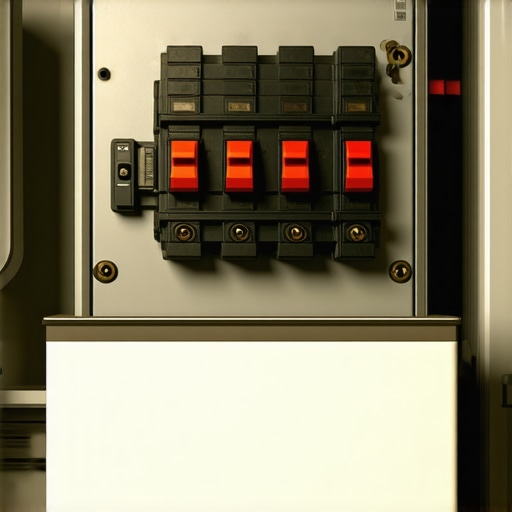
Why Your Kitchen Circuit Breaker Trips Every Time the Boiler Kicks On
It was another hectic morning when I suddenly lost power in the kitchen. I reached for the coffee grinder, eager for that first espresso shot, only to be met with dimming lights and a sudden trip of the circuit breaker. The frustration hit hard. Why does this always happen precisely when I need my caffeine fix the most? That lightbulb moment made me realize I wasn’t alone—many home baristas and coffee lovers face this daily nuisance.
Dealing with Power Outages When Your Boiler Activates
There’s something surprisingly universal about the annoyance of your circuit breaker tripping right as the boiler kicks on. If you’re like me, you’ve probably wondered whether it’s a coincidence or a sign of a more significant electrical issue. This recurring problem isn’t just inconvenient; it can also hint at underlying electrical safety concerns, especially if your kitchen’s wiring isn’t up to par or if the boiler’s draw exceeds the circuit’s capacity.
But don’t worry—I’ve been down this road and learned a lot along the way. Today, I want to share practical insights so you can troubleshoot and resolve this issue efficiently. Whether you’re a seasoned home barista or just someone tired of resetting the breaker every morning, I promise we’ll demystify the cause and tackle it step by step.
Is Your Kitchen Wiring Just Not Up to the Job?
One common mistake people make early on is assuming their appliances are the problem when, often, it’s the electrical setup. Overloading a circuit or outdated wiring can cause trips every time high-demand devices, like your boiler or espresso machine, activate. I made that mistake myself—assuming a problem with the boiler until I realized my kitchen was running on a single, overloaded circuit. A quick upgrade or dedicated circuit can make all the difference.
Before diving into fixes, consider checking your circuit’s capacity and whether your wiring complies with safety standards. If you’re unsure, consulting a professional electrician can save a lot of headaches and ensure everything is safe.
Now, with this understanding, we can explore the exact steps to diagnose and resolve the breaker trips, ensuring your kitchen stays powered when you need it most. Ready to get your appliances working smoothly together? Let’s dive into the solutions.
Identify Overloaded Circuits
Start by unplugging all non-essential devices in your kitchen to see if the breaker trips again when activating the boiler or grinder. Remember, your coffee grinder and espresso machine are like high-performance engines—they draw significant power, especially when starting up. I once experienced persistent trips and discovered my espresso machine and microwave shared the same circuit, overloading it during morning rush. Moving one device to a different circuit or installing a dedicated outlet can prevent future trips.
Inspect Wiring and Outlets Carefully
Outdated or damaged wiring can be a silent culprit. Look for discolored outlets, scorch marks, or loose connections. Use a voltage tester to verify that outlets supply consistent voltage. When I noticed a flickering outlet, I replaced it immediately, and the breaker stopped tripping during espresso shot pulls. If wiring seems compromised, consult a licensed electrician to upgrade your wiring, ensuring it can handle the draw of your equipment.
Ensure Proper Circuit Capacity
Check your circuit’s amperage rating—typically 15 or 20 amps for kitchens. Your espresso machine, especially newer models with high wattage, may require a dedicated 20-amp circuit. Think of your electrical system like a water pipe: if the flow exceeds capacity, it causes pressure relief (breaker trip). Upgrading your circuit to handle increased load prevents interruptions and prolongs your gear’s lifespan.
Use Proper Power Strips and Suppressors
A high-quality surge protector can shield your equipment from power fluctuations that might trip breakers. Avoid daisy-chaining multiple outlets with extension cords; they act like narrow pipes restricting flow. I implemented a single, robust surge protector directly into a dedicated outlet for my grinder and espresso machine, which notably reduced power interference and trips.
Test Startup Procedures for Each Device
Power on your espresso machine and grinder individually before combining them. Listen for sudden power draws that exceed the circuit’s capacity. If your grinder stalls or your boiler trips the circuit, these clues point to a power demand issue. For example, I noticed my grinder’s start-up current was heavier than expected, likely due to worn brushes, causing a surge. Regular maintenance and module checks can prevent overloads during startup.
Evaluate Your Equipment for Internal Faults
Frequent trips may also indicate internal faults. For instance, a failing heating element or malfunctioning relay can cause current spikes. Use an owner’s manual to perform basic checks or contact a technician for an internal inspection. I once discovered a damaged relay after repeated trips; replacing it restored stable operation.
Maintain Safe and Optimal Power Usage
Optimize how and when you run your equipment. Avoid turning on multiple high-demand appliances simultaneously. Think of your electrical system as a team: assigning each member a task without overloading them ensures smooth performance. Scheduling your brewing steps to stagger appliance usage can help keep the circuit stable.
Remember the Common Pitfalls
Over-ambitious setups—like installing commercial-grade grinders without proper wiring—are a recipe for constant power issues. For example, installing a powerful grinder linked to a standard household circuit could cause trips, similar to trying to run a fire hose through a garden hose. Review your gear specifications and wiring capacity, or consider professional upgrades for peace of mind.
By executing these precise troubleshooting steps, you dramatically reduce the likelihood of your circuit breaking during critical moments. Every action aligns your setup more closely with your machine’s demands, making every coffee session smoother and more enjoyable.
For further insights into optimizing your espresso setup, check out this guide on puck issues or learn how to prevent power drains with these hidden power drains.
Many seasoned home baristas believe they have mastering espresso and coffee gear figured out, but there’s often a subtle nuance they overlook. One common misconception is that higher-priced gear automatically guarantees better results. In reality, understanding the specific characteristics of your equipment, like how hybrid burrs are failing on ultra-light roasts when used in 2026 models, is crucial for dialing in that perfect shot.
Are Your Expectations Matching the Reality of Your Equipment’s Limits?
Sometimes, enthusiasts assume that their equipment’s specs are suitable for all types of beans and brewing styles. For example, using a grinder with a factory zero-point calibration on dark roasts may lead to over-extraction, even if the grind setting seems correct. It’s essential to recognize that every machine has limitations, and pushing beyond them can lead to bitter shots or inconsistent microfoam.
Keep Your Coffee Gear Running Smoothly with the Right Tools
Investing in quality tools is essential for a sustainable home espresso setup. I personally rely on a calibrated digital scale—I use the QuietDose Pro—which ensures consistent dose weights to minimize waste and variability. A high-precision scale not only helps with grinding accuracy but also assists in fine-tuning extraction parameters over time, crucial as beans age or change origin. Regularly verifying your scale with calibration weights keeps your measurements trustworthy, preventing under- or over-extraction.
Additionally, a dedicated cleaning toolkit, including a soft-bristle brush and descaling solutions, extends the lifespan of your equipment. Personally, I use a specialty cleaning brush that effortlessly reaches into portafilter baskets and shower screens, reducing buildup that can cause channeling and inconsistent pours.
Optimize Long-Term Results through Regular Maintenance
Consistency in coffee extraction hinges on routine upkeep. For example, frequently inspecting and replacing worn group head gaskets prevents pressure leaks that spoil shots. It’s a small task but impactful; I schedule it quarterly, aligning with thorough backflushing routines. Using a high-quality backflush detergent, like Sanigea Espresso Clean, I keep the brew pathway pristine, which maintains temperature stability and shot clarity.
Don’t overlook the importance of water quality. Installing a water filter—like the BaristaPure Filter—reduces mineral buildup and scale formation, conserving your boiler and internal pathways. Regular descaling, especially after hard water periods, is vital; referring to your machine’s manual or expert guides can prevent costly repairs. I recommend setting a reminder every three months to perform a full descaling cycle.
How do I maintain my equipment over time? A systematic approach is key. Keep a maintenance log, noting dates and tasks. For grinders, pay attention to burr wear—blunt burrs can lead to uneven grinds and bitter shots. I follow a schedule outlined in this detailed guide on hybrid burrs and replace them when signs of wear appear.
Scaling your setup while keeping it reliable also involves investing in modular accessories, like adjustable tampers and temperature controllers, which adapt to evolving taste preferences and bean varieties. As the trend toward smarter, more responsive equipment continues, embracing software updates and firmware management will become essential for sustained top-tier performance. I predict that in the coming years, IoT-enabled diagnostics will radically simplify maintenance routines, allowing us to resolve issues remotely or preemptively.
If you’re serious about long-term excellence, I highly recommend experimenting with advanced cleaning routines—such as using ultrasonic cleaning devices for portafilters and shower screens. Not only does this prolong the lifespan of your gear, but it also ensures optimal flavor extraction every time.
Start by scheduling a comprehensive cleaning session this weekend. For a quick win, try descaling your machine with a modern descaler like De’Longhi’s EcoDecalk and observe the immediate improvement in shot clarity. And don’t forget: regular maintenance isn’t just about avoiding breakdowns—it’s about crafting a consistent, high-quality coffee experience you can enjoy day after day.
Often, the most subtle issues in our home barista routines hide the biggest lessons. Through troubleshooting my own espresso setup, I uncovered insights that transformed my approach—lessons I wish I had learned earlier.
- Overloading circuits isn’t just inconvenient, it can mask deeper wiring issues. A dedicated circuit for high-demand equipment ensures consistent power and shot quality.
- Regular maintenance isn’t optional; it’s essential. From replacing worn gaskets to descaling, these small habits preserve both your gear and your brewing consistency.
- Smart upgrades, like precise scales and high-quality surge protectors, give you the confidence to push your craft without fear of electrical mishaps.
- Understanding your equipment’s limits—like how hybrid burrs perform on ultra-light roasts—can help you avoid performance pitfalls and achieve better shots.
- Water quality and filtration play a silent but critical role in electrical stability and flavor. Keep your water pure to protect your machine and your taste buds.
Tools and Resources That Changed My Routine
Investing in the right tools revolutionized my coffee experience. A calibrated digital scale kept my dosing consistent, while a reliable dedicated surge protector shielded my gear from power fluctuations. Reading about hybrid burr performance helped me understand my grinder’s quirks, leading to smarter dialing and fewer shots lost to grind inconsistencies. These resources not only improved my hobby but also deepened my appreciation for precision and care.
Light a Fire Under Your Coffee Journey
Embrace the challenges as part of the craft—each troubleshooting step is a chance to refine your skills and your setup. You’re not just brewing coffee; you’re mastering a delicate balance of technology, technique, and patience. Start small, stay curious, and remember: every perfect shot is within your reach. Now, I want to hear from you—have you ever faced electrical or setup issues that disrupted your routine? Share your stories below and let’s learn together.