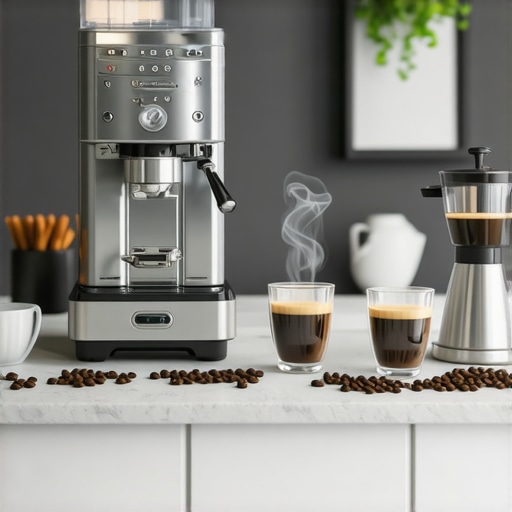
It hit me during a Sunday morning coffee disaster—my carefully crafted espresso tasted bitter and off, despite fiddling with my cheap, outdated machine. I’d spent hours chasing that perfect shot, only to end up frustrated and disappointed. That moment of realization sparked a question: how much value am I truly getting from my current home espresso gear? Today, we’re going to uncover how to choose the best espresso machines and coffee grinders for your home in 2025, so you can finally enjoy that barista-quality coffee without the chaos.
Why Settling for Less Can Ruin Your Coffee Routine
Choose the Right Espresso Machine for Your Space
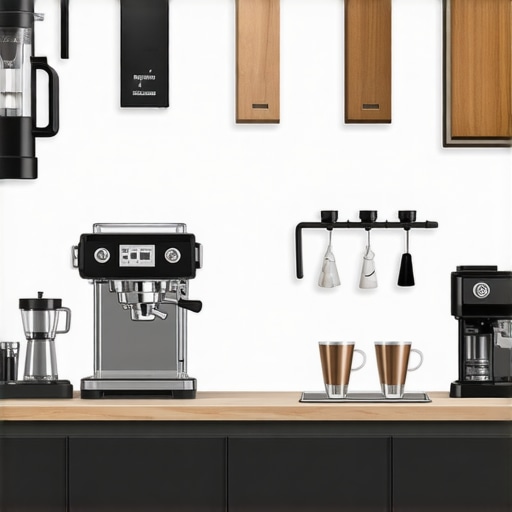
First, assess your available kitchen space and budget. Entry-level machines like semi-automatic espresso makers offer control without overwhelming complexity, while super-automatic models simplify the process but come at a higher price. Remember, durability matters—opt for brands known for longevity. For detailed comparisons, check our guide on best home espresso machines for 2025.
Select a Coffee Grinder That Preserves Freshness
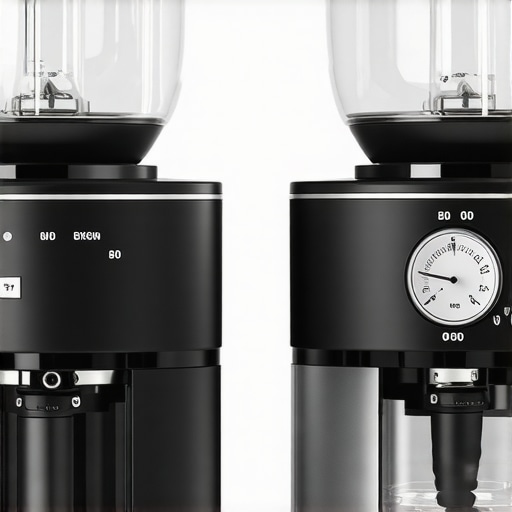
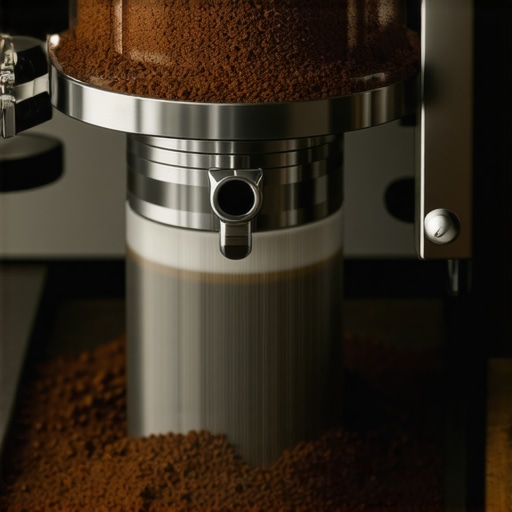
An essential step is choosing a burr grinder with adjustable grind size to optimize extraction. Blade grinders crush beans unevenly, leading to inconsistent flavor, so avoid them. Focus on grinders with conical or flat burrs for precision. I once upgraded my old grinder to a top-rated conical burr model, which dramatically improved my espresso’s clarity. Explore the options in our review of top coffee grinders for 2025.
Master the Art of Extraction Timing
Timing your shot is crucial; aim for 25-30 seconds for a standard espresso. Use a timer to keep track and adjust grind size or tamp pressure accordingly. I remember once over-tamping and ending up with a bitter shot—learning to refine this step was game-changing. Consider investing in a scale and timer combined, available through our recommended gear list.
Perfect Your Milk Frothing Technique
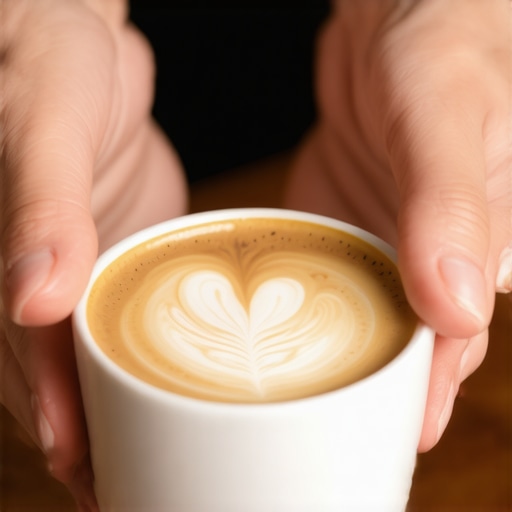
Creating silky microfoam transforms your coffee experience. Start by steaming at the right temperature—around 140°F (60°C)—and angle your pitcher to incorporate air initially, then submerge to heat uniformly. Watch for the whirlpool effect to ensure even froth. I practiced repeatedly, and within a week, my cappuccinos became cafe-quality. For in-depth tips, see our milk frother guide.
Experiment for Consistency and Personal Preference
Once you’ve nailed the basics, keep a log of grind settings, tamp pressure, and extraction times to replicate successful shots. Don’t hesitate to tweak variables—what works for one bean may not suit another. I found that a slight adjustment in grind size elevated my espresso’s flavor profile remarkably. Continuous experimentation helps craft a personalized coffee routine that delights every time.
Many enthusiasts jump into upgrading their home coffee setup with the belief that more expensive gear automatically guarantees superior results. However, this oversimplification can lead to costly mistakes. One prevalent myth is that high-end machines will compensate for poor technique or subpar beans, but in reality, even the best espresso machine requires consistent maintenance and proper usage to deliver top flavor. Additionally, it’s a misconception that a super-automatic machine will do all the work for you, neglecting the importance of dialling in grind size and tamp pressure—crucial factors often overlooked by beginners. Another error is assuming that buying the latest, feature-rich grinder guarantees perfect extraction; while advanced grind adjustment is valuable, improper calibration or neglecting to clean your grinder regularly can cause wear and uneven grind size, undermining the quality of your espresso.
Let’s address a common question among experienced home baristas:
Is it worth investing in a high-end grinder if I already own a decent one?
The answer depends on your pursuit of consistency and flavor nuance. Studies, including one from the Specialty Coffee Association, highlight that grinder consistency outweighs machine specifications in achieving optimal extraction. Upgrading your grinder to a well-calibrated, burr-based model can significantly elevate your espresso quality, especially when paired with proper brewing techniques. Be cautious of the trap where many purchase expensive machines without mastering the fundamentals, which can lead to frustration and wasted investment. Always prioritize understanding your gear and regular maintenance—it’s the surest way to unlock your ultimate coffee experience. Want to avoid common pitfalls? Dive into our comprehensive guide on choosing the right espresso setup and learn how to optimize your equipment for consistent, barista-quality results. Have you ever fallen into this trap? Let me know in the comments.Maintaining your espresso setup is essential for consistent, high-quality results. I personally swear by regular cleanliness of my grinder and machine—using a descaling solution every three months and cleaning removable parts weekly ensures optimal performance. Investing in quality tools like a dedicated brush for grinder burrs and soft cloths for wiping surfaces extends your equipment’s lifespan and preserves flavor integrity. For example, I use a precision calibration tool to fine-tune my grinder every six months, which has noticeably improved shot consistency. As technology advances, look for smart maintenance tools or software that can monitor your machine’s health—these innovations are likely to become standard in professional-grade espresso setups. Predicting future trends, I believe automation will further streamline maintenance routines, making it easier for home baristas to keep their gear in prime condition.
How do I maintain my espresso equipment over time?
Developing a routine is key. Schedule cleaning sessions monthly, descale as recommended by your machine’s manufacturer, and replace worn-out parts proactively. Keeping a detailed maintenance log helps track what works best for your specific setup. Also, utilizing specialized cleaning products designed for barista gear—like espresso machine cleaning tablets—can prevent buildup that dulls performance. Don’t overlook the value of locking in your grinder’s calibration after cleaning; a quick check with a digital scale can help maintain consistent extraction. Overlooking maintenance can lead to diminished flavor and longer-term damage, so treat your gear as an investment that rewards you with better brews.
To simplify upkeep, I recommend trying out a comprehensive cleaning kit tailored for espresso machines and grinders—it’s an all-in-one solution that makes regular maintenance straightforward. A tip from coffee machine expert Scott Rao emphasizes that cleaning and hour-long calibration sessions are often overlooked but critical for any serious home barista. Incorporate these practices into your routine, and you’ll enjoy flawless espresso shots every time, reducing waste and extending your equipment’s lifespan. Remember, regular upkeep is not just about longevity; it’s about unlocking the best possible flavor from your beans.
Lessons I Wish I Learned From the Start
One of the most important insights I gathered was that investing in an expensive machine doesn’t automatically lead to perfect espresso. Technique, maintenance, and bean quality often outweigh price tags. I once believed that upgrading my espresso machine alone would elevate my coffee game, but I soon realized proper calibration and regular cleaning are more impactful. Additionally, mastering the art of tamping and timing shots transformed my results more than any hardware upgrade. These lessons taught me patience and the importance of understanding my gear deeply before making costly investments.
Another revelation was the myth that super-automatic machines are foolproof. They simplify brewing but still require attention to grind size and maintenance. Overreliance can cause complacency, which hinders consistent quality. Lastly, I discovered that great coffee is as much about the beans as the equipment—freshness, roast level, and quality beans are fundamental. Focusing on these elements reshaped my approach and improved my espresso dramatically.
Discover Tools That Elevated My Coffee Routine
My essential toolbox includes a high-quality burr grinder, specifically a conical burr model, which you can explore in our review of top coffee grinders for 2025. A digital scale with a timer has been invaluable for consistency. I trust the guide on milk frothers and barista gear for tips on perfecting milk texture. For maintenance, I swear by cleaning kits tailored for espresso equipment—regular upkeep keeps my gear performing flawlessly. These tools, combined with continuous learning, form the backbone of my optimal home espresso setup.
Your Coffee Adventure Starts Today
Experiment, learn, and don’t be afraid to refine your process. Every shot is a step toward barista-quality coffee in your own kitchen. Remember, mastery doesn’t happen overnight, but with patience and the right tools, you’re well on your way. Embrace the journey, enjoy each cup, and watch how your skills and palate develop over time. You hold the power to make every morning a special ritual—your perfect espresso awaits.
![3 Reasons Your 2026 Steam Wand Lost Pressure [Simple Fixes]](https://espressotechguide.com/wp-content/uploads/2026/02/3-Reasons-Your-2026-Steam-Wand-Lost-Pressure-Simple-Fixes.jpeg)
Leave a Reply