I remember the first time I tried to buy a coffee grinder. I thought it would be simple—just pick the cheapest one and get brewing. Instead, I ended up with a noisy, inconsistent mess that made my morning espresso taste like it was brewed in a mudslide. That lightbulb moment taught me a harsh lesson: picking the right coffee grinder is more than just a purchase; it’s the key to unlocking the best flavor in every cup. And honestly, I don’t want you to go through the same frustration. Today, I’ll guide you through how to select the perfect coffee grinder for your brew, saving you time, money, and a lot of disappointment.
Identify Your Coffee Style
Start by determining how you prefer to brew your coffee. Do you love a French press, espresso, drip, or pour-over? Each method requires different grind sizes. For example, espresso needs a fine grind, while French press benefits from a coarse one. I once bought a burr grinder without considering my brewing style, which led to inconsistent results. Once I matched my grinder to my brewing method, my coffee improved dramatically.
Choose Between Blade and Burr Grinders
Blade grinders are cheaper but often produce uneven grounds, leading to bitter or weak brews. Burr grinders crush beans uniformly, unlocking better flavor. I remember upgrading from a blade to a burr grinder and instantly noticed a cleaner, richer taste. Burr grinders come in two types: flat and conical. Conical burrs tend to generate less heat and preserve more flavor—something worth considering if you’re serious about coffee quality.
Focus on Grind Size Adjustability
Look for a grinder with precise, easy-to-adjust grind settings. This flexibility allows you to experiment and perfect your brew. I once used a grinder with fixed settings, which limited my options and frustrated me when trying different recipes. A good grinder should have numbered or stepped adjustments for consistency. Think of it as dialing in your coffee like a barista—small tweaks make a big difference.
Consider Capacity and Convenience
Decide how much coffee you typically brew. If you’re alone or brewing small amounts, a compact grinder suffices. For larger batches, opt for a model with a bigger hopper. I learned this the hard way when I bought a tiny grinder for my weekend coffee—then realized I was constantly refilling it. Also, look for features like easy cleaning and grind retention, which save time and keep your coffee tasting fresh.
Balance Cost and Quality
Investing in a quality grinder pays off in flavor. While high-end models can be pricey, they last longer and perform better. I started with a mid-range burr grinder, which gave me excellent results without breaking the bank. Remember, this is an area where cutting corners often backfires—poor grinding can ruin even the best beans. Check reviews and ratings to find a reliable, durable option that fits your budget.
Test Before Buying
If possible, try the grinder in-store or buy from a retailer with a good return policy. Feel the weight, listen to the noise level, and ask about warranty. I once bought a grinder online without testing it first, only to find it was too loud for my kitchen. Testing helps ensure the grinder matches your needs and preferences.
Learn from Experts and Resources
Visit resources like How to Select the Perfect Coffee Grinder for Your Brew to refine your choice. Watching videos or reading reviews from trusted sources can provide insights that help you avoid common pitfalls. I spent time researching and testing different models, which saved me from buyer’s remorse and improved my coffee experience.
Many enthusiasts believe that choosing the most expensive grinder guarantees the best flavor, but this is a misconception. In reality, understanding your specific brewing method and how grind size affects extraction is more crucial than price. A common trap is oversimplifying the importance of burr type or grind adjustment, assuming that all burr grinders perform equally well. This can lead to overlooked nuances that significantly impact your coffee quality. For example, conical burrs tend to generate less heat, preserving subtle flavors, but some budget models with flat burrs can perform just as well if they offer precise adjustments and quality construction. Another frequent mistake is neglecting the grinder’s consistency over time. Even a high-end grinder can produce uneven grounds if it’s poorly maintained or used improperly, undermining your efforts regardless of initial specs. Advanced users often overlook the importance of grind retention—the amount of coffee left in the grinder after use—which can cause stale flavors to contaminate fresh grounds. Regular cleaning and maintenance are key to maintaining optimal performance. Additionally, many focus solely on grind size adjustments without considering the grinder’s ability to reproduce those settings reliably. Small discrepancies in settings can lead to over-extraction or under-extraction, ruining your brew. This is where stepping or numbered adjustments come in handy, providing consistency for experiments. For the experienced coffee lover, it’s essential to look beyond surface features and consider the grinder’s build quality, heat management, and ease of use. The myth that more expensive equals better can be misleading; a well-chosen mid-range grinder tailored to your brewing style can outperform a costly model in everyday use. If you’re serious about honing your craft, dive into resources like How to Select the Perfect Coffee Grinder for Your Brew or check reviews from trusted sources. Remember, the goal is to match your grinder to your specific needs, not just to chase the latest tech or price tag. Have you ever fallen into this trap? Let me know in the comments.Once you’ve chosen the perfect coffee grinder, maintaining it is crucial to ensure consistent flavor and longevity. Regular cleaning is the foundation of a well-functioning grinder. I recommend using a dedicated brush like the Grindeze Cleaning Brush, which is designed specifically for burr grinders. It effectively removes coffee residues from burrs and chambers without damaging delicate components. Avoid using compressed air or water, as moisture can lead to rust or damage internal parts. Instead, schedule a deep clean every 1-2 months, depending on usage, and after grinding flavored beans like spices or flavored coffees, which can leave residues that affect taste. 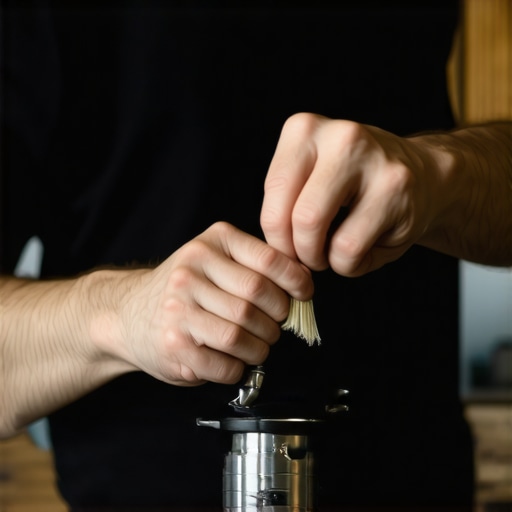 To keep your grinder performing at its best, consider investing in a grinder maintenance kit. These kits typically include burr cleaning brushes, lubricant sprays, and detailed instructions. Regularly lubricating moving parts with food-grade lubricant can reduce wear and noise, extending your grinder’s lifespan. I personally use the lubricant recommended by Baratza, a reputable manufacturer, which you can find in their service guides. Moreover, calibrating your grinder periodically ensures consistent grind sizes. If your model allows, use a digital caliper to measure burr distance and adjust according to manufacturer specifications. This small step can dramatically improve extraction and flavor consistency. Prediction suggests that as smart home integrations become more common, future grinders might incorporate self-cleaning features and app-based maintenance alerts, making upkeep even easier. How do I maintain my coffee grinder over time? Implement a routine cleaning schedule using a dedicated brush and periodic calibration, and consider a maintenance kit for thorough upkeep. This proactive approach prevents common issues like uneven grounds, stale flavors, and noisy operation. If you haven’t already, try implementing a monthly cleaning routine with a grinder-specific brush and see the difference it makes in your coffee quality. For more detailed maintenance strategies, explore resources like Choosing the Best Barista Gear for Coffee Enthusiasts or check the latest in grinder technology advancements.Once you’ve found the ideal coffee grinder that matches your brewing style, the journey doesn’t end there. Regular maintenance, such as cleaning burrs with a dedicated brush like the Grindeze Cleaning Brush and scheduling deep cleans every 1-2 months, ensures your grinder performs consistently and preserves the nuanced flavors of your beans. Keep an eye on grind retention and calibration; these small adjustments can prevent stale flavors and uneven grounds, elevating every cup you brew. As technology advances, future grinders may feature self-cleaning systems and app integrations, making upkeep even easier—stay excited for what’s coming! Remember, investing in a quality grinder and maintaining it properly is the best way to unlock the full potential of your coffee beans and enjoy rich, balanced flavors every day.