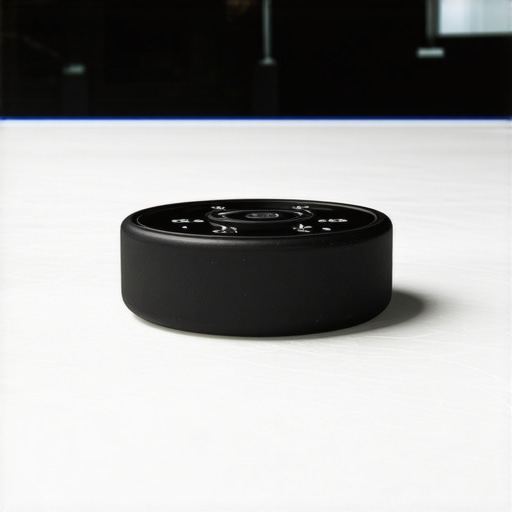
It happened again. I was meticulously pulling a shot, watching my puck screen do its thing, when suddenly I saw a strange, uneven pattern of water and coffee foliage. My heart sank. Did my puck screen just give up on me? Or was I missing a crucial sign that could save my shot—and my morning coffee routine?
Discovering the Hidden Flaws in Your Puck Screen
I’ve been there—trust me. You set up your Italian espresso machine, grind to perfection, and follow all the barista standards, only to end up with a shot that’s flat, sour, or just plain off. That sinking feeling when your equipment seems to betray you is all too familiar. One often-overlooked culprit? The health of your puck screen and whether it’s actually doing its job. Early on, I made the mistake of assuming that a clean-looking puck meant everything was in order. But as I learned, appearances can be deceiving.
Keeping your puck screen in top shape isn’t just about aesthetics or minor cleanliness—it’s directly linked to shot consistency and flavor. A faulty or clogged puck screen can lead to channeling, uneven extraction, and bitter-tasting coffee. The good news? There are simple, straightforward tests I use—tests I wish I’d known earlier—to determine if my puck screen is still effective. And spoiler alert: knowing these can dramatically improve your coffee game.
Have You Faced This Common Espresso Woe?
If you’re like me, you’ve probably experienced those mornings where despite all your efforts, the shot just falls flat. Maybe you’ve noticed inconsistent crema or a watery espresso. Believe me, ignoring your puck screen’s condition is a mistake. I used to think that frequent cleaning was enough—until I realized how much debris and buildup can lurk in the tiny spaces, diminishing airflow and pressure, and ultimately sabotaging your shot quality. For a deeper understanding of common puck-screen pitfalls and fixes, check out this detailed guide.
So, what’s next? Well, knowing the problem is half the battle. Today, I’ll walk you through three simple, reliable tests to finally get your puck screen working perfectly for your 2026 espresso shots. Ready to stop guessing and start brewing like a pro? Let’s dive in—and see whether your puck screen truly supports your espresso ambitions.
Start with a Visual Inspection
Begin by removing the puck screen from your espresso machine and examining it closely under bright light. Look for visible debris, coffee oil buildup, or signs of wear such as warping or clogging. I once noticed a thin film of coffee residue embedded in the tiny mesh holes—a sign it was time for a thorough clean. For detailed cleaning techniques, check out this comprehensive guide.
Conduct a Water Flow Test
Pour a small amount of water through the puck screen (preferably before brewing), and observe how smoothly it passes. If water pools or trickles unevenly, the screen may be clogged. I did this once during a morning session; the water sputtered unevenly, indicating buildup. To clear stubborn blockages, soak the puck screen in hot water with a descaling solution or espresso machine cleaner. Using specialized cleaning products can ensure it’s thoroughly de-gunked.
Perform a Pressure Test for Consistency
This step simulates the extraction process. Reinstall the puck screen, grind your coffee as usual, and pull a shot. Observe the flow rate and crema formation. If the shot flows unevenly or produces inconsistent crema, your puck screen might be obstructing airflow. I once faced this issue after neglecting to clean the mesh; replacing or thoroughly cleaning the puck screen restored shot consistency. For optimizing your setup, refer to workflow tips.
Test with a Tissue or Filter Paper
Place a piece of paper or tissue under the puck screen and run water or brew boy through the machine. If the paper shows uneven wetting or debris, it confirms clogging. I used a coffee filter in a pinch; it caught small particles, revealing partial blockages. Regular cleaning and replacement of your puck screen prevent these issues from recurring. For maintenance routines, see maintenance essentials.
Implementing Your Findings
If any of these tests indicate problems, prepare to clean or replace your puck screen. Remove it carefully, soak in a descaling solution, then scrub with a soft brush to clear stubborn residues. If damage or warping persists, consider upgrading your puck screen—preferably a model compatible with your machine and designed for easy cleaning. Upgraded puck screens not only ensure better water flow but also improve the overall quality of your shots. Visit this resource for selecting reliable replacements.
Contrary to popular belief, focusing solely on high-end equipment doesn’t guarantee perfect espresso at home. Many seasoned home baristas discover that nuanced details—like grind size consistency and workflow optimization—hold more weight than brand prestige. For example, a study published in the Barista Institute’s research highlights how grind uniformity directly influences shot quality, often more than the machine’s price tag.
Why do so many believe that upgrading their espresso machine is the key to perfect coffee?
This misconception stems from the assumption that a more expensive machine automatically delivers better results. While hardware quality matters, neglecting variables such as dose calibration, tamping pressure, and water temperature can render a top-tier machine underwhelming. It’s a common trap to chase equipment upgrades without first mastering foundational techniques, which are often overlooked. For detailed insights on balancing gear with technique, explore this comprehensive guide.
Another nuance often missed is the importance of grinder consistency. Many home baristas buy new grinders thinking it will transform their shots, but if the existing burrs are dull or misaligned, the effort is wasted. Dull burrs can cause uneven particle size, leading to channeling and bitter flavors. Recognizing this, I recommend regularly inspecting and maintaining your grinder—details on how to do this can be found in this article.
The Hidden Charm of Workflow and Maintenance
Advanced users understand that small adjustments—such as pre-wetting the coffee bed or timing the shot duration—can make a significant difference. Overlooking routine maintenance, like descaling and cleaning delicate parts such as the puck screen or steam wand gasket, leads to performance drops. A neglected machine can gradually lose pressure or temperature stability, sabotaging your efforts. To keep your setup performing optimally, see this maintenance checklist.
Could your workflow be limiting your espresso quality?
While equipment is vital, a flawless process often yields better results than simply owning the latest gear. For example, proper dosing techniques that minimize variability, or employing a consistent tamping rhythm, can elevate your espresso game considerably. As I’ve learned, refining workflow impacts shot consistency far more than gear upgrades, aligning with expert advice from industry professionals. Have you ever fallen into this trap? Let me know in the comments.
In summary, the key takeaway is that understanding and mastering subtle aspects like grinder maintenance, workflow choices, and routine cleaning are often more beneficial than simply investing in high-end equipment. Your journey toward coffee excellence starts with honing skills and paying attention to these hidden details, rather than chasing the latest must-have gadget.
,
Keep Your Setup in Peak Condition
Achieving consistent, top-tier espresso at home isn’t just about the initial investment in quality gear—it’s an ongoing process of diligent maintenance and strategic tool use. One of the most overlooked yet impactful practices is regularly inspecting and cleaning your puck screen. Using a soft-bristled brush and descaling solutions specifically designed for espresso equipment, I ensure that buildup doesn’t compromise water flow or pressure. For detailed routines, I highly recommend consulting this essential guide.
Embrace Advanced Tools for Precision
Investing in specialized tools can dramatically improve your maintenance routine. For example, a calibrated espresso scale with precise measurement not only helps dial in your dose but also reveals subtle inconsistencies that could affect shot quality. I personally use the smart scale with auto-tare to monitor espresso yield and flow rate, which are critical for long-term consistency. These tools give you data-driven insights, enabling fine adjustments that elevate your brewing game.
Predicting Future Trends in Maintenance
Looking ahead, I believe we’re heading toward more intelligent, integrated machine diagnostics. Features like built-in pressure sensors and maintenance alerts could become standard, streamlining upkeep and reducing user error. As technology advances, staying informed about these innovations will be key to keeping your setup reliable and efficient.
How do I maintain my gear over time?
Long-term efficiency relies on routine maintenance practices, including descaling, cleaning filters, and inspecting seals. Developing a weekly schedule for these tasks ensures your machine operates smoothly and prolongs its lifespan. Additionally, replacing wear components like gaskets and puck screens at recommended intervals—rather than waiting for leaks or performance drops—prevents costly repairs down the line. For tips on upgrading or replacing parts, explore this resource.
Don’t forget, incorporating high-quality tools like a dedicated cleaning brush set and a digital thermometer can make maintenance easier and more effective. I’ve found that consistent, scheduled upkeep combined with the right equipment is the key to enjoying flawless espresso day after day. If you want to elevate your maintenance routine, try calibrating your grinder or machine with a precision scale — it’s a game-changer for repeatability and shot quality.
Over the years, I’ve come to realize that the journey to exceptional home espresso isn’t just about having the fanciest machine or the latest grinder—it’s about mastering the tiny, often overlooked details that make all the difference. The insights gained from understanding puck screen health, workflow nuances, and maintenance routines have transformed my brewing experience and can do the same for you.
The Surprising Lessons I Learned About Coffee Fundamentals
- Even the smallest clog can sabotage your shot: I once ignored a slightly muddy puck screen, thinking it was clean enough. The result? An uneven extraction and bitter taste. It taught me that regular, detailed inspections unlock consistent flavor.
- Routine cleaning trumps expensive upgrades: Replacing my puck screen and keeping it spotless significantly improved flow and crema without splurging on new equipment. Simple cleaning techniques, like soaking in descaling solutions, proved game-changing.
- Understanding water flow reveals hidden issues: Performing water tests before brewing uncovered hidden clogs that simple visual checks missed. It was a wake-up call to incorporate proactive testing into my routine.
- Calibration enhances all other efforts: Using a smart scale with auto-tare, I fine-tuned my dosing and flow, bringing precision into my workflow. Small adjustments here had outsized impacts on shot quality.
- The joy of mastering details outweighs gear hype: I found that obsessing over minor tweaks in tamping, dosing, and maintenance transformed my espresso from good to extraordinary—far beyond what equipment upgrades could achieve.
Tools and Guides That Revolutionized My Coffee Rituals
- Essential maintenance routines: The essential guide provided step-by-step routines that kept my machine in peak condition, extending its lifespan and ensuring optimal performance.
- Accurate measurement with smart scales: Investing in a calibrated espresso scale helped me measure precisely and achieve uniform shots every time.
- Understanding grind and tamp techniques: Resources on proper grind calibration and tamping rhythm opened my eyes to how fundamental technique is to great espresso.
- Advanced tools for troubleshooting: Using tissue tests and flow simulations, I learned to diagnose issues early, saving me time and frustration in chasing elusive flavor perfection.
Embracing the Next Generation of Home Baristas
The future of home espresso is exciting, with smarter machines and diagnostics on the horizon. As technology advances, keeping informed and integrating new tools will empower you to maintain consistency and push your skills further. But remember, the heart of great espresso lies not in gadgets alone but in paying attention to the details—routine cleaning, precise measurement, and mindful workflow.
So, I encourage you to view every shot as an opportunity to refine your craft. Mastering these subtle yet vital aspects unlocks a new level of enjoyment, turning everyday coffee routines into moments of accomplishment and delight.
Your Turn to Elevate
Are you ready to check on your puck screen or test your water flow today? Sometimes, it’s the small steps that lead to the most remarkable improvements. Share your experiences below—what’s the one tweak that transformed your espresso the most?

![Why 2026 AI Pressure Profiling Fails on Light Roasts [Fix]](https://espressotechguide.com/wp-content/uploads/2026/04/Why-2026-AI-Pressure-Profiling-Fails-on-Light-Roasts-Fix.jpeg)
Leave a Reply