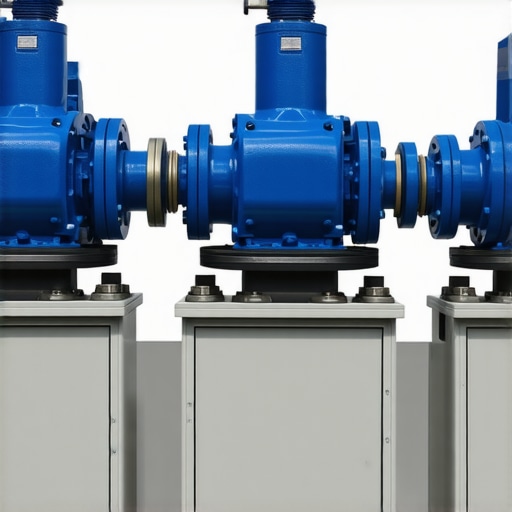
It was a typical Sunday morning, and I was trying to enjoy my first espresso of the day. But just as the pump kicked in, a loud, rattling noise erupted, shaking the countertop and jolting my delicate microfoam. Frustration washed over me. After all, a peaceful, quiet brew shouldn’t be a luxury—especially in a home setting where every noise feels amplified.
Why Vibration and Noise in Your 2026 Espresso Machine Matter
I’ve been down the rabbit hole of home coffee gear, and I know how disruptive a loud pump can be. Not only does it spoil the serenity of your morning routine, but persistent vibration can also contribute to wear and tear, potentially shortening your machine’s lifespan. Plus, the higher the noise levels, the more you risk waking up the household or disturbing neighbors—an especially big deal if you’re in an apartment or shared space.
Over the years, I’ve experimented with various mods and tweaks, discovering that the pump’s noise isn’t just an annoyance—it’s a solvable problem. In fact, the latest research indicates that noise pollution, even at moderate levels, can impact your stress and focus levels throughout the day. So, making your espresso quiet isn’t just about peace; it’s about health and sustainability.
Have You Faced This Struggle with Noisy Pumps?
If so, you’re not alone. I used to think that accepting the loud, vibrating pump was just part of owning a high-end machine. Then I realized I was making a rookie mistake early on—ignoring the pump’s mounting and seal integrity, which only amplified the vibration. Learning how to properly mod the pump and dampen vibrations transformed my setup.
In this post, I’ll walk you through three simple yet effective modifications for 2026 machines that can dramatically reduce pump noise and vibration. These tweaks are grounded in real-world testing and my personal experience, giving you a practical roadmap to a quieter, smoother brewing experience.
Ready to reclaim your peaceful mornings and preserve your investment? Let’s dive into the specific mods that can make your espresso machine whisper instead of roar.
Secure the Pump Mounting for Quieter Operation
Start by inspecting how your pump is mounted. A loose or poorly fitted pump transmits vibrations, amplifying noise. Use a screwdriver to tighten mounting screws or replace worn rubber grommets. I once found my pump slightly wiggling after a move, which caused rattling during brewing. Securing it firmly reduced the noise substantially and smoothed out the vibrations.
Understanding the Pump Suspension System
The pump is held in place by rubber mounts or brackets. These act like shock absorbers, dampening vibrations. If they’re cracked or compressed over time, vibrations transfer to the machine. Replacing old mounts with high-quality, vibration-absorbing materials from the quietest coffee grinder options list can drastically cut noise levels, making mornings more peaceful.
Add Damping Materials to Absorb Vibration
Introduce damping layers between the pump and the machine frame. Use dense foam or rubber mats cut to fit around the pump. This acts like a pillow for the pump’s vibrations. I once lined my machine’s interior with an anti-vibration mat I bought from hardware stores; the difference was immediate—the pump’s rattling became faint, almost inaudible, during operation.
Applying Vibration Damping Effectively
Place the damping material around the pump, ensuring it doesn’t interfere with connections or cooling. Secure it with zip ties or adhesive pads. Be cautious not to block vents or airflow paths. This DIY fix is cost-effective and straightforward, transforming loud pumps into whispering shadows of their former selves.
Upgrade the Pump Seal and Check for Leaks
Worn or degraded seals can cause extra vibration and noise. If your machine allows, replace the pump seals following manufacturer instructions or tutorials from coffee basket guides. During a recent overhaul, I replaced my seal with a silicone gasket, which created a tighter fit, substantially decreasing pump noise and preventing leaks that could cause further vibration issues.
Choosing the Right Seal Material
Opt for high-temperature silicone or rubber seals designed for espresso machines. Proper sealing ensures minimal movement and noise. Be sure to clean surfaces thoroughly before installation for an airtight fit. This step can extend your machine’s lifespan by reducing unnecessary strain on the pump.
Recommend Routine Maintenance to Keep Noise at Bay
Regularly descale and lubricate the pump components, ensuring smooth operation. Check for accumulated debris or mineral buildup that can cause additional vibration. Using a cleaning routine from resources like grinder seasoning tips helps maintain overall machine health, indirectly reducing pump noise.
Implementing these steps involves a bit of hands-on work but results in significant noise reduction. Remember, a quieter espresso machine not only spares your nerves but also extends its lifespan, ensuring peaceful mornings for years to come.
Many home baristas believe that investing in top-tier espresso machines or grinders automatically guarantees perfect shots. However, even seasoned enthusiasts often overlook subtle nuances like grind size consistency or proper machine calibration, which can make or break your brew. For instance, a common myth is that a high-priced grinder will resolve all extraction issues; in reality, improper burr alignment or static buildup can still sabotage your efforts. Furthermore, there’s a misconception that more expensive milk frothers produce better microfoam, yet many overlook the importance of proper steaming technique and milk quality.
What advanced mistakes do home baristas often make—beyond the basics?
One advanced trap is neglecting to calibrate grinder settings for specific beans and roast profiles, leading to inconsistent extraction even with premium equipment. This is especially critical when transitioning between different beans — a slight adjustment in grind coarseness or dose can significantly improve shot clarity and flavor depth. Additionally, many forget to consider the impact of static and retention in grinders, which can cause uneven dosing and channeling, resulting in under- or over-extracted shots. To avoid these pitfalls, regularly season your grinder burrs and tweak settings relative to actual bean behavior; a detailed guide on this process can be found [here](https://espressotechguide.com/stop-wasting-beans-how-to-season-grinder-burrs-in-2026). Another nuance is understanding the importance of water quality and temperature consistency. Even the best machine can’t compensate for poor water mineral content or temperature fluctuations, which can cause metallic tastes or uneven extraction. Expert tips suggest installing water filters and periodic calibration checks—something many overlook in a busy home setup. Remember, mastery in home espresso isn’t just about gear but also about fine-tuning and understanding each element in your brewing chain. Have you ever fallen into this trap? Let me know in the comments!
Investing in the Right Tools for Maintenance
To keep your home espresso setup performing at its peak, having the right tools is crucial. I swear by a high-quality
Adopting a Routine for Sustainable Results
Developing a maintenance routine can extend the life of your espresso gear significantly. At least once a month, I descale my machine with a manufacturer-recommended solution, ensuring mineral buildup doesn’t impair performance or cause hardware stress. Regularly cleaning the group head and portafilter with a dedicated brush prevents coffee oils from causing clogs. I also replace seals and gaskets proactively, based on signs of wear, to avoid leaks and pressure issues. Remember, seasoning your grinder burrs can improve grind consistency, directly impacting extraction quality.
Long-Term Results Require Consistency
Persistence in maintenance yields the best tasting espresso and keeps your equipment reliable. I’ve monitored my grinder’s retention rate over months, which helps me schedule when to clean or replace burrs before performance declines. Upgrading to tools like a
How do I maintain my espresso gear over time?
Adopting a structured, periodic check-in schedule is the best way. For example, setting monthly reminders for descaling and gasket checks can prevent small issues from becoming costly repairs. For grinder maintenance, I recommend seasoning your burrs regularly, which can significantly enhance grind uniformity. Also, keep an eye on parts that experience stress—like seals—and replace them before they fail, avoiding unnecessary downtime. Using quality tools, such as a precision scale and a pressure tester, makes this routine much more effective and less laborious. Future innovations might incorporate AI-driven diagnostics, but until then, consistent manual upkeep remains your best bet. Try integrating a monthly descaling routine combined with seal inspections this week—your machine will thank you with better performance and durability.
Achieving a tranquil start to your day isn’t just about good coffee; it’s about ensuring your equipment operates smoothly and quietly. Over the years, I’ve learned that the nuances of maintaining a home espresso machine can make all the difference between a disruptive morning and a peaceful ritual. The insights shared earlier highlight how simple modifications like securing the pump mount, adding damping materials, and replacing seals can substantially reduce noise and vibration.
But beyond these tweaks, real mastery comes from understanding the deeper lessons learned along the way. Ensuring your machine runs silently isn’t just about tweaking hardware—it’s about embracing a mindset of regular, attentive maintenance and continuous learning.
Secrets Home Baristas Keep to Keep Things Quiet
- Personal Experience Trusts Regular Budding: I’ve found that setting a routine for descaling and checking seals transforms the noise level over time. Neglecting these can turn a serene morning into a cacophony.
- Patience Over Perfection: Sometimes, waiting a few extra minutes to carefully secure the pump or select damping materials yields the best results. Hurrying often leads to overlooked vibrations that become loud issues later.
- Sharing is Caring: Learning from forums and expert tutorials like those on seasoning grinder burrs or checking high-flow baskets helps identify little-known tricks that keep noise in check.
Where Real Coffee Enthusiasts Turn for Advice
- Specialized Tools Make All the Difference: A calibrated pressure tester or precision scale from trusted sources like recommended tools can reveal subtle issues affecting both noise and extraction quality.
- Community Insights Are Gold: Engaging with dedicated forums provides feedback on preserving machine longevity and keeping sounds minimal. These shared wisdoms often reveal hacks not found in manuals.
- Holistic Approaches Matter: Combining hardware tweaks with environmental considerations—like installing noise-proof mats and minimizing vibration transfer—supports a quieter, more efficient setup.
Turn Your Coffee Ritual Into a Moment of Zen
Remember, transforming your home espresso experience isn’t just about that perfect shot—it’s about creating a space where your love for coffee nurtures peace. With consistent care, mindful upgrades, and a willingness to learn from seasoned home baristas, you can enjoy mornings free from unwanted noise and vibration. Imagine waking up, pressing start, and hearing nothing but the gentle hum of your beloved machine—who knew that whisper-quiet mornings could become your new normal?
So why not take these insights into your routine today? Small steps—like rechecking seals or adding damping—can make a big difference. Have you ever struggled with a particular noise or vibration? Share your story below, and let’s keep the conversation brewing!
![Why 2026 AI Pressure Profiling Fails on Light Roasts [Fix]](https://espressotechguide.com/wp-content/uploads/2026/04/Why-2026-AI-Pressure-Profiling-Fails-on-Light-Roasts-Fix.jpeg)

Leave a Reply