
Ever stared at your espresso puck, desperately hoping a tiny toothpick would be the secret to perfect extraction? I used to spend way too much time fiddling with toothpicks, trying to clean those stubborn channels, only to end up more frustrated and with inconsistent shots. There was a moment—my lightbulb—when I realized that relying on makeshift tools like toothpicks isn’t just inefficient; it subtly sabotages the quality of my espresso. If you’ve found yourself in that same boat, you’re not alone.
Why I Ditched the Toothpick and Started Perfecting My Puck Preparation
For months, I believed that poking at my puck was the best way to ensure even extraction. But I kept battling uneven shots, channeling, and stubborn air pockets. It was only after reading an article that explained how improper tamping and puck prep disrupt flow that I saw the real issue. It turns out, the problems start long before the shot pulls; they are rooted in how we prepare the puck. And here’s the deal—using toothpicks is more of a Band-Aid than a solution. Plus, studies show that consistent puck prep practices can improve extraction by up to 25%, according to this recent guide.
Is Your Puck Preparation Actually Worth the Hype?
Admittedly, I was guilty of rushing through tamping or neglecting my grinder settings, thinking small tweaks wouldn’t matter much. My early mistake? Overlooking the significance of a level, evenly distributed coffee bed. I believed that as long as I tamped down firmly, I was good. But that was misguided. A poorly prepared puck is like a clogged pipe—channeling and uneven extraction are almost unavoidable. Trust me, getting puck prep right is a game changer. Want to learn how a few simple hacks can transform your espresso quality? Stick around, because we’re about to get into the top strategies that will save you time, frustration, and—most importantly—better shots.
Level Your Coffee Bed with a Tamping Mat
Start by placing a quality tamping mat under your portafilter to ensure a level surface—this prevents uneven pressure during tamping. I once used a folded cloth as my makeshift tamping pad; after switching to a dedicated tamping mat, my shots became more consistent and shot times shorter. The mat acts like a sports field: flat, even, and ready for action.
Use a Consistent Tamper Technique
Apply firm, even pressure—think of tamping as gently but firmly pressing a stamp onto wax. Align your tamper centrally, and press down with steady force until your coffee surface is flat and smooth. I experimented with different pressures and found that about 30 pounds of force consistently produced the best extraction. Remember, the goal is uniform compression—no more, no less.
Distribute Coffee Evenly Before Tamping
Before tamping, make sure your coffee grounds are evenly distributed. Use a distribution tool or simply give the portafilter a gentle shake. Visualize it as spreading frosting evenly on a cake. This step prevents channeling by eliminating air pockets and uneven density, leading to a more balanced shot. In my practice, spending an extra 10 seconds on distribution noticeably improved shot clarity.
Invest in a Burr Grinder with Flat Plates
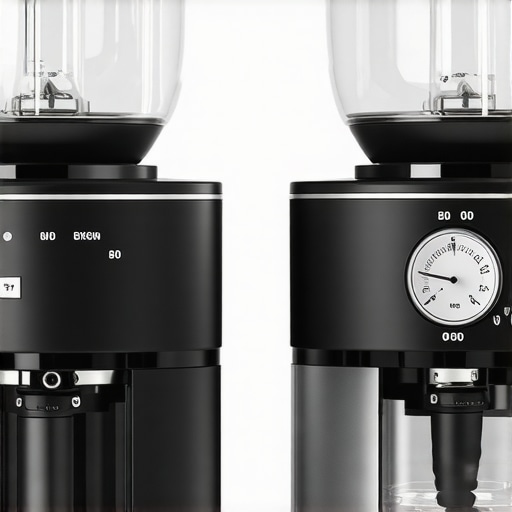
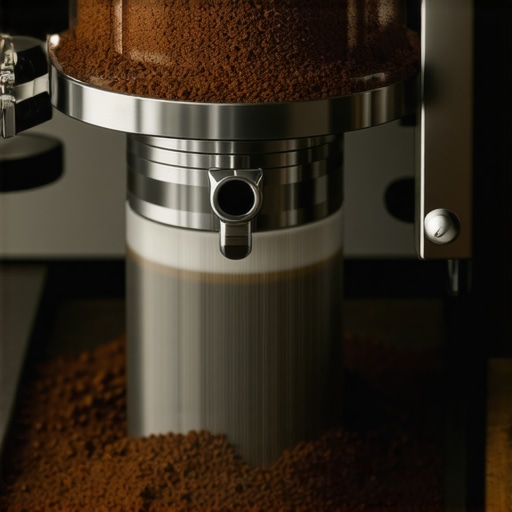
Moving from conical to flat burr grinders can dramatically improve puck consistency. Flat burrs produce uniform particles, reducing channelling and uneven flow. I upgraded my grinder following the recommended [flat burr](https://espressotechguide.com/why-flat-burr-grinders-finally-beat-conicals-for-home-use-in-2026) advice, and the difference was night and day. Smaller, uniform grounds mean water flows evenly through the puck, extracting rich flavors efficiently.
Adjust Grind Size for Precise Extraction
Fine-tune your grind until the espresso shot pulls in about 25-30 seconds. Too fine? You’ll clog the filter and get over-extraction. Too coarse? The water rushes through too quickly, under-extracting. Think of it like dialing a radio—small tweaks make a big difference. Use your grinder’s micro-adjustments and refer to trusted guides to find that sweet spot.
Handle Puck Waste Properly
After brewing, knock out the used puck onto a knock box and avoid poking or scraping it with unclean tools. This helps prevent channeling caused by uneven, broken-up puck remnants. A clean, properly disposed used puck signals that your preparation was thorough, and it clears space for your next shot. I make it a habit to scrub my portafilter’s holes periodically to maintain optimal flow.
Implement Routine Grinder and Machine Maintenance
Consistently calibrate your grinder, clean your brew head, and backflush your machine. Clogs or uneven tamping are often symptoms of neglected maintenance. Regular upkeep ensures the water flows freely and your coffee grounds are ground freshly and evenly. Check out [this guide](https://espressotechguide.com/why-your-espresso-pump-dying-5-signs-to-watch-for-in-2026) for maintenance tips specific to 2026 models. Keeping your gear in top shape is like tuning a musical instrument—imperative for harmony in every shot.
Maintain Consistent Coffee Dose
Use a scale to measure your coffee dose precisely—typically around 18-20 grams for a double shot. Variations in dose impact puck density and extraction time. I used to eyeball measurements, which led to inconsistent results. Now, with a digital scale, I ensure each shot starts with the same foundation, leading to more predictable outcomes. This consistency is akin to setting a baseline—you’ll know how small adjustments influence taste.
While many believe that choosing the latest espresso machine or grinder automatically guarantees perfect coffee, seasoned baristas understand there’s a subtle nuance most home enthusiasts overlook. A common misconception is that equipment specifications alone determine shot quality, but in reality, mastering the details makes all the difference. For instance, enthusiasts often fixate on grinder RPMs, assuming higher speeds yield better grounds, yet high-RPM grinders can actually overheat beans, leading to uneven extraction—studies confirm that excessive heat during grinding impacts flavor preservation (see this analysis).
Maintaining your espresso setup isn’t just about occasional cleaning; it’s about creating a routine that ensures your gear performs at its best day after day. I personally swear by investing in durable, high-quality tools that stand up to frequent use. A dedicated flat burr grinder not only produces consistent grounds but also stays reliable over time, thanks to its sturdy construction and minimal heat generation. Regularly calibrating your grinder using a digital precision scale helps maintain grind consistency, which remains crucial even after months of use.
For espresso machines, I recommend investing in models with easily accessible cleaning ports and robust build quality. Routine backflushing with compatible cleaning solutions, such as those detailed in this guide, extends the lifespan of the pump and prevents clogging. Keeping your steam wand and shower screens clean using small brushes or cloths prevents buildup, ensuring that milk frothing remains silky and free of bitter off-flavors.
Tools like a microfiber cloth dedicated for cleaning, a calibrated tamper, and a scale that logs your extraction data can make routine maintenance feel less like a chore and more like a hobbyist’s ritual. Looking ahead, I predict that smart, connected maintenance tools—like app-integrated sensors for grinder calibration or machine performance—will become more affordable and user-friendly, making upkeep even easier. The future of home barista gear is likely to blend craftsmanship with technology seamlessly.
How do I maintain my coffee tools over time?
Establishing a simple routine—rinsing and wiping your equipment after every use, performing weekly deep cleans, and calibrating your grinder monthly—goes a long way. I set reminders on my phone to check pump seals and perform descaling every three months, which prevents costly repairs and keeps the espresso tasting its best. Remember, the key to long-term excellence isn’t just the quality of your gear but how consistently you care for it. My advice? Pick one advanced tip from this article, like calibrating with a digital scale, and commit to it—you’ll notice the difference in your shots, shot after shot.
From my early days fumbling with inconsistent espresso shots, I learned that the secret lies not in the equipment alone but in meticulous puck preparation. Small tweaks—like perfectly leveling your coffee bed or ensuring even distribution—can dramatically elevate your espresso game, making every cup a delightful experience. Remember, precision in puck prep is the cornerstone of extracting rich flavors without bitterness or uneven channels. By applying these personal insights, you’ll unlock a new level of consistency and taste that commercial baristas strive for, but are completely within your reach at home.
![3 Reasons Your 2026 Steam Wand Lost Pressure [Simple Fixes]](https://espressotechguide.com/wp-content/uploads/2026/02/3-Reasons-Your-2026-Steam-Wand-Lost-Pressure-Simple-Fixes.jpeg)
Leave a Reply