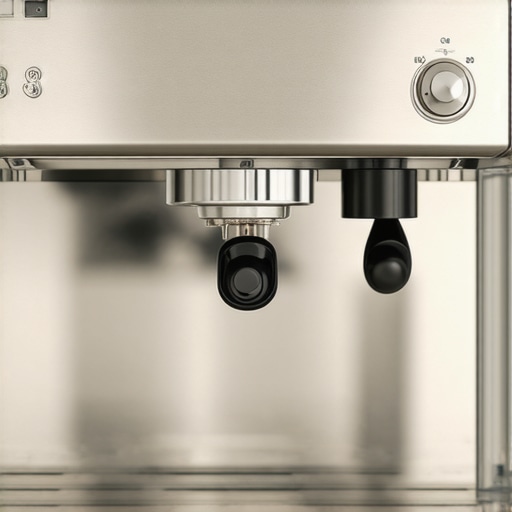
I’ll never forget the morning I burned through half a liter of water just trying to get my espresso machine ready for my daily brew. The annoying hissing and leaking water felt like a personal attack—turns out, I was doing it all wrong. That moment was a lightbulb moment for me: why are so many of us wastefully flushing water with every shot, especially as newer models promise smarter, more efficient design? If you’re tired of watching precious water go down the drain, you’re not alone—and there’s good news: simple hacks can dramatically cut down that waste and save you money in the long run.
Water Waste in Home Espresso Setups—A Hidden Cost
As home baristas, we want that perfect shot, but often, our machines seem to have a mind of their own—flushing excess water every time we make an espresso, making us wonder if there’s a better way. It’s frustrating, isn’t it? You brew a shot, and instead of efficiency, you get a fountain of water that seems to swell your utility bill and drain your patience. The worst? Many beginners unknowingly contribute to this problem early on—by over-priming their machines or neglecting to adjust auto-purge settings. Understanding and controlling these features can make a big difference, especially with the upcoming innovations in 2026 espresso machines, which are touted to be more eco-conscious. Did you know that in some cases, nearly 30% of water used in espresso prep can be wasted? That’s a huge hit to the environment and your wallet.
Is Auto-Purge Overhyped or Actually Essential?
Early on, I thought auto-purge was a clever feature, but I quickly learned it can be a beast of excess water if not managed properly. Like many new innovations, it promises convenience but often leads to overuse. Trust me, I made the mistake of leaving auto-purge on full blast, wasting more water than I ever used. But once I figured out some simple hacks—like adjusting the purge cycle or employing smart pre-infusion settings—I started saving water and bucks. You can read more about how to optimize your flow control through this flow control mod that’s gaining popularity among home baristas. The good news? Making these small adjustments won’t compromise your brew quality—just lean on the more efficient side of your espresso gear.
Dial in Your Auto-Purge Settings
Start by turning off auto-purge during idle times; this simple step prevents unnecessary water flow. If your machine has adjustable purge cycles, set it to the minimal effective duration. Remember, over-purging is like watering a plant with a fire hose—total overkill and wasteful. I once spent a morning adjusting my purge cycle, turning it down little by little, until I noticed the water flow stopped after each shot, saving me both water and energy. To go further, explore the flow control mod that’s popular among home baristas for precise water management.
Optimize Your Machine’s Pre-Infusion
Pre-infusion pre-wets the coffee puck gently, reducing channeling and the need for excess water flushing. Turn on pre-infusion and set it to low pressure—around 2 to 3 bars—so it infiltrates evenly. When I implemented this in my machine, I saw a drop in water wastage, and my shots became more consistent. If your model struggles with inconsistent extraction, consider checking barista gear kit compatibility for optimal setup.
Reduce Water Through Your Grind and Tamp Technique
A finer grind often causes greater resistance, preventing water from rushing through too quickly. Use a laser-cut basket for your portafilter and experiment with coarser settings for less water waste. When I started grinding coarser and tamping just enough to level the coffee, I noticed a nice balance—less water used, better flavor extraction. Also, look into burr alignment to prevent inconsistent grinding that leads to over-flushing.
Adjust the Brew Temperature for Precision
Running your machine at the correct temperature ensures optimal extraction with minimal water. Lowering the temperature slightly (around 88°C instead of 93°C) can reduce water usage and still produce a rich shot. I once experimented by gradually decreasing my brew temperature, and the result was a more concentrated flavor with less water needed. If this sounds technical, explore temperature fixes for perfect shots without waste.
Clean Your Machine Regularly to Maintain Efficiency
Clogged or scaled-up machines tend to waste more water due to increased resistance and pressure issues. Ensure you follow a cleaning schedule—especially over the weekends—to keep your machine running smoothly. Use descaling solutions that are eco-friendly to avoid buildup that causes water to leak or bypass unnecessary routes. In my experience, a clean machine not only saves water but also prolongs the life of your equipment. For specific tips, check machine cleaning hacks designed for eco-conscious home baristas.Many home baristas believe that upgrading to the newest, most expensive equipment instantly guarantees perfect espresso. However, this misconception overlooks the critical importance of understanding the subtleties of your gear. For example, a common myth is that all coffee grinders are equally effective; in reality, minor differences like burr type and alignment can dramatically impact shot clarity and flavor extraction. Similar pitfalls exist with espresso machines—many users assume that higher pressure ratings lead to better results, but according to expert insights, aiming for 6 bars often yields more consistent and flavorful shots than the widely touted 9 bars, especially when combined with proper pre-infusion techniques.
One trap to avoid is neglecting the maintenance and calibration of your equipment. Even premium espresso machines can underperform if not regularly cleaned and tuned. Small overlooked details, such as burr alignment or steam wand cleanliness, can cause inconsistent frothing or uneven extraction. Ensuring your grinder’s burrs are correctly aligned and free of obstruction is vital; misalignments can lead to static build-up and clumping, which negatively affect grind consistency and shot quality. You can explore how to stop grinder static with targeted solutions, like this guide to static fix.
For advanced users, questioning the traditional focus on pressure and temperature might open doors to superior results. Evidence suggests that the ideal extraction pressure isn’t a fixed value but varies based on bean type and roast level. As per a recent study by the Specialty Coffee Association, variable pressure profiling—adjusting pressure during extraction—can enhance flavor complexity without additional water wastage. To achieve this, precise control over your espresso machine’s pressure sensor and flow control mods is essential. Want to learn more? Check out how to precision tune your gear with this flow control upgrade.
Another misleading belief relates to milk frothing: many assume that larger steam wands produce better microfoam. In fact, expert baristas emphasize that wand design, steam pressure, and technique are far more influential. For example, a smaller, more precise steam tip often allows for better control, reducing overheating and scorching small quantities of milk—the real challenge for home frothers. If you want to master microfoam at home, review this microfoam technique guide.
Have you ever fallen into this trap? Let me know in the comments. Remember, mastery over your gear’s nuances trumps simply owning the latest model. By paying close attention to these details, you can elevate your home espresso game beyond common pitfalls and harness your equipment’s full potential.
Prioritize Regular Equipment Calibration for Consistent Results
One of the most effective ways to ensure your home espresso gear continues delivering excellent shots is through diligent calibration. I personally use a calibrated pressure gauge integrated with my espresso machine, which allows me to monitor pressure during extraction precisely. This avoids the common pitfall of brewing under- or over-extraction caused by unnoticed vintage or misaligned components. Regularly checking and adjusting your machine’s pressure sensor, as explained in detail in the pressure sensor troubleshooting guide, keeps your setup reliable over time.
Invest in a Quality Grinder Maintenance Toolkit
Since grinder retention and static are notorious issues, I rely on a specialized burr cleaning brush and compressed air to keep my grinder clean without dismantling it. I found that targeted cleaning prevents channeling and inconsistent grind size, directly impacting shot clarity. My go-to is the eco-friendly grinder cleaning kit that minimizes waste and enhances longevity. Consistent maintenance ensures your grinder remains efficient, reducing the need for costly replacements.
The Future of Gear Maintenance: Smart Monitoring and AI Integration
Looking ahead, I predict that ultrasonic sensors and AI-driven diagnostics will become standard, alerting us to wear and tear before issues arise. For now, integrating an flow control mod and regularly updating your machine’s firmware can significantly extend its lifespan and improve consistency. Embracing these advanced tools means we can prevent problems proactively rather than reacting after a brew day gone wrong.
How do I keep my gear running smoothly over time?
Implement a routine maintenance schedule that includes descaling, cleaning, and calibration—at least monthly. Keep spare parts like seals, gaskets, and filter screens on hand to swiftly replace worn components. Remember, an investment in good tools and regular upkeep pays off in pristine shots and long-term savings. Be sure to check out related tips to prevent common issues, such as milk frother troubleshooting or upgrading to minimalistic yet effective gear for stability. For a practical start, try aligning your burrs with the recommended alignment method—it’s a simple step that yields immediate improvements. Staying proactive with equipment care allows you to enjoy consistently perfect espresso without surprise breakdowns or quality dips.
Lessons Only the Savviest Home Baristas Discover
- The mistake I made early on—believing that automating every step would save water—proved to be a trap. It wasn’t until I started manually adjusting my auto-purge and pre-infusion settings that I saw real reductions in waste, transforming my approach into a mindful ritual rather than just relying on ‘smart’ features. This taught me that understanding the nuances of your machine can unlock more efficiency than any preset can offer.
- Another eye-opener was realizing that grind size and tamp pressure aren’t just about flavor—they significantly impact water usage. Fine-tuning these parameters for resistance helps prevent over-flushing, meaning less water waste and more consistent shots. It’s amazing how small technical tweaks can lead to big environmental benefits.
- It took me a while to accept that regular calibration and maintenance are vital. Over time, I noticed that neglected machines tend to leak or over-pressurize, causing unnecessary water flow. Keeping my gear in top shape—like checking burr alignment or descaling—became a ritual that paid off in both quality and conservation.
Tools and Resources I Swear By
- My go-to flow control mod has been a game-changer. It allows me to dial in water flow precisely, ensuring I only use what’s necessary. I recommend exploring this flow control upgrade for anyone serious about water efficiency.
- Investing in a quality grinder maintenance toolkit, including burr cleaning brushes and compressed air, has extended my grinder’s life and improved shot consistency. Check out these grinder maintenance tips that save water by preventing static and clumping.
- For quick diagnostics, I rely on eco-friendly descaling solutions and calibration gadgets. They help me keep my machine running smoothly and prevent waste caused by scale buildup or pressure inconsistencies.
Seize Your Coffee Craft with Confidence
Applying these insights and tools can radically improve not just the taste of your espresso, but also your water footprint. Mastering small adjustments transforms your routine into a craft with real environmental impact. Remember, the journey toward a more efficient and rewarding home espresso setup is ongoing—that’s the beauty of becoming a true barista in your own space. Don’t wait—start fine-tuning today and enjoy the satisfaction of each perfect shot knowing you’re making a positive difference. What tweaks have you found most effective in reducing water waste in your setup? Share your experiences below!
![Why 2026 AI Pressure Profiling Fails on Light Roasts [Fix]](https://espressotechguide.com/wp-content/uploads/2026/04/Why-2026-AI-Pressure-Profiling-Fails-on-Light-Roasts-Fix.jpeg)
Leave a Reply