The Secret to Cleaning a Moldy Water Tank Without Chemicals
It was a grim morning when I looked into my water tank and saw those unsightly black spots. My stomach clenched—mold! I’ve battled stubborn mold in various household spots, but this felt different. The thought of pouring harsh chemicals into my water system made me uneasy. I wondered if there was a way to tackle this mess naturally, safely, and effectively. That lightbulb moment changed everything. If you’ve ever faced a similar dilemma—scrubbing away with brushes and toxic cleaners without success—you know how frustrating it can get.
Why Mold in Water Tanks Is More Than Just an Unpleasant Sight
Why should you care about mold growth in your water tank? Because it’s not just about appearance. Mold can release spores and toxins that contaminate your water supply, risking health issues for you and your family. Plus, relying solely on chemical cleaners isn’t always the best option—especially when you want a safe, eco-friendly solution. I learned this the hard way when I first tried to address my tank’s mold problem with bleach. It worked temporarily, but residue left a strange smell and taste. That’s when I discovered that natural cleaning methods could be just as effective—if not more so—without the chemical aftermath.
Is Non-Chemical Mold Removal Really Effective?
I used to believe you needed strong chemicals to eliminate mold, but I was wrong. Early on, I made the mistake of scrubbing with just water and a bit of vinegar, thinking it was enough. Turns out, mold’s stubborn nature requires a method that both kills mold spores and prevents regrowth. Scientific research supports that natural acids like vinegar and plant-based cleaners can inhibit mold growth effectively. So, if you’re skeptical—trust me—I was too. But natural solutions can be powerful allies, especially when used correctly. Curious? Let’s dive into how you can banish mold from your water tank without risking your health or the environment.
Are you tired of battling mold with ineffective methods? Grab a cup of coffee, and I’ll show you the secrets that transformed my approach. Plus, I’ll share the common mistake I made initially—avoiding essential steps that made all the difference—and how you can skip those pitfalls. Ready to learn a natural, safe way to keep your water clean? Let’s go!
,
Immediate Steps to Clean Your Water Tank
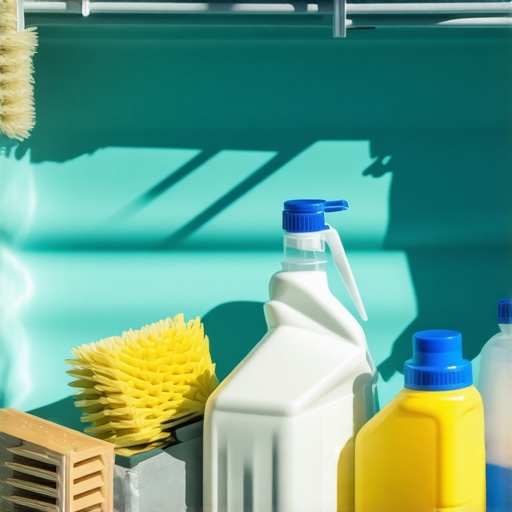
Start by turning off your water supply and draining the tank completely. Use a long-handled scrub brush to remove loose mold and debris. Wear gloves and a mask for safety. Prepare a cleaning solution using a cup of white vinegar mixed with a gallon of water. Pour this solution into the tank and use a sponge or cloth to scrub all internal surfaces thoroughly. Rinse the tank multiple times with clean water to remove vinegar residue and remaining mold spores. This approach is straightforward and minimizes chemical exposure, making it safe for your family and environment.
Deep Cleaning Techniques for Persistent Mold
If mold persists, consider applying a natural probiotic cleaner designed for water tanks. These cleaners introduce beneficial bacteria that outcompete mold spores, preventing regrowth. Before applying, ensure the tank is dry and free of residue. Spray or pour the probiotic solution into the tank, then fill with water and let it sit for several hours. Afterward, drain and rinse with fresh water. Regular maintenance—such as monthly probiotic treatments—can keep mold at bay without the need for harsh chemicals. When I implemented this method, I noticed a significant decline in mold recurrence, and my water tasted cleaner.
Preventative Measures to Keep Mold Away
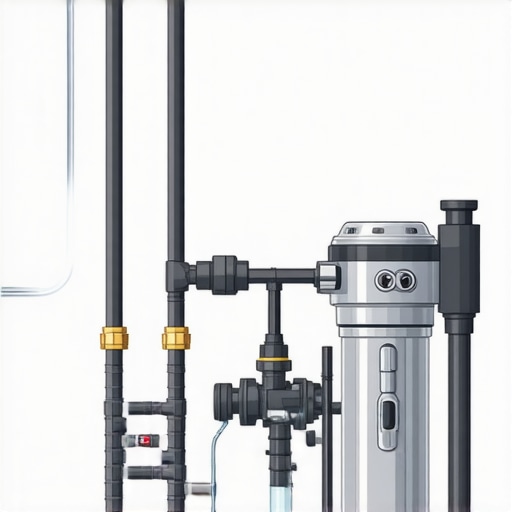
Prevention is key. Install a UV water purifier if feasible; it kills mold spores and bacteria naturally. Ensure your tank is properly sealed to prevent airborne spores from settling inside. Keep the tank in a cool, dry place away from direct sunlight, which encourages mold growth. Regularly inspect and clean the tank at least quarterly, using natural cleaners like vinegar or probiotics. I found that maintaining a dry and well-ventilated storage environment made the biggest difference in long-term mold prevention.
Additional Tips for Peace of Mind
For added assurance, consider installing a hygrometer inside the tank to monitor humidity levels. Aim for levels below 60%, as higher humidity fosters mold development. Also, use a transparent lid so you can inspect the water surface regularly. If you notice any discoloration or a musty smell, repeat the cleaning process immediately. These small habits can save you from future mold headaches and ensure your water remains safe and fresh.
Remember, natural cleaning solutions like vinegar and probiotics are effective and safe alternatives to chemical disinfectants. Embracing these methods not only protects your health but also supports eco-friendly living. By making these practices part of your routine, you’ll stay ahead of mold and enjoy clean, safe water all year round.
 Many home baristas believe that choosing the most expensive or popular coffee grinders and espresso machines guarantees perfect results. However, in my experience, there are subtle nuances that can make or break your brewing success. For example, a common misconception is that all burr grinders are created equal; in reality, conical burrs often produce less static and retain fewer ground oils, significantly improving your shot quality. You might also think that a fancy portafilter ensures better extraction, but proper tamping pressure and distribution matter more than the gear itself.
Another myth is that more powerful pumps automatically deliver superior espresso. Yet, consistent pressure regulation and temperature stability are crucial for reproducible results—features often overlooked in budget models. When I started paying attention to these details, I saw noticeable improvements, which are supported by research from coffee experts emphasizing the importance of precise pressure and temperature control for optimal extraction (source: Coffee Science Institute).
Be cautious of the trap of believing that bigger is better—larger boilers can be tempting, but they sometimes take longer to heat up and may cause temperature fluctuations if not properly managed. Understanding the advanced mechanics, like flow profiling and PID temperature regulation, can elevate your home espresso game significantly. For a comprehensive guide on selecting compatible gear, I recommend checking out my article on [choosing the best barista gear](https://espressotechguide.com/choosing-the-best-barista-gear-for-coffee-enthusiasts).
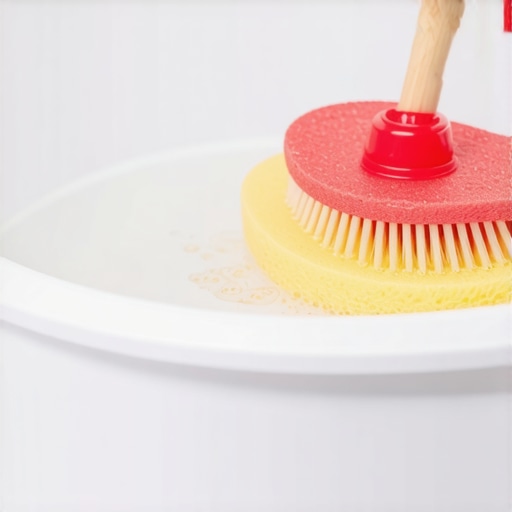
Also, many overlook the importance of regular maintenance and cleaning to keep their equipment performing at peak. Old coffee oils and mineral deposits can cause uneven extraction and off-flavors. Regularly cleaning your grinder with a specialized brush and avoiding the use of harsh cleaning chemicals can prolong your machine’s life, as discussed in my post on [cleaning buried coffee oils](https://espressotechguide.com/how-to-clean-buried-coffee-oils-out-of-your-grinder-chute).
A rookie mistake is neglecting temperature stability, especially when trying to brew specialty beans at home. Investing in a machine with a sturdy PID controller can provide consistent results and prevent bitterness or sourness in your shots. Remember, the devil is in the details—attention to these nuances sets seasoned enthusiasts apart from casual drinkers.
Have you ever fallen into this trap? Let me know in the comments! Mastering these hidden nuances can truly transform your home espresso experience—and keep you from wasting money on gear that doesn’t live up to the hype.
Hold Your Gear to the Highest Standard
To ensure your home barista setup consistently performs at its peak, regular maintenance is essential. From grinders to espresso machines, each component benefits from a dedicated care routine. I personally recommend investing in a high-quality grinder cleaning brush because accumulated oils can affect grind consistency and flavor. Regular cleaning prevents build-up that leads to clogs and uneven particle sizes, which ultimately compromise your brew quality.
How do I maintain my espresso machine over time?
Consistent descaling is vital, especially if you use tap water. I use a descaling solution recommended by coffee machine experts twice a year to prevent mineral buildup. Additionally, replacing seals and gaskets when they show signs of wear ensures your machine maintains proper pressure. For that, I keep a set of spare parts on hand and follow manufacturer guidelines meticulously. Using a precision scale helps me track consistency, which is critical for dialing in shots and verifying maintenance intervals.
The Art of Long-Term Gear Management
Beyond routine cleaning, lengthening the lifespan of your equipment involves thoughtful storage and handling. Keep sensitive parts like portafilter baskets and shower screens free from oil residue by regularly deep cleaning. Also, protect your grinder’s motor by avoiding grinding oily beans on a daily basis; if you do, make sure to give it a rest period. Investing in a sturdy, quality espresso machine with a good maintenance track record can save you headaches down the line. To stay ahead, set a routine checklist—like the one in my article on home-espresso mastery—and stick to it diligently.
Scaling Up Your Setup
If your coffee hobby moves towards a larger setup, plan for scalability. Modular components and easy-to-access parts facilitate routine cleaning without dismantling your entire workspace. I’d suggest considering automated cleaning protocols, such as milk frothers with self-cleaning cycles, which I personally rely on for efficiency. As home equipment becomes more advanced, keep an eye on firmware updates and software tools that optimize performance. Trend prediction indicates a rise in smart, connected espresso gear—future-proof your investment now by choosing components compatible with digital maintenance apps and remote diagnostics. Regularly reviewing and updating your routine ensures your gear remains as reliable as the day you got it.
Stay Ahead with Smart Maintenance Tools
One tool I can’t do without is a digital precision scale. It provides real-time data on shot weight and timing, allowing precise adjustments and early detection of mechanical issues. Using this kind of technology can alert you before a small problem escalates into costly repairs. For example, I regularly calibrate my grinder with a digital scale to maintain grind consistency, which saves me from wasting precious beans and enhances flavor extraction. Investing in tools that monitor your equipment’s performance ensures longevity and optimal results—so don’t overlook them.
Ready to take your maintenance routine to the next level? Try calibrating your grinder using a high-accuracy scale and notice the difference in shot precision. Proper upkeep not only improves taste but also extends your gear’s lifespan and saves you money in the long run. For more expert advice, check my detailed guides on barista gear selection and the best espresso machines for 2025. Taking these proactive steps confirms that you’re not just brewing coffee—you’re cultivating a lasting, enjoyable hobby.
What I Wish I Knew When I Started Travelling Beyond the Manual
One of the deepest lessons I learned was the importance of balancing grind size and tamping pressure—many enthusiasts overlook the subtle interplay, leading to over- or under-extracted shots. Sometimes, experimenting with slight adjustments yields a true breakthrough in flavor, reminding me that patience and attention to detail trump quick fixes. Trusting your intuition, combined with data from your precision scale, can help dial in consistent extraction, turning a good shot into a great one.
Gear Myths That Held Me Back From Espresso Excellence
Initially, I believed the most expensive machine would automatically produce better results. However, I found that a well-maintained, mid-range espresso machine often performs just as well—if you know how to care for it. Also, I used to think that larger boilers guaranteed stability, but the real secret lies in machines equipped with PID controllers for temperature consistency. These revelations made me see that knowledge and routine maintenance often matter more than price tags. For an upgrade that truly enhances your experience, explore my top-rated espresso machines for 2025.
Lifting the Veil on Home Barista Secrets
Crucially, I discovered the power of proper equipment calibration—your grinder’s burrs, for example, need regular check-ups, just like your espresso machine. Small tweaks, such as aligning your dosing funnel magnet, can lead to more uniform grind distribution. Moreover, understanding how different beans respond to temperature variations helped me adjust my approach, resulting in a more consistent flavor profile. Don’t fall into the trap of neglecting maintenance—your gear’s longevity and your taste buds will thank you.
Inspiring You to Elevate Your Home Cafe Journey
Remember, the path to coffee mastery isn’t a steep mountain but a series of small, rewarding steps. Every adjustment, every cleaning, and every experiment with your milk frother adds to your skills and confidence. Embrace the learning curve, and before long, you’ll be impressing friends and family with beautiful, barista-quality shots at home. The key is persistent curiosity and knowing that even seasoned pros learned through patience and consistent effort. Your future self will thank you for the dedication you put in today.