Why Your Home Espresso Machine Struggles to Maintain Pressure
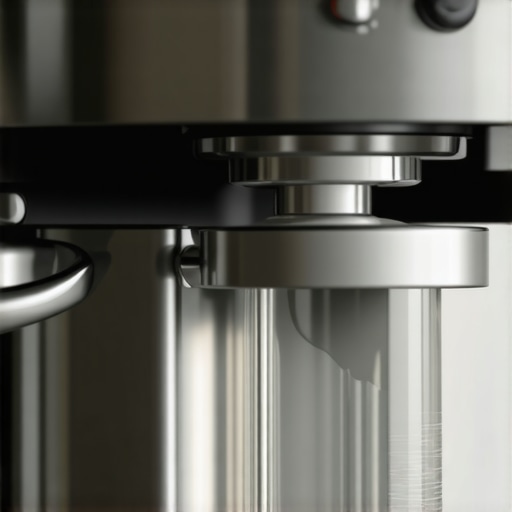
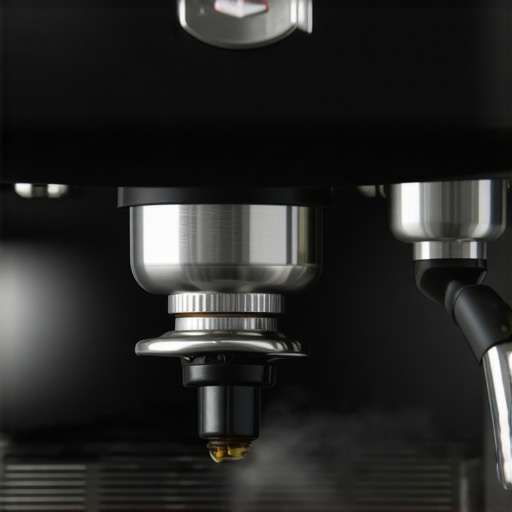
It hit me like a punch to the gut one morning during a routine shot — my beloved home espresso machine suddenly refused to hold pressure. Instead of that perfect crema I was aiming for, I got a sputtering mess that tasted more bitter than balanced. Frustrated, I stared at the machine, wondering why something that was once so reliable was now throwing a wrench in my morning ritual. That lightbulb moment made me realize: managing pressure isn’t just about pushing buttons; it’s about understanding what’s happening underneath.
Why Maintaining Pressure Matters More Than You Think
Pressure isn’t just a fancy espresso term thrown around by baristas. For us home enthusiasts, it’s the secret sauce that makes or breaks your coffee. When your machine struggles to keep consistent pressure, you’re likely to end up with under-extracted shots that taste sour or over-extracted ones that are bitter and flat. Consistent pressure ensures water flows evenly through the coffee grounds, extracting the rich flavors, oils, and aroma we crave.
But here’s the kicker — many home espresso setups, especially those with dual boilers or vibratory pumps, can be finicky. Small variables like boiler pressure, water quality, or even the tamping method can throw the whole process off. I learned this the hard way early on, making the classic mistake of ignoring routine maintenance and assuming my machine’s pressure gauge was just a decorative feature. That was a rookie error. Proper maintenance and understanding of how pressure works can transform your brewing experience.
Connection is key. If you’re like me, you’ve probably faced the disappointment of inconsistent shots and wondered if your machine’s pressure woes are worth the hassle. The good news? Once you grasp the core issues, fixing pressure problems becomes less daunting and more empowering. Plus, it saves you money on professional repairs or replacing equipment too soon.
Ready to dive into the nitty-gritty of pressure maintenance? Before we get into practical solutions, consider this: did you know that using tap water with high mineral content can cause mineral buildup, affecting internal components and pressure stability? According to Coffee Fresh, mineral deposits are a common culprit in pressure inconsistencies among home espresso machines. So, choosing the right water quality isn’t just about taste—it’s about longevity too.
Now, let’s explore how to identify the real cause behind your machine’s pressure struggles and set you on the path to consistently perfect shots.
Adjust Your Boiler Pressure Carefully
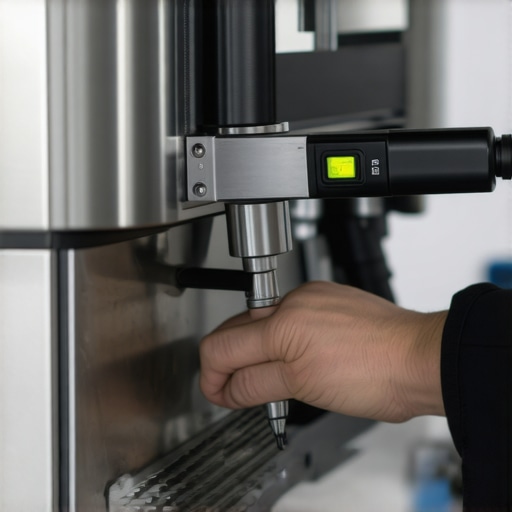
Start by checking your machine’s boiler pressure using the gauge or a pressure test kit. If it’s too high or low, consult your manual on how to adjust it—most machines have a calibration screw or a valve. I once had a dual boiler machine with a tiny screw on the pressure stat; by turning it slightly, I managed to dial it in, resulting in more consistent shots.
Optimize Water Quality to Prevent Mineral Buildup
Use filtered or bottled water instead of tap water, especially if you live in an area with hard water. This reduces mineral deposits that can clog internal channels and affect pressure stability. I recently switched to a reverse osmosis system, and my pressure consistency improved remarkably, making my shots more predictable.
Regularly Clean and Backflush Your Machine
Build-up of coffee oils and residues can hinder water flow, causing pressure fluctuations. Implement a routine backflushing with a cleaning detergent weekly—use a blank portafilter and follow your machine’s cleaning protocol (see guide). For example, I once neglected this step, and my pressure gauge fluctuated wildly; cleaning instantly restored stability.
Fine-Tune Grinder Settings for Proper Extraction
Correct grind size directly impacts pressure. A grind that’s too coarse causes low pressure; too fine and it can cause blockages. Start with a medium-fine setting, then adjust in tiny increments based on shot feedback. I used a dosing method to calibrate my grinder, ensuring minimal pressure fluctuations during extraction.
Monitor and Manage Heat Consistency
Maintaining a stable temperature reduces pressure variance. Use a machine with PID control or perform manual pre-heating. I measured the boiler temperature with a thermometer, aiming for 93°C, and preheated for at least 15 minutes, leading to more stable pressure readings and better extraction timing.
Implement Routine Maintenance Checks
Inspect and replace worn gasket seals regularly, especially the group head gasket, which can develop leaks that lower pressure. I set reminders to check my gasket condition and replaced a worn one, restoring proper pressure levels. For detailed inspection, see gasket inspection techniques.
Leverage Additional Tools for Precision
If adjusting the boiler pressure isn’t enough, consider adding a pressure gauge or a pressure regulator inline with your water supply. These tools provide real-time feedback, allowing for fine control. I installed a gauge and discovered my pump was operating below optimal pressure, which I corrected, boosting shot quality.
While many enthusiasts assume that selecting the latest espresso machine or a high-end grinder guarantees perfect coffee, the reality is far more nuanced. A prevalent misconception is that equipment quality alone determines espresso excellence, but even the elite gear won’t perform optimally without proper technique and understanding. For example, many home baristas overlook the importance of correct tamping pressure, which impacts extraction and pressure stability more than the machine’s capabilities. Moreover, buying into the myth that expensive milk frothers automatically produce superior microfoam is misleading; mastering steaming technique is the true game-changer. It’s a trap to believe that simply upgrading your grinder’s burrs will instantly improve flavor; proper calibration and grind size adjustment tailored to your beans are essential, as detailed in our guide on [how to select the perfect coffee grinder](https://espressotechguide.com/how-to-select-the-perfect-coffee-grinder-for-your-brew).Maintaining your home espresso setup requires more than just the right machine; it involves investing in specific tools that ensure longevity and optimal performance. One of my favorite essentials is a high-quality—even digital—tamp pressure gauge, which I personally use to calibrate my tamping pressure precisely, leading to more consistent shots over time. Similarly, a dedicated cleaning brush like the “Barista Hustle Portafilter Brush” has become indispensable for removing coffee oils from my group head, preventing pressure drops that can compromise extraction.
To keep my grinder in top shape, I rely on a burr alignment tool such as the “Coffee Sensor,” which helps me verify that my burrs are properly aligned—crucial for maintaining consistent grind size and stable pressure. Regular calibration with tools like these preemptively addresses issues that might otherwise lead to inconsistent pressure or flavor deterioration.
When it comes to water, a dual-stage filtration system has been a game-changer. I personally installed a reverse osmosis filter with remineralization, following guidance from experts like Barista Hustle, which has significantly reduced mineral buildup inside my machine, reducing pressure fluctuations and extending its lifespan.
Looking ahead, I predict that integrated smart maintenance sensors—like those seen in the latest espresso machines—will become standard, alerting us to impending issues before they affect pressure or extraction quality. This proactive approach could revolutionize how we care for our gear.
### How do I maintain my espresso equipment over time?
Developing a routine—such as weekly backflushing, monthly burr inspection, and regular water quality checks—is key. I schedule these tasks into my calendar, making them habitual. For example, I set a reminder to check my group gasket condition with the guidance from [our gasket inspection guide](https://espressotechguide.com/inspect-your-group-gasket-for-hidden-cracks), which has helped me catch early signs of wear before pressure issues arise.
If you’re serious about keeping your gear in prime condition, consider trying the calibration method I use with my burrs—you’ll be surprised how much more consistent your shots become. Investing in quality tools might seem like a hassle at first, but the payoff in long-term performance and flavor consistency is well worth it. For a comprehensive overview of recommended maintenance tools, visit our gear guide.
The Unexpected Lessons from My Pressure Journey
One of the most profound insights I gained was realizing that pressure management is as much about mindset as it is about equipment. The times I overlooked simple checks—like cleaning my water reservoir or calibrating my grinder—were the moments my espresso suffered. These experiences underscored that even seasoned enthusiasts need humility and curiosity to truly perfect their craft. The secret lies in continuous learning and embracing every hiccup as an opportunity to grow.
Another lightbulb moment was understanding that pressure isn’t static; it varies based on so many factors—water quality, ambient temperature, and even humidity. Recognizing these subtle influences has allowed me to adapt my routine proactively, rather than reactively. It teaches us that precision in home espresso isn’t about achieving perfection every shot but about cultivating an awareness that leads to consistent success over time.
Additionally, I uncovered that the metrics on my machine—like pressure gauges—are valuable guides but not infallible. Relying solely on these can be misleading if the internal components are compromised. Regularly inspecting and maintaining internal seals and valves became clear as crucial steps toward sustainable pressure stability, reinforcing the importance of a comprehensive approach rather than مجرد fixing on one aspect.
My Favorite Tools for Maintaining Espresso Pressure
I’ve come to trust a few key items that genuinely make a difference. A high-quality digital tamp pressure gauge, for example, has transformed my consistency—helping me calibrate tamping pressure precisely. For cleaning, I swear by a dedicated backflushing kit like the recommended backflushing procedure, which keeps residue at bay and ensures water flows smoothly. Upgrading to filtered water with a reverse osmosis system has also been a game-changer, minimizing mineral buildup that hampers pressure stability. And for inspecting internal components, I utilize a gasket inspection mirror, preventing small issues from turning into major failures.
For ongoing maintenance, I rely on detailed guides—like those on gasket inspection—to extend my gear’s lifespan and keep pressure consistent. Combining these tools with a disciplined routine has massively improved my espresso quality and confidence. For equipment upgrades or tech insights, visiting our espresso machine reviews can help you find the right gear to support your journey.
Your Path to Richer Espresso Starts Now
Remember, mastering pressure isn’t about perfection; it’s about progress and understanding your unique setup. Each tweak and check brings you closer to that flawless shot—your personal barista moment. Be curious, stay diligent, and don’t shy away from experimenting with new tools and techniques. Your ideal home espresso awaits, and every small step you take today builds toward a reward you can savor tomorrow. Keep pushing the boundaries of what’s possible, and enjoy every drop of your evolving craft.
What’s the most surprising thing you’ve learned about managing pressure in your home setup? Share your stories below—I love hearing how fellow enthusiasts troubleshoot and triumph!